15 Small Dining Room Ideas
15 Small Dining Room Ideas
A small dining room is one of the most rewarding design challenges a home can present. The instinct when working with a compact dining space is to either minimize it further by choosing undersized furniture that looks apologetic and tentative, or to overcrowd it with pieces that fight for the limited floor space and make the room feel claustrophobic rather than intimate. Both approaches miss the genuine opportunity that a small dining room presents.
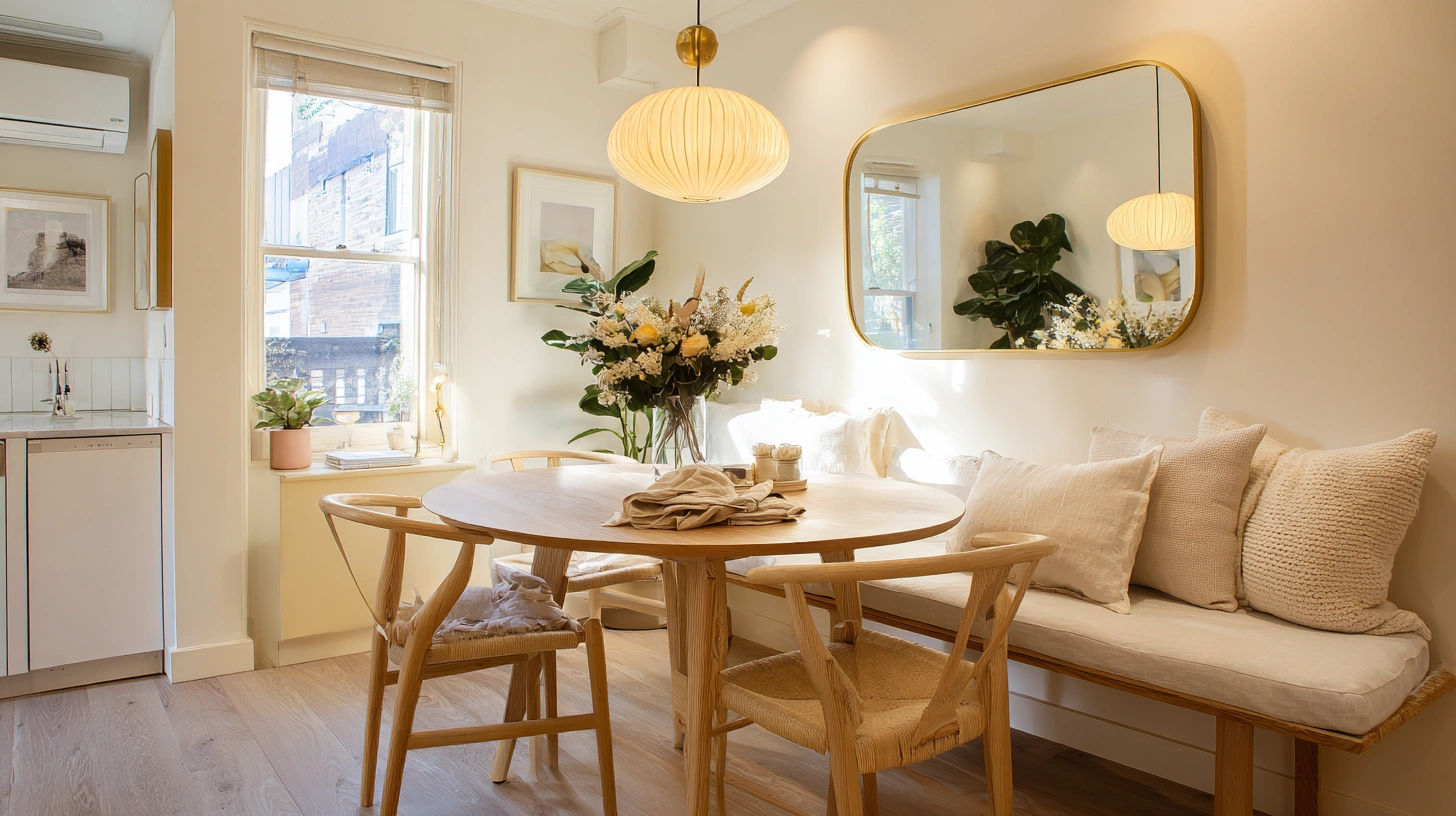
With the right furniture, the right lighting, the right color palette, and the right design thinking, a small dining room can feel not merely adequate but genuinely extraordinary. a space of warmth, intimacy, and considered beauty that larger dining rooms often struggle to achieve. Here are 15 small dining room ideas that are modern, practical, and genuinely inspiring.
1. Choose the Right Table Shape
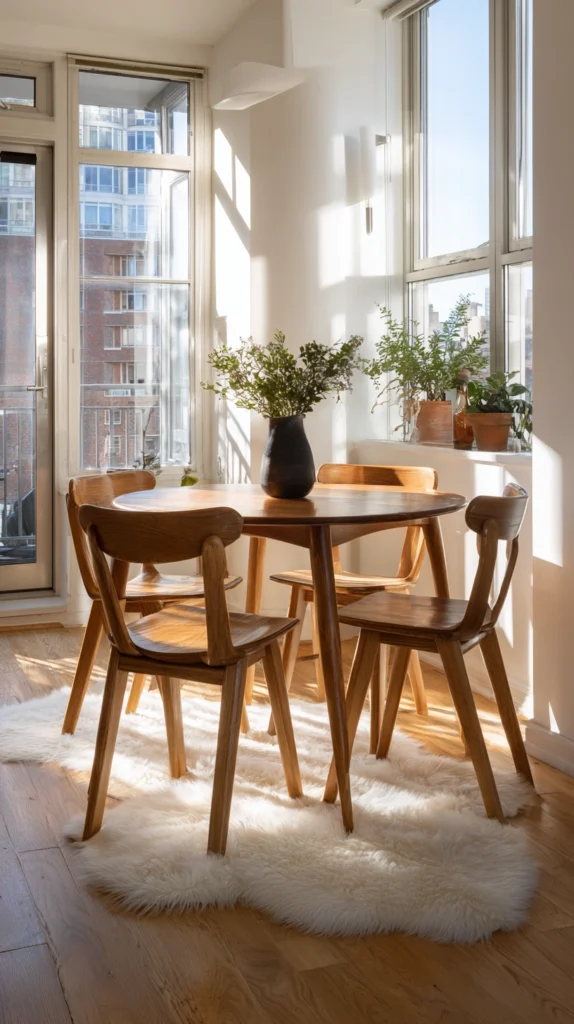
The shape of the dining table is the single most important decision in a small dining room, and the wrong choice can make the difference between a room that functions well and one that is constantly frustrating to navigate.
A round or oval table is almost always a better choice than a rectangular one in a small dining room because it has no corners that jut into the circulation space around it, it allows people to move around it more freely in a tight room, and it creates a more intimate, convivial dining atmosphere where every person at the table feels equally close to every other person.
A round table for four people takes up significantly less effective floor space than a rectangular table accommodating the same number of diners.
2. Use a Bench on One Side
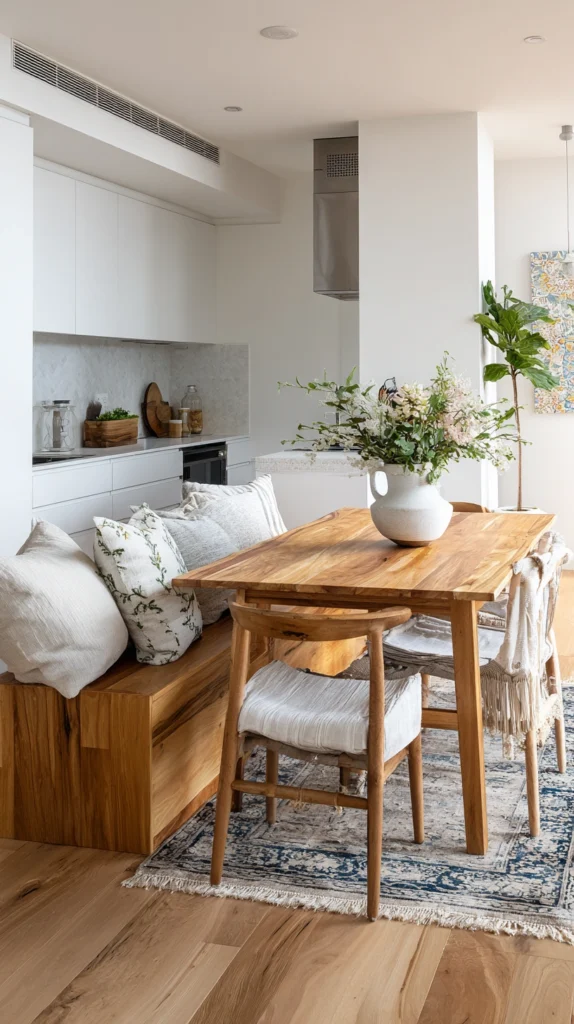
Replacing two chairs on one side of a small dining table with a bench seat creates additional seating capacity without requiring additional floor space for chair legs and chair backs to extend into. A bench can seat three people in the space that two chairs would typically occupy, and when pushed beneath the table it disappears almost entirely from the floor plan of the room.
Choose a bench in the same material as the dining table for a coordinated, intentional look, or in a contrasting material. a leather-topped bench beside a timber table, or an upholstered bench beside a painted table. for an eclectic quality that adds visual interest.
3. Install a Wall-Mounted Drop-Down Table
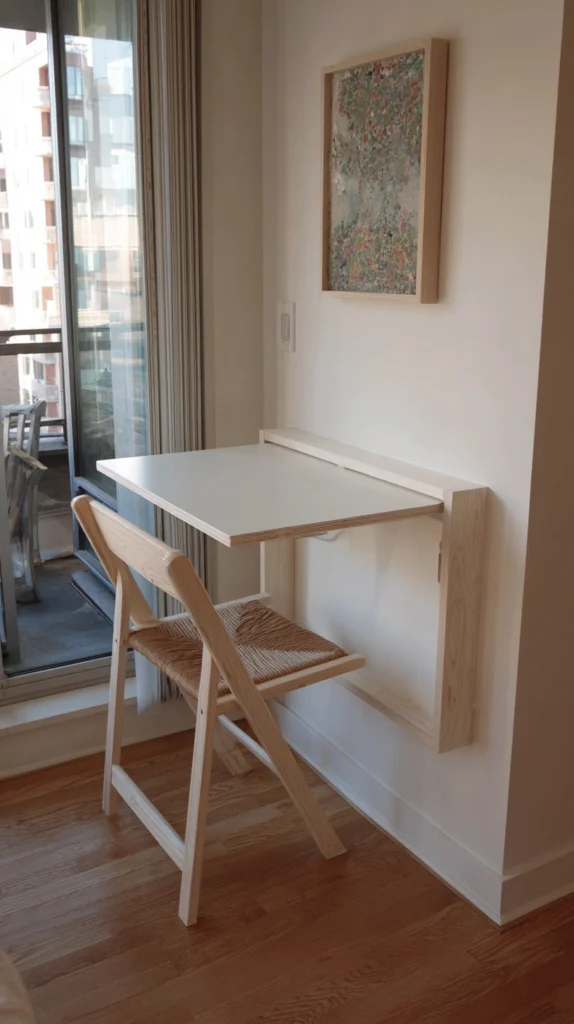
A wall-mounted drop-down table that folds flat against the wall when not in use and unfolds to provide a full dining surface when required is the most space-efficient dining solution available for a genuinely small dining space. When the table is folded up, the room functions as a completely different space, a study, a reading room, or a hallway.
With no evidence that a dining area exists within it. When the table is unfolded and chairs are brought in, a complete dining setup appears in moments. This approach suits studio apartments, small kitchen-diners, and any space where the dining function needs to share the room with other daily uses.
4. Choose Chairs That Tuck Away
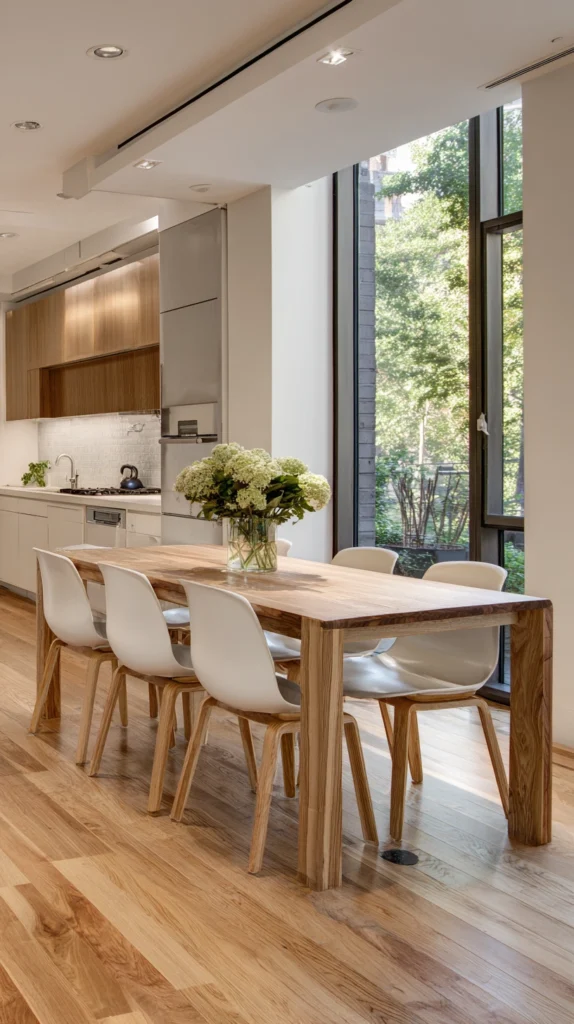
The chairs in a small dining room are as important as the table itself in determining how the room feels and functions when the table is not in use.
Slim-profile chairs that tuck fully beneath the table surface remove themselves almost entirely from the room’s footprint when not in use, freeing the floor space around the table for circulation and creating the impression of a less crowded room between mealtimes.
Choose chairs with a leg profile that genuinely fits beneath the table apron rather than chairs with splayed or wide legs that prevent full tucking and leave the chairs extending into the room at an awkward angle.
5. Use Mirrors to Expand the Space
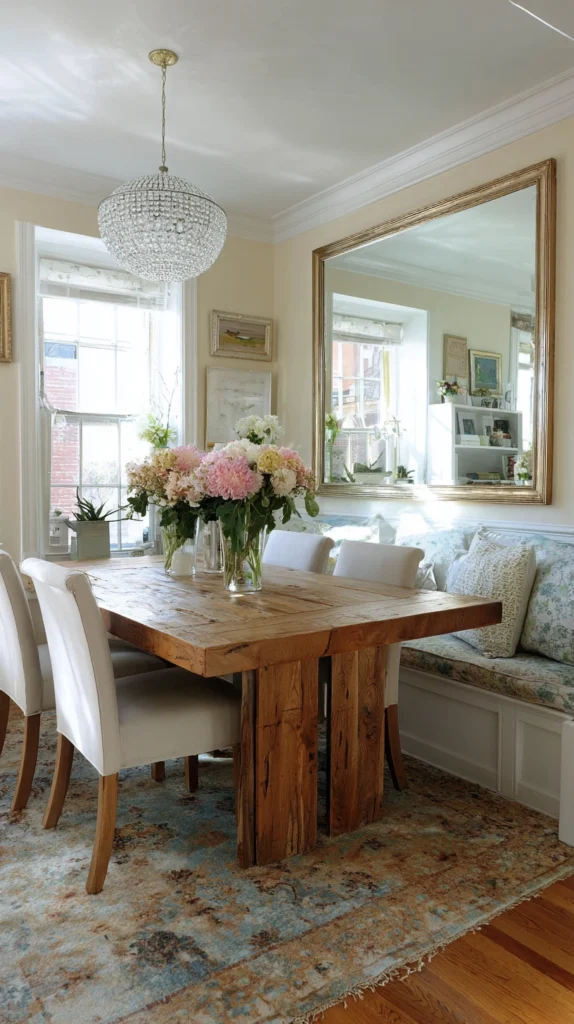
A large mirror on one wall of a small dining room is one of the most effective and most classical space-expanding strategies available.
A mirror reflects the room back at itself, creating the convincing visual impression of a second dining room beyond the wall it is mounted on, and it doubles the available light within the space by reflecting both natural light from the window and artificial light from the pendant and any supplementary sources.
A large framed mirror positioned on the wall opposite the window creates the most dramatic light-amplifying effect and the most convincing spatial expansion in a small dining room.
6. Choose a Light, Unified Color Palette
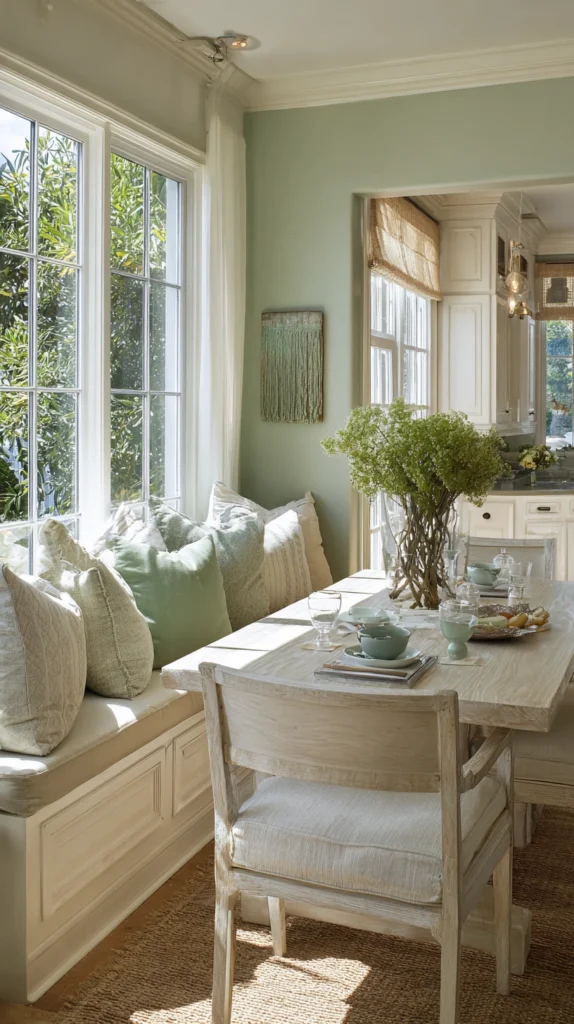
A light, unified color palette in the small dining room creates the most spacious and most visually cohesive environment available. When the walls, the ceiling, the trim, and the larger furniture pieces share a close tonal relationship, the eye reads the room as a continuous, unified space rather than registering each surface as a separate element competing for attention.
Warm whites, soft creams, pale greiges, and gentle sage greens all work beautifully as the primary tone of a small dining room. Introduce color through smaller elements. The chair upholstery, the tableware, the artwork. rather than through large surfaces that divide and visually shrink the room.
7. Hang a Statement Pendant Light
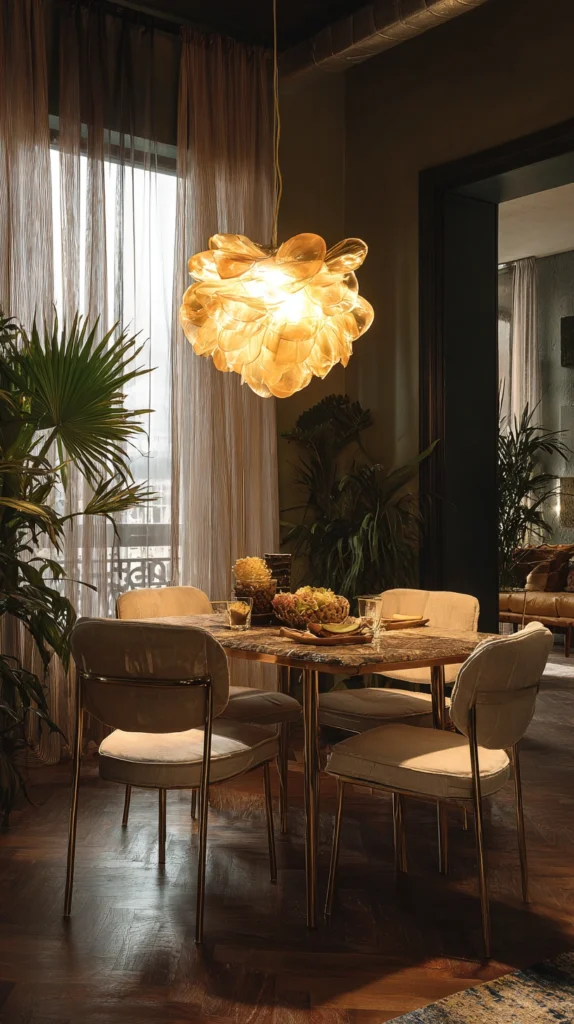
A well-chosen pendant light hung above the dining table creates a focal point of genuine visual authority that immediately makes the small dining room feel deliberately designed rather than simply furnished. The pendant light defines the dining zone within the room, creates an intimate pool of warm light above the table during mealtimes, and contributes a decorative dimension that no other single element in the room can quite replicate.
Choose a pendant of sufficient scale to look confident above the table without being so large that it overwhelms the modest proportions of the room. A pendant hung at the correct height. approximately 75 to 85 centimeters above the table surface. creates the most flattering and most atmospherically appropriate light for dining.
8. Build In Storage Around the Dining Area
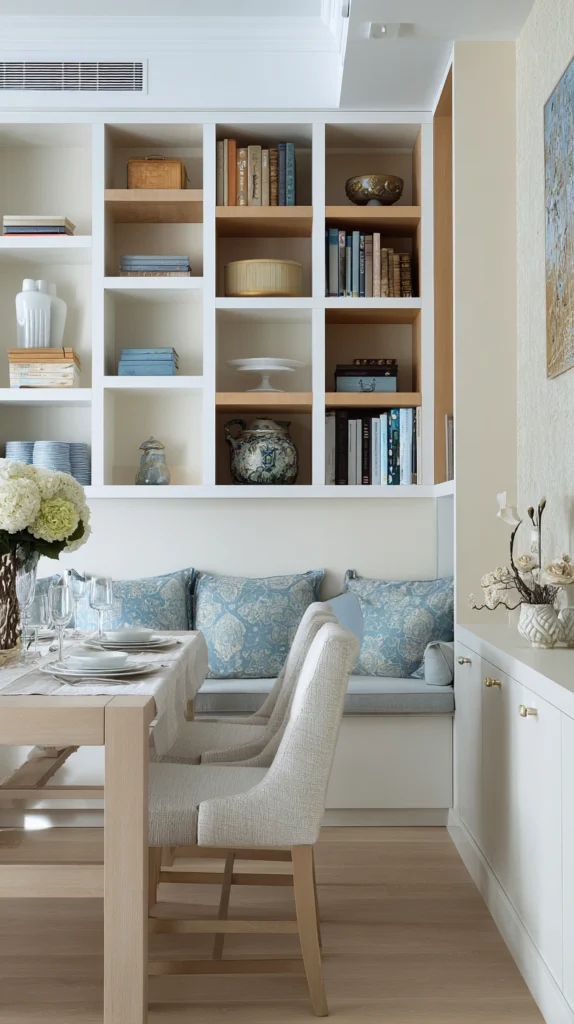
A small dining room that incorporates built-in storage within its walls. bookshelves flanking the window, a low sideboard built into the wall at one end of the room, or a floor-to-ceiling cupboard that provides concealed storage for dining accessories, makes the room more functional, more organized, and visually calmer than a room where separate storage pieces compete for the limited floor space with the dining furniture.
Built-in storage also creates a sense of considered architectural intention that makes the room feel genuinely designed from the inside out rather than furnished after the fact.
9. Use the Walls for Art and Display
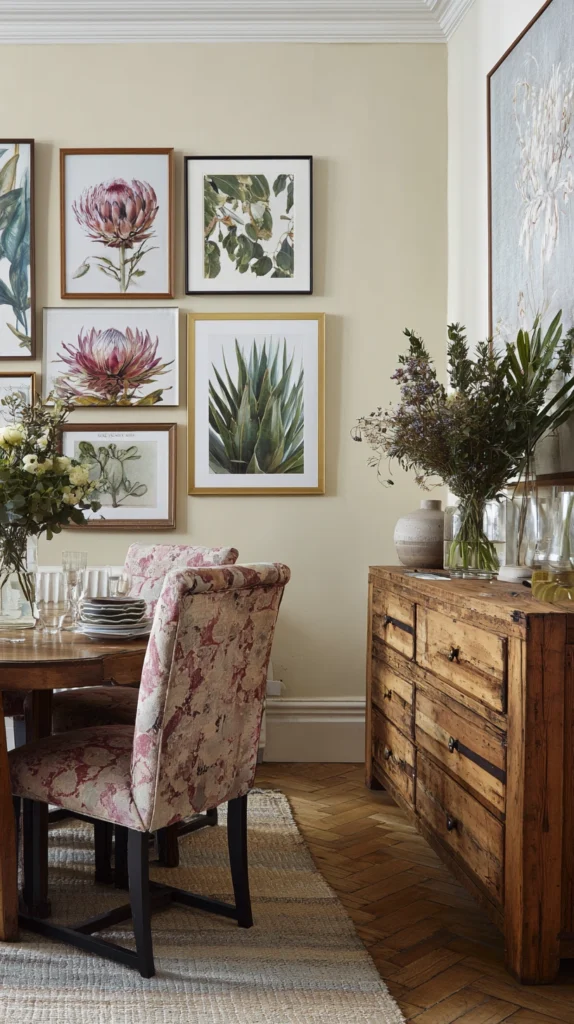
The walls of a small dining room are one of the most important decorative surfaces available precisely because the limited floor space means that the visual interest and the personality of the room must be expressed primarily through what is on the walls rather than through furniture arrangements and decorative objects on the floor.
A gallery wall of framed artwork, a single large statement painting above the sideboard, or a collection of wall-mounted ceramics and botanical prints all create a dining room of genuine visual richness without consuming any of the limited floor space. Choose art and display objects in a cohesive color palette that reinforces the room’s overall decorating scheme.
10. Add a Sideboard for Storage and Style
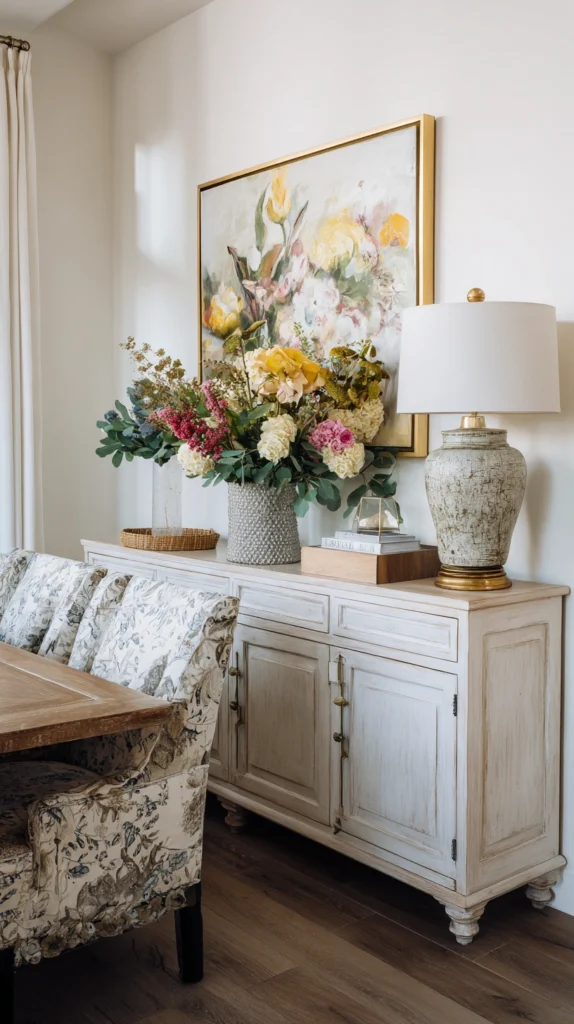
A sideboard along one wall of the small dining room provides the most practical and most aesthetically generous storage solution available for a compact dining space. It accommodates table linens, candles, tableware, and serving equipment in a piece of furniture that also functions as a display surface for decorative objects, a lamp, and a seasonal arrangement of flowers or botanicals.
Choose a sideboard proportional in depth and width to the available wall space. A large sideboard in a small dining room consumes floor space that the room cannot afford to lose. And in a finish that coordinates with the dining table for a cohesive, intentional result.
11. Extend Seating with Window Seat
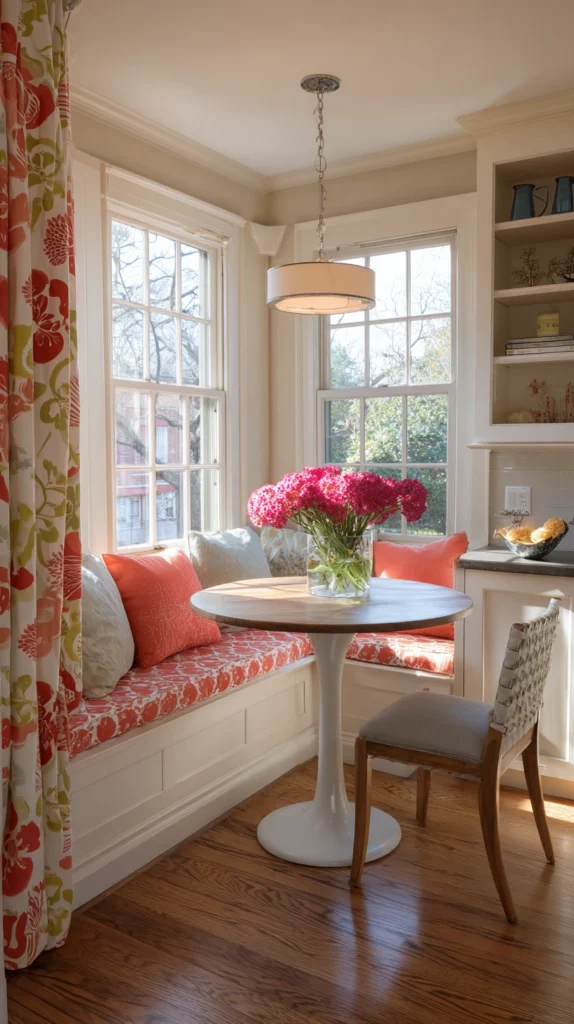
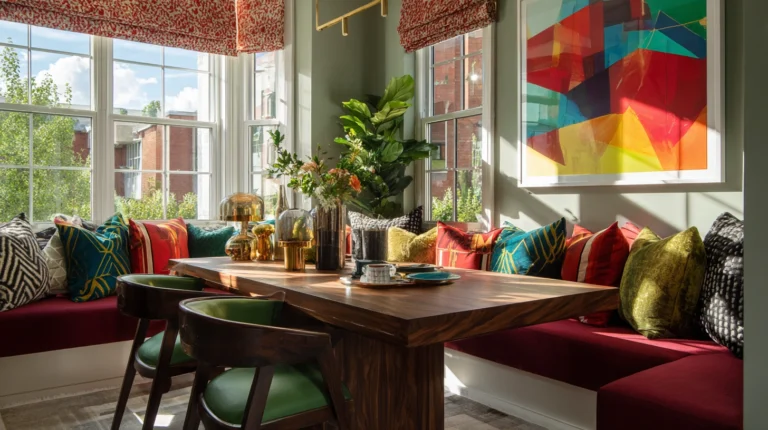
A window seat built beneath the dining room window provides additional seating for the dining table that occupies no additional floor space and transforms what is typically a purely architectural element of the room into a functional piece of integrated furniture. A window seat with a hinged lid and storage beneath provides a double benefit. seating capacity and concealed storage in a single built piece. Upholster the window seat in a durable fabric that coordinates with the chair upholstery for a cohesive, designed quality throughout the dining room seating arrangement.
12. Keep the Floor Consistent and Light
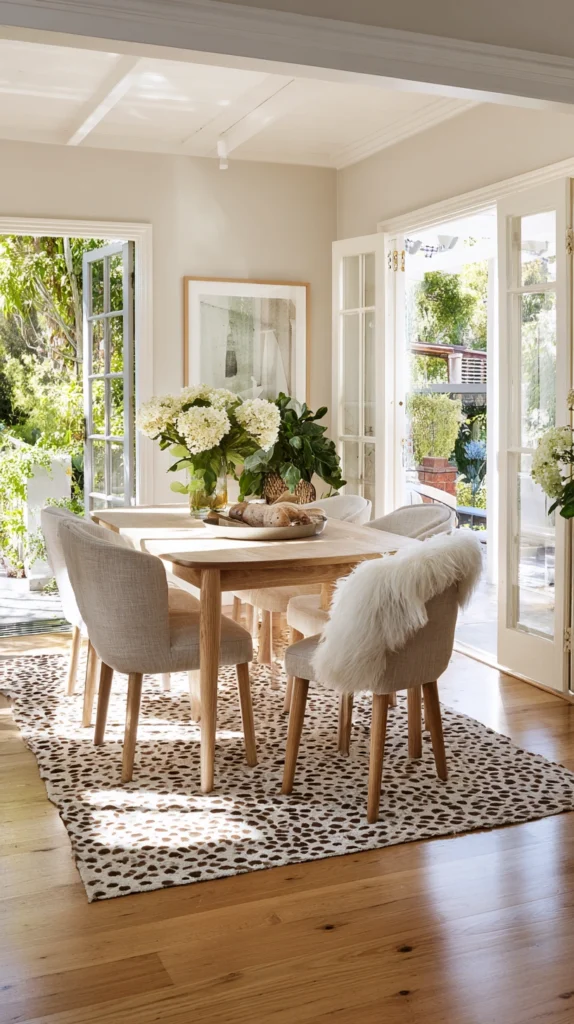
The floor of a small dining room should be as consistent and as light in tone as possible to maximize the sense of floor area available and prevent the room from feeling chopped up and visually complex at ground level.
A continuous floor of light timber, pale stone, or a large-format light-colored tile creates the most expansive and most visually unified floor surface for a small dining room. If a rug is used beneath the dining table, choose one in a tone close to the floor color so that it defines the dining zone without creating a strong color contrast that visually reduces the apparent size of the floor.
13. Consider Open Plan Dining
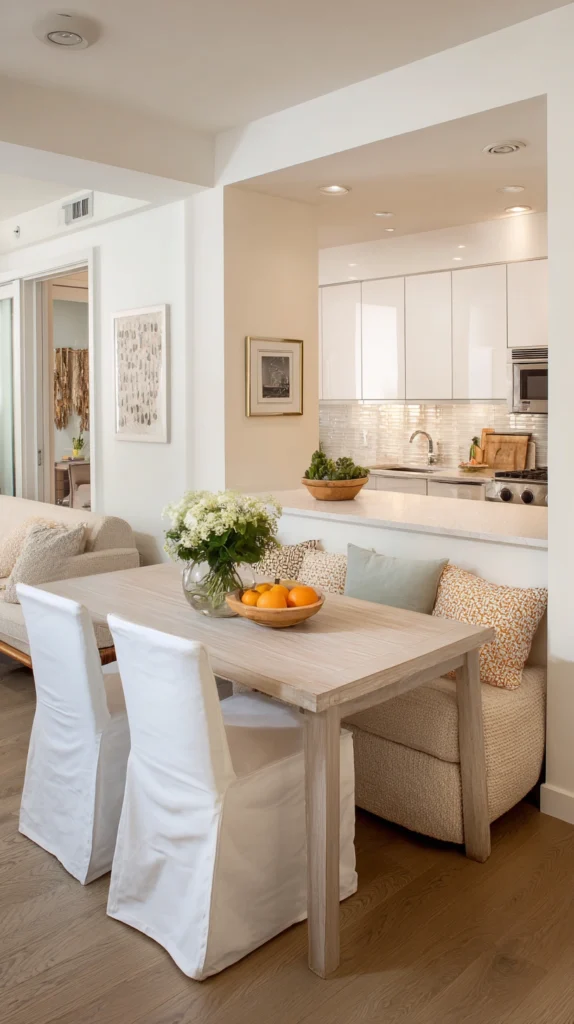
Opening a small dining room into the adjacent kitchen or living space by removing or partially opening a dividing wall creates a significantly more spacious and more functionally flexible dining environment than a fully enclosed small room can provide.
An open-plan kitchen and dining area shares the floor space of both rooms simultaneously, creating a combined space that is considerably more generous, more light-filled, and more socially connected than two separate small rooms.
If full open-plan is not structurally feasible, a wide opening between the dining room and the kitchen creates a partial connection that improves both the sense of space and the practical convenience of moving between cooking and dining.
14. Dress the Table for Occasion
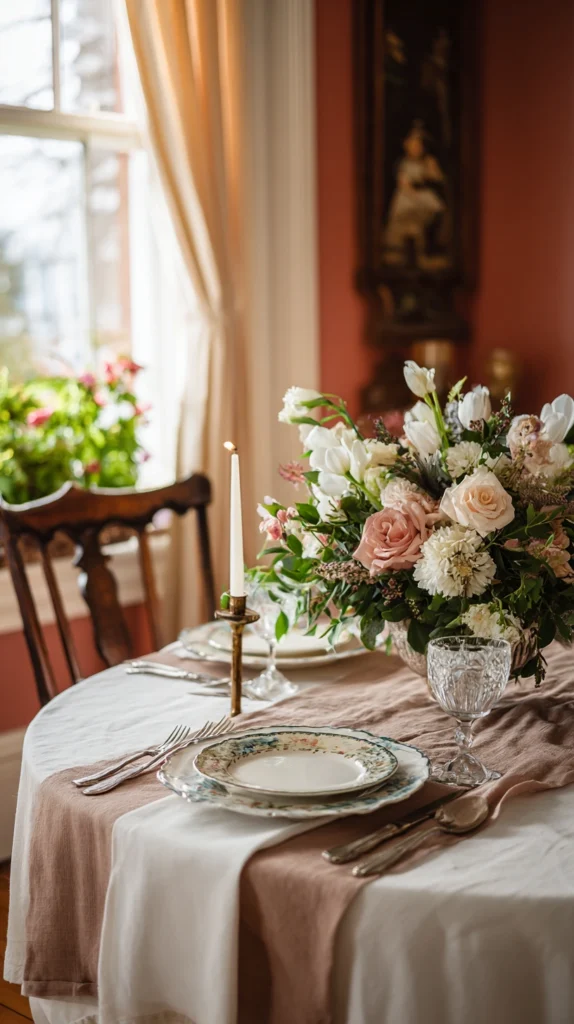
A small dining room table that is beautifully dressed for meals. a simple linen runner, a small vase of fresh flowers, cloth napkins, and a single candle. creates an atmosphere of genuine occasion and care that makes every meal in the room feel more special and more considered than a bare table would allow.
The dressed table also visually anchors the dining furniture within the room and creates a focal point of warmth and invitation that makes the small room feel generous and welcoming rather than merely functional. Change the table dressing seasonally to keep the room feeling alive and connected to the world outside.
15. Embrace the Intimacy
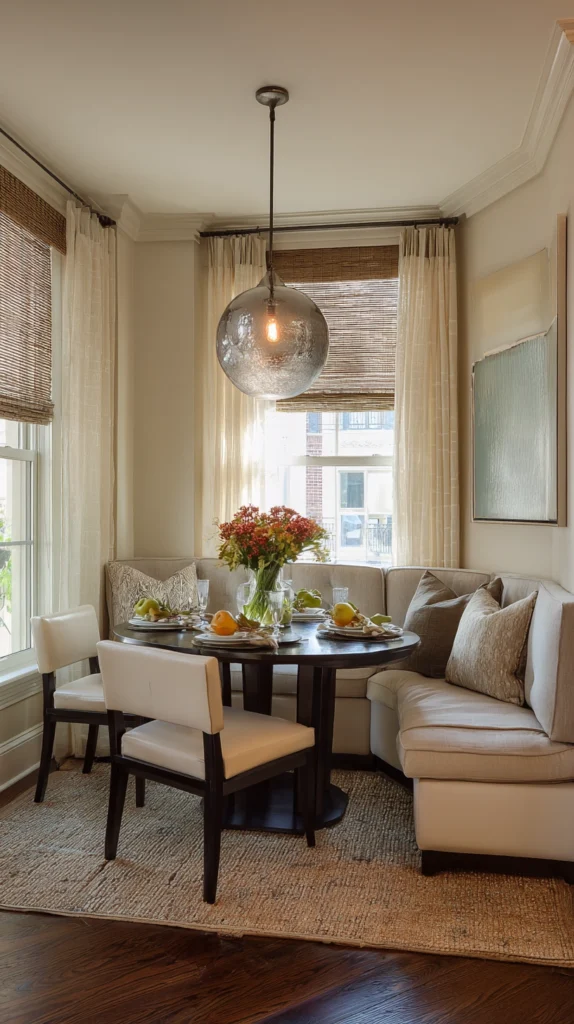
The final and most important small dining room idea is a philosophical one. embrace the intimacy that the compact scale of the room naturally creates rather than fighting against it.
The most memorable and most convivial dining experiences often happen in small rooms where the closeness of the table and the warmth of the shared space create a genuinely intimate atmosphere that larger, grander dining rooms cannot replicate. A small dining room, designed with care and inhabited with genuine warmth, is not a compromise. It is an invitation to the kind of close, unhurried, deeply enjoyable dining experience that the finest restaurants in the world deliberately try to create.
The Small Dining Room as a Design Opportunity
A small dining room designed with intelligence, furnished with appropriate scale, and decorated with genuine care is not a room to apologize for. It is a room to be proud of.
Its compactness, its intimacy, and the discipline it imposes on every design decision combine to create a dining environment of authentic warmth, considered beauty, and the particular quality of generous human connection that only a room designed specifically for gathering people together around a shared table can truly provide.