14 Hardy Ground Cover Plants That Thrive in Clay Soil
14 Hardy Ground Cover Plants That Thrive in Clay Soil
Clay soil has a reputation for being a gardener’s nemesis — heavy, waterlogged in winter, cracked and baked in summer, and stubbornly resistant to digging. Yet for all its frustrating qualities, clay is actually rich in nutrients and minerals, making it a surprisingly fertile growing medium once you match it with the right plants.
The secret lies in choosing species tough enough to handle compaction, poor drainage, and seasonal extremes.
Ground covers are an especially smart choice for clay-heavy gardens. Low-growing and spreading by nature, they suppress weeds, protect the soil surface from erosion, and reduce the need for constant maintenance — three problems that clay gardens face in abundance.
The 14 plants below have all proven themselves in heavy clay conditions, offering everything from lush foliage to vibrant flowers and year-round interest.
Why Ground Covers Work So Well in Clay Soil
Ground cover plants bring several practical advantages to clay soil. Their shallow, fibrous root systems gradually break up compacted layers, improving aeration over time. Many are drought-tolerant once established, which matters enormously in clay soils that swing between waterlogging and brick-hard dryness.
They also require little amendment — you won’t need to haul in endless bags of compost to make them thrive. Plant them once, give them a season to settle, and they’ll reward you with reliable coverage for years.
1. Creeping Jenny (Lysimachia nummularia)
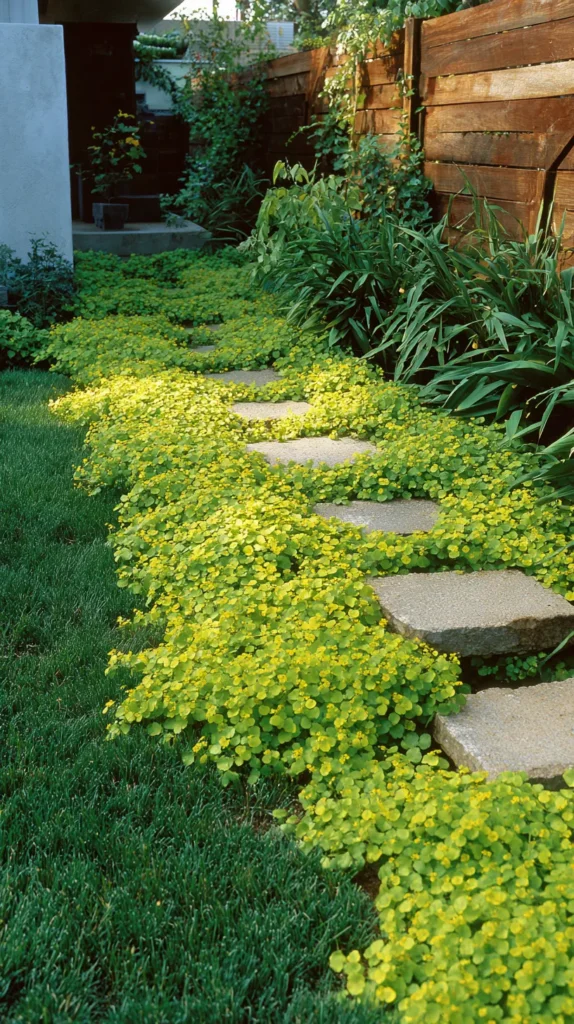
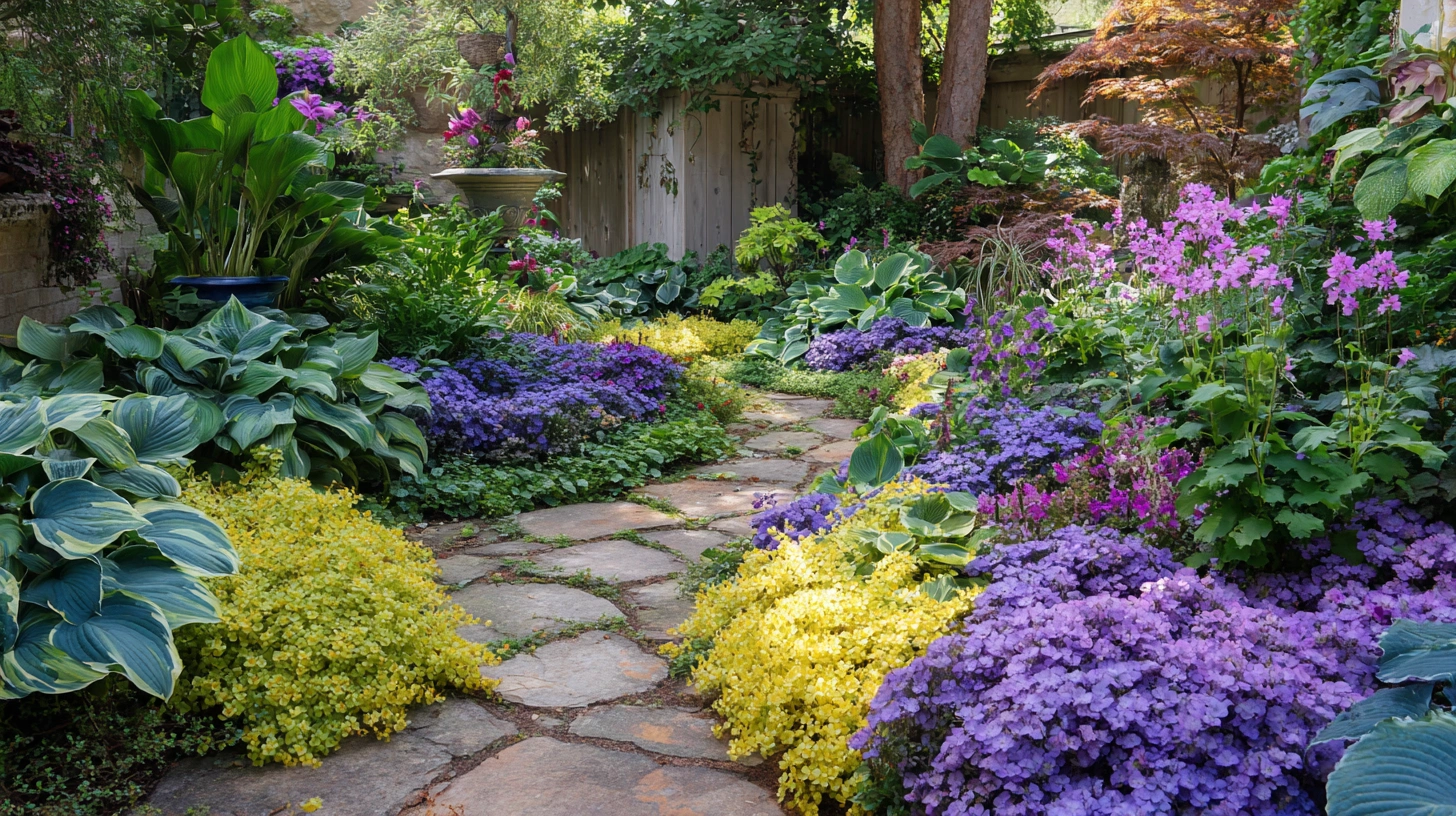
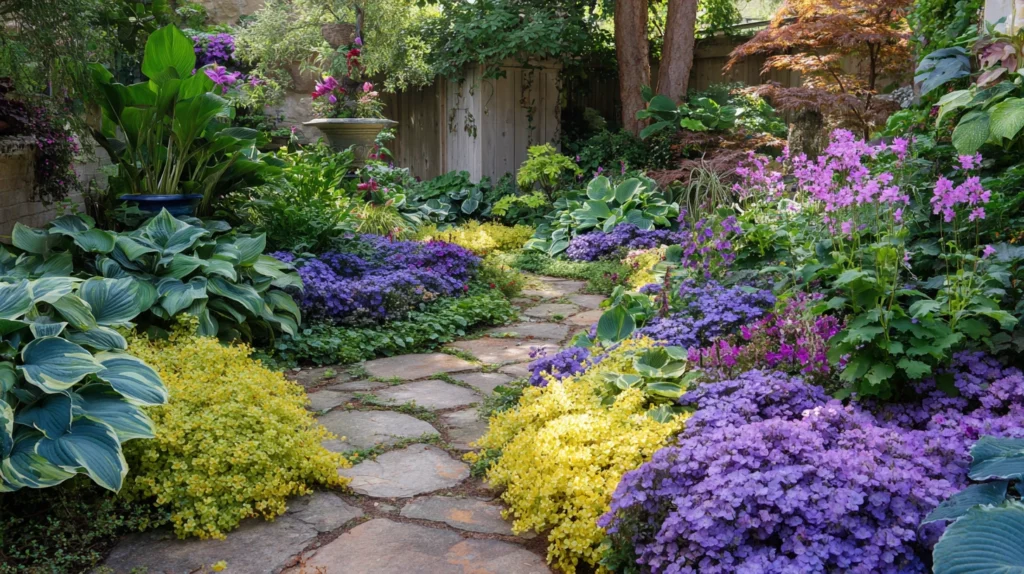
One of the most adaptable ground covers available, Creeping Jenny forms a dense, low carpet of rounded leaves on trailing stems. Its golden-leaved variety ‘Aurea’ is particularly striking, glowing lime-yellow in shaded corners where many plants would simply give up.
It tolerates waterlogged clay better than almost any other ornamental ground cover and spreads rapidly to fill gaps. Hardy to USDA Zone 4, it dies back in colder climates but returns reliably in spring.
2. Ajuga (Ajuga reptans)
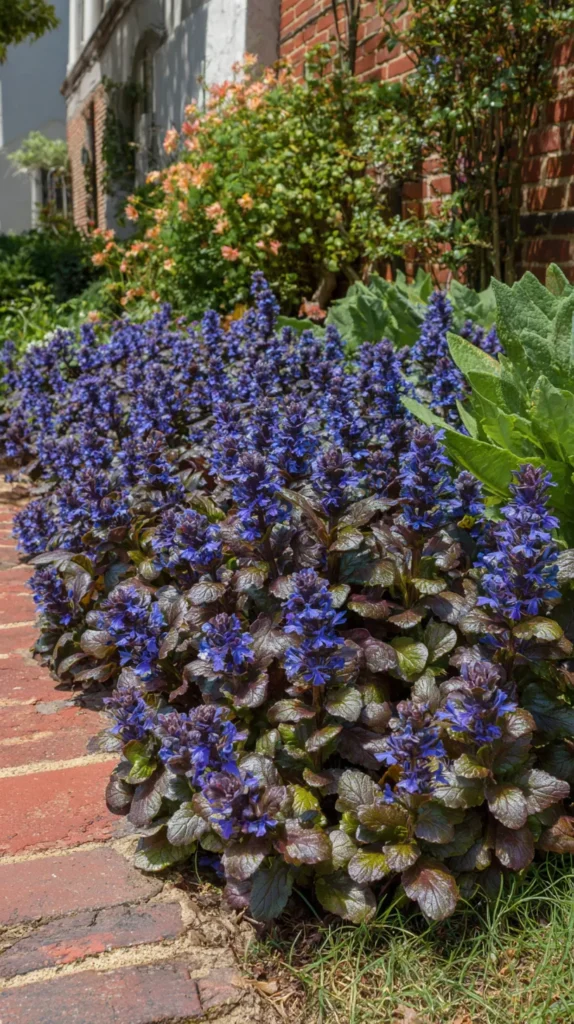
Commonly called bugleweed, Ajuga is a powerhouse in difficult soils. It spreads by stolons to form a tight, weed-smothering mat and produces upright spikes of deep blue-purple flowers in late spring. Varieties like ‘Catlin’s Giant’ offer oversized bronze-purple foliage for a bold effect, while ‘Chocolate Chip’ stays compact and tidy.
Ajuga performs well in both full sun and heavy shade, making it one of the most versatile clay-tolerant plants you can grow.
3. Hostas (Hosta spp.)
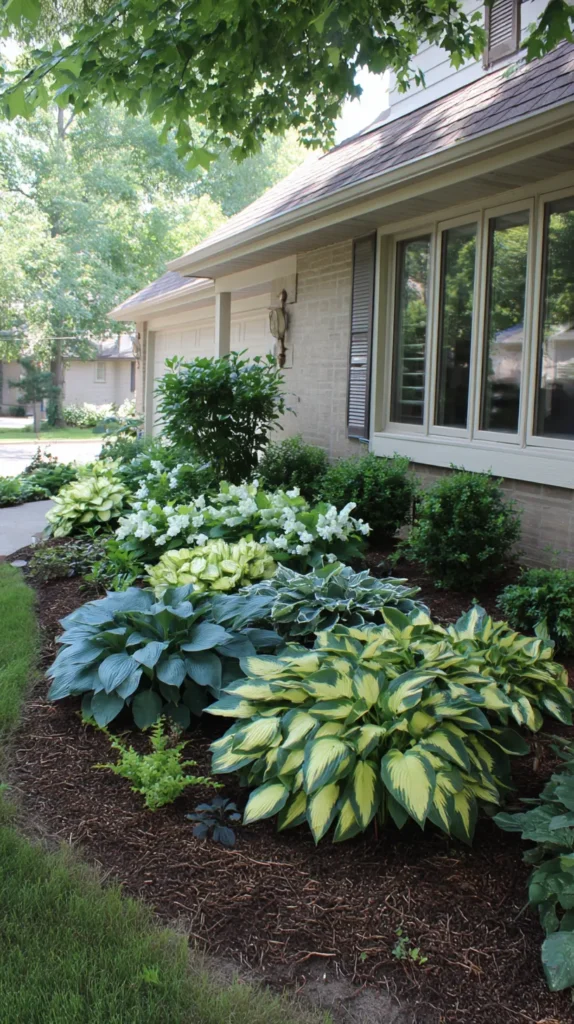
Few plants are as forgiving of clay soil as hostas. Their enormous, architectural leaves make a bold statement in shaded spots, and once established, they return bigger and better every year. The thick, clumping growth habit naturally suppresses weeds, while the roots slowly work through compacted soil.
Choose slug-resistant varieties like ‘Halcyon’ or ‘Sum and Substance’ to reduce pest pressure. Plant hostas in autumn or early spring when clay is workable, and they’ll establish quickly.
4. Hardy Geranium (Geranium macrorrhizum)
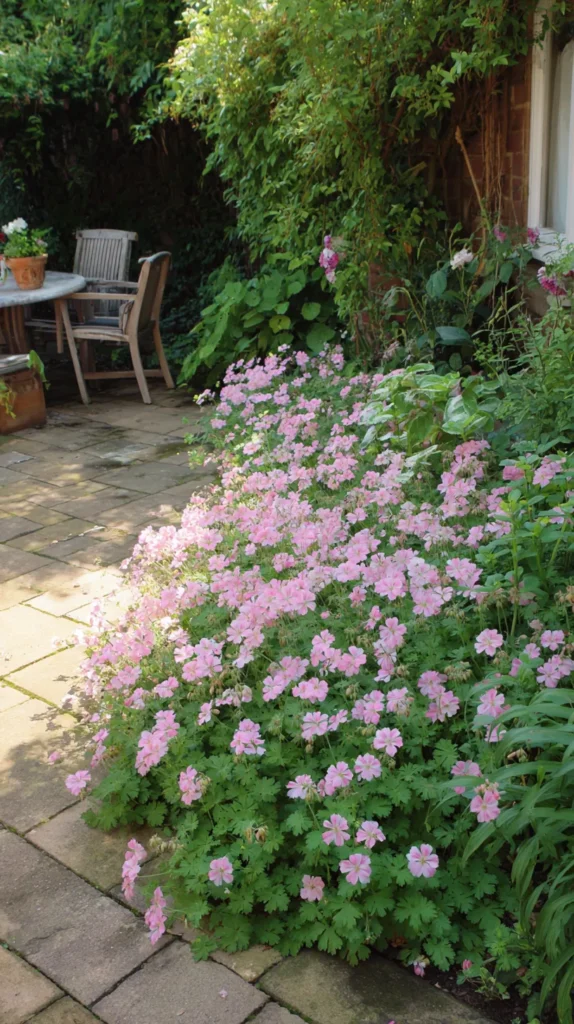
The true hardy geraniums — not to be confused with tender pelargoniums — are exceptional clay performers. Geranium macrorrhizum in particular has thick, aromatic foliage that stays semi-evergreen through mild winters, and its sticky rhizomes grip heavy soil tenaciously.
It flowers in shades of pink, magenta, and white in late spring and early summer, then holds its attractive leaf colour through autumn. It tolerates both dry shade and moisture-retentive clay — a rare and valuable combination.
5. Lamium (Lamium maculatum)
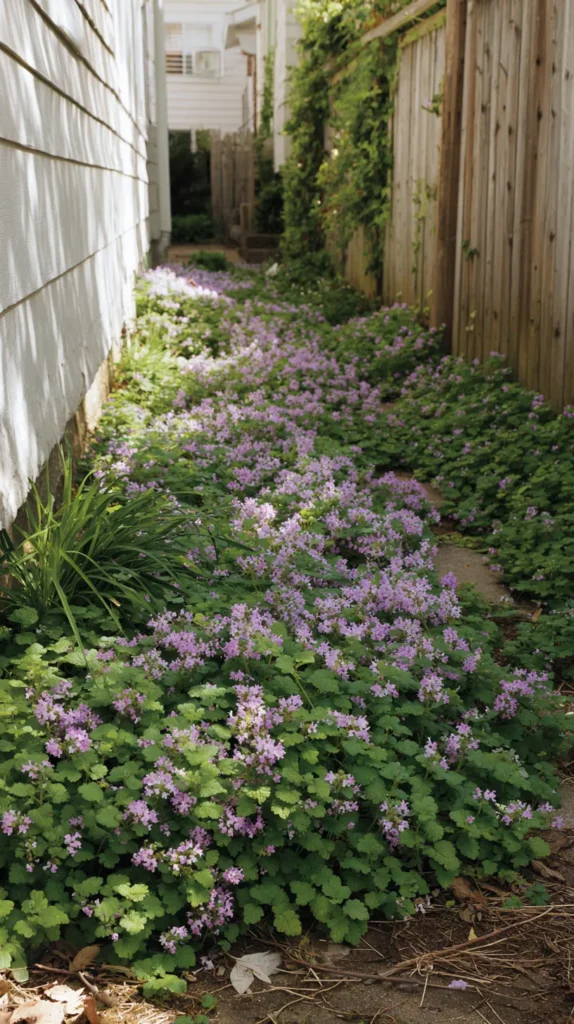
Spotted dead nettle is a reliable semi-evergreen ground cover that thrives in the damp, shaded spots where clay often collects. The silver-splashed leaves brighten dark corners throughout the growing season, and the small hooded flowers — in pink, white, or purple depending on variety — appear in early summer.
‘White Nancy’ and ‘Pink Pewter’ are particularly popular choices. Lamium spreads at a moderate pace, making it easy to control, and it handles heavy clay without complaint.
6. Periwinkle (Vinca minor)
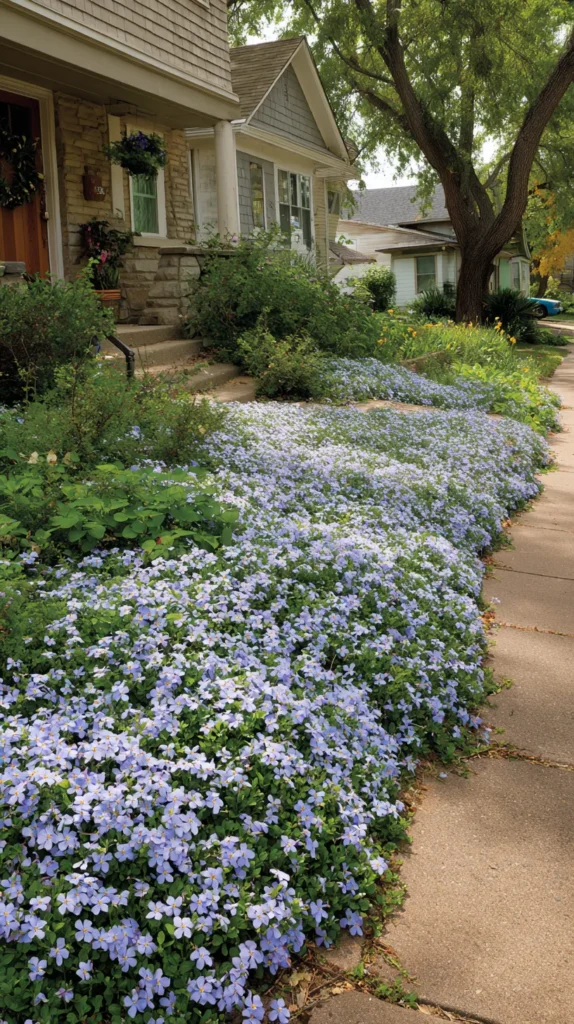
Vinca minor is one of the toughest, most enduring ground covers in temperate gardening. Its glossy dark green leaves hold through all but the worst winters, and the cheerful blue or white flowers appear in spring, with occasional repeat flushes later in the year.
Periwinkle spreads steadily by trailing stems that root wherever they touch the ground, forming an impenetrable mat over clay banks and slopes. Its vigorous root system is particularly valuable on sloping ground where clay erosion is a problem.
7. Heuchera (Heuchera spp.)
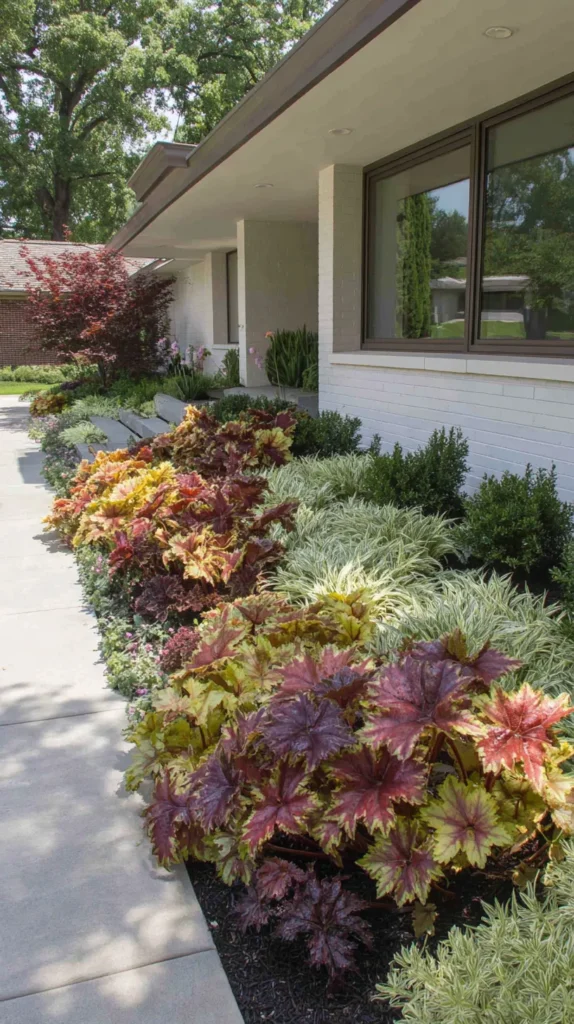
Heucheras — also known as coral bells — are some of the most fashionable foliage plants in modern horticulture, and for good reason. Available in colours ranging from lime-green and caramel to deep burgundy and near-black, they offer year-round interest in clay borders.
Their fibrous, evergreen rosettes establish well in clay, particularly in partial shade, and the tall, airy flower spikes in summer attract pollinators. Varieties like ‘Palace Purple’, ‘Caramel’, and ‘Obsidian’ are especially popular and widely available.
8. Astilbe (Astilbe spp.)
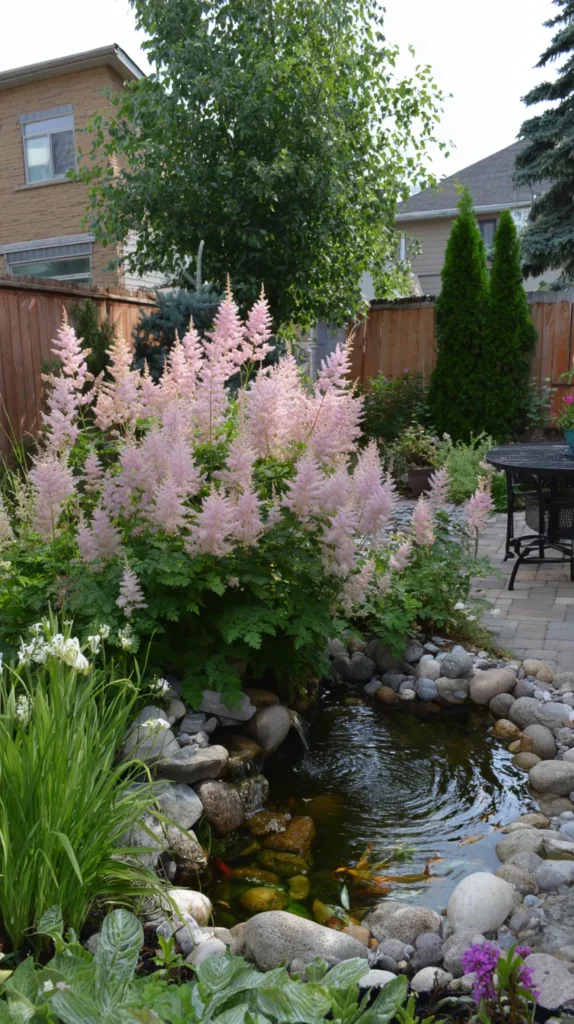
If your clay soil stays consistently moist, astilbe is an outstanding choice. The feathery plumes of red, pink, white, or purple flowers are showstopping in early to midsummer, and the deeply divided, fern-like foliage remains handsome throughout the growing season.
Unlike many plants that struggle with waterlogging, astilbe genuinely loves moisture-retentive clay. Plant it alongside streams, ponds, or in low-lying areas that collect water, and it will reward you with an exceptional display year after year.
9. Bergenia (Bergenia cordifolia)
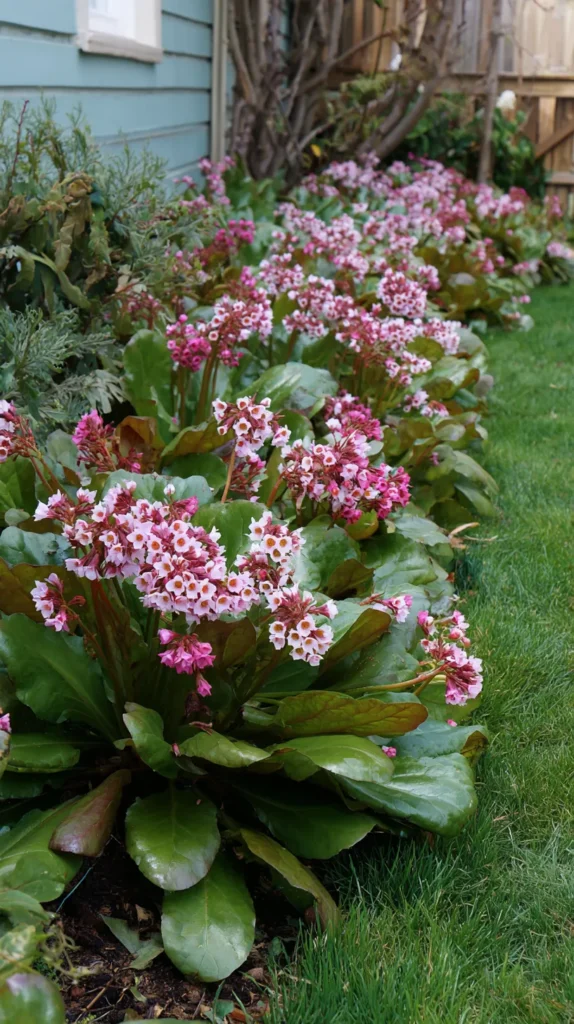
Often called elephant ears for its enormous, leathery leaves, bergenia is one of the most indestructible plants in cultivation. It tolerates clay, shade, drought, and cold with equal indifference, making it a genuine all-rounder for difficult sites.
The large leaves often flush deep red or bronze in winter, providing valuable colour when the garden is otherwise bare, and the clusters of bright pink flowers in early spring are a welcome sign of the season ahead. Bergenia requires virtually zero maintenance once established.
10. Lady’s Mantle (Alchemilla mollis)
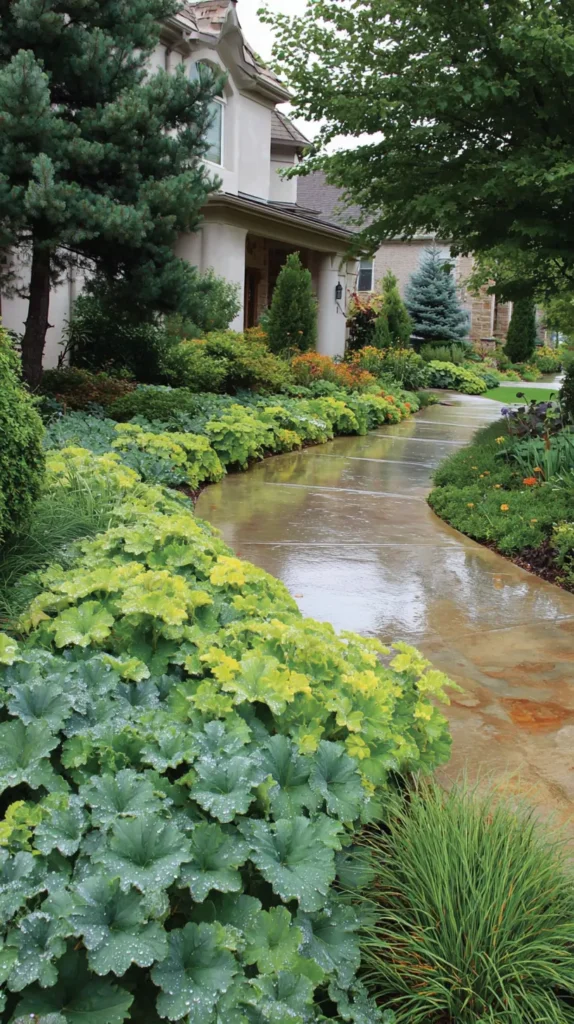
Lady’s mantle is a cottage garden classic that performs remarkably well in clay soils, especially those with a degree of moisture retention. The velvety, scalloped leaves are famous for collecting rainwater in perfect crystal droplets — a beautiful effect after morning dew or light rain. The frothy lime-yellow flowers, produced in abundance in early summer, make excellent cut flowers and dry beautifully. It self-seeds freely, so deadhead after flowering if you don’t want it spreading into every corner of the garden.
11. Lily of the Valley (Convallaria majalis)
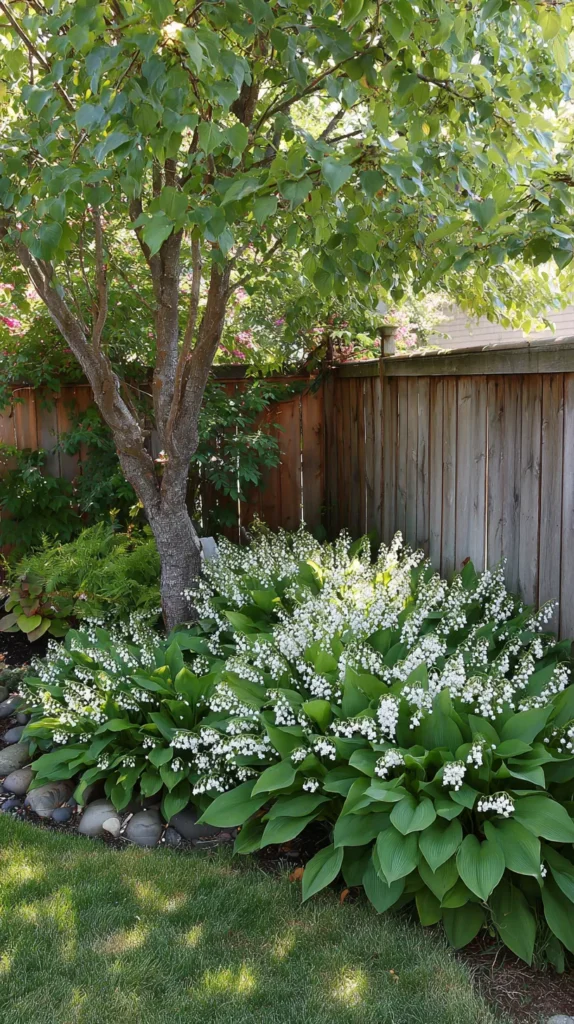
Few spring-flowering plants are as evocative as lily of the valley, with its nodding white bells and intoxicating fragrance. It spreads by rhizomes to form a solid, weed-suppressing carpet in shaded and semi-shaded areas, making it ideal beneath deciduous trees where clay is often at its most compact.
Once established, it is almost indestructible — tolerating drought, heavy shade, and poor drainage that would defeat more delicate plants. Note that all parts are toxic if ingested, so take care in gardens visited by children or pets.
12. Japanese Spurge (Pachysandra terminalis)
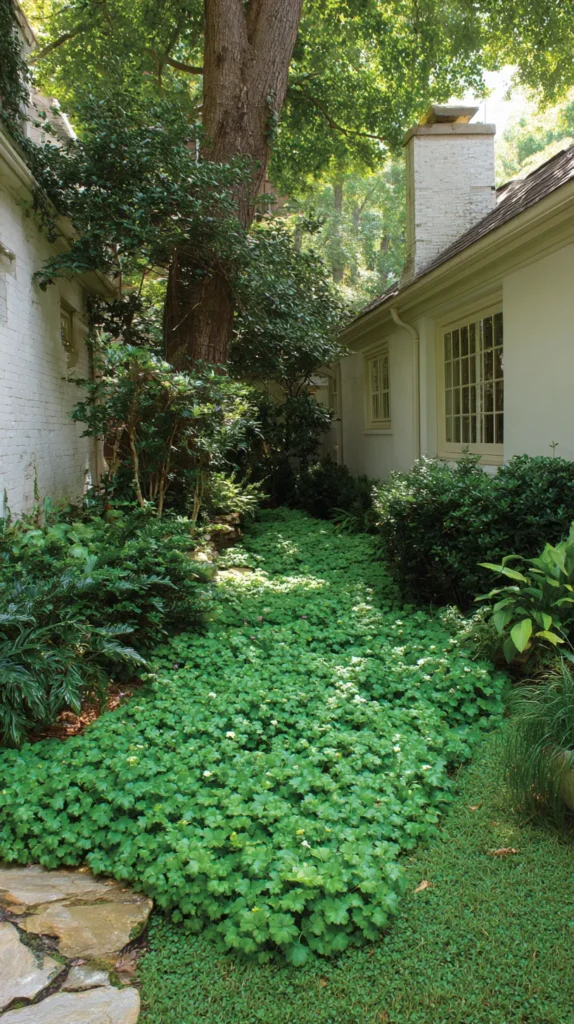
Pachysandra is one of the most popular evergreen ground covers for shaded clay gardens. Its glossy, toothed leaves form a dense, uniform layer that virtually eliminates weeds, and small white flowers appear in early spring.
It spreads slowly but surely by underground runners, eventually covering large areas without becoming aggressively invasive. Pachysandra is particularly effective under trees where competing roots and dry shade make growing anything else a challenge. The variegated form ‘Silver Edge’ adds a bright touch to darker corners.
13. Day Lily (Hemerocallis spp.)
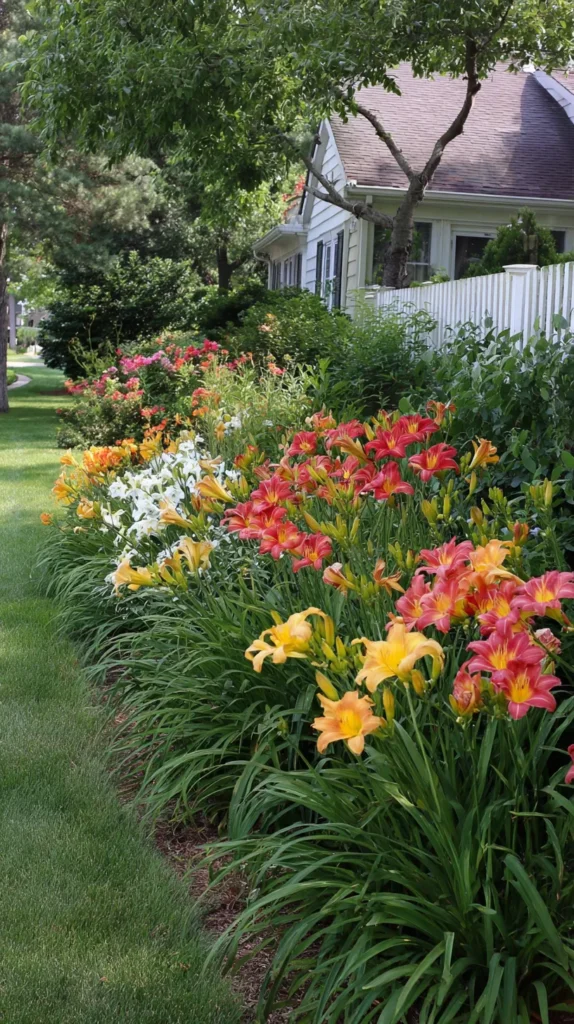
Day lilies are extraordinarily tough plants that cope well with clay, full sun, and even temporary flooding. Their strap-like foliage forms dense, spreading clumps that are highly effective at stabilising slopes and suppressing weeds, while the flowers — in every shade from pale yellow to deep burgundy — provide spectacular summer colour.
Unlike true lilies, day lilies are not toxic to dogs, though they are hazardous to cats. Divide clumps every three to four years to maintain vigour and increase coverage across difficult clay areas.
14. Creeping Phlox (Phlox subulata)
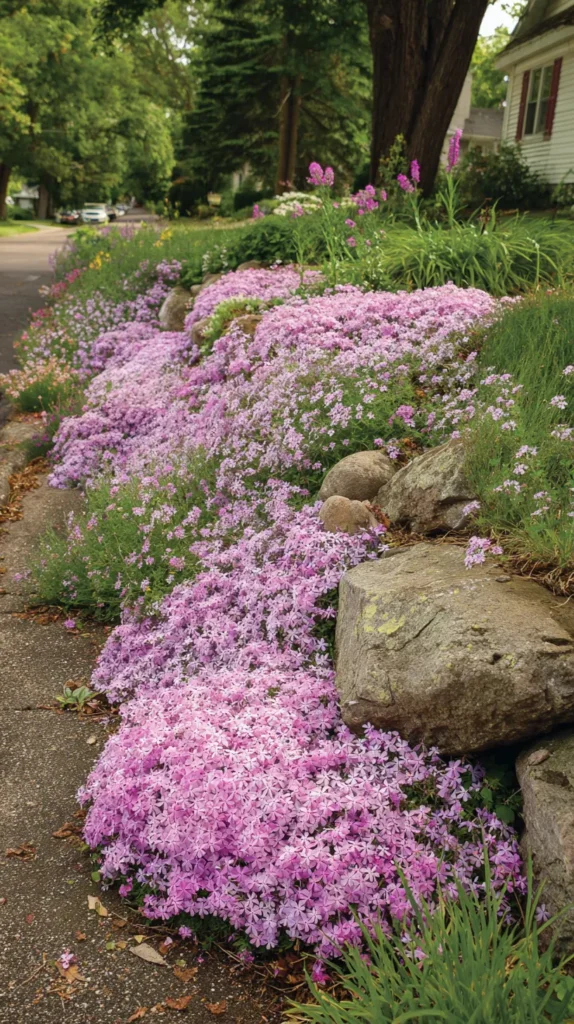
Creeping phlox offers something that few clay-tolerant ground covers can match: a breathtaking carpet of colour in spring. The needle-like, semi-evergreen foliage is almost entirely hidden beneath a profusion of pink, white, lavender, or magenta flowers in April and May, creating a display that stops people in their tracks. It performs best in well-drained conditions but handles clay soils amended with grit surprisingly well, and it tolerates cold winters down to Zone 3. Plant it at the top of a retaining wall or on a gentle slope where drainage is naturally improved.
Tips for Planting Ground Covers in Clay Soil
Even clay-tolerant plants benefit from a little preparation at planting time. Avoid digging over large areas — this can damage soil structure further.
Instead, plant into individually prepared holes, mixing in a small amount of grit and organic matter to improve drainage around each root ball. Water well after planting and mulch with composted bark or leaf mould to regulate moisture and temperature at the soil surface.
Autumn is generally the best time to plant ground covers in clay soils. The soil retains warmth from summer, which encourages root establishment before winter, while autumn rainfall reduces the need for supplemental watering. Spring planting also works well but may require more consistent irrigation through the first dry season.
Patience is essential. Most clay-tolerant ground covers take a full growing season to establish, and some — like pachysandra and lily of the valley — may appear to do very little in their first year. Resist the urge to intervene or replace plants too soon. By the second or third year, they will have rooted deeply and will begin the spreading, weed-suppressing work you planted them to do.