12 Summer Outdoor Lounge Ideas That Feel Like a Resort
12 Summer Outdoor Lounge Ideas That Feel Like a Resort
There is a version of summer outdoor living that most people experience only on holiday. The lounger in exactly the right position, the shade arriving at precisely the right time, the cold drink on a surface within reach without leaning, the particular combination of warm air and cool water and music at the right volume that makes two hours feel like twenty minutes and the afternoon feel like it was designed specifically for the person spending it.
Then the holiday ends and the return home produces a backyard or a terrace that, by comparison, feels like a place where summer happens to you rather than a place where you go to experience it.
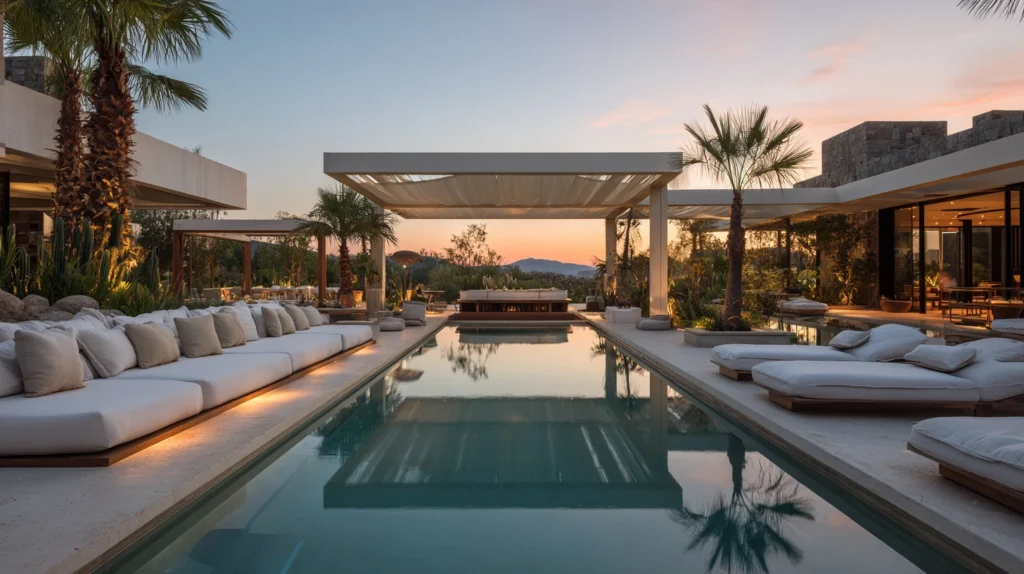
The gap between the holiday outdoor lounge and the home version is almost never about the budget. It is about the specific decisions that resort designers make consistently and that most homeowners never quite make: where the shade falls at three o’clock, what the lounger faces, where the drink goes when you are lying down, how the space is lit at eight in the evening when the best part of the day begins. These are details, but they are the details that determine whether the outdoor space is a space where summer is genuinely lived or a space where it is merely available.
Each idea below addresses one of those decisions. Each includes what you will need, what it will cost, and a practical tip to make it work as well as the resort experience it is reaching for.
1. The Daybed Zone
Budget: $150 – $800
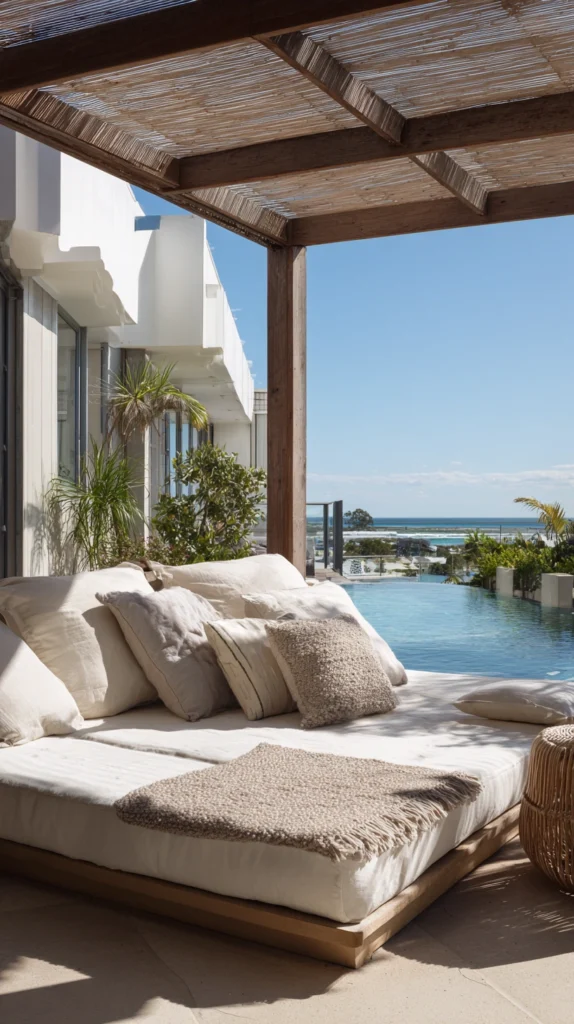
A proper outdoor daybed — wide enough to lie across rather than along, with a mattress of genuine thickness, positioned under a shade structure and facing the most interesting view the garden offers — is the single piece of outdoor furniture that most completely changes the quality of a summer afternoon. The width of a daybed is the critical specification: a daybed that requires a person to lie in a straight line along its length is a lounger; one wide enough to lie diagonally, to sit cross-legged, to accommodate two people without touching is a destination.
An outdoor daybed with a frame of powder-coated aluminium or teak costs $200–$600. A weatherproof foam mattress of at least 10 centimetres in thickness runs $80–$150. A canopy frame over the daybed — either integrated or freestanding — costs $80–$300. Position the daybed perpendicular to the sun’s path rather than parallel to it so the shade from the canopy falls across the full width of the lying surface rather than along one edge throughout the afternoon.
Style tip: Add a bolster cushion at each end of the daybed rather than only headboard cushions. A daybed with bolsters at both ends can be used from either direction — head at either end, feet toward the view or away from it — which doubles the functional versatility of the piece and allows repositioning for different times of day without moving the furniture.
2. The Poolside Umbrella Pair
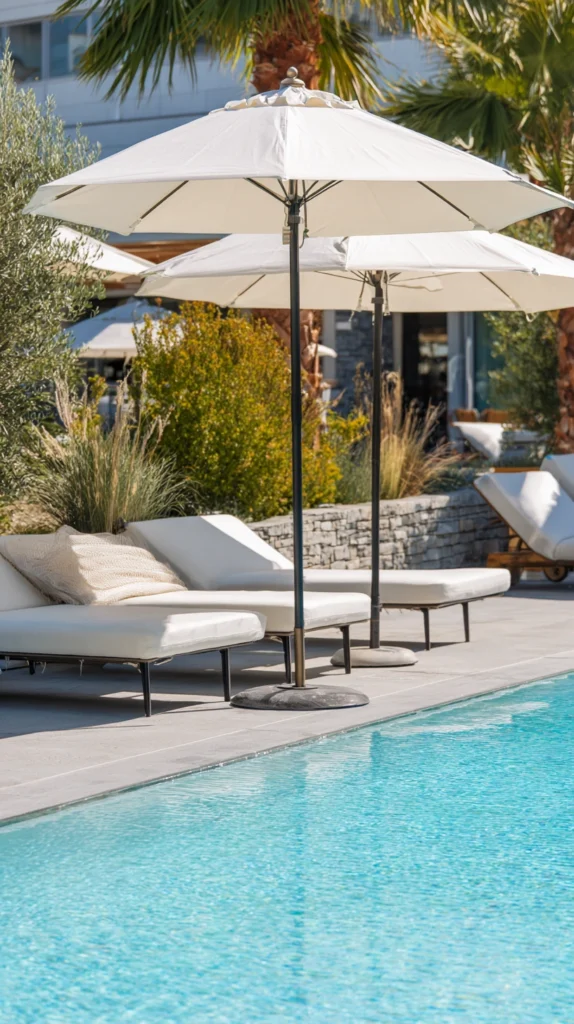
Budget: $100 – $600
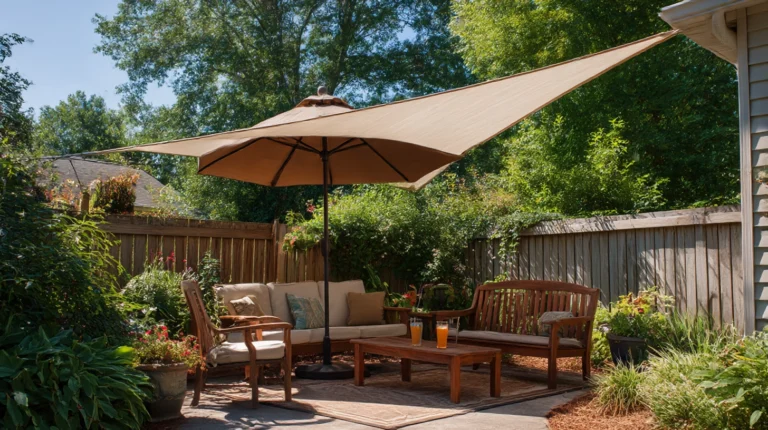
Two matching umbrellas positioned over two adjacent loungers — tilted at the same angle, in the same colour, at the same height — create the resort lounge effect more immediately than any other single purchase. The pairing and the matching are the design decisions: one umbrella is shade equipment; two identical ones positioned in a considered relationship to each other are lounge design.
A quality outdoor umbrella of 2.5 to 3 metres in diameter costs $80–$250 each. Weighted bases rated for at least 20 kilograms run $30–$80 each. The tilt mechanism is the functional specification that most affects the quality of the shade — a fixed umbrella provides shade only when the sun is directly overhead; a tilting one tracks the afternoon sun and keeps the shade on the lounger through the hours when it is most needed.
Style tip: Tilt both umbrellas toward the same compass direction — the direction of the afternoon sun — rather than tilting one toward the other in a symmetrical closing gesture. Two umbrellas tilted toward each other look like they are meeting; two tilted in the same direction look like they are tracking the sun, which is the functional reason for the tilt and the correct visual language for shade equipment that is genuinely in use.
3. The Outdoor Shower and Rinse Station
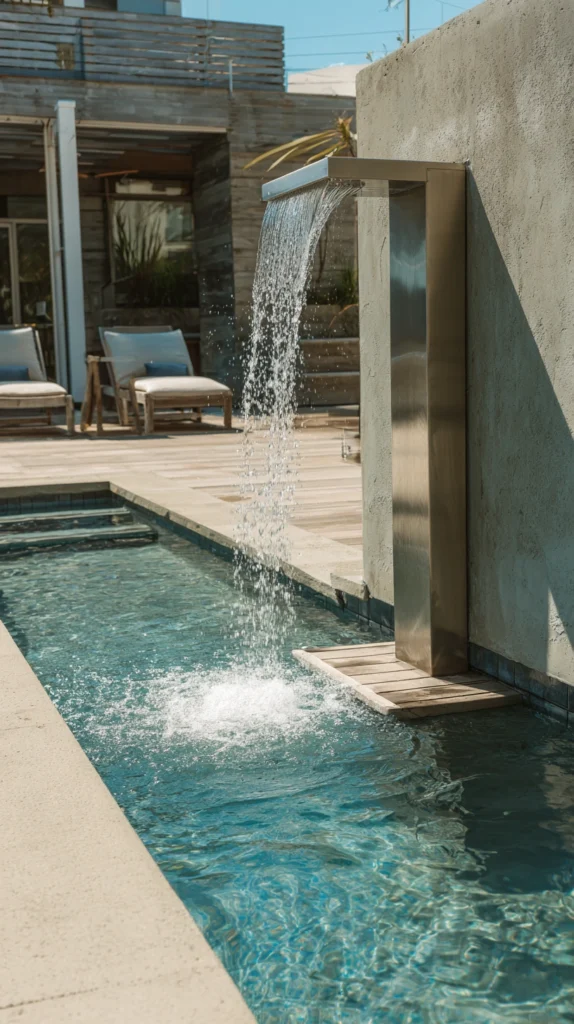
Budget: $60 – $400
An outdoor shower positioned at the edge of the lounge area — with good water pressure, a surface underfoot that does not become slippery, and a hook rail for towels within arm’s reach — changes the quality of the outdoor lounge from a place to lie in the sun to a place with the infrastructure of a resort. The outdoor shower makes the transition between active swimming or sunbathing and relaxed lounging a specific and pleasurable ritual rather than a logistical interruption.
A freestanding shower column with a mixer valve costs $150–$350. A simple wall-mounted shower head on a post with cold water supply runs $40–$100. Non-slip exterior decking tiles or a teak shower mat underfoot costs $20–$60. A hook rail for towels and robes beside the shower costs $15–$40. Plant something fragrant within reach of the shower — eucalyptus, lavender, rosemary — so the shower experience has a scent that the resort version always manages and the home version almost never does.
Style tip: Connect the shower drainage to a planted area rather than to a drain wherever the layout allows it. Shower water draining through a planted border waters the planting and eliminates the standing puddle that forms beside outdoor showers with no drainage direction, which is the one detail that makes an outdoor shower look domestic rather than resort-like.
4. The Lounge Bar and Refreshment Station
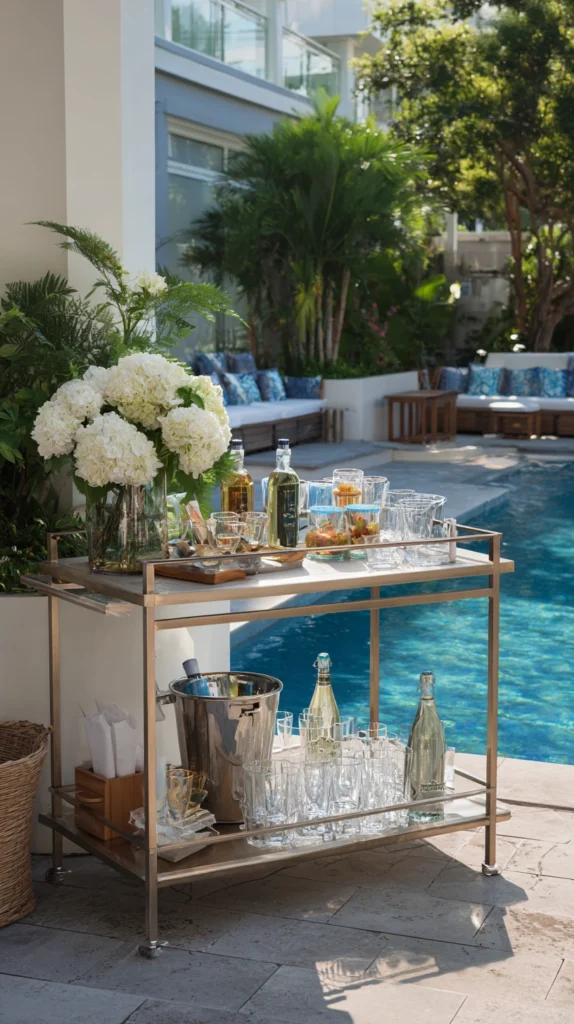
Budget: $50 – $300
A dedicated refreshment station at the outdoor lounge — a trolley, a bar cart, a built counter, or even a simple table — stocked before anyone sits down and positioned so that a cold drink is within reach from the lounger without standing up, is the detail that most directly improves the quality of time spent outside. The resort outdoor lounge eliminates the need to go inside; the home version recreates that elimination in a specific and practical way.
A weatherproof bar cart costs $60–$150. A countertop ice bucket runs $20–$40. A small outdoor refrigerator costs $150–$400. A simple tray table with a cooler bag costs $20–$50. The refreshment station needs to be stocked before the lounge session begins rather than during it — a drinks station that is visited to be stocked when someone is already thirsty is a station that has not been set up in advance, and the difference between the two is the difference between a resort experience and a domestic one.
Style tip: Include a small bowl of snacks on the refreshment station alongside the drinks — almonds, olives, fruit, whatever suits the afternoon — rather than providing drinks alone. The presence of food on the station without it being asked for is the resort detail that communicates the most care per unit of effort, and it costs $5–$10 and thirty seconds of preparation.
5. The Shade Sail Architecture
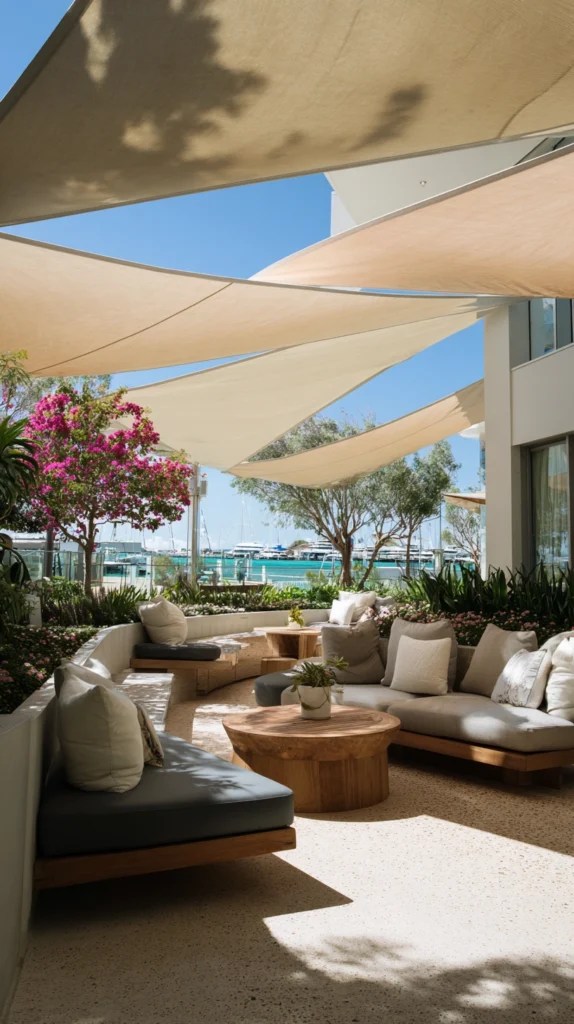
Budget: $80 – $400
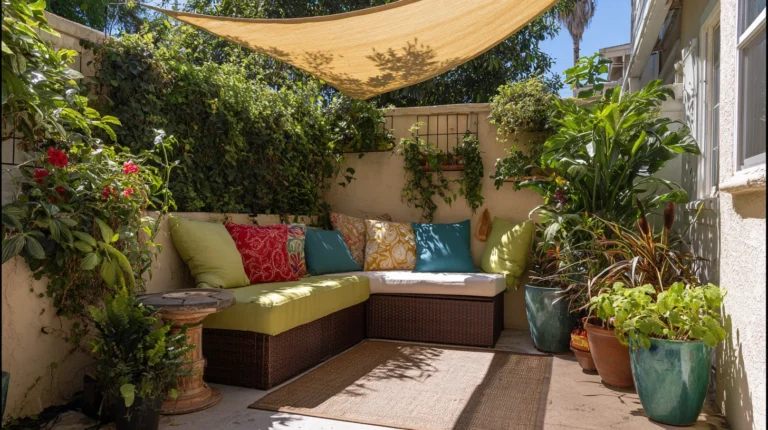
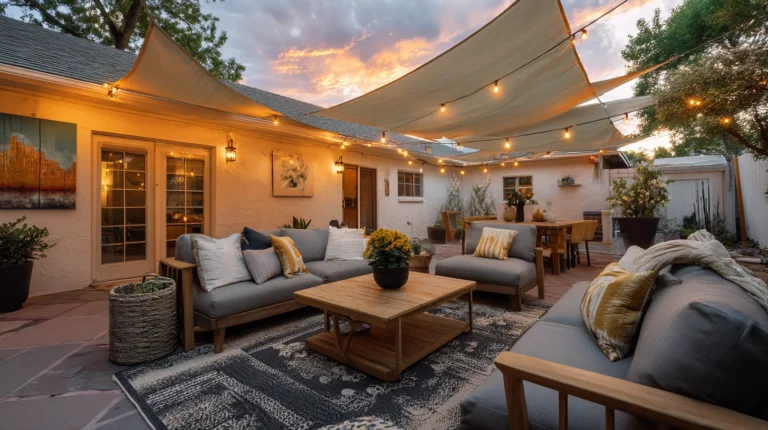
A system of two or three shade sails at different heights and angles — rather than a single horizontal sail — creates the architectural quality of a resort shade structure without the cost or the permanence of a built pergola. The layered sail system produces dappled shade at multiple levels, creates visual interest overhead, and moves in a breeze in a way that a single flat sail does not.
Triangular shade sails of 3.6 metres per side cost $30–$80 each. Complete hardware for a two-sail system — D-rings, turnbuckles, and anchor bolts — runs $40–$80. Install the higher sail first, assess the shade coverage and the visual effect, then install the second sail to fill the gaps the first leaves. The two-sail approach allows each sail to be angled in a different direction, which produces a more dynamic overhead composition and better all-day shade coverage than two parallel horizontal sails.
Style tip: Choose sails in two slightly different tones of the same colour rather than identical colours — one in charcoal and one in dark grey, for example, or one in natural and one in pale stone. The tonal variation between overlapping sails creates depth overhead that identical colours flatten, and the layered tones read as a designed composition rather than a repeated element.
6. The Outdoor Sound System
Budget: $40 – $300
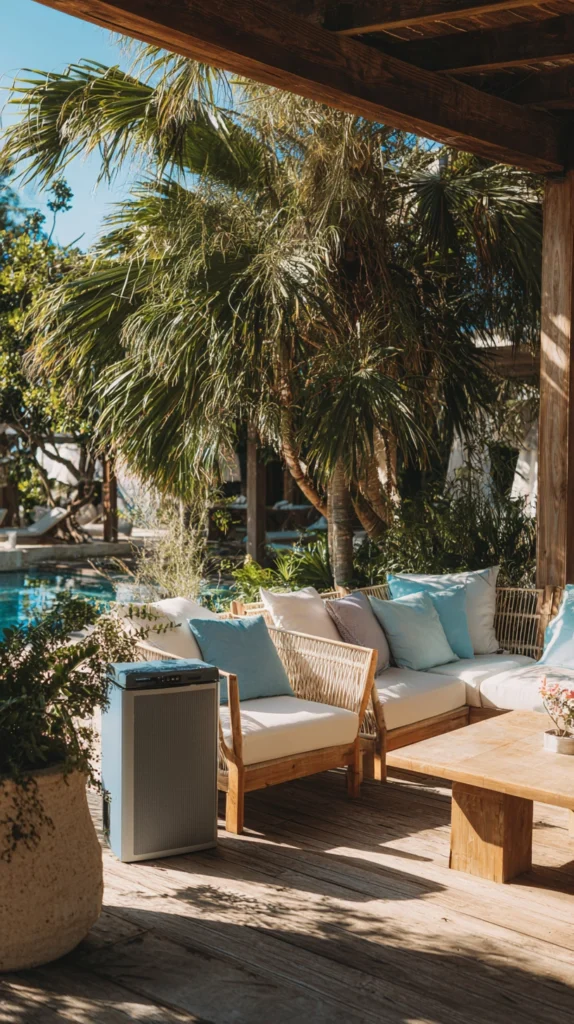
A weatherproof outdoor speaker — positioned at the corner of the lounge area rather than at its centre, producing sound that fills the space from one side rather than from directly above — is the element of the resort outdoor lounge most consistently absent from the home version and most consistently present in the resort version. Music at the right volume from the right position is not a luxury addition to an outdoor lounge; it is the acoustic environment that determines whether the space feels like a resort or a backyard.
A quality weatherproof Bluetooth speaker costs $40–$120. Permanently installed outdoor speakers in weatherproof enclosures run $80–$200 for a pair. A wall-mounted outdoor speaker on a covered pergola provides the best sound coverage for a fixed lounge area. Set the volume so conversation is comfortable without raising the voice — the resort outdoor lounge uses music to fill the silence beneath conversation, not to provide entertainment above it.
Style tip: Create a summer outdoor playlist in advance rather than selecting music in real time from a lounger. The specific act of choosing the next track from a horizontal position with wet hands is the activity that most reliably breaks the resort atmosphere, and a playlist prepared before the afternoon begins allows the music to continue without interruption for as long as the afternoon lasts.
7. The Towel and Robe Station
Budget: $30 – $150
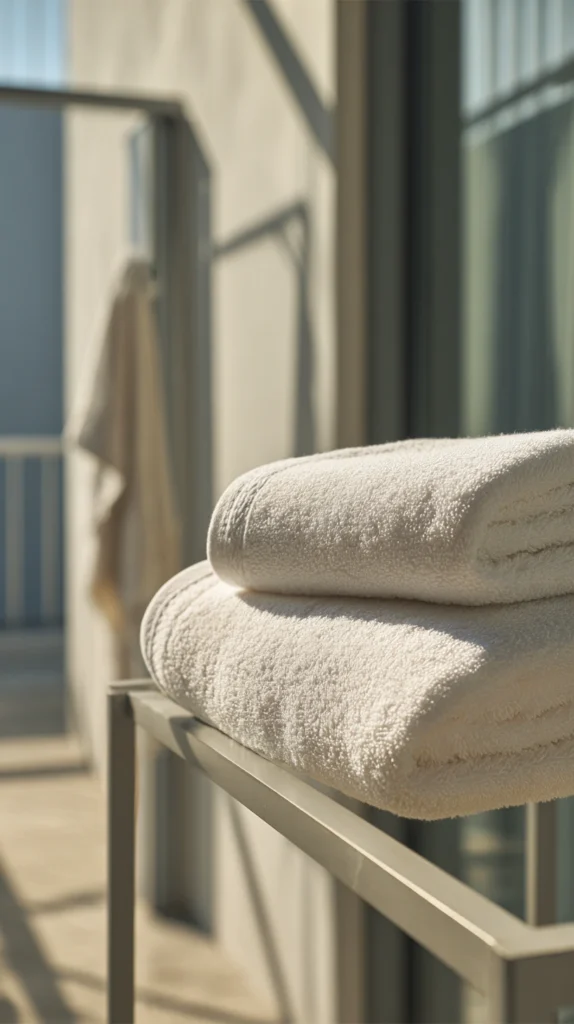
A freestanding towel rack or a wall-mounted hook rail beside the outdoor lounge — with fresh towels folded in the resort style and robes hanging ready — creates the serviced quality of a hotel pool environment in the specific domestic context where that quality is most missed. The towel station communicates that the outdoor lounge was set up for use rather than left for whoever happens to be outside.
A freestanding outdoor towel rack in stainless steel or powder-coated aluminium costs $40–$100. A wall-mounted hook rail runs $15–$50. Quality cotton bath towels in white or a consistent colour cost $20–$50 each. Fold towels in the hotel fold — in thirds lengthways, then in thirds widthways — and stack or hang them before the lounge area is used. A towel that is already folded and in position before anyone asks for it is a resort detail; one produced from a drawer when requested is a domestic one.
Style tip: Include at least one warm towel in the towel station — warmed in the tumble dryer for fifteen minutes before the outdoor lounge session begins — among the cooler ones. A warm towel reached for after leaving cool water on a summer afternoon is a sensory experience that costs thirty minutes of forethought and produces an impression of care that nothing else in the outdoor lounge quite replicates.
8. The Floating Lounger Pool Setup
Budget: $80 – $400
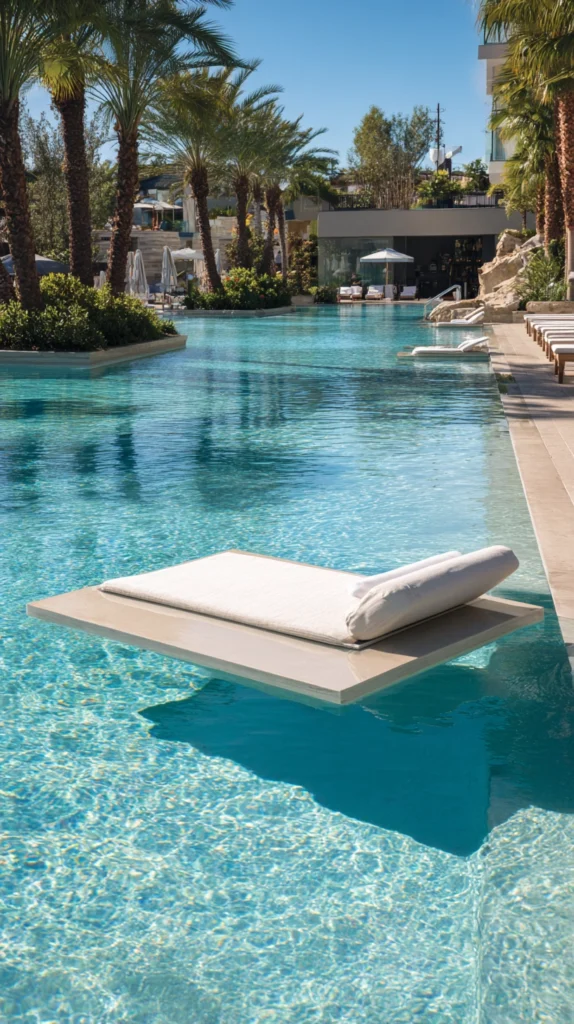
A high-quality inflatable pool lounger — one that is actually buoyant rather than merely floating, that holds a lying position without deflating under body weight within twenty minutes, that has a cup holder and a headrest — transforms the pool from a swimming facility into a lounge environment. The floating lounger brings the resort quality of horizontal leisure directly into the water and extends the pool experience from active to passive in the specific way that summer afternoons call for.
A quality inflatable pool lounger costs $30–$80. A rigid floating sun bed in polymer runs $150–$400 and lasts considerably longer than the inflatable version under regular use. A floating drinks holder — a small inflatable tray that sits on the water surface beside the lounger — costs $10–$20 and is the specific accessory that makes the floating lounger genuinely resort-quality rather than simply buoyant.
Style tip: Inflate the pool lounger fully rather than to the slightly under-inflated state that most inflatable products arrive at from the box. A fully inflated lounger holds its shape and its buoyancy through a full afternoon; an under-inflated one develops the slow sag that ends in a wet back and an abandoned float within an hour. The extra minute of inflation at the beginning of the afternoon is the investment that determines whether the floating lounger is used for one hour or for five.
9. The Lantern and Candle Evening Setup
Budget: $40 – $200
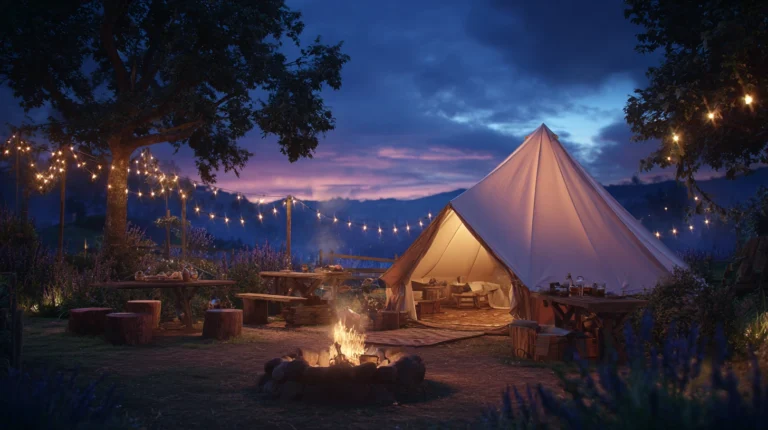
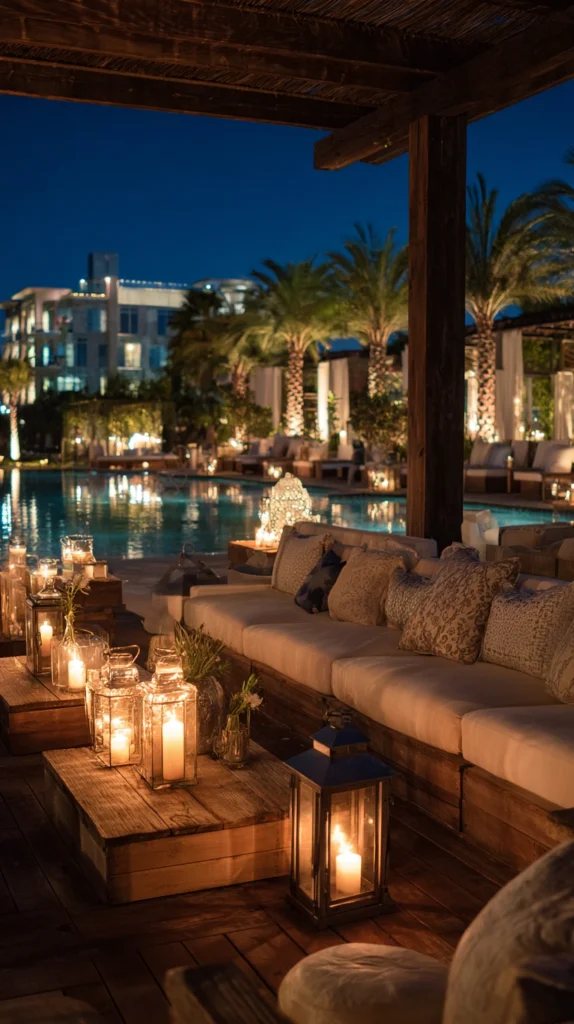
An outdoor lounge that is genuinely beautiful in the evening — with warm lanterns at the perimeter, candles on the side tables, underwater pool lights set to warm white, and overhead festoon lights on a dimmer — extends the resort quality of the space from the afternoon into the evening hours when the outdoor lounge is at its best and most atmospherically lit. The evening setup is not a separate project from the daytime lounge; it is the second act of the same space.
Floor lanterns at the lounge perimeter cost $10–$25 each. Pillar candles for the side tables run $5–$15 each. Festoon lights overhead cost $20–$60 for a 5-metre string. Waterproof LED strip lights for the pool edge run $15–$40 per reel. Set all permanent lights to activate on a single timer or smart switch at dusk rather than requiring individual activation — a lighting plan that requires separate action for each element is a lighting plan that is never fully activated on any given evening.
Style tip: Set the pool light to warm white in the evening rather than the colour-changing mode that most pool lighting systems default to. Colour-changing pool lights in purple, green, and blue create a nightclub quality that the resort outdoor lounge is specifically not trying to achieve; warm white underwater lighting that makes the pool surface glow like a lamp creates the calm, atmospheric quality that resort evening pool environments consistently produce.
10. The Fragrant Plant Border
Budget: $30 – $120
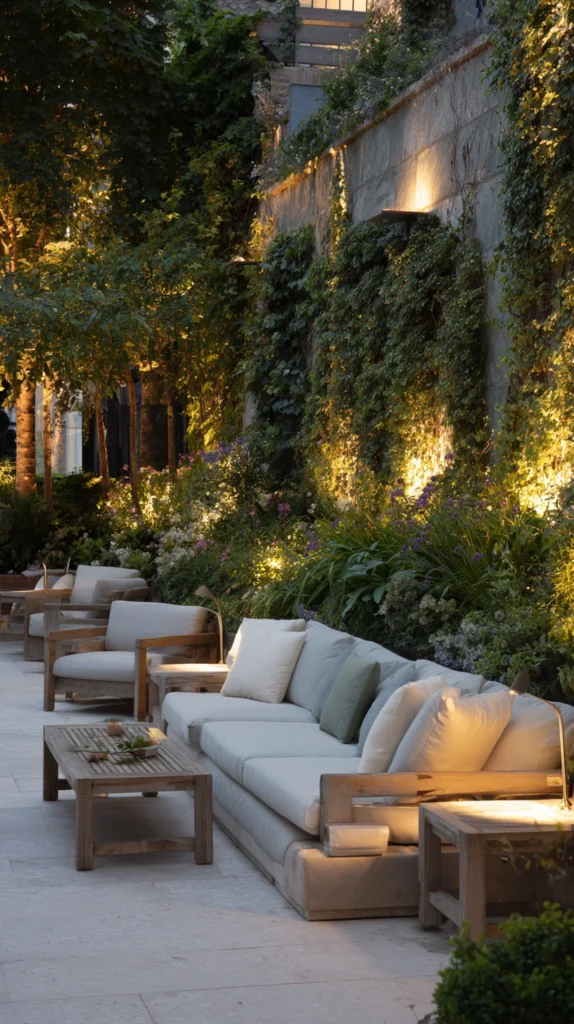
A border of fragrant plants along the edge of the outdoor lounge area — lavender, gardenia, jasmine, frangipani where the climate allows — gives the resort outdoor lounge its olfactory dimension in the same way that good resorts use signature scent in their public spaces. The outdoor lounge that smells of something specific — of jasmine in the early evening, of lavender in the afternoon sun — is an outdoor lounge that is experienced rather than simply occupied.
Lavender plants cost $4–$8 each. Gardenia in a pot runs $15–$40. Jasmine in a 3-litre pot costs $8–$20. Frangipani in a container runs $20–$60 in climates where it can survive outdoors. Position the fragrant plants on the side of the lounge area that the prevailing breeze crosses first — a fragrant plant upwind of a seating area delivers its fragrance to everyone in it; the same plant downwind delivers it nowhere.
Style tip: Choose fragrant plants that perform at different times of day so the lounge area is scented across the full afternoon and evening rather than only at one time. Lavender and rosemary are strongest in afternoon sun; jasmine and night-scented stock release their fragrance in the evening. The combination of a daytime-fragrant plant and an evening-fragrant one means the outdoor lounge is scented from the first afternoon hour to the last evening one.
11. The Cabana Structure
Budget: $300 – $2,000
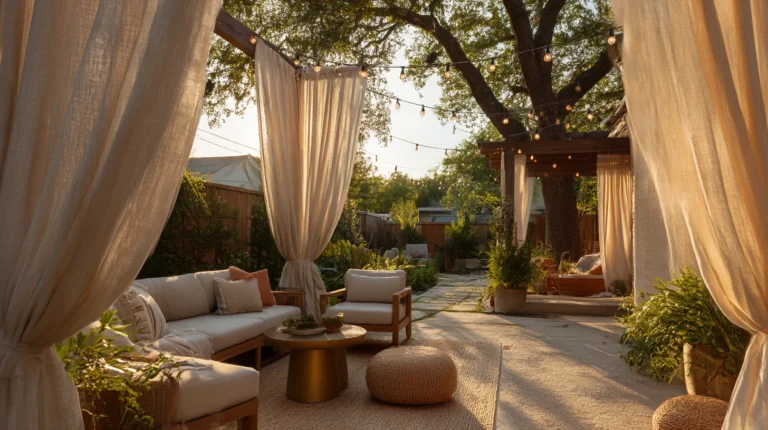
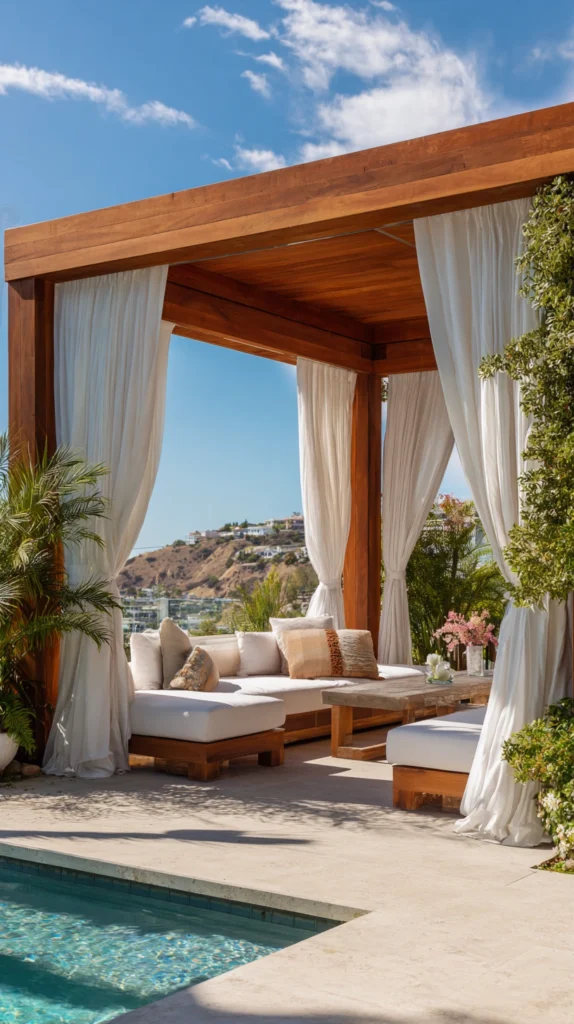
A purpose-built cabana — a covered structure with curtained sides at the edge of the pool or the primary lounge area — is the most architecturally complete outdoor lounge element on this list and the one that most directly produces the resort quality in the backyard rather than approximating it. A cabana is simultaneously a shade structure, a changing area, a social space, a visual focal point, and the signal that the outdoor lounge was designed rather than assembled.
A timber cabana of 3 by 3 metres built from cedar or hardwood costs $800–$2,000. A metal-framed version with canvas walls runs $300–$800. A sail shade combined with freestanding curtain panels creates a functional cabana for $150–$400. The furnishing of the cabana is the transformation — the bare structure reads as a construction; the same structure with a daybed, an outdoor rug, two side tables, and curtain panels that move in the breeze reads as a resort room.
Style tip: Orient the cabana so its open front faces the pool or the view rather than the house. A cabana that opens toward the pool makes the pool the view from within the cabana — which is the resort quality of being sheltered while overlooking the water. A cabana that faces the house makes the house the view, which is the domestic quality that the outdoor lounge is specifically designed to leave behind.
12. The Morning Setup Ritual
Budget: $0 – $30
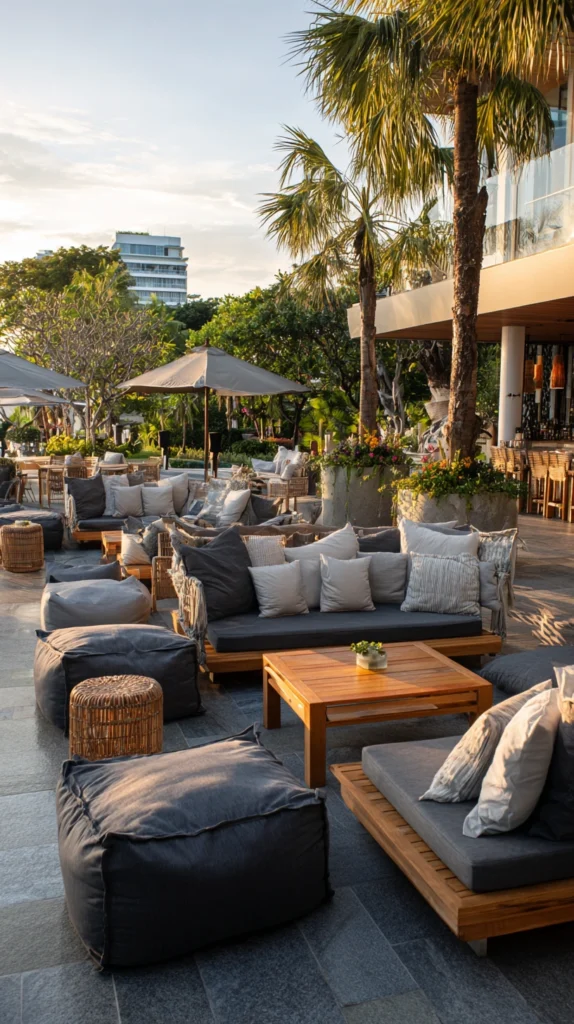
The resort outdoor lounge is ready before the first guest arrives — the towels are folded, the drinks are cold, the umbrellas are positioned, the candles are placed if the evening will be long enough to require them. The morning setup ritual — the fifteen minutes each day that prepares the outdoor lounge for the day’s use before anyone goes outside — is the practice that makes the resort quality sustainable rather than occasional.
The morning setup costs nothing beyond the time it takes. Replenish the drinks station, replace spent candles, refold the towels, check the umbrella position against the sun’s afternoon arc, fill the water feature if the level has dropped, clear any debris from the lounge surfaces. The fifteen-minute morning ritual is the maintenance practice that determines whether the outdoor lounge is a resort every day or a resort on the days when it was specifically prepared for a gathering.
Style tip: Prepare the evening lighting setup in the morning rather than in the evening — place the candles, check the lanterns, set the outdoor lights to their evening timer — so that the transition from afternoon to evening in the outdoor lounge happens automatically rather than requiring action at the moment when the afternoon is at its most pleasant and any task feels like an interruption. The resort quality is not in the grand gestures but in the consistency of small preparations made in advance of being needed.
The outdoor lounge that feels like a resort is not the one with the most equipment or the most elaborate structure — it is the one where every element was placed with the specific purpose of making time outside genuinely better than time inside, where the shade arrives before the discomfort, where the drink is cold before the thirst, where the music is already playing when the chair is taken.
The resort quality is a standard of anticipation applied to an outdoor space rather than a collection of luxury objects arranged in it, and that standard costs less and matters more than any single purchase on this list.