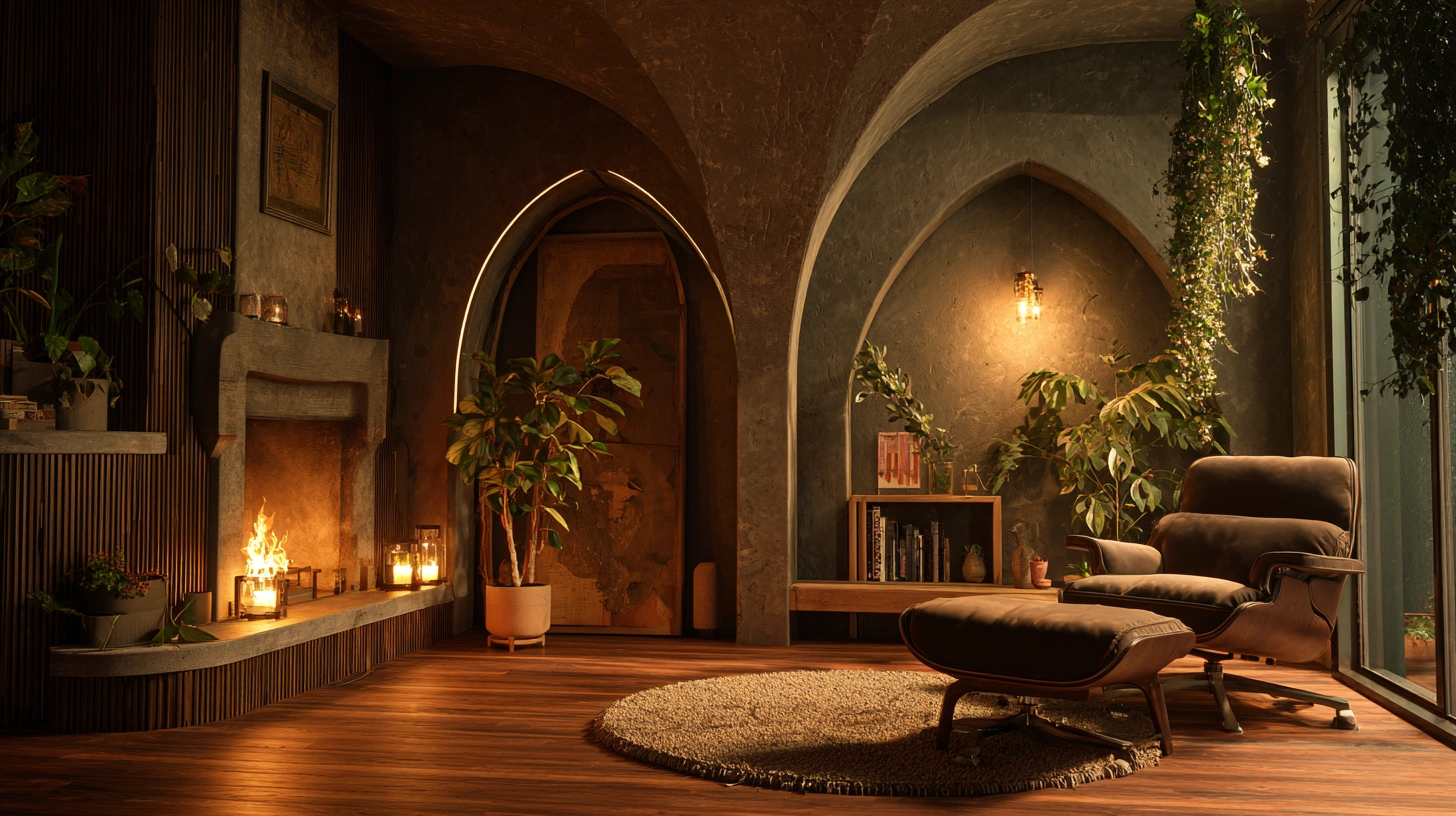
Step Inside the Shire: 15 Hobbitcore Decor Ideas for the Cosiest Home You Will Ever Live In
Step Inside the Shire: 15 Hobbitcore Decor Ideas for the Cosiest Home You Will Ever Live In
There is a reason that the first description of Bag End has never stopped making people wish they lived there. A round green door. Panelled walls. Deep armchairs. The smell of something good on the stove and the particular warmth of a home that exists entirely for the comfort of the person inside it. Tolkien did not describe a house. He described a feeling — and that feeling has a name now: hobbitcore.
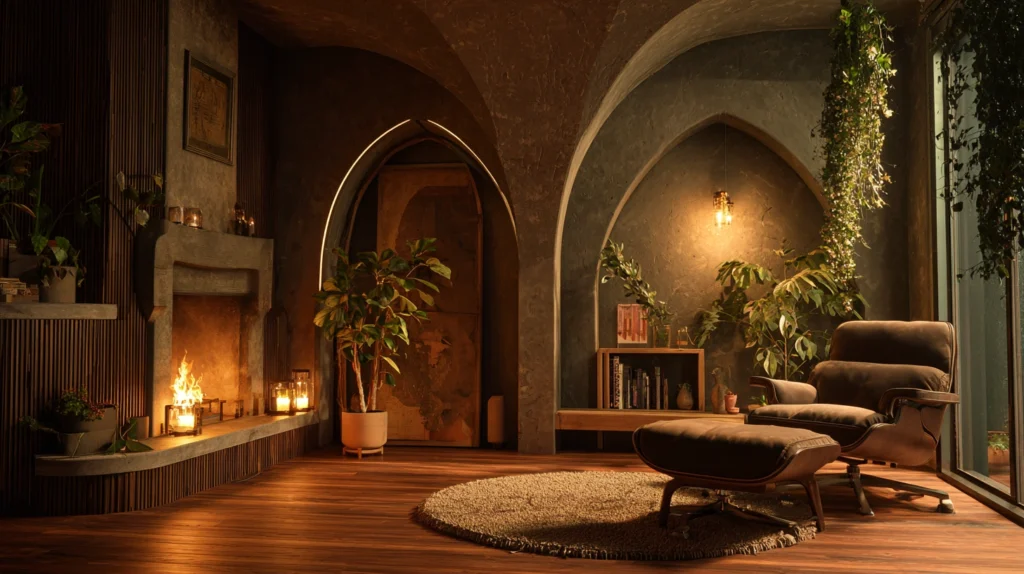
Hobbitcore is not a trend. It is a philosophy of domestic life that prioritises warmth over style, comfort over curation, and the deep pleasure of a home that looks as though it has been lived in for generations rather than assembled from a mood board last Tuesday.
The fifteen ideas below translate that philosophy into real, achievable decor decisions for a real home. Each one covers what you will need, what it will cost, and a practical tip to make it work in a space that might not have a round door but can absolutely have everything else.
1. The Round Door Moment

Budget: $200 – $2000
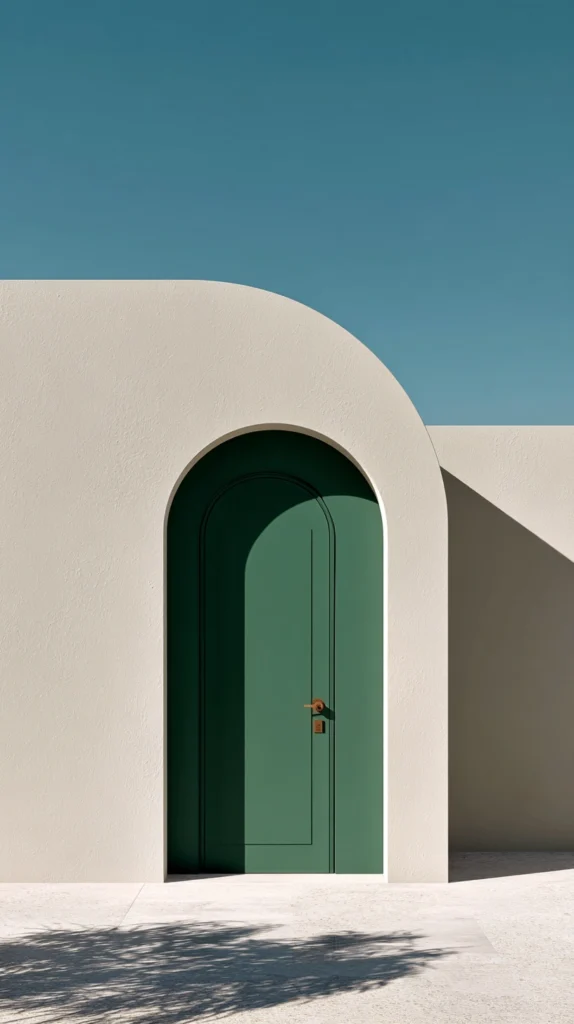
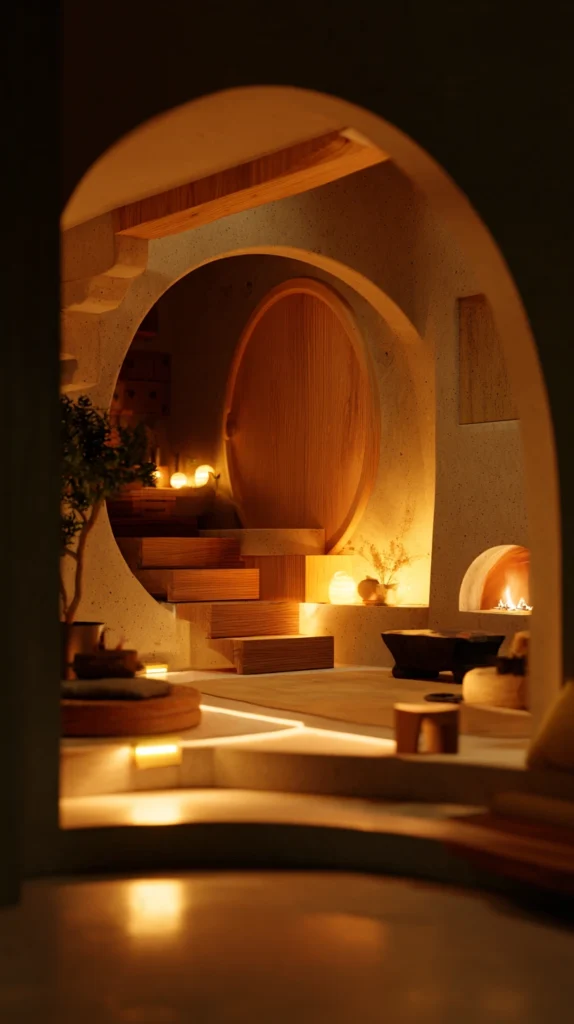
Nothing communicates hobbitcore more immediately than a round door — or the suggestion of one. A genuine circular door is an architectural project. A painted arch, a circular mirror beside the entrance, or a rounded doorframe achieved with flexible architrave achieves the visual impression for a fraction of the cost.
A painted arch in a deep earthy green around an existing rectangular door — using painter’s tape and one small pot of exterior paint — costs $15 – $30 in materials and takes an afternoon. A large circular mirror mounted beside the door frame — $40 – $150 — adds the rounded reference without touching the architecture at all.
Decor tip: Paint the existing front door in a deep forest green, warm brown, or mossy olive rather than attempting a structural circular conversion. The colour does more work than the shape in communicating the hobbit aesthetic, and a beautifully painted door in the right tone reads as Shire-adjacent from across the street.
2. The Panelled Walls
Budget: $100 – $800
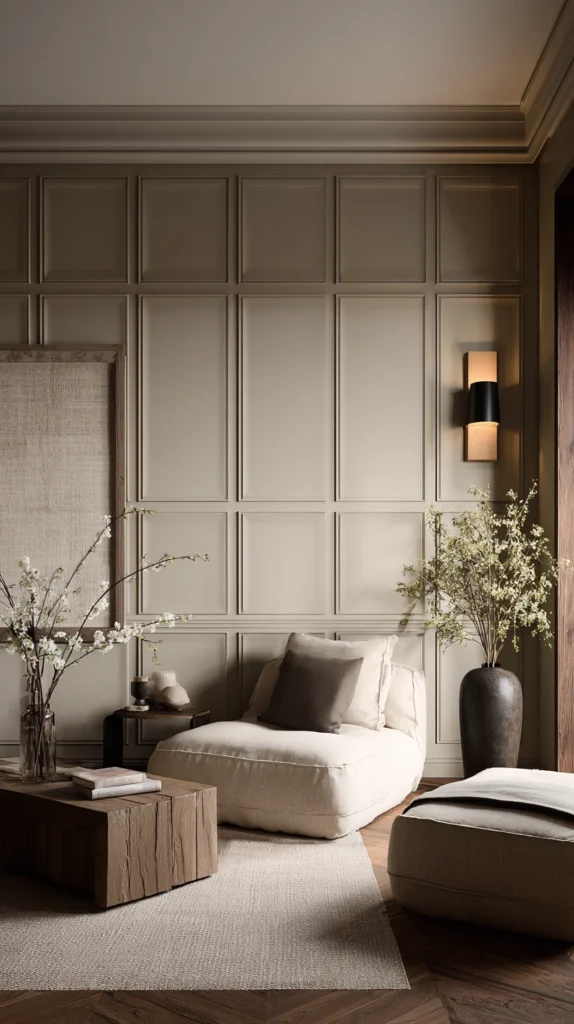
The interior walls of Bag End are panelled — warm timber, close-fitted, creating the enveloping quality of a burrow rather than the open exposure of a modern room. Panelling achieves this same quality in any room it is applied to, making walls feel intentional, warm, and solidly built rather than simply plastered and painted.
MDF tongue-and-groove panelling installed to dado height costs $50 – $200 in materials for a standard room. Full-height panelling runs $150 – $500. Painted in a warm cream, a deep earthy green, or a wood-toned brown — $20 – $50 in paint — the panelled wall reads immediately as something from a story rather than a renovation catalogue.
Decor tip: Install panelling to three-quarter height rather than full height if the room has low ceilings. Full-height panelling in a low-ceilinged room can feel enclosed in a way that reads as oppressive rather than cosy. Three-quarter panelling with a painted wall above it achieves the hobbit warmth without sacrificing the room’s sense of height.
3. The Deep Armchair by the Fire
Budget: $200 – $1500
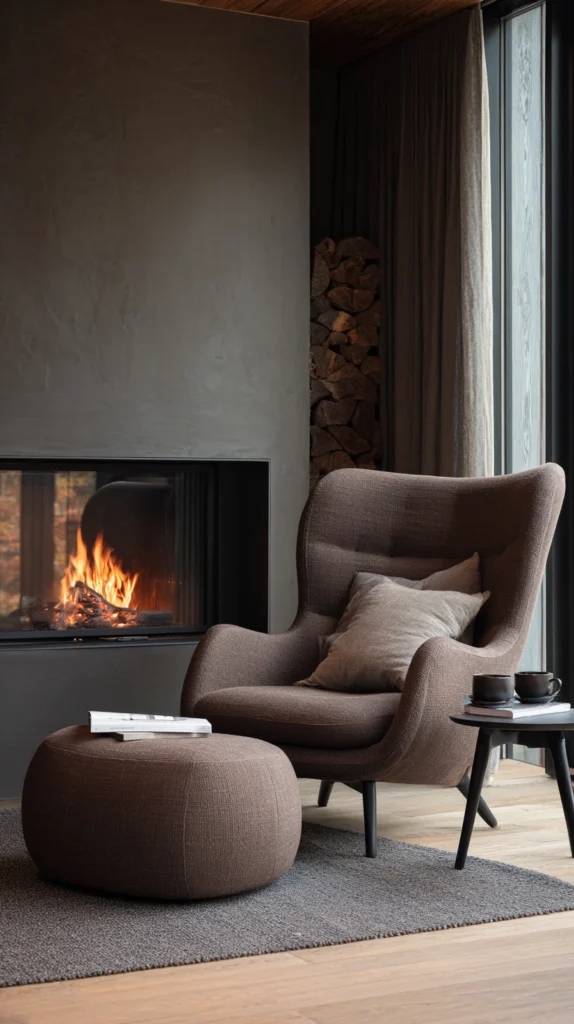
Every hobbit home has a chair that is so deeply comfortable, so thoroughly suited to its occupant, that sitting in it for two hours feels like sitting in it for twenty minutes. It is wide, it is soft, it has arms you can actually rest your arms on, and it is positioned close enough to the fire — or the candles, or the lamp — to read by without straining.
A deep, generously proportioned armchair in a warm fabric — wool, bouclé, or a worn-looking leather — costs $200 – $800. A matching footstool — $80 – $200 — is not optional in the hobbitcore home. A side table at the correct height for a cup of tea — $30 – $80 — completes the reading corner that this chair anchors.
Decor tip: Choose upholstery in a colour drawn from the earth — warm brown, deep rust, forest green, or heathered grey — rather than a pale neutral. A deep armchair in a pale colour reads as contemporary. The same chair in a deep, earthy tone reads as though it has been in the family for forty years, which is precisely the quality the hobbitcore aesthetic is working toward.
4. The Stone or Brick Fireplace
Budget: $100 – $5000
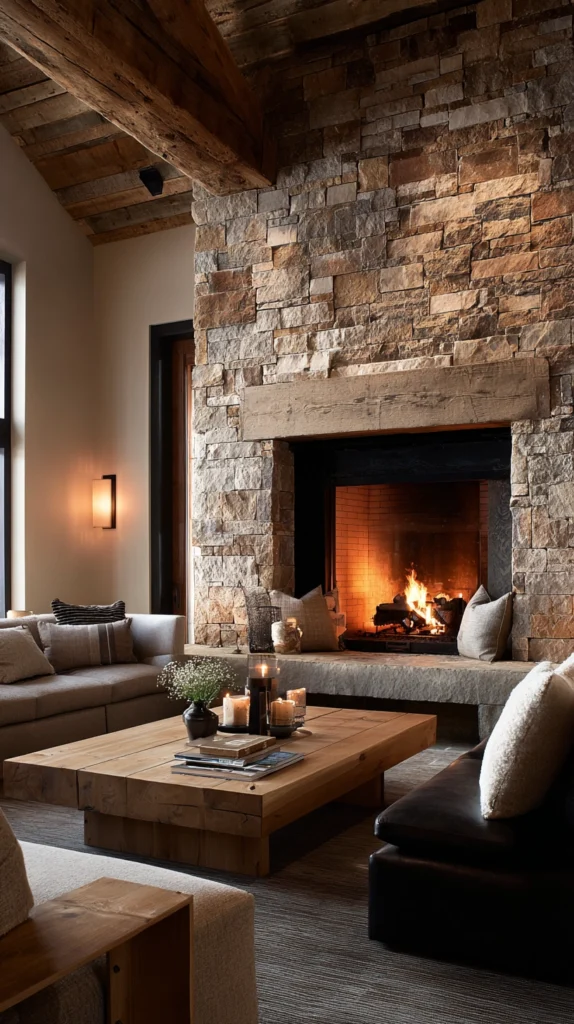
A fireplace is not a decorative element in the hobbitcore home. It is the room’s reason for existing — the source of warmth, light, and the particular comfort of watching something burn while the world outside does whatever it likes. A real fire is ideal. A convincing alternative is entirely acceptable.
A stone effect fireplace surround in a lightweight composite — $150 – $500 — achieves the visual quality of genuine stone at a fraction of the weight and installation complexity. A cast iron log burner insert — $500 – $2000 installed — is the most authentic single investment a hobbitcore room can make. An electric log burner with a realistic flame effect — $100 – $400 — serves the visual and atmospheric purpose in rooms where real fire is not possible.
Decor tip: Fill the fireplace hearth with real logs — stacked in a generous pile, not arranged in a sparse architectural pattern — regardless of whether the fire is functional. A hearth stacked with real birch or oak logs in varying thicknesses looks like a home that uses its fire. A hearth with three decorative logs arranged symmetrically looks like a showroom.
5. The Curved and Arched Interior Details
Budget: $50 – $500
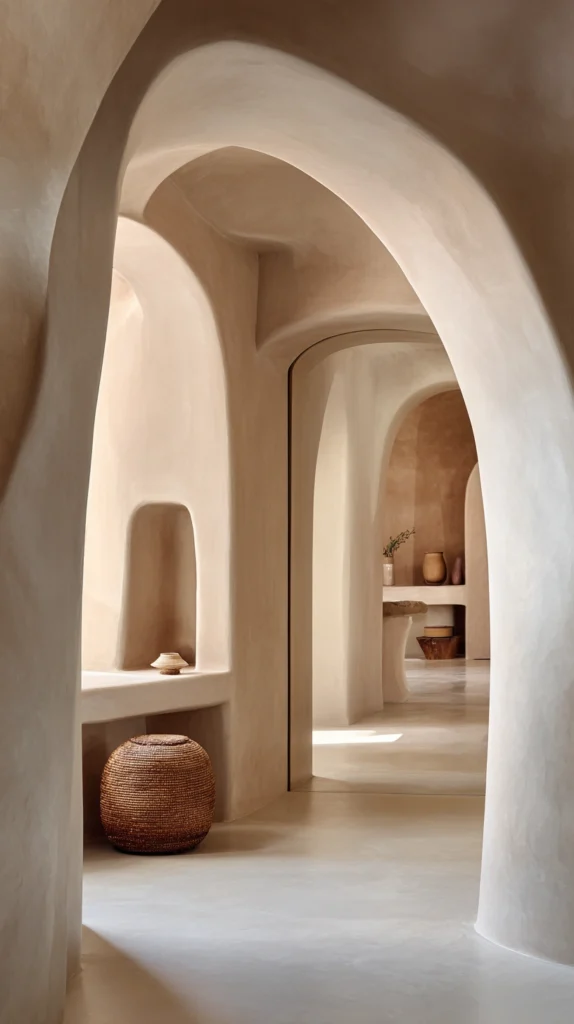
Hobbit architecture avoids straight lines and sharp corners where possible. The round door is the most famous example, but the curved sensibility extends throughout the interior — arched doorways, rounded shelves, curved hearth surrounds, and the general preference for organic shapes over geometric precision.
Flexible architrave — $20 – $50 for a length sufficient for one doorway — allows existing rectangular door frames to be given a curved top with modest carpentry skill. Rounded corner shelving brackets — $15 – $40 per set — replace standard square shelving with something that reads as organically shaped. A painted arch detail above a doorway, a window, or an alcove costs nothing beyond the paint and tape already used elsewhere in the room.
Decor tip: Apply the curved detail principle to the most visible architectural transition in the room — the main doorway or the fireplace surround — rather than attempting to round every corner simultaneously. One well-executed curved detail reads as architectural intention. Curved details everywhere that have been applied without structural justification read as a theme rather than a design principle.
6. The Hobbit Pantry and Kitchen Aesthetic
Budget: $60 – $600
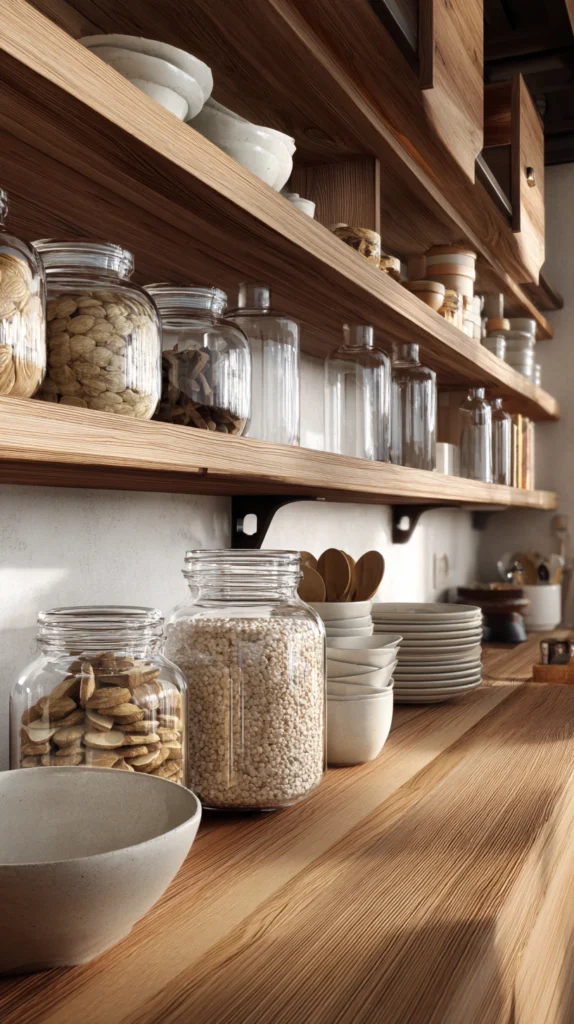
Hobbits eat — enthusiastically, frequently, and with genuine pleasure — and the hobbit kitchen reflects this. Open shelving stocked with preserves and dried goods in glass jars, a ceramic crock of wooden spoons, bundles of dried herbs hanging from the ceiling, a large wooden chopping board, and the warm smell of something baking. It is a kitchen that looks like it is used because it is used.
Open timber shelving costs $30 – $80 per shelf installed. Glass storage jars in graduated sizes — $15 – $40 for a set — display the contents of the pantry rather than hiding them. A set of mismatched ceramic bowls in warm earthen tones — $20 – $60 — sit on the open shelf beside the stacked glass jars. Dried herb bundles hung from a ceiling hook — $5 – $15 each — are both functional and the most authentically medieval-domestic decorative element available.
Decor tip: Stock the open pantry shelves with things that are actually used rather than display ingredients purchased specifically for their aesthetic quality. A jar of dried lentils that has been on a shelf for three years without being opened is not a pantry. It is a prop. The hobbit pantry is stocked with things eaten regularly, replenished as they run low, and genuinely consulted when planning the second breakfast.
7. The Warm Timber Everywhere
Budget: $50 – $2000
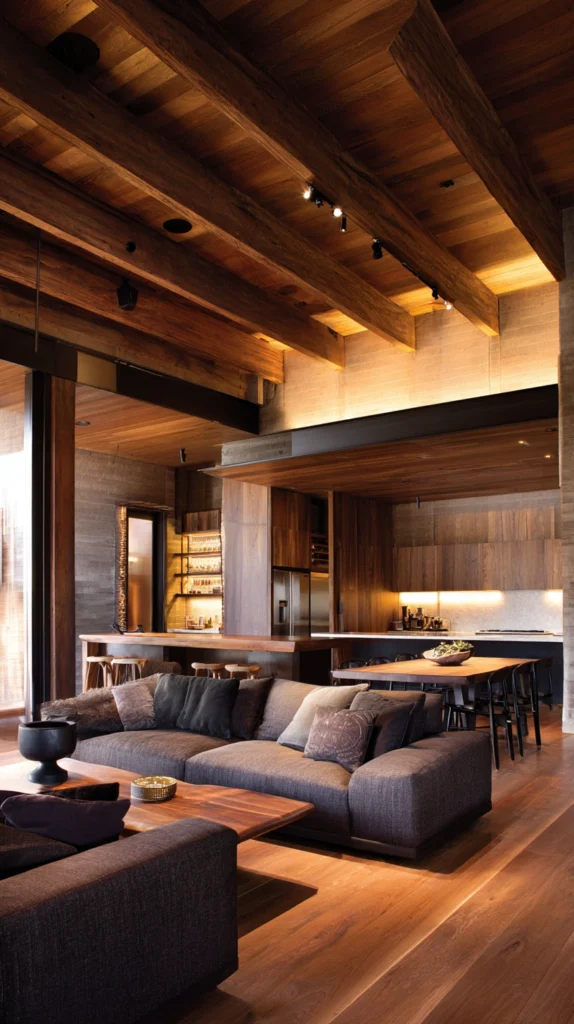
Timber is the primary material of the hobbitcore interior — on the floors, on the walls, in the furniture, on the ceiling beams, and in every piece of cabinetry and shelving in every room. It is not the pale, bleached, Scandi-influenced timber of contemporary minimalism. It is warm, dark, and aged — the colour of walnut and oak and the worn timber of a floor that has been walked on for a hundred years.
Dark timber floorboards — real or engineered — cost $30 – $80 per square metre installed. Decorative ceiling beams in a dark stain — lightweight polyurethane versions that adhere to the ceiling — cost $30 – $60 per metre and are the single most effective architectural element for producing a hobbit-home ceiling. A timber sideboard, dresser, or bookcase in a dark walnut or oak stain — $150 – $600 — anchors the room with the warmth that pale furniture cannot provide.
Decor tip: Darken existing light-coloured timber furniture with a water-based wood stain before replacing it. A pine bookcase stained in a warm walnut tone — $15 – $30 in stain, one afternoon of work — reads as the kind of solid dark timber the hobbitcore room requires at a fraction of the cost of a replacement piece in genuine dark hardwood.
8. The Earthy Colour Palette
Budget: $30 – $200
The hobbitcore colour palette is drawn from the ground, the bark, the stone, and the moss — warm browns, deep greens, heathered greys, burnt ochres, and the particular dark red of autumn leaves on a path through a deciduous wood. It avoids cool tones, bright whites, and anything that would look out of place at an elvish council.
Paint in a warm mushroom, a deep earthy green, or a warm terracotta costs $20 – $50 per litre from quality paint suppliers. Soft furnishings in wool, heavy linen, and woven cotton in the earth palette add $60 – $150 to the room’s colour depth. A kilim rug in the earthy tones — ochre, rust, and deep green — costs $50 – $150 and grounds the room’s palette at floor level.
Decor tip: Introduce the earthy palette through textiles before committing to paint if the hobbitcore direction is new. A deep green throw, a rust-coloured cushion, and a warm brown rug reveal how the colours behave in the specific light of the specific room without requiring the repainting of a single wall, and the textile test almost always confirms that the room needed more warmth than it was receiving.
9. The Library Wall
Budget: $100 – $800
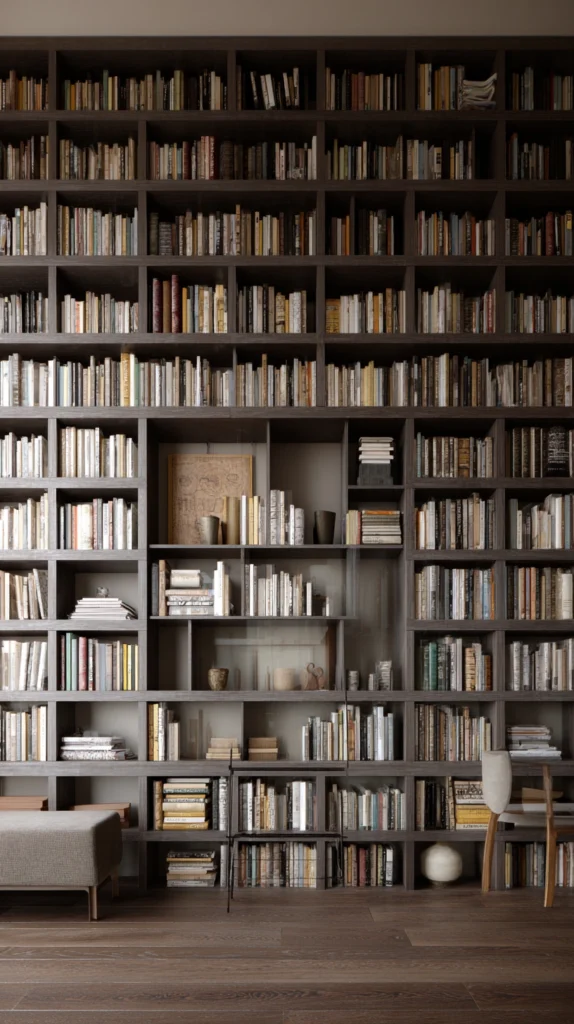
Every hobbit home has books. Not books as decoration — books as genuine companions, consulted regularly, stacked untidily in the way of books that are used rather than displayed, and covering a wall from floor to ceiling in the particular way that only a genuine reader’s library achieves. The library wall is the hobbitcore home’s most personal and most irreplaceable feature.
Floor-to-ceiling shelving in a dark timber or painted wood costs $100 – $400 in materials for a standard wall. A library ladder on a rail — $150 – $400 — is the single most dramatic and most joyful addition to a full-height library wall. Books arranged by size and colour rather than alphabetically — a small editorial decision that costs nothing — make the library wall look curated rather than simply accumulated.
Decor tip: Fill the gaps between the book runs with small objects rather than leaving the shelf symmetrical and uniform. A small ceramic figure, a found stone, a folded map, a candle stub in a brass holder — the objects between the books are the library wall’s personality, and personality is what the hobbitcore home prioritises above all other qualities.
10. The Mismatched Pottery and Ceramics Collection
Budget: $20 – $200
Hobbit homes contain ceramics that were not purchased as a set — mugs with thick handles in slightly uneven glazes, plates that do not quite match, a large crock that has been on the same shelf for so long it has become part of the architecture. The mismatched ceramics collection is the kitchen and living room’s most characterful decorative element and the easiest to build over time.
Handmade or hand-glazed mugs from craft markets or independent potters cost $8 – $25 each. A ceramic crock or storage jar in a warm earthy glaze — $15 – $40. A set of mismatched pottery plates from a charity shop or antique market — $2 – $8 each. A collection of twelve to fifteen pieces accumulated deliberately and purposefully over a few months costs $60 – $200 in total and reads immediately as the kind of collection that belongs in a home with a story.
Decor tip: Display the ceramic collection on open shelving rather than behind cabinet doors. Hobbit homes have nothing to hide and no desire to hide it. Open shelves stacked with mismatched pottery in warm earthy tones are one of the most immediately welcoming visual moments available in any domestic interior.
11. The Candle and Lantern Light Environment
Budget: $30 – $200
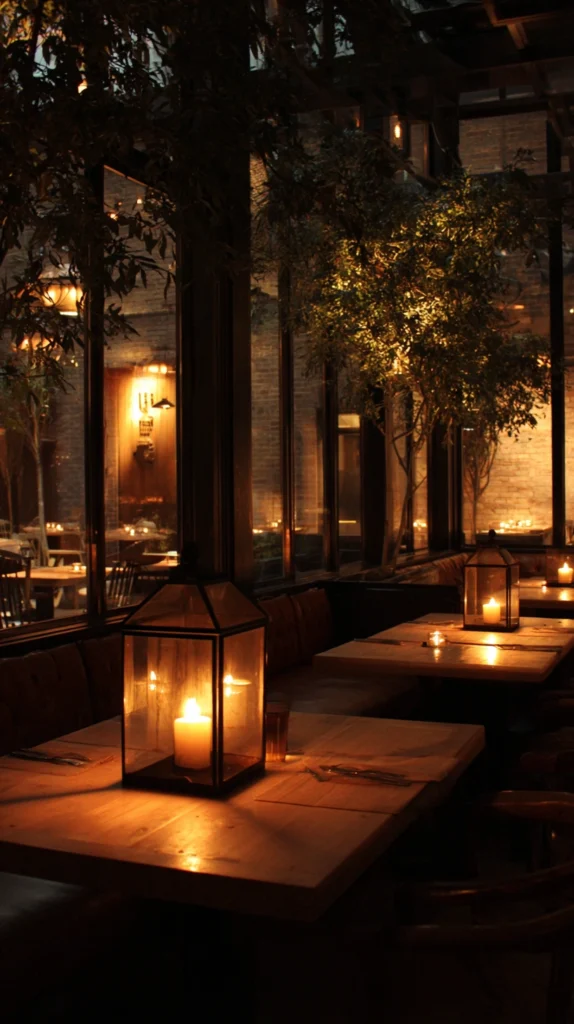
The hobbitcore home is not lit by overhead fixtures and certainly not by cool white LEDs. It is lit by fire, by candle, by the warm glow of a table lamp with a fabric shade, and by the particular quality of light that arrives through a small window surrounded by climbing plants on a late afternoon in autumn. The lighting environment is everything in a hobbit home.
Pillar candles in warm ivory or beeswax — $10 – $30 for a generous collection. Brass or iron candlesticks at varying heights — $15 – $50 for a set. Lanterns for outdoor and indoor use — $15 – $40 each. All overhead lighting on dimmers — $15 – $30 per switch — to allow the ambient level to drop to something approaching candlelight when the mood calls for it.
Decor tip: Replace every cool white LED bulb in the hobbitcore home with a warm filament or warm-toned LED — 2200K to 2700K colour temperature. The change costs $5 – $15 per bulb and transforms the quality of the room’s light more dramatically than any decorative intervention. Cool white light in a hobbitcore room undermines every warm material and earthy colour decision the room contains.
12. The Garden That Grows Into the House
Budget: $30 – $200
The Shire garden is not a formal garden. It is a productive, slightly wild, generously planted garden that spills herbs and climbing roses and trailing vines without particular regard for the boundary between outside and inside. The hobbitcore home brings the garden in through climbing plants around the window, herbs on the kitchen sill, and the general green abundance that makes a home feel embedded in the natural world.
A trailing pothos or climbing philodendron trained around a window frame — $10 – $25 for the plant. A collection of herb pots on the kitchen windowsill — rosemary, thyme, mint, and sage — $3 – $6 each. A large-leafed monstera or rubber plant in a terracotta pot in the living room corner — $20 – $60 depending on size. The total plant investment for a fully greened hobbitcore home sits at $50 – $150 for living material that improves with every week it remains in the room.
Decor tip: Allow the climbing plant around the window frame to grow with genuine freedom rather than trimming it into a precise shape. A slightly untamed climbing plant reads as a garden that has made its own way indoors. A neatly trimmed climbing plant reads as a trained house plant, which is a different and considerably less hobbitcore thing entirely.
13. The Woollen and Woven Textile Abundance
Budget: $50 – $400
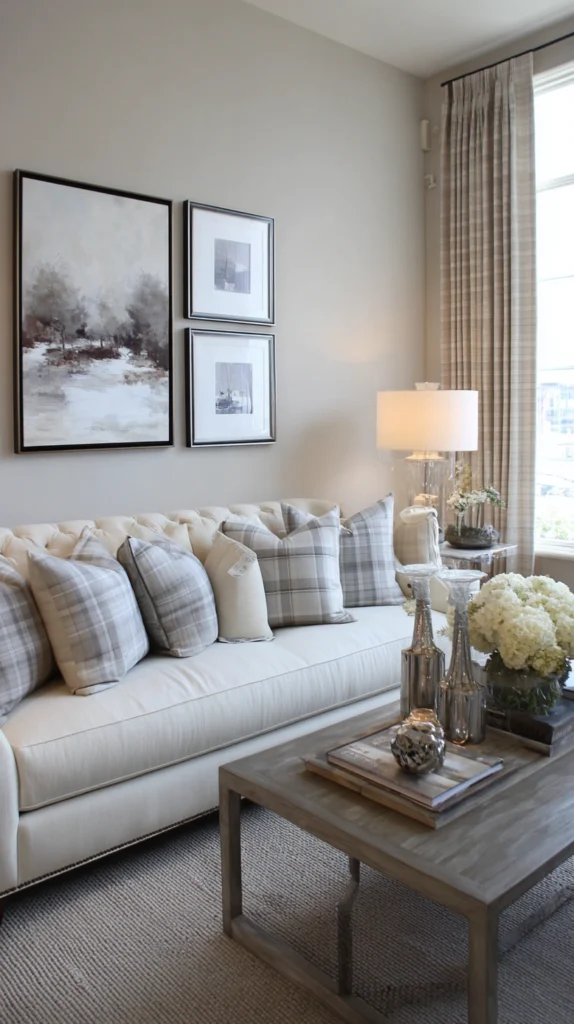
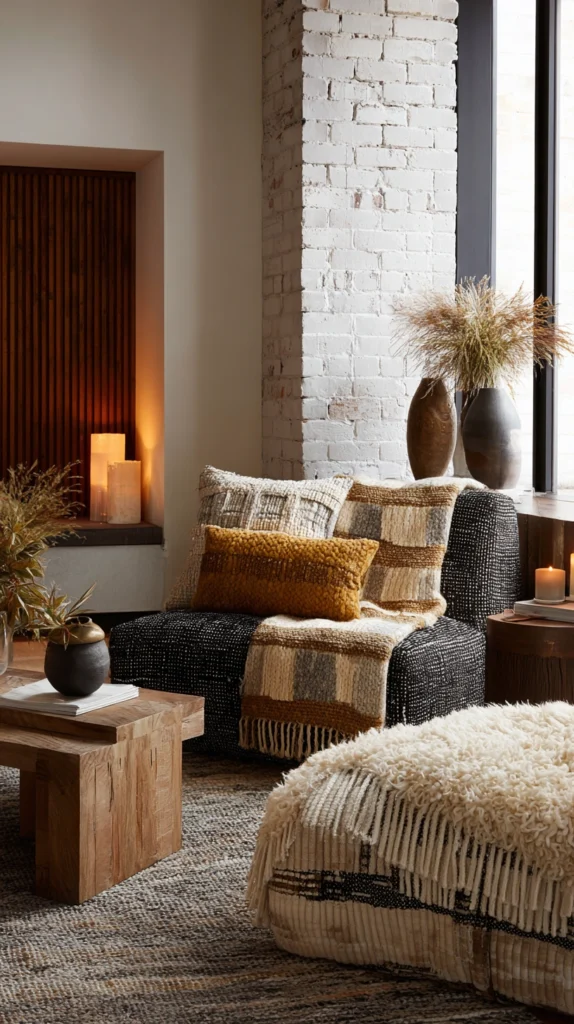
The hobbitcore home is warm because its textiles make it warm — thick wool throws over every arm and back of every chair, woven cushions in tapestry or kilim patterns stacked on every surface, a large hearthrug in a dense pile, and the general textile abundance of a home that has been accumulating blankets for longer than anyone can specifically remember.
A heavy wool or wool-blend throw — $40 – $100. A set of woven or tapestry cushion covers in the earthy palette — $20 – $50 each. A large hearthrug in a deep pile or a dense flatweave — $60 – $150. The textile layer of a fully committed hobbitcore room costs $140 – $400 for the primary pieces and accumulates further with each passing season as new throws are added and old ones are moved from the bedroom to the reading chair.
Decor tip: Layer textiles in odd numbers — three throws, five cushions, seven different woven pieces — rather than even numbers. Odd-numbered textile arrangements read as accumulated rather than purchased as a set, and accumulated is what the hobbitcore home is working toward at every surface and in every room.
14. The Mismatched Furniture From Different Eras
Budget: $50 – $600
No hobbit home was furnished in a single afternoon from a single catalogue. The furniture in Bag End arrived at different times, from different places, in different styles — and the combination of pieces from different eras, in different woods and different upholstery, produces a room that reads as lived in rather than designed. This is not an accident. It is the correct approach.
A Victorian-era side table from a charity shop — $20 – $80. An Edwardian-style dining chair with a new upholstered seat — $30 – $80. A mid-century bookcase alongside a traditional wingback chair — pieces from entirely different design periods that coexist because they share the same warm material palette. No single piece needs to match another. Every piece needs to feel as though it belongs to someone rather than to a room.
Decor tip: Unify mismatched furniture from different eras through a consistent material treatment rather than a matching style. Dark wood stain on every timber piece, however different the styles, creates a visual continuity that reads as deliberate rather than accumulated randomly. The pieces remain from different periods. The material treatment makes them speak the same language.
15. The Smell of the Hobbit Home
Budget: $10 – $80
The hobbitcore home is not only a visual environment. It is an olfactory one — and the smell of the home is as important as anything hung on its walls or placed on its shelves. A hobbit home smells of woodsmoke, beeswax, damp earth, baking bread, pipe tobacco (optional), dried herbs, and the particular warmth of a fire that has been burning for hours. These are not difficult smells to produce.
A beeswax candle — $10 – $25 — produces the most authentic warm, slightly sweet, genuinely natural fragrance of any candle available. A diffuser with cedarwood, vetiver, and patchouli essential oils — $20 – $50 — provides the earthy, woody base note. Fresh bread from the oven — $2 – $5 in ingredients — is the single most powerful hobbitcore olfactory statement available and costs less than any candle on the market.
Decor tip: Bake something before guests arrive rather than relying on a candle to produce the smell of baking. The smell of an actual loaf of bread or a tray of scones cooling on a rack is indistinguishable from something from a story, and no amount of vanilla-scented wax produces quite the same response in the person who walks through the front door and encounters it for the first time.
There is no checklist that produces a hobbitcore home. There is no single purchase that makes a room feel like Bag End. What produces the feeling is the accumulation of warm decisions made consistently — in the colour of the paint, the weight of the throw, the depth of the chair, the abundance of the books, and the smell of whatever is currently on the stove.
The hobbitcore home is not a style. It is a set of priorities — comfort above elegance, warmth above minimalism, abundance above restraint, and the deep, uncomplicated pleasure of a home that exists entirely for the people who live in it.
Start with the armchair. Get the lighting right. Bake something. The rest follows naturally, and it always will.