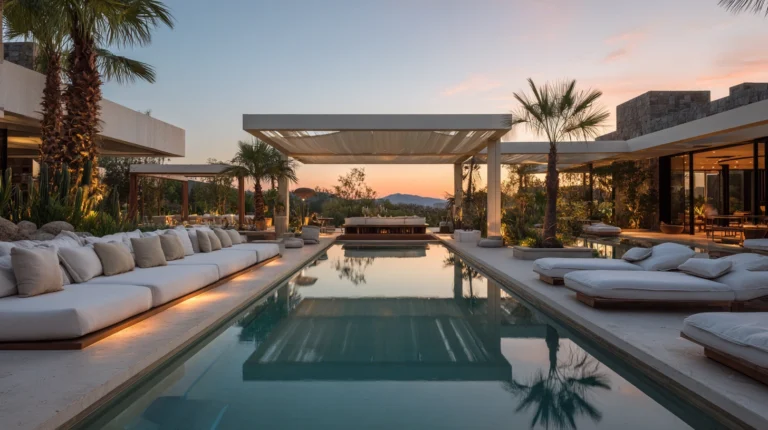
15 Deck Decor Ideas That Feel Cozy and Stylish All Summer Long
15 Deck Decor Ideas That Feel Cozy and Stylish All Summer Long
There is a version of a deck that serves its function adequately and no more. A surface, some furniture, a railing. People go out onto it when the occasion demands and come back in when the occasion passes. It is an outdoor floor rather than an outdoor room, and the gap between the two is not as large as it might seem — it is closed, almost entirely, by the quality of the decisions made about what goes on the deck and how those things relate to each other.
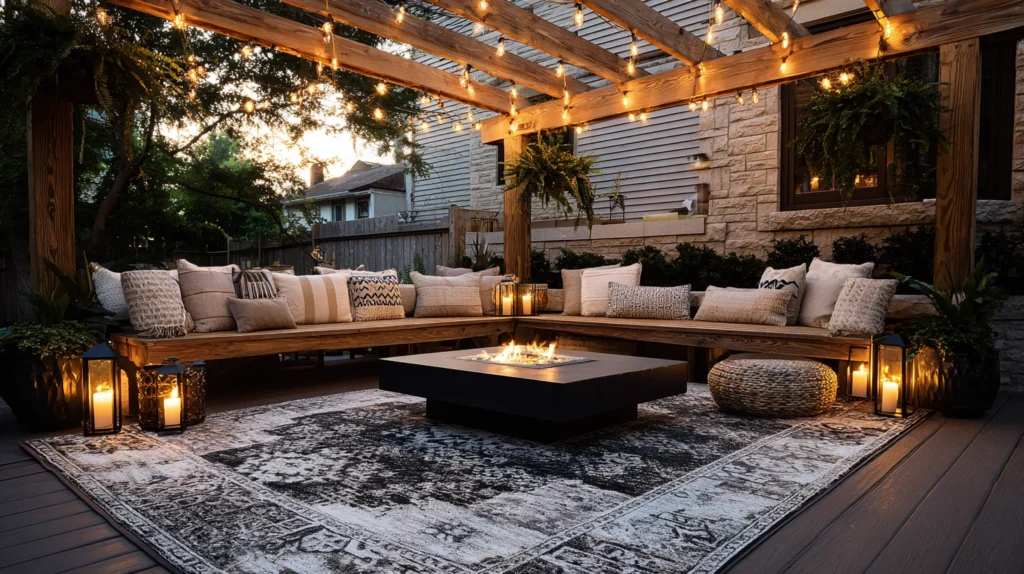
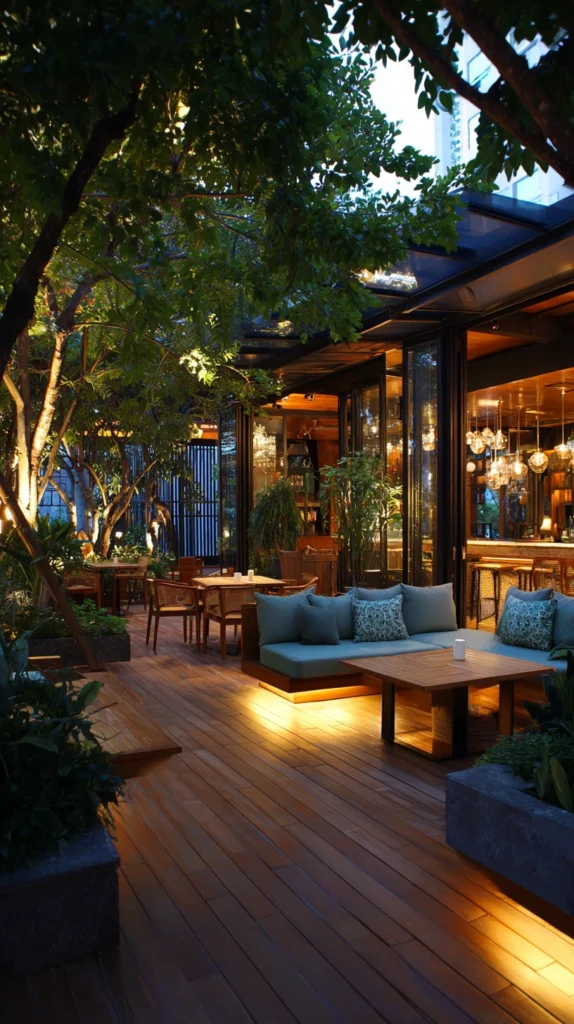
A deck that feels genuinely cozy and stylish is a deck where someone thought about the light, the comfort, the smell, the texture underfoot, and the view from the best seat. It is a deck where arriving on it from the house feels like arriving somewhere rather than stepping outside. That quality is not expensive to create and not complicated to maintain — it requires the same thinking that goes into any room, applied to a surface that happens to be outdoors.
Each idea below is a specific approach to one element of deck decor. Each includes what you will need, what it will cost, and a practical tip to make it work as well as the outdoor room it is reaching for.
1. The Outdoor Rug Foundation
Budget: $40 – $200
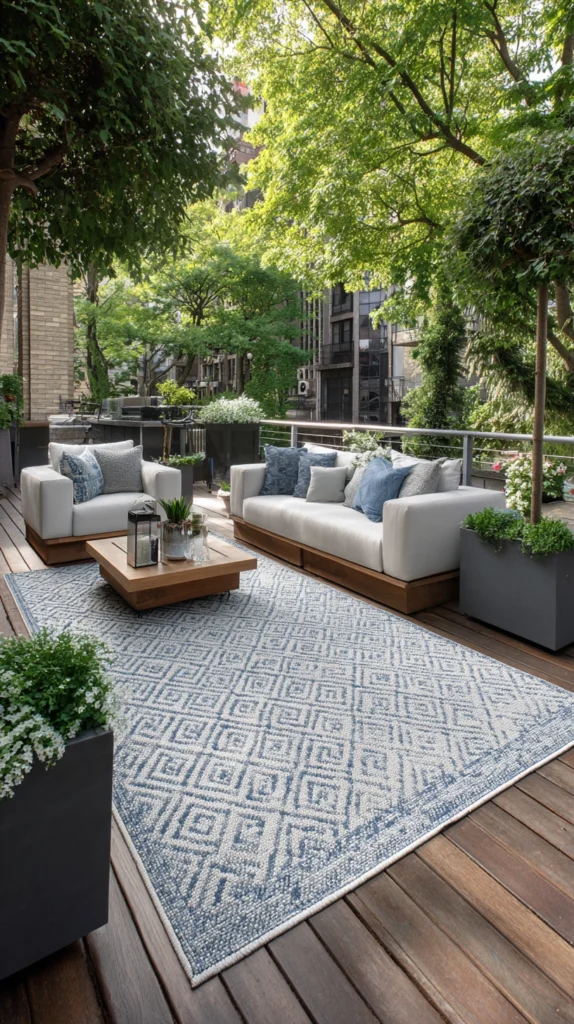
An outdoor rug laid across the deck surface — large enough that all furniture legs sit on it with at least 30 centimetres of rug visible beyond the furniture on each side — is the single change that most reliably transforms a deck from a floor with furniture on it to a room. The rug defines the space, anchors the furniture within it, and gives the deck the visual grounding that bare boards, however beautiful, cannot provide on their own.
Outdoor polypropylene rugs in a 180 by 270 centimetre size cost $40–$120. A larger 240 by 340 centimetre version runs $80–$200. Choose a flat weave rather than a pile — a flat weave hose-cleans in two minutes and dries in the sun within an hour; a pile rug collects every piece of debris the wind carries and requires vacuuming to clean. Secure the corners with outdoor rug tape ($8–$15) or weighted pots at each corner to prevent lifting in wind.
Style tip: Choose a rug pattern rather than a plain colour for the deck. A patterned rug conceals the inevitable marks, footprints, and slight discolouration that accumulate on any outdoor surface through a season of use. A plain rug makes every imperfection visible, and an imperfect plain rug always looks worse than it is.
2. The Layered Cushion and Throw Collection
Budget: $60 – $300
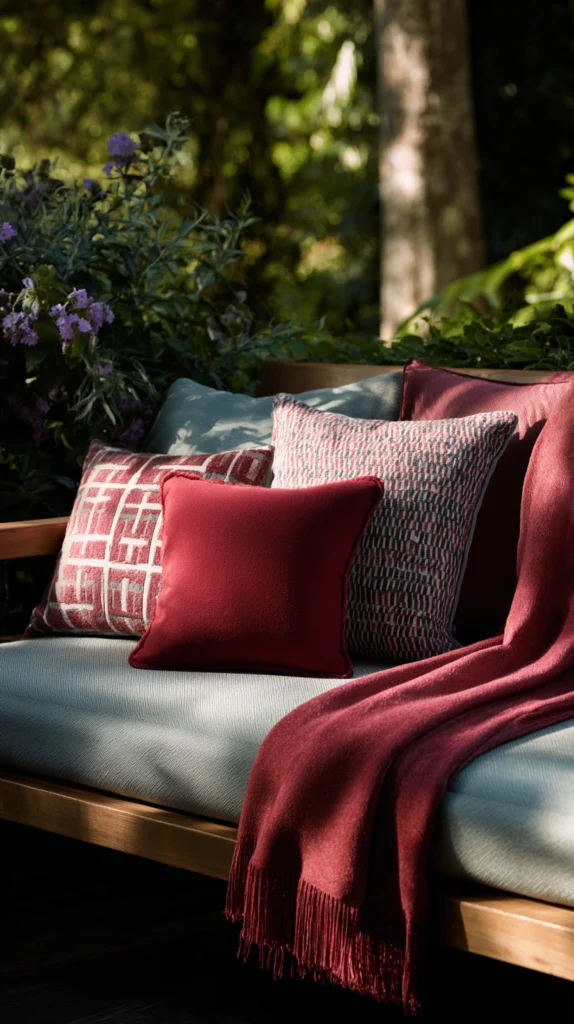
Outdoor cushions in two or three coordinating tones — a dominant neutral, one soft accent colour, and a textured plain — layered on the primary seating with a folded throw within reach for the cooler hours create the comfort and the visual warmth that make a deck feel genuinely cozy rather than simply furnished. The cushion and throw collection is the soft furnishing of the outdoor room and it communicates the same quality of care as the same layer in an interior space.
Outdoor solution-dyed cushions cost $15–$40 each. A weather-resistant throw runs $25–$60. A set of four cushions and one throw for a standard deck sofa costs $85–$220. Store cushions in a weatherproof box ($40–$80) during extended rain rather than leaving them saturated — outdoor fabric resists moisture but deteriorates faster than necessary when left wet for days. The box makes storage a twenty-second action rather than a project.
Style tip: Choose cushion covers with zips rather than fixed covers. A washable cushion cover that is removed and laundered every two to three weeks maintains the freshness that fixed covers lose after the first month of outdoor use. The insert stays clean; the cover carries the seasonal evidence of use that washing removes.
3. The String Light Canopy
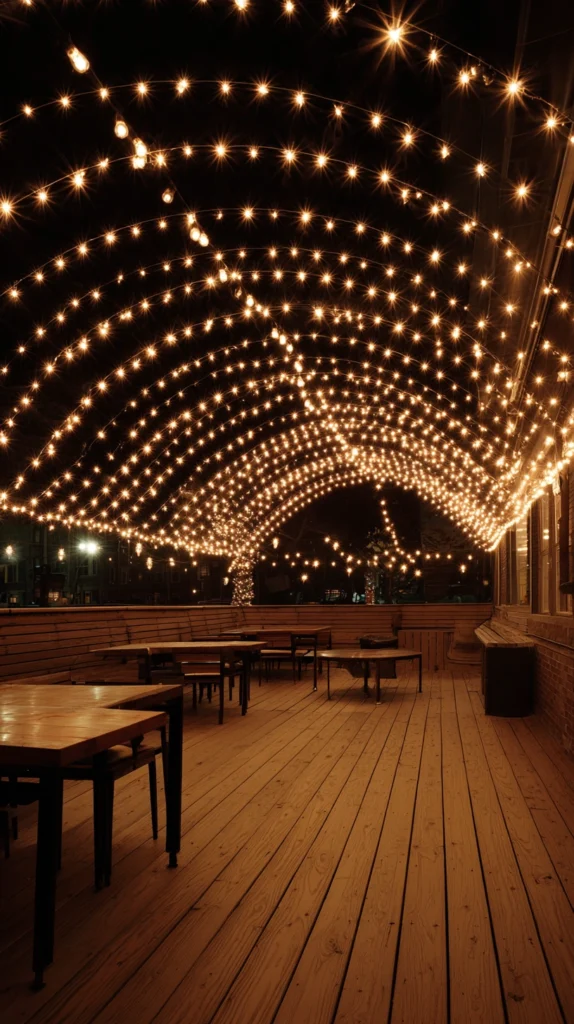
Budget: $20 – $80
Warm white string lights or festoon bulbs strung across the deck ceiling — from post to post, from the house wall to the outer railing, in parallel lines or in a zigzag — transform the deck into its best evening version. A deck without evening light closes at dusk; one with warm overhead lights stays open for the best hours of a summer evening. The string light canopy is the lighting investment with the highest return of anything in outdoor decor.
Outdoor warm white fairy lights on a 10-metre reel cost $10–$25. Festoon lights with individual globe bulbs run $20–$60 for a 5-metre string. Connect to an outdoor socket via a timer ($8–$15) so the lights come on automatically at dusk — lights that require switching on manually are switched on inconsistently. A timer-activated light canopy is simply present every evening without requiring action.
Style tip: Allow a sag of 20–30 centimetres between anchor points rather than pulling the lights taut. A relaxed curve overhead reads as a canopy; a tightly stretched string reads as a cable. The sag is the installation detail that separates deck lighting that looks atmospheric from deck lighting that looks installed.
4. The Potted Plant Collection
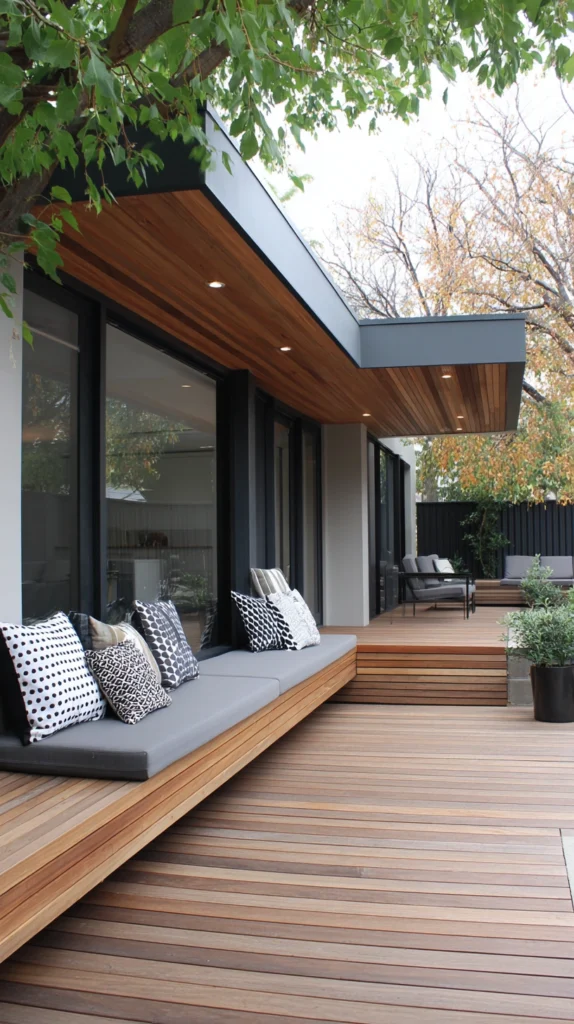
Budget: $50 – $250
A collection of potted plants on the deck — in containers that share a material and a colour, grouped in odd-numbered clusters at varying heights — gives the outdoor room its equivalent of the plants and artwork that make an interior room feel genuinely inhabited. A deck without planting is a deck that has been furnished but not decorated; one with a considered plant collection feels finished and alive.
Large architectural plants in fibreclay or ceramic pots cost $40–$120 each including the pot. A collection of three to five for the deck runs $120–$400. Trailing plants for the railing edge cost $5–$15 each. Group the largest plants at the corner of the deck most visible from the house interior — the corner that is seen daily through the window or door is the corner that earns the most from the best planting.
Style tip: Use the largest pots the deck weight limit allows rather than a greater number of smaller ones. One large pot with a substantial plant provides more visual weight, more root space, and more design authority than three small pots with spindly specimens. A deck with fewer, larger plants always reads as more considered than one with many small ones.
5. The Built-In Bench Seating
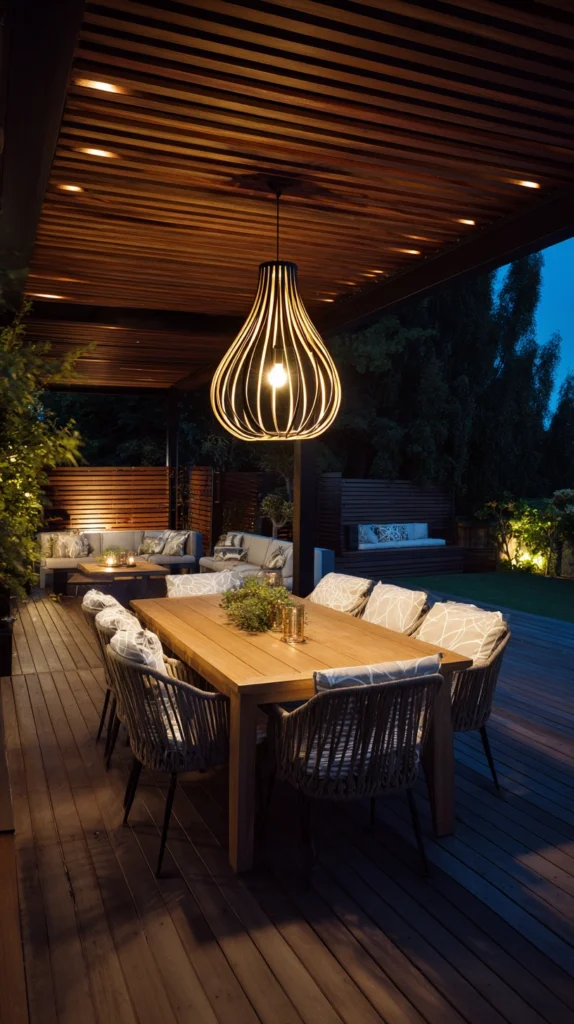
Budget: $200 – $1,000
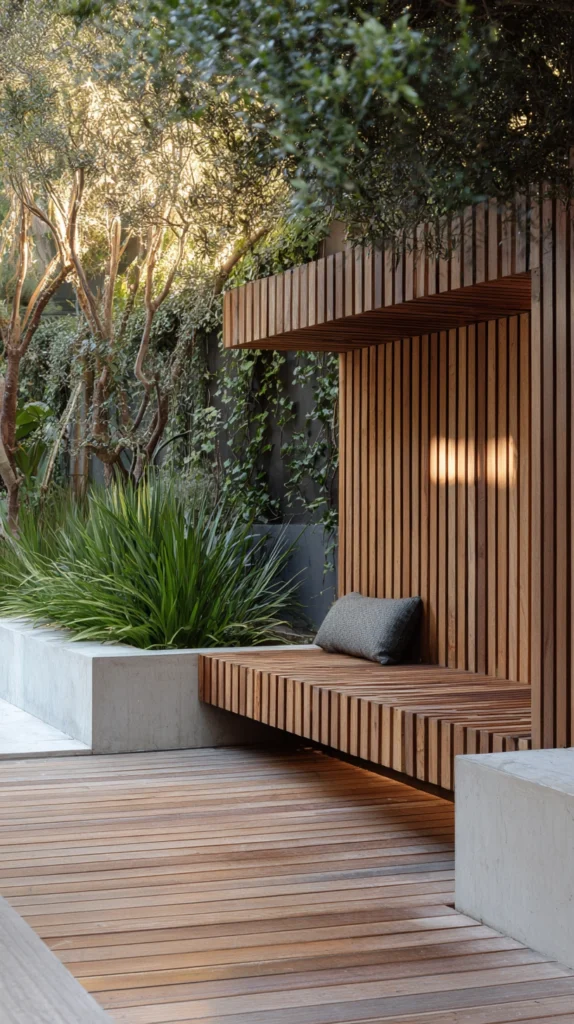
A built-in bench along one or two edges of the deck — constructed in the same timber as the deck surface, at the correct seat height of 43–45 centimetres, with a fitted cushion — adds seating capacity while giving the deck the architectural completeness that freestanding furniture never achieves. Built-in seating reads as part of the deck; freestanding furniture reads as furniture that is on the deck. The distinction matters for how the space feels.
A built-in bench of 3 metres in length costs $200–$600 in timber and basic carpentry. A fitted outdoor cushion for the same length runs $60–$150. Build the bench with a slight forward pitch — the front edge 1–2 centimetres lower than the back — so rainwater drains forward rather than pooling on the seat surface and sitting in the cushion fixing area where it causes the timber to deteriorate most quickly.
Style tip: Build the built-in bench with storage beneath it — a hinged lid above a deep box section — so the bench serves as the deck’s weatherproof storage for cushions, throws, candles, and the tools of outdoor living. A bench that stores everything the deck needs beneath it eliminates the separate storage box that otherwise occupies deck floor space.
6. The Outdoor Pendant or Lantern Lighting
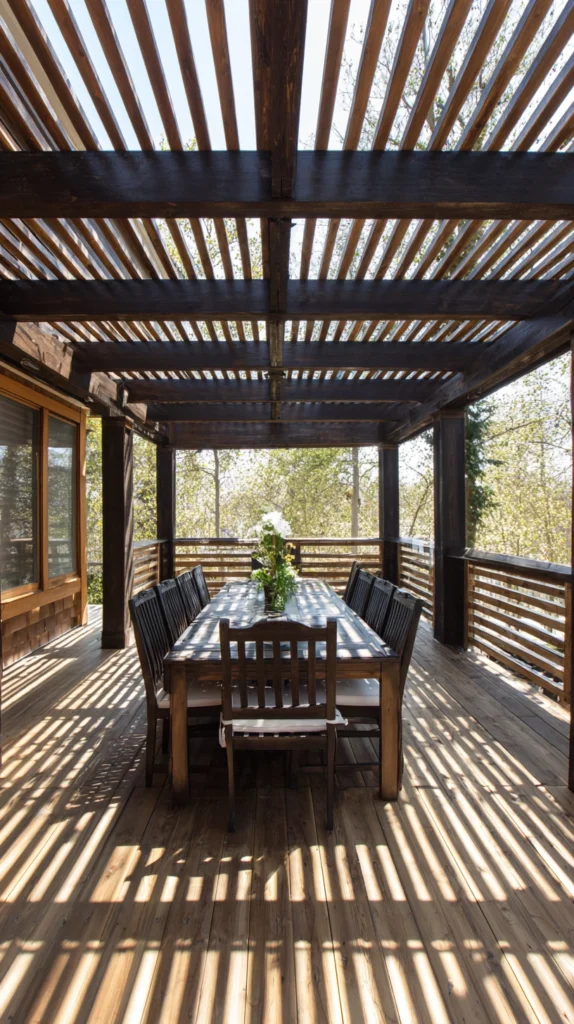
Budget: $40 – $200
A pendant light or a collection of hanging lanterns — fixed to the deck ceiling or suspended from a overhead structure at a height of 200–210 centimetres above the deck floor — provides the directed, intimate light over the table or the seating area that string lights above cannot achieve. The pendant is the task light of the outdoor room; the string lights are the ambient layer. Both together create the layered lighting that makes a deck feel complete after dark.
A weatherproof outdoor pendant in a rattan, ceramic, or metal shade costs $40–$120. A set of three hanging lanterns at varying heights runs $60–$180. Specify an IP44-rated fitting as a minimum for any light used in a covered outdoor position — the rating confirms the fitting is protected against splashing water from any direction. IP65 is required for any fitting that may be directly rained on.
Style tip: Hang the pendant directly above the dining table or the primary conversation area rather than at the centre of the deck. A pendant centred on the deck regardless of the furniture arrangement provides general light to no specific purpose; one positioned above the table provides the intimate pool of light over the table surface that makes outdoor dining genuinely atmospheric.
7. The Pergola or Shade Structure
Budget: $200 – $1,500
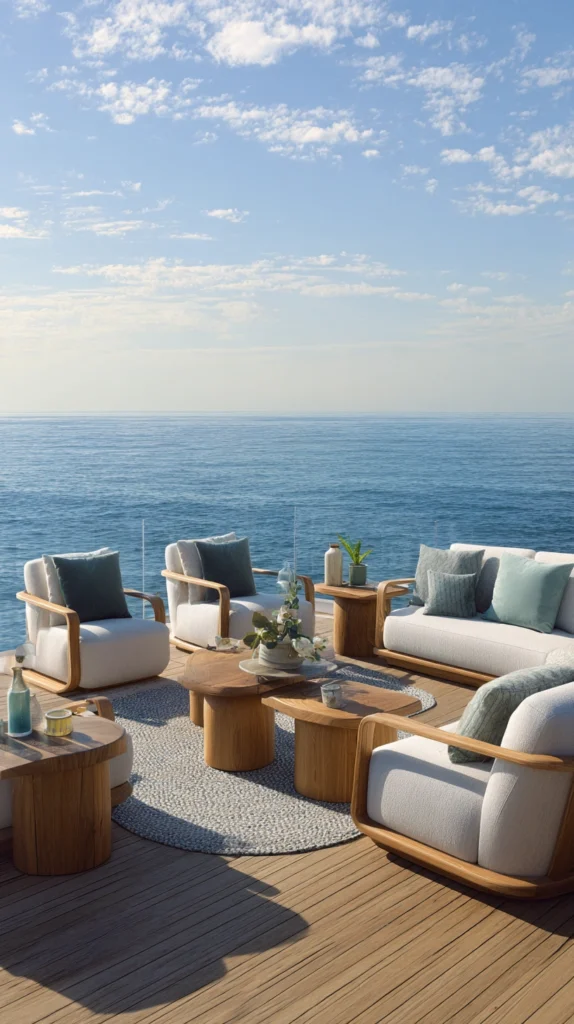
A pergola over the deck — or a freestanding shade sail, a retractable awning, or a series of tension wires supporting a climbing plant — gives the deck a ceiling that defines it as a room rather than simply a raised surface. The ceiling is the element that most fundamentally distinguishes a room from a floor, and the deck with a pergola overhead feels categorically different from the same deck without one.
A timber pergola kit in a standard 3 by 3 metre size costs $200–$600. An aluminium version runs $400–$1,200. A retractable awning costs $300–$800. A shade sail over the deck costs $50–$200. The pergola is the investment that earns back in extended deck use — a covered deck is used in light rain, in direct sun, and in the transitional weather that an uncovered deck cannot accommodate.
Style tip: Plant one climbing plant at each post of the pergola in the first season — a rose, a wisteria, a clematis — and train them upward and across the overhead beams with horizontal wires fixed before the plants are large enough to make the installation difficult. The mature pergola in its third or fourth year, covered in flowering climbers, is worth the patience of the establishing years.
8. The Outdoor Side Table Collection
Budget: $40 – $200
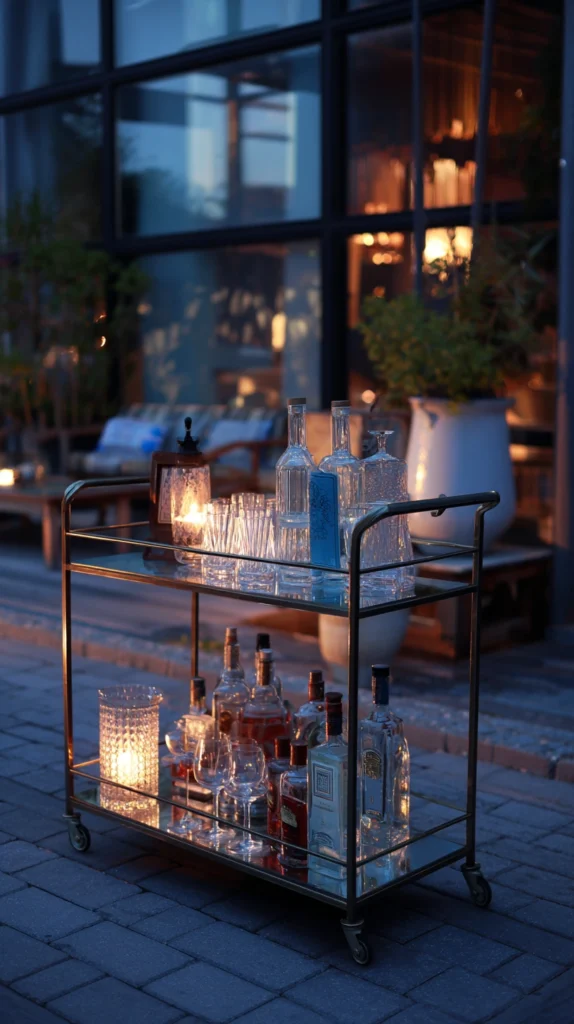
A small side table within reach of every seat on the deck — for a glass, a book, a candle, a phone — is the piece of furniture that most consistently elevates the deck experience from comfortable to genuinely convenient. A deck where every seated person can reach a surface without standing up or leaning is a deck where people stay longer and sit more comfortably than one where the side table requires sharing or reaching across.
Individual side tables in rattan, teak, or powder-coated steel cost $20–$60 each. A set of two or three nesting tables runs $40–$120 and provides flexibility for different configurations of use. Choose a consistent material across all side tables rather than mixing — the material consistency is the detail that makes a collection of small tables read as a considered set rather than assembled from different sources.
Style tip: Position the side tables before the primary seating rather than after — decide where the tables should be for the best seated access and then position the chairs in relation to the tables. A table positioned after the chairs are in place is a table squeezed in; one positioned first is a table that the chairs are arranged around, which is always the more functional and more comfortable outcome.
9. The Outdoor Bar or Drinks Trolley
Budget: $50 – $250
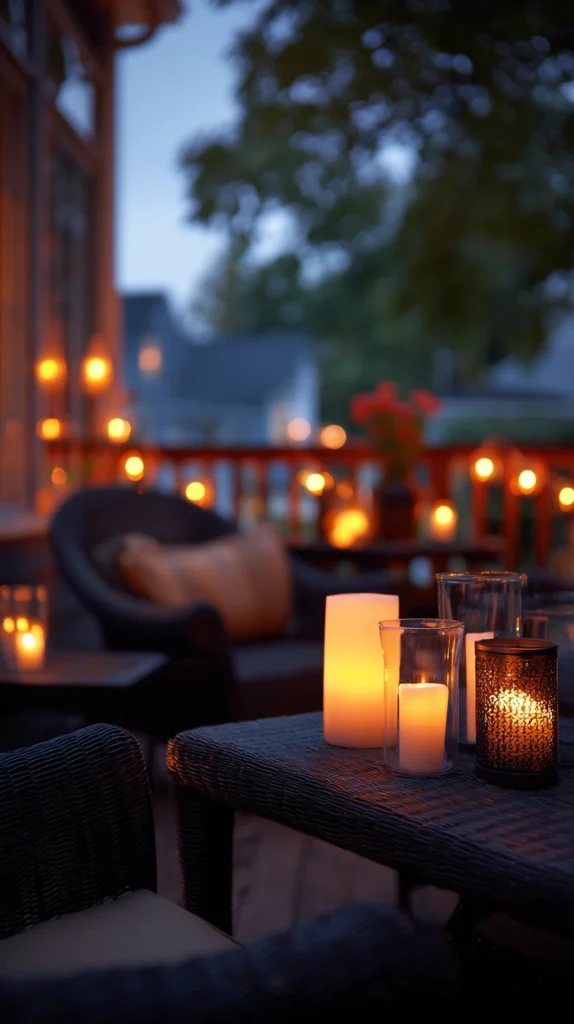
A dedicated drinks trolley or a small outdoor bar station on the deck — stocked before guests arrive and positioned so a cold drink is within reach from the seating area without the host leaving the group — eliminates the most persistent interruption to deck social life: the trip inside to the kitchen. A deck with an outdoor drinks station is a deck that functions as an independent entertainment space rather than as an overflow area for a party that is primarily happening indoors.
A weatherproof bar trolley costs $60–$150. A countertop ice bucket runs $20–$40. A small outdoor refrigerator costs $150–$400. Stock the trolley before guests arrive rather than during the gathering — a pre-stocked outdoor bar requires no management and no host departures. The stocked trolley is a service; the unstocked one is a piece of furniture.
Style tip: Add one decorative element to the drinks trolley alongside the functional bar equipment — a small plant, a cluster of candles, a ceramic bowl of fruit. A trolley that contains only bottles and glasses reads as a bar; one that also contains a plant and candles reads as a considered outdoor station that happens to serve drinks. The decorative element costs almost nothing and changes the character of the whole piece.
10. The Fragrant Planting Arrangement
Budget: $20 – $80
Fragrant plants positioned at the edges of the deck seating area — lavender, jasmine, scented geraniums, sweet peas trained on a small trellis at the railing — give the deck its olfactory dimension, which is the sensory quality that most distinguishes a genuinely pleasant outdoor space from a merely comfortable one. A deck that smells of lavender in afternoon sun or jasmine on a summer evening is a deck that is remembered differently from one that smells only of the garden it overlooks.
Lavender plants cost $4–$8 each. Jasmine in a pot runs $8–$20. Scented geraniums cost $3–$6 each. Position fragrant plants on the side of the deck from which the prevailing breeze approaches — fragrance carried toward the seated person on a light breeze is more effective and more consistently present than fragrance from a plant the wind carries away from the seating area.
Style tip: Include at least one evening-fragrant plant alongside the daytime-fragrant ones. Lavender and rosemary perform in afternoon sun; jasmine and night-scented stock release their fragrance from dusk onward. A deck that is fragrant through the full afternoon and into the evening is fragrant during all the hours it is most used — which is the olfactory ambition worth having.
11. The Outdoor Artwork or Decorative Element
Budget: $30 – $200
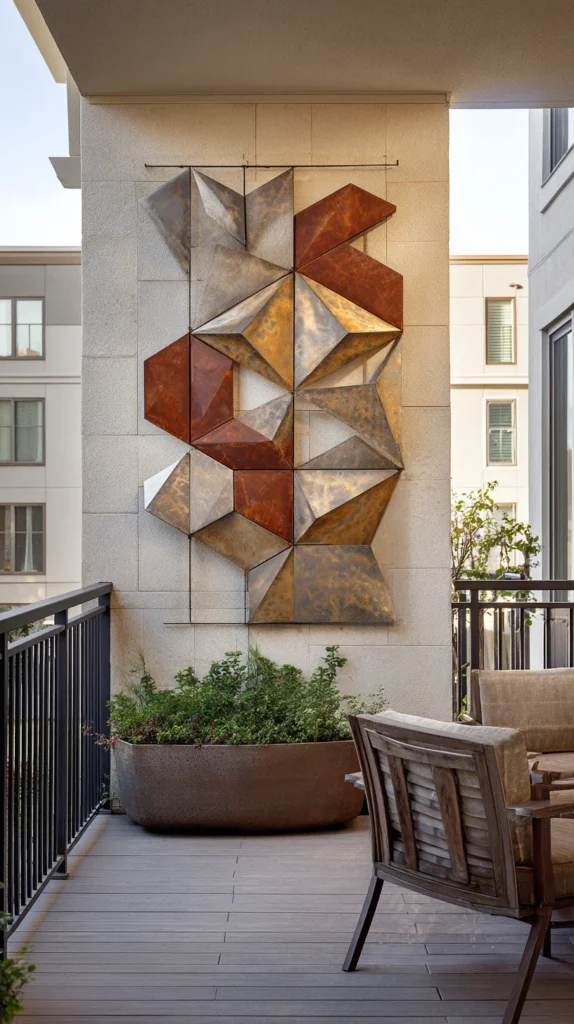
A piece of weather-resistant artwork or a decorative wall element on the house wall that the deck faces — a ceramic tile arrangement, a metal sculpture, a large mirror in a weatherproof frame, a mosaic panel — gives the deck a visual focal point and a quality of being a room that has been decorated rather than simply furnished. A deck with nothing on its walls is a deck that stops at the furniture; one with artwork on the wall it faces is a deck that was designed as a complete outdoor space.
A weatherproof metal wall sculpture costs $40–$150. A ceramic tile wall arrangement runs $30–$100. A large outdoor mirror in a sealed timber or powder-coated frame costs $60–$200. Fix artwork to a sheltered wall rather than an exposed face — UV light and direct rain degrade outdoor artwork faster than interior conditions, and a covered or semi-covered wall position extends the life of almost any outdoor artwork material significantly.
Style tip: Position artwork at seated eye level rather than standing eye level — approximately 100–120 centimetres from the deck floor to the centre of the piece. A deck is experienced primarily from a seated position, and artwork hung at standing eye level is seen by people arriving on the deck and missed by people sitting on it. The seated eye level position is the position that earns the artwork its place in the outdoor room.
12. The Fire Feature
Budget: $60 – $500
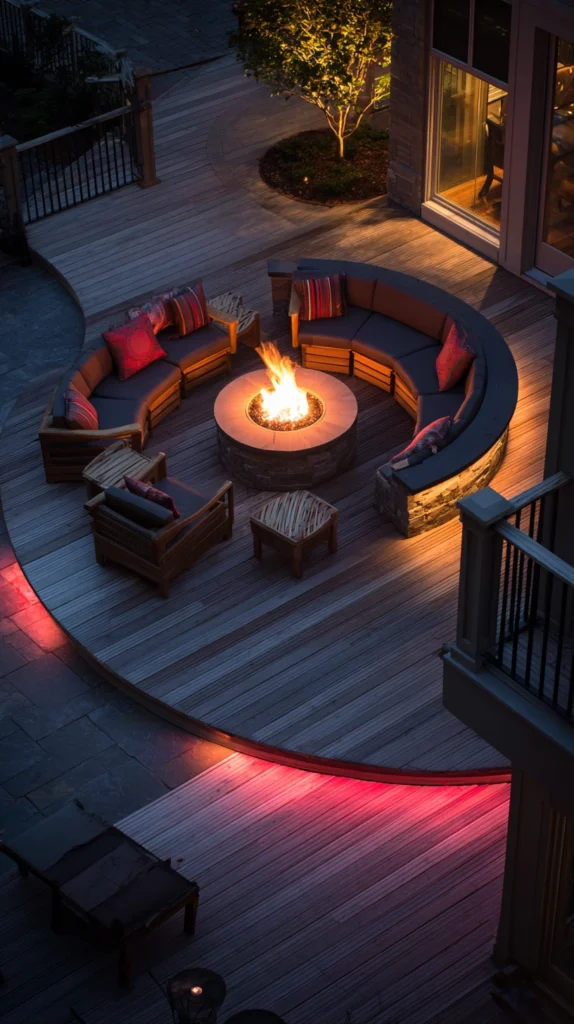
A fire feature on the deck — a small bioethanol fire bowl, a tabletop fire dish, a portable gas fire pit, or a proper fire pit on the lower deck or garden level — gives the evening deck its warmth, its focal point, and the specific quality of a gathering space that fire has provided since long before decks existed. A deck with a fire feature is a deck that people stay on past the point where the temperature has dropped; one without a fire is a deck whose natural ending arrives with the cool of the evening.
A bioethanol tabletop fire bowl costs $40–$120 and produces no smoke. A portable gas fire pit runs $80–$300. A small steel fire pit for a lower deck level costs $40–$100. Use bioethanol or gas fire features on a timber deck rather than an open wood fire — the sparks from an open fire on a timber deck are a fire hazard regardless of the mesh guard used. The bioethanol and gas alternatives provide the fire experience without the risk.
Style tip: Light the fire feature before guests arrive rather than after they are seated. A fire that is already burning when people arrive is part of the welcome; one lit at nine o’clock when the temperature has dropped and the evening is winding down is a last resort rather than an atmosphere. The fire earns its atmospheric contribution when it is present from the beginning of the gathering.
13. The Outdoor Speaker System
Budget: $30 – $200
A weatherproof outdoor speaker on the deck — playing music at the volume that supports rather than competes with conversation — is the acoustic element of the outdoor room that most consistently makes the difference between a deck that feels social and one that feels quiet in the wrong way. Music at the right volume from the right position fills the silence beneath conversation and gives the deck the background quality of a well-considered space.
A quality weatherproof Bluetooth speaker costs $40–$120. A permanently installed outdoor speaker in a weatherproof housing runs $80–$200 for a pair. Position the speaker at the corner of the deck seating area rather than at its centre — a speaker at the centre of the seating produces sound that points at the guests from a single direction; one at the corner produces sound that fills the space more evenly. Test the volume from the primary seating position before guests arrive.
Style tip: Create a dedicated outdoor playlist rather than streaming ambient sound from general recommendations. A playlist assembled specifically for the deck — chosen for the time of day, the quality of the summer evening, and the specific atmosphere being created — is the auditory equivalent of the cushion collection: a curated selection that belongs to the space rather than a generic equivalent.
14. The Candle and Lantern Collection
Budget: $30 – $150
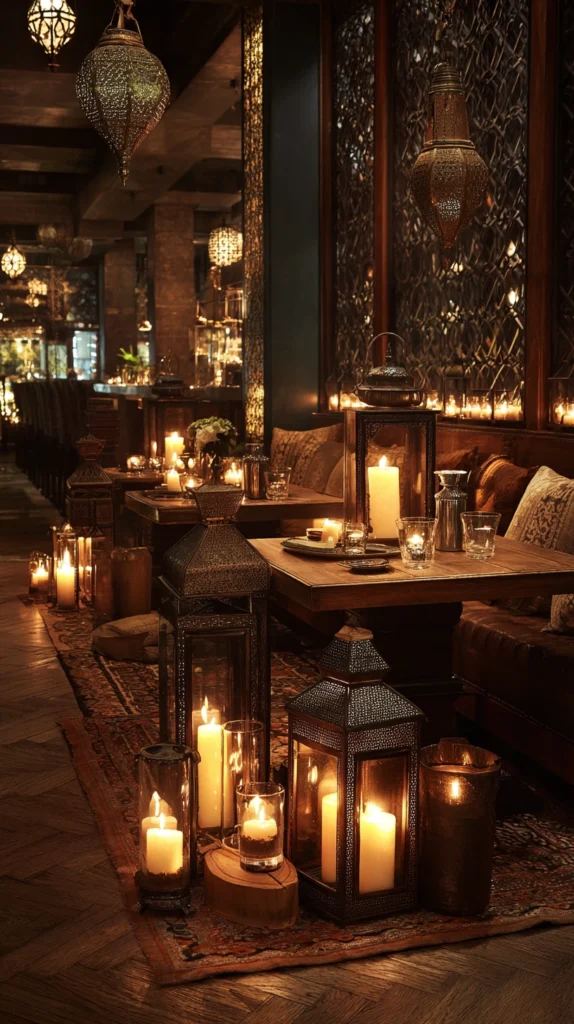
A collection of outdoor candles and lanterns — pillar candles on varying-height holders at the deck table, floor lanterns at the perimeter, hanging lanterns from the pergola or ceiling structure — gives the deck its evening atmosphere in the same way that the equivalent elements give a dining room its evening identity. Candlelight at table height, lantern light at floor level, and a warm overhead glow from the string lights: the three levels together create the layered warmth that makes a deck feel genuinely cozy after dark.
Outdoor pillar candles cost $5–$15 each. Floor lanterns run $10–$30 each. A set of three hanging lanterns at varying heights costs $30–$80. Use pillar candles rather than tea lights in floor lanterns — a pillar candle burns for eight to twelve hours and lasts the full evening; a tea light burns for four hours and requires replacing mid-evening, which is the interruption most likely to break the atmosphere it was creating.
Style tip: Position at least one lantern at floor level rather than raising all light sources to table height or above. A floor lantern in the corner of the deck creates a glow that rises from the ground upward — the lighting direction that produces the most atmospheric and most beautiful outdoor space. The low position is the one most overlooked and the one that makes the most immediate difference to how the deck feels after dark.
15. The Seasonal Refresh Ritual
Budget: $20 – $100 per season
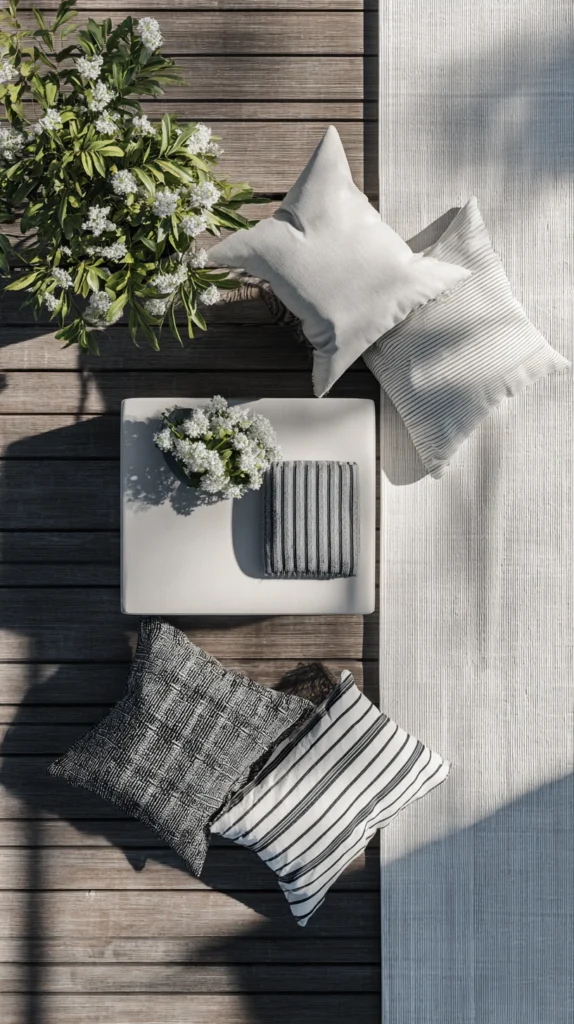
The deck that feels consistently cozy and stylish through the full summer is not the one that was set up once in May and left unchanged until September. It is the one that is refreshed — the cushions washed, the rug hosed down, the plants deadheaded and replaced, the candles renewed, the string light bulbs replaced where they have blown — at the beginning of each month of the season. The seasonal refresh is not a project; it is a two-hour ritual that keeps the deck at the quality of its best day rather than allowing it to decline toward the quality of its worst.
A bottle of outdoor furniture cleaner costs $8–$15. Replacement candles run $10–$25. A replacement plant or two to freshen the collection costs $15–$30. New cushion covers if the existing ones are past their best run $15–$40 each. The monthly refresh costs $30–$80 in materials and two hours of attention, and it produces the sustained quality of a deck that is genuinely loved rather than occasionally noticed.
Style tip: Set a recurring reminder at the beginning of each month from May to September for the deck refresh. A refresh that happens because the calendar prompted it happens consistently; one that is initiated when the deck looks bad enough to require attention has already deteriorated past the point where a two-hour refresh restores it fully. The proactive refresh is always easier, cheaper, and more effective than the reactive one.
The cozy and stylish deck is not the most elaborately decorated or the most expensively furnished. It is the one where someone thought about the light, the comfort, the fragrance, and the sound — where every element was chosen in relation to the others and in relation to the specific hours when the deck is most used. The outdoor room that receives this quality of attention is the outdoor room that becomes the most used room in the house from May to September, which is the measure of success that every piece of outdoor furniture, every string of lights, and every potted lavender was purchased to achieve.