15 Backyard Makeover Ideas That Completely Transform Your Space
15 Backyard Makeover Ideas That Completely Transform Your Space
There is a specific moment in the life of a garden that most gardeners recognise and few know what to do with. The moment when the incremental improvements — the new plants here, the pressure-washed paving there, the fence repainted in a better colour — have been exhausted without producing the transformation that the garden still clearly requires.
The individual changes have been good changes and the garden is measurably better for them, but it has not become what it was clearly capable of becoming. It has been improved without being transformed.
Transformation requires a different kind of decision from improvement. Not a better version of what is already there but a fundamentally different understanding of what the garden is for, how it relates to the house behind it, and what the specific outdoor life of the specific household genuinely requires.
Transformation begins with a clear decision about the garden’s primary purpose — the specific activity, the specific experience, the specific quality of outdoor life that the garden should provide — and then redesigns the space from that purpose outward rather than from the existing condition inward.
Each idea below is a specific transformative approach to the backyard. Each includes what you will need, what it will cost, and a practical tip to make the transformation work as completely as it is capable of.
1. The Complete Lawn Removal and Garden Redesign
Budget: $500 – $5,000
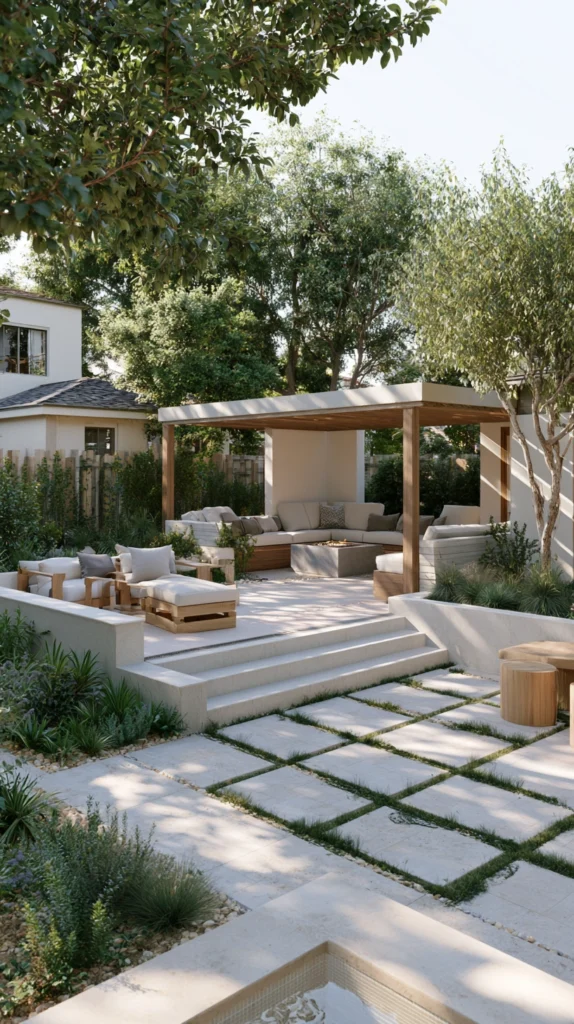
Removing the entire existing lawn and redesigning the garden from a clean base — with new paving, new planting beds in correctly proportioned positions, new path routes, and a single clear organisational logic — is the most completely transformative of all the backyard makeover approaches. The garden that begins from a cleared base rather than from a corrected existing condition has the freedom to be designed rather than merely improved, and the freedom to be designed is the freedom that produces genuine transformation.
Turf removal by a landscaper costs $5–$15 per square metre. A standard backyard of 50 square metres costs $250–$750 to clear. New paving for the primary outdoor living area costs $25–$60 per square metre installed. New planting beds, edging, and soil preparation runs $200–$600. The total cost of a cleared-and-redesigned 50-square-metre backyard runs $1,500–$5,000 depending on the specification of the materials.
Style tip: Spend two weeks observing the cleared garden at different times of day before beginning the redesign. The cleared garden reveals the sun angles, the prevailing wind direction, the natural drainage lines, and the specific views from the primary indoor positions that the existing garden’s structure was obscuring. The observation period produces a design based on the garden’s actual conditions rather than the designer’s assumptions about them.
2. The Outdoor Room Creation
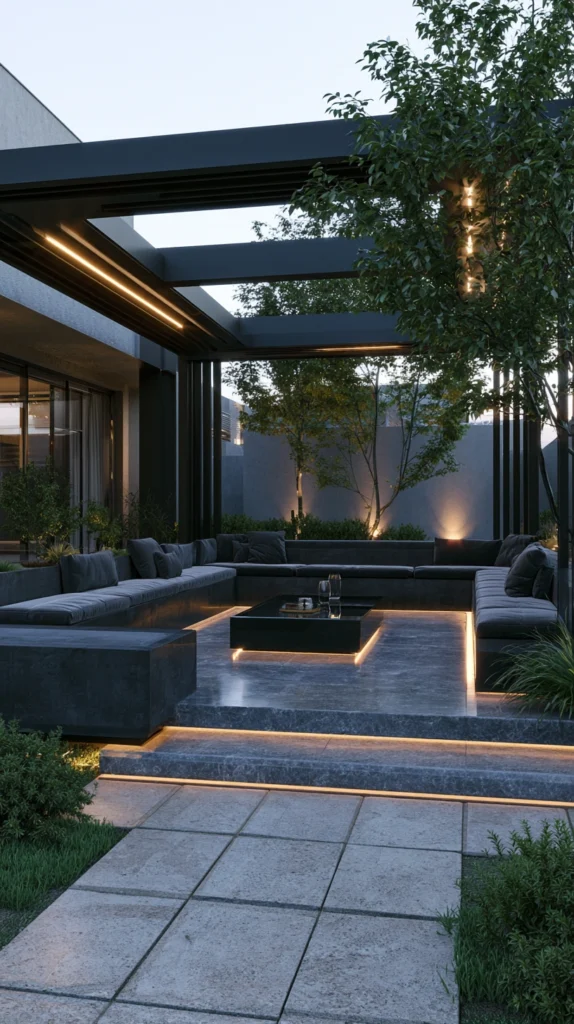
Budget: $1,000 – $8,000
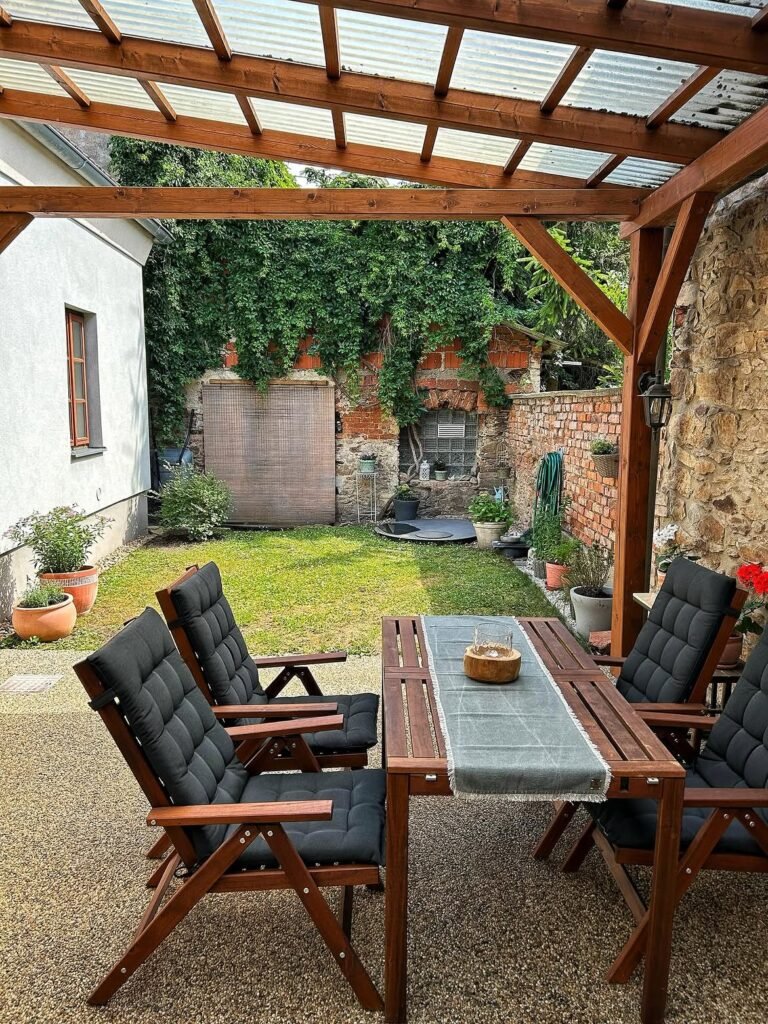
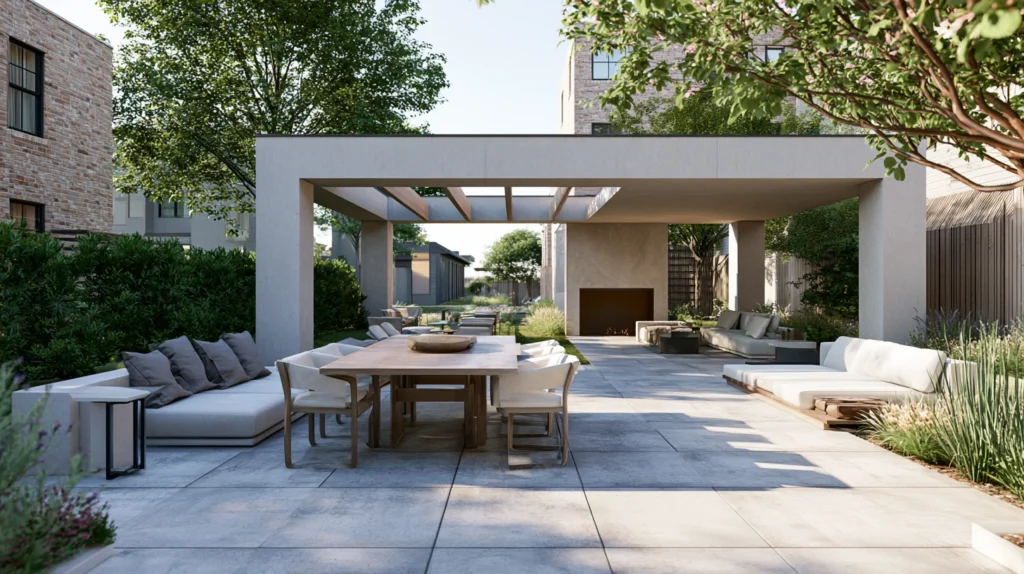
Designing and building a complete outdoor room — defined by a pergola structure, a quality hard floor surface, built-in seating, an outdoor kitchen counter, and a lighting plan — converts the garden from an outdoor floor into an outdoor destination. The outdoor room is not the patio extended; it is the patio reconceived as the garden’s primary living space, with the quality of finish and the quality of amenity that a serious living space requires.
A quality pergola structure costs $400–$2,000. A stone or composite deck floor runs $25–$60 per square metre installed. Built-in seating costs $200–$600. An outdoor kitchen counter runs $300–$800. A complete outdoor lighting plan costs $200–$600. The total outdoor room investment of $1,500–$5,000 produces the most consistent and most dramatic improvement to the daily quality of the outdoor space of any single investment at this cost level.
Style tip: Design the outdoor room so that the transition from the house to the room is as seamless as possible — matching the indoor floor level to the outdoor floor level across the threshold, using related materials on each side of the doorway, and ensuring that the view from the primary indoor living area is directly into the outdoor room rather than at a fence or a blank wall. The threshold quality is the design detail that most determines whether the outdoor room feels like an extension of the house or a destination in the garden.
3. The Boundary and Privacy Transformation
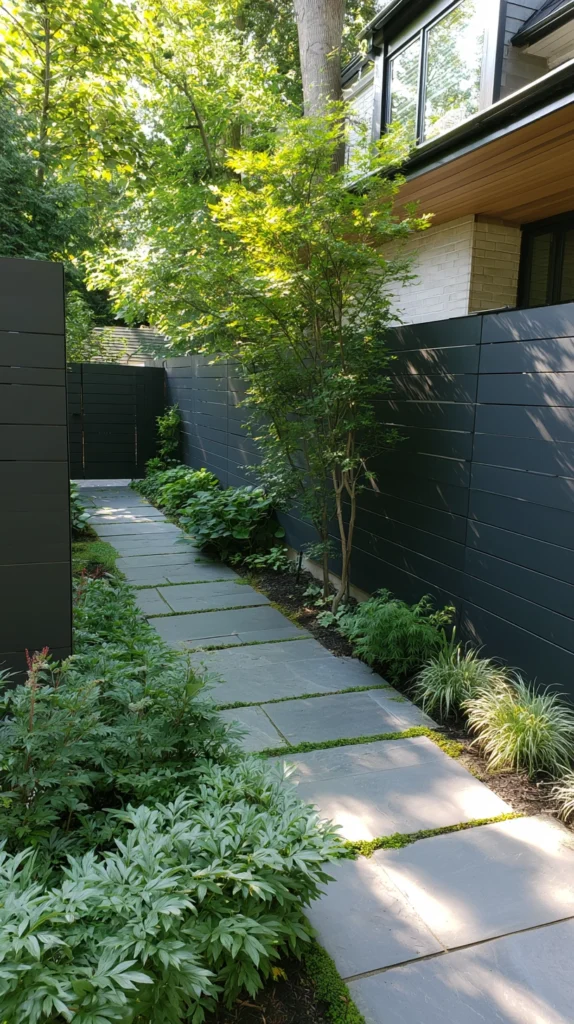
Budget: $400 – $3,000
Replacing inadequate or unattractive boundary fencing with a considered fence in a quality material and a considered colour — combined with privacy planting on the inner face of the new fence — is the makeover that improves every other element of the garden simultaneously. The fence is the backdrop against which every plant, every piece of furniture, and every paved surface in the garden reads, and a fence in the right colour and the right material raises the perceived quality of the entire garden without changing any other element.
A new close board fence in quality timber costs $150–$400 per 6-metre run. Painting the fence in charcoal, forest green, or deep navy costs $25–$60 per tin. Privacy planting against the new fence — bamboo in troughs, climbing roses on trellis extensions — costs $100–$400. The fence and privacy planting investment produces an immediate and complete transformation of the garden’s backdrop quality at a cost that is modest relative to its visual impact.
Style tip: Paint every fence in the garden the same colour rather than leaving some fences in the original brown and painting only the new sections. A garden with one green fence and two brown fences has three differently coloured boundary treatments; a garden with all fences in the same green has one designed boundary that reads as a continuous backdrop. The consistency of the fence colour throughout the garden is the decision that makes the transformation complete rather than partial.
4. The Planted Border Overhaul
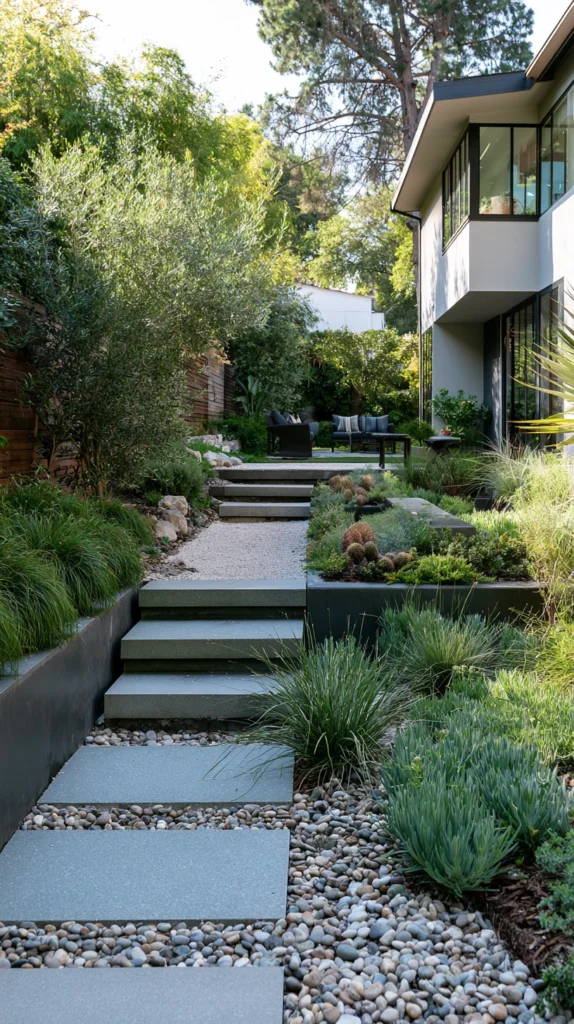
Budget: $200 – $1,500
A planted border that is redesigned from its foundations — all existing planting removed or assessed for retention, the soil improved with organic matter, and a new planting scheme installed with correctly scaled structural plants, seasonal colour, and a considered palette — produces the most organic and most garden-specific of all the backyard transformations. A well-designed planted border gives the garden its character and its seasonal identity, and the garden with a genuinely considered planted border is categorically different from the garden without one.
Soil improvement with compost and organic matter costs $15–$25 per bag — a standard 4-metre border requires six to eight bags. Structural plants — shrubs, grasses, specimen perennials — cost $10–$30 each. Seasonal perennials for colour and texture run $6–$15 each. A complete border redesign with new planting costs $300–$1,000 in plant material for a standard 4 by 1.5-metre border. Plant in layers — tall at the back, medium in the middle, low at the front — and in drifts of three to five of each species rather than individually distributed.
Style tip: Design the border for winter interest as well as summer colour. The garden that is observed from the house is observed in every month of the year, and a border that provides structural interest in winter — through the form of grasses, the silhouette of seed heads, the berries of shrubs — communicates the quality of a designed planting rather than a seasonal display.
5. The Paving and Surface Material Upgrade
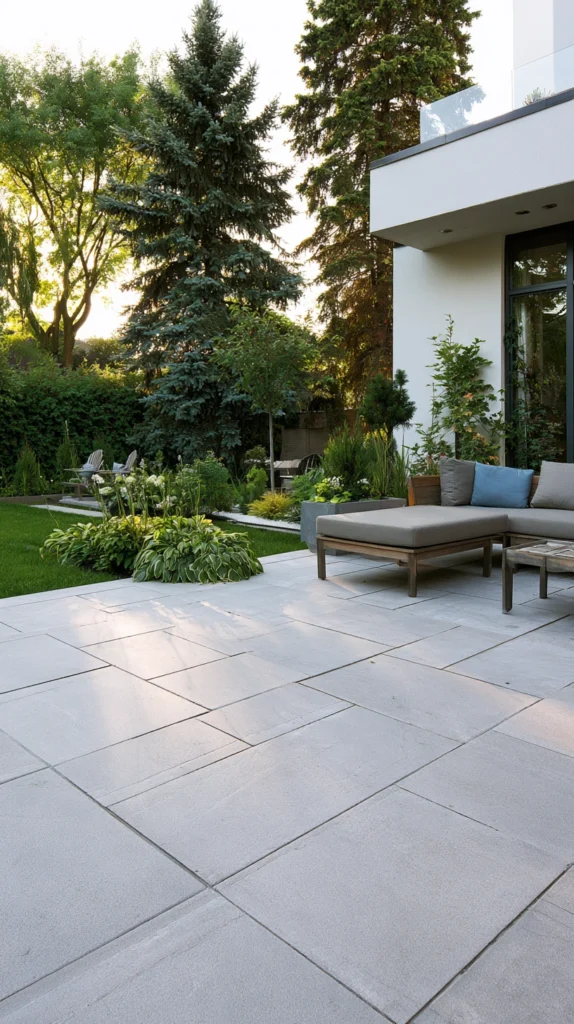
Budget: $1,000 – $8,000
Replacing inadequate, deteriorated, or aesthetically unsuitable paving with a quality natural stone or large-format porcelain — correctly laid on a proper sub-base, with considered jointing and a material that relates to the house exterior — transforms the garden’s primary hard surface from the feature that most consistently undermines the quality of the outdoor space to the feature that most consistently supports it. Good paving is the foundation of the outdoor room in the most literal sense.
Natural sandstone paving costs $25–$60 per square metre installed. Large-format porcelain runs $40–$80 per square metre installed. A standard patio of 20 square metres costs $500–$1,600 in quality paving. The paving quality is the specification most directly linked to long-term satisfaction — a cheap paving material that requires replacement within five years costs more over ten years than a quality material installed once.
Style tip: Choose paving that was designed for the specific climate of the garden. A frost-resistant rating of at least F3 is required for any paving exposed to freezing temperatures — paving installed without the correct frost resistance develops surface spalling and subsurface cracking in the first hard winter and begins to deteriorate from the first season.
6. The Water Feature Installation
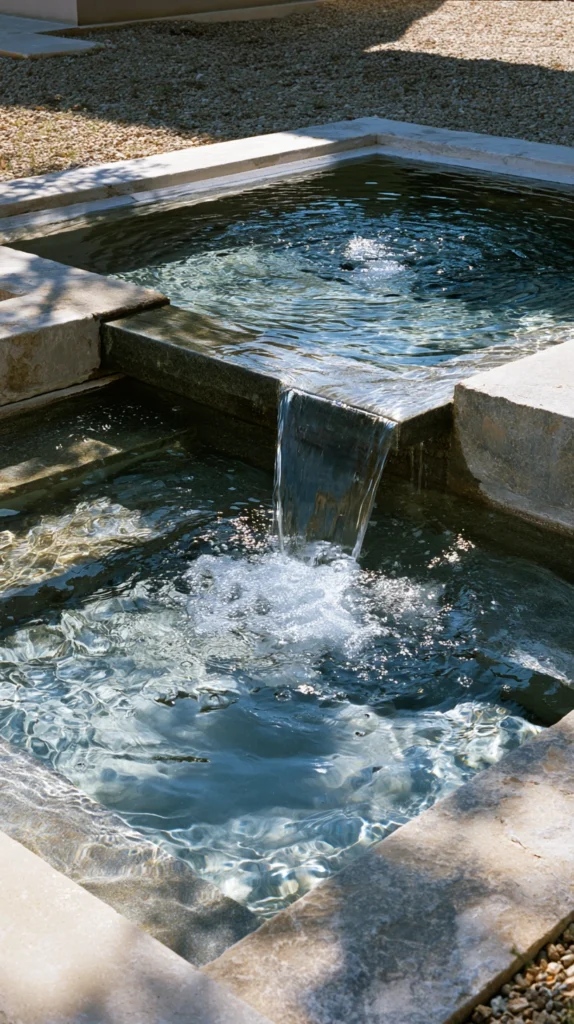
Budget: $100 – $3,000
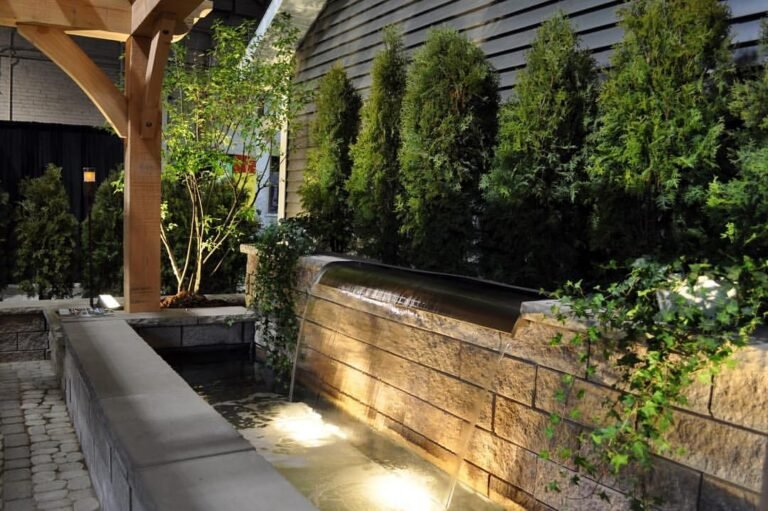
Installing a water feature — a self-contained fountain, a wildlife pond, a recirculating stream, or a formal raised pool — transforms the acoustic and the atmospheric quality of the garden in a way that no other single element can achieve. The garden with a water feature sounds different from the garden without one. The acoustic change — the continuous, undemanding presence of water movement — is the transformation that is felt before it is seen, and it changes the quality of being in the garden more fundamentally than any visual improvement.
A self-contained bubble fountain costs $100–$250. A wildlife pond of 2 by 1.5 metres costs $150–$400 in liner and planting. A formal raised pool costs $400–$1,500. A recirculating stream costs $200–$1,000. Position any water feature within earshot of the primary seating area — a water feature at the far end of the garden provides its ecological and visual contribution without the acoustic contribution that is its primary transformative quality in the human experience of the space.
Style tip: Install the water feature before the surrounding planting rather than after. A water feature installed in cleared ground can be planted around in the way that suits the feature; one installed in an established border disturbs the planting during installation and requires the disturbed planting to re-establish before the feature reads as part of a composed garden rather than a recent addition to it.
7. The Garden Lighting Installation
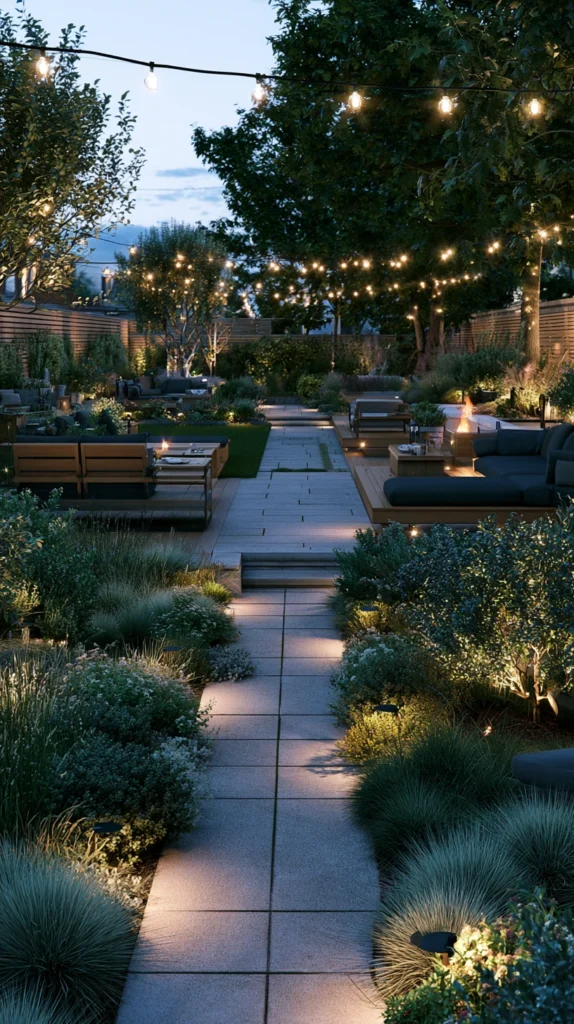
Budget: $200 – $2,000
Installing a considered garden lighting scheme — path lights, border uplights, tree uplights, and a festoon canopy over the primary seating area — transforms the garden from a space that closes at sunset to a space that opens at dusk into its most atmospheric and most beautiful version. The garden that is lit well after dark is used more, enjoyed more, and valued more than the garden that closes at sunset, and the lighting investment earns its return in every additional evening the garden provides through the year.
A complete garden lighting scheme including path lights, border uplights, and a festoon canopy costs $300–$1,000 in materials. Professional installation of an outdoor lighting circuit costs $300–$600. Solar-powered path and border lights at $5–$20 each eliminate the need for a wired circuit for the basic path and border lighting — the festoon canopy is the one element that earns a wired connection.
Style tip: Connect all permanent garden lights to a sunset-triggered timer rather than a fixed time. A timer set to the same time each day provides the correct lighting activation in midsummer and lights the garden an hour early in winter when sunset is much earlier. The sunset-triggered timer adjusts automatically to the seasonal change in sunset time and keeps the garden lit at the right moment throughout the year.
8. The Children’s Play Area Design
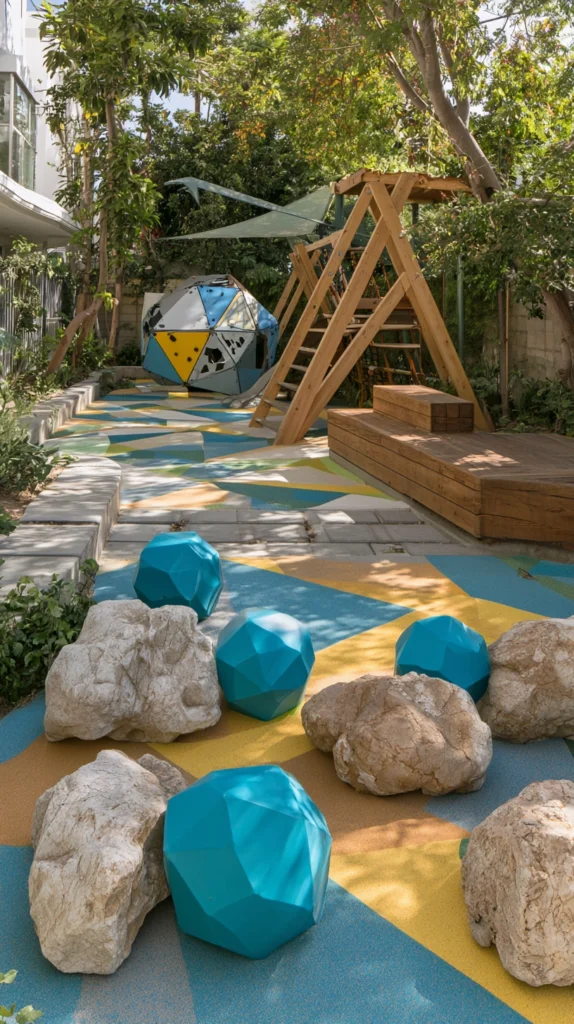
Budget: $200 – $2,000
A dedicated children’s play area — designed as an intentional garden zone rather than as equipment placed wherever it fitted — transforms the garden for families with children more completely than any other single intervention. The designed play area gives the children a specific territory in the garden and frees the rest of the garden from the visual clutter of play equipment distributed throughout the space, allowing the remainder of the garden to be designed for adult use alongside rather than in competition with the children’s use.
A rubber safety mat base for the play area costs $15–$40 per square metre. A play structure — climbing frame, slide, and swing combination — costs $200–$800. A sand pit costs $40–$150. A path connecting the play area to the house costs $40–$120 in materials. The play area should be visible from the kitchen window for supervision while remaining physically separated from the adult outdoor living area.
Style tip: Design the play area to evolve as the children grow rather than to be replaced at each developmental stage. The rubber mat base and the path connection are permanent; the play structure is positioned on top of the permanent base and can be replaced with age-appropriate equipment at each stage without disturbing the underlying infrastructure. The permanent base is the investment; the equipment is the expenditure.
9. The Vegetable and Productive Garden Zone
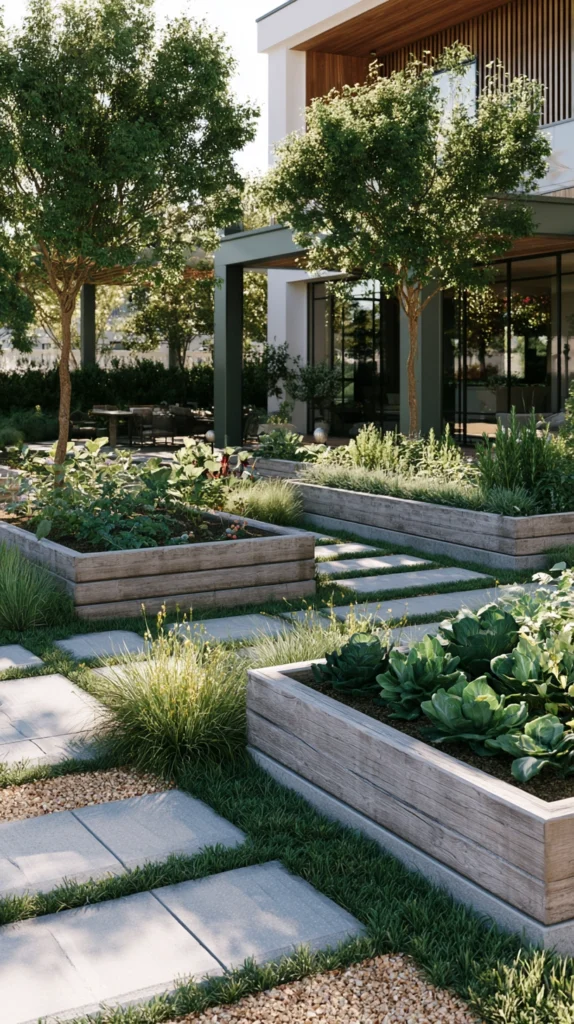
Budget: $200 – $1,500
Converting a section of the backyard to productive growing — raised beds for vegetables, a fruit tree on the fence, a cutting flower border — transforms the garden from a space that is maintained into a space that produces. The productive garden provides the specific motivation for regular engagement with the outdoor space that the ornamental garden alone does not always sustain, and the harvest — the tomatoes, the herbs, the cut flowers — connects the garden to the daily life of the household in a way that purely ornamental planting does not.
Three raised beds in quality timber cost $120–$300. A trained fruit tree on a dwarfing rootstock runs $25–$60. A cutting flower border — dahlias, cosmos, sweet peas — costs $15–$40 in seed and plants. The complete productive zone costs $160–$400 in materials and produces a harvest within the first season. Position in the sunniest available area of the garden — productive plants require more direct sun than ornamental species, and the sunniest position is always the correct one regardless of its relationship to the existing garden layout.
Style tip: Make the productive garden visually beautiful as well as functionally productive. Raised beds in consistent quality timber with coppiced hazel plant supports, an espaliered fruit tree trained in a formal pattern, a cutting border planted in drifts of colour — the productive garden that is beautiful communicates the quality of a garden designed for both the eye and the table rather than a utility area at the end of the garden.
10. The Outdoor Kitchen and Dining Zone
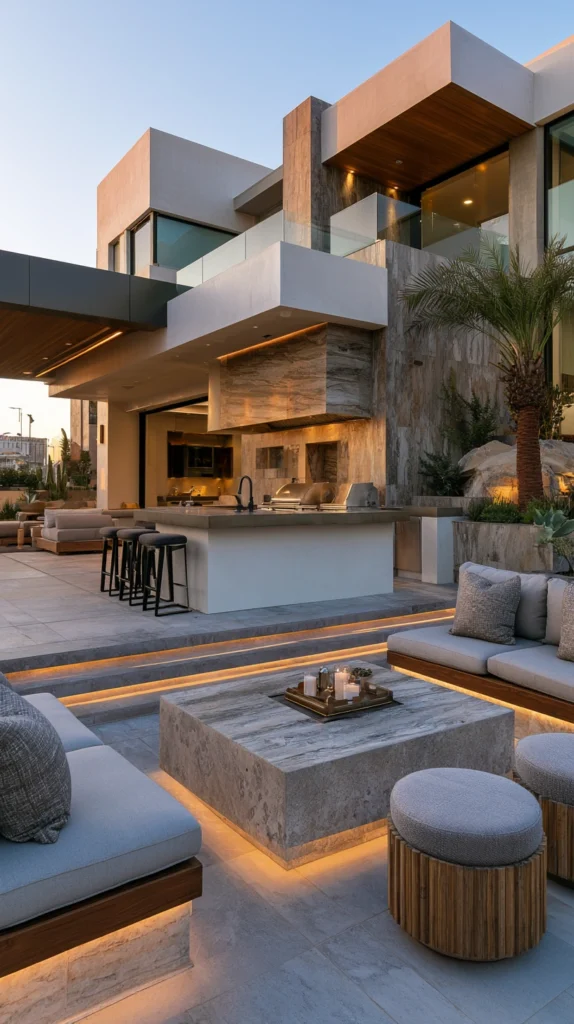
Budget: $800 – $8,000
Installing a dedicated outdoor kitchen and dining zone — a built-in cooking station, a proper dining table at the correct scale for the household’s entertaining, and a shade structure above — transforms the garden from a space where eating outside is an occasional event requiring significant setup into a space where eating outside is the default option for any meal that the weather allows. The outdoor kitchen and dining zone communicates that outdoor eating is a priority rather than a possibility.
A built-in outdoor kitchen counter with grill costs $400–$2,000. A dining table for six in a quality outdoor material costs $200–$600. A shade structure above the dining zone costs $300–$2,000. The total outdoor kitchen and dining zone investment of $900–$5,000 produces more change to the daily outdoor life of the household than any equivalent investment in the garden’s visual quality, because it changes what the outdoor space is used for rather than how it looks.
Style tip: Position the dining table so the seated guests face the garden rather than the house wall. The outdoor dining experience is defined by the quality of the view from the table, and the view that faces into the garden rather than back toward the house communicates an outdoor dining environment that values the garden it is in.
11. The Front-to-Back Garden Connection
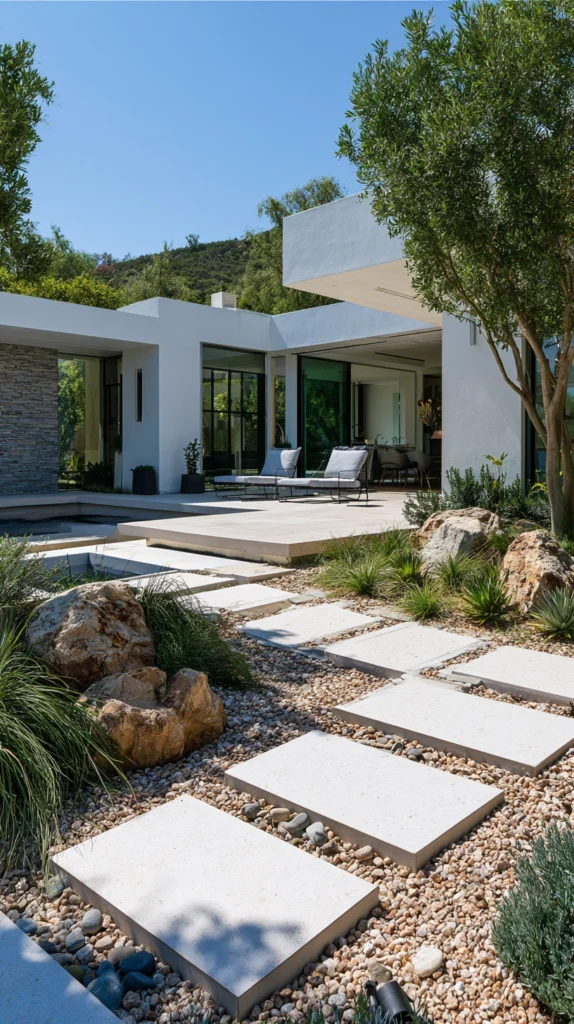
Budget: $200 – $1,000
Improving the connection between the house and the back garden — through a better path, a better gate, a better relationship between the indoor floor level and the outdoor floor level, or the removal of the step that creates the threshold interruption — transforms the daily use of the garden more directly than any improvement within the garden itself. The garden that is easy to enter is the garden that is used; the garden that requires a specific decision to access — the step, the heavy gate, the path that goes in the wrong direction — is the garden that is used only when the motivation is high enough to overcome the access friction.
A new path from the back door to the primary outdoor area costs $60–$200 in gravel or stepping stone materials. A new gate or a gate improvement costs $40–$150. Lowering the back door threshold to match the outdoor level costs $200–$600 in construction. The combined access improvement costs $300–$950 and produces a measurable increase in the daily frequency of outdoor use — the garden that is entered easily is entered more often.
Style tip: Clear every obstacle between the back door and the primary outdoor seating — the step, the wet patch, the narrow gate, the dark corner — before making any other garden improvement. The access improvement earns its investment on every single day that the garden is used; the planting improvement earns its investment only when the garden is observed.
12. The Wildlife and Ecological Garden Transformation
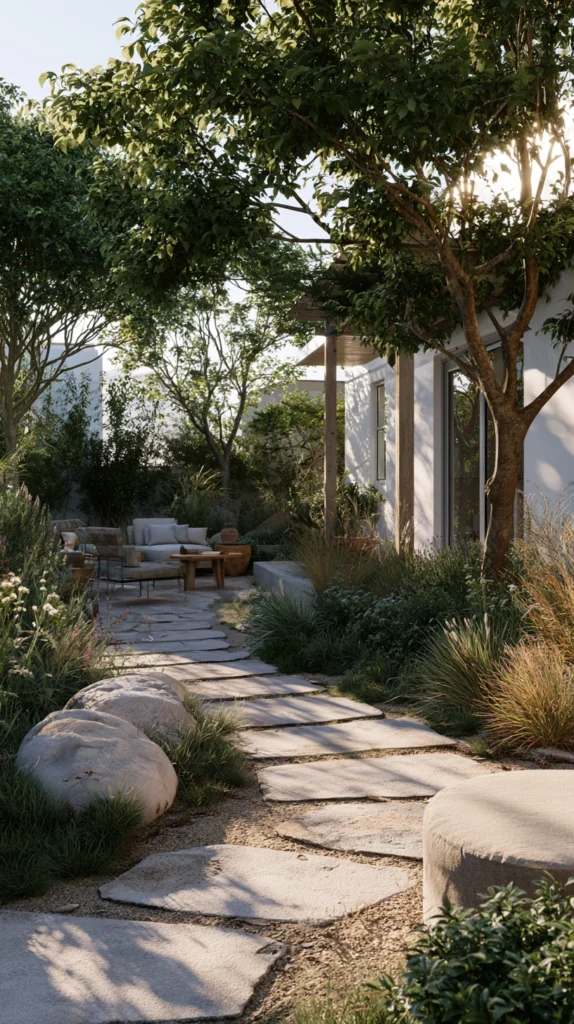
Budget: $100 – $1,000
Transforming the garden from a maintained outdoor space into a functional ecological habitat — through wildflower meadow areas, a wildlife pond, native planting, a log pile, a bat box, a bird feeding station, and the elimination of pesticides — produces the most ethical and the most genuinely alive of all the backyard transformations. The ecological garden is not a neglected garden; it is a deliberately managed one, and the management decisions that produce ecological richness — leaving grass areas unmown, leaving seed heads standing, allowing some areas to develop without intervention — are the decisions that produce the most specifically beautiful garden at the lowest maintenance cost.
Wildflower seed for a meadow area costs $5–$20 per packet. A wildlife pond costs $100–$400. Native plants for the garden costs $4–$15 each. A bat box costs $20–$50. A bird feeding station runs $30–$80. The total ecological transformation costs $200–$600 in materials and produces a garden that improves in ecological richness and in biodiversity value every season thereafter.
Style tip: Begin the ecological transformation by stopping — stopping mowing a defined area, stopping pesticide use, stopping the cutting back of seed heads in autumn. The ecological garden requires less management than the conventionally maintained garden, and the first step toward it is the removal of the management practices that are preventing ecological richness rather than the installation of new features.
13. The Hardscape and Soft Landscape Balance Correction
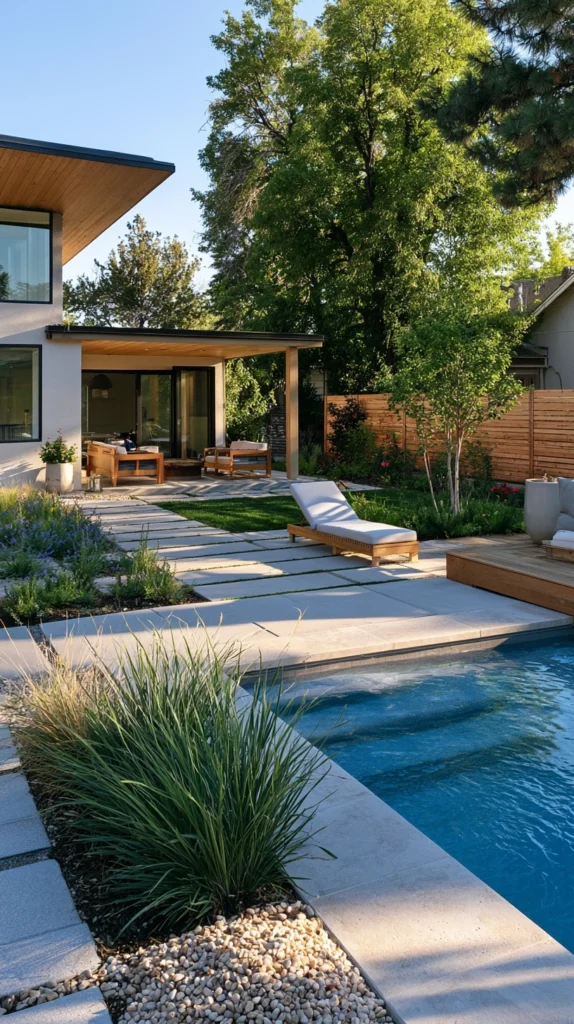
Budget: $500 – $4,000
Most backyards are either over-paved — with so much hard surface that the garden reads as an outdoor room with nowhere for anything to grow — or under-paved, with so much lawn that the garden has no defined outdoor living space and the quality of the outdoor life it provides is limited by the quality of the grass at the time of visit. The makeover that corrects this balance — reducing excessive paving and replacing it with planting, or reducing excessive lawn and replacing it with defined paving — produces a more functional and a more visually balanced garden without introducing any new design idea beyond the correct proportion of hard to soft.
The correct proportion of hard to soft in a typical backyard is approximately 40 percent hard surface and 60 percent planted or soft — the specific proportions vary with the garden’s use, but the general principle that a garden needs more growing space than most over-paved gardens provide and more defined living space than most over-lawned gardens provide is one that applies to the majority of standard backyards.
Style tip: Calculate the existing proportion of hard to soft in the garden before deciding the direction of the correction. A garden that is 70 percent paved needs planting added; a garden that is 80 percent lawn needs paving added. The calculation takes ten minutes and produces the specific direction of the makeover without requiring a full design process.
14. The Seasonal Planting Programme
Budget: $50 – $300 per season
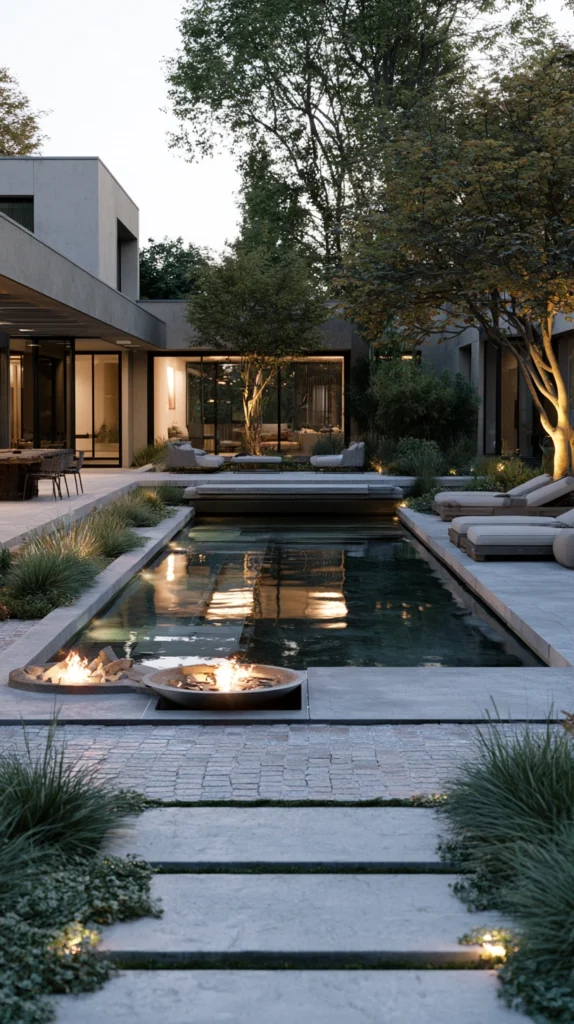
Establishing a seasonal planting programme — spring bulbs planted in autumn, summer annuals planted in late spring, autumn interest planted in late summer — transforms the garden from a static space that is assessed once and managed thereafter into a dynamic space that provides new interest and new colour at every change of season. The seasonal planting programme is the commitment to the garden as an ongoing relationship rather than a completed project, and it is the commitment that most distinguishes the genuinely good garden from the garden that was designed once and has been gradually declining since.
Spring bulb collections for seasonal interest cost $10–$30 per planting. Summer annual plug plants run $15–$40 per seasonal change. Autumn and winter interest planting costs $15–$40. The total seasonal programme costs $50–$120 per season — less than almost any other garden investment — and produces the most consistent ongoing improvement to the garden’s quality of any recurring expenditure.
Style tip: Order the next season’s planting while the current season’s display is still performing — spring bulbs ordered in late summer, summer plugs ordered in late winter. Planting ordered at the right time is planted at the right time; planting ordered when it is needed is often unavailable or has to be planted at the wrong time, producing a poorer display than correctly timed planting provides.
15. The Master Plan and Phased Implementation
Budget: $300 – $2,000 for the plan; phased implementation at any budget
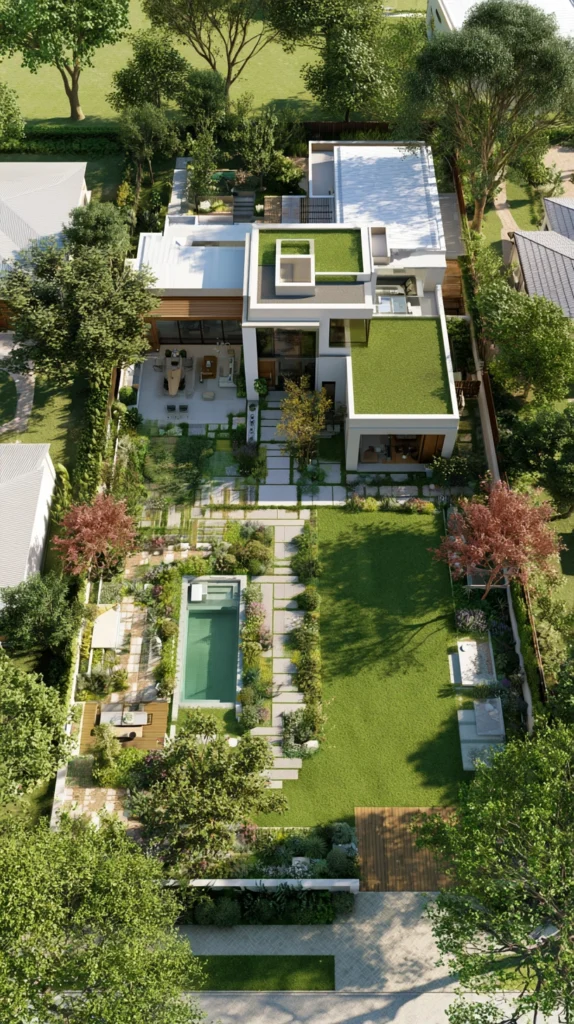
The most transformative of all the backyard makeover approaches is the one that begins with a master plan — a designed vision of the completed garden that addresses every element, every proportion, every material, and every planting zone simultaneously — and then implements that plan in phases as the budget allows. The garden designed and implemented in phases from a master plan arrives at a coherent and complete result; the garden improved incrementally without a master plan accumulates a series of individually reasonable decisions that collectively produce an incoherent garden.
A garden designer’s master plan for a standard backyard costs $500–$2,000. A self-designed master plan using garden design software or hand drawing costs nothing beyond the time required to produce it. The master plan shows the completed garden in its designed state and specifies the sequence of implementation phases — beginning with the permanent infrastructure (paving, fencing, structures) and proceeding to the variable elements (planting, furniture, accessories) in subsequent phases.
Style tip: Begin the master plan implementation with the permanent boundary and structural elements rather than with the planting, which is the natural instinct. A garden with correctly designed permanent structures and young, establishing planting reads as a garden in the early stages of its designed life; a garden with mature planting and incorrectly positioned permanent elements reads as a garden that was planted before it was designed. The structure first, the planting around it — always in this sequence.
The backyard transformation that lasts is not the one with the highest specification or the largest budget. It is the one that begins with the clearest understanding of what the garden is for — what specific outdoor life it is designed to support, what specific experience it is designed to produce, and what specific relationship to the house and the household it is meant to create — and then makes every subsequent decision in service of that understanding rather than in response to the existing condition it inherits.
Begin with the question rather than the answer. What should this garden be? What should it feel like to be in it at seven o’clock on a summer evening? What should it look like from the kitchen window on a winter morning? Answer those questions honestly, with the specific knowledge of the specific household they are asked about, and the transformation begins at the moment of the answer rather than at the moment the first turf is lifted.