14 Korean-Inspired Pink Bedroom Ideas for a Dreamy Soft and Cozy Vibe
14 Korean-Inspired Pink Bedroom Ideas for a Dreamy Soft and Cozy Vibe
There is a specific quality to Korean interior aesthetics that Western bedroom design consistently reaches toward and rarely quite achieves. It is the quality of a room that is simultaneously full and calm — layered with textiles and objects and warm light without ever feeling cluttered or busy. It is the quality of softness as a design philosophy rather than softness as a colour choice, and it produces rooms that are genuinely comforting rather than simply pretty.
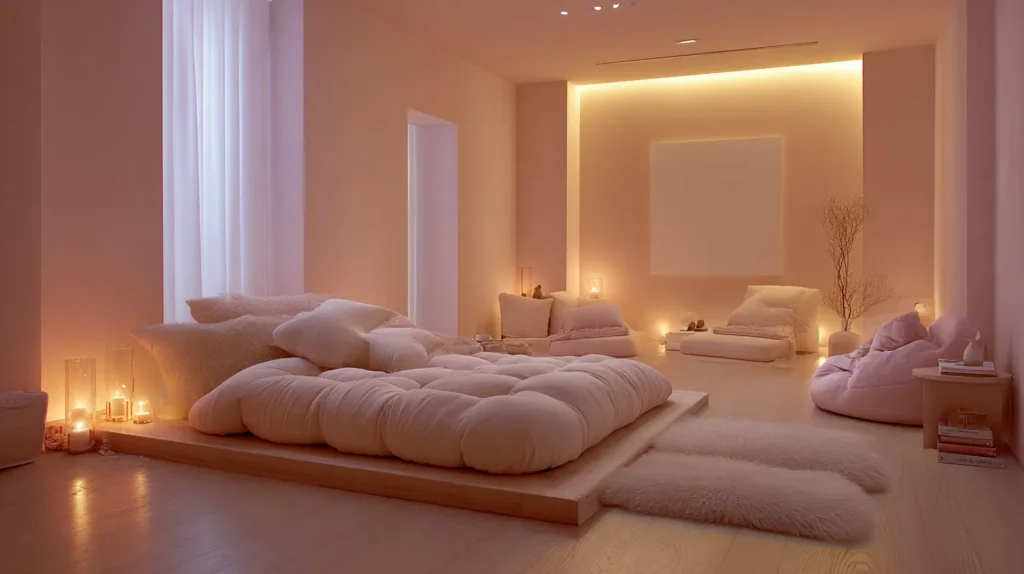
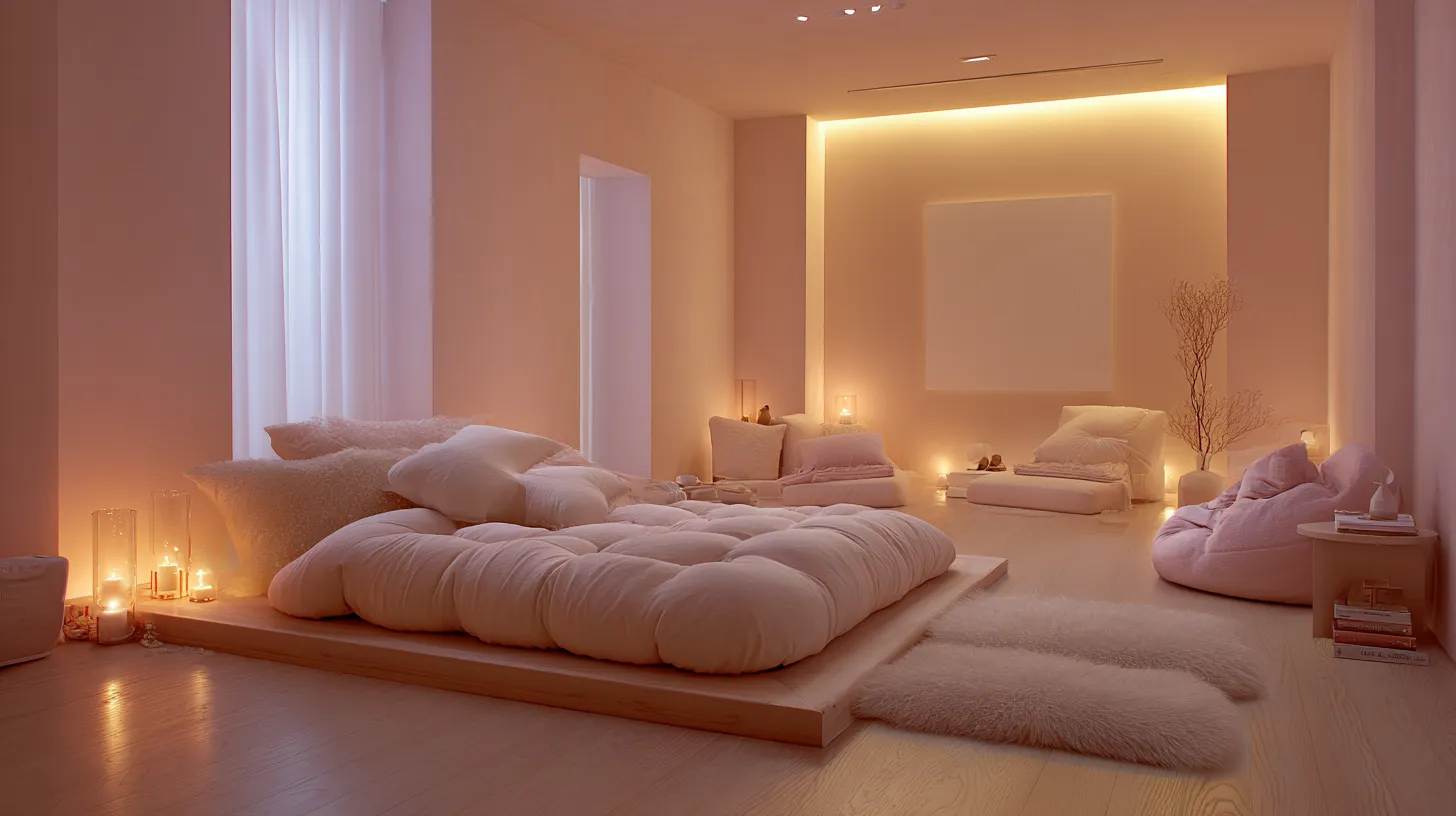
The Korean-inspired bedroom takes this quality and expresses it through the specific palette and material vocabulary that has become globally recognisable through Korean content — the pale woods, the abundance of plush textiles, the warm ambient light, the careful accumulation of small meaningful objects, and the pink that is never assertive but always present.
It is a bedroom that was designed for the specific pleasure of being in it rather than for the impression it makes from the doorway, and that distinction is what makes it genuinely cozy rather than aesthetically cozy.
Each idea below is a specific, buildable element of the Korean-inspired pink bedroom. Each includes what you will need, what it will cost, and a practical tip to make the whole thing work as well as the warm, layered room it is reaching for.
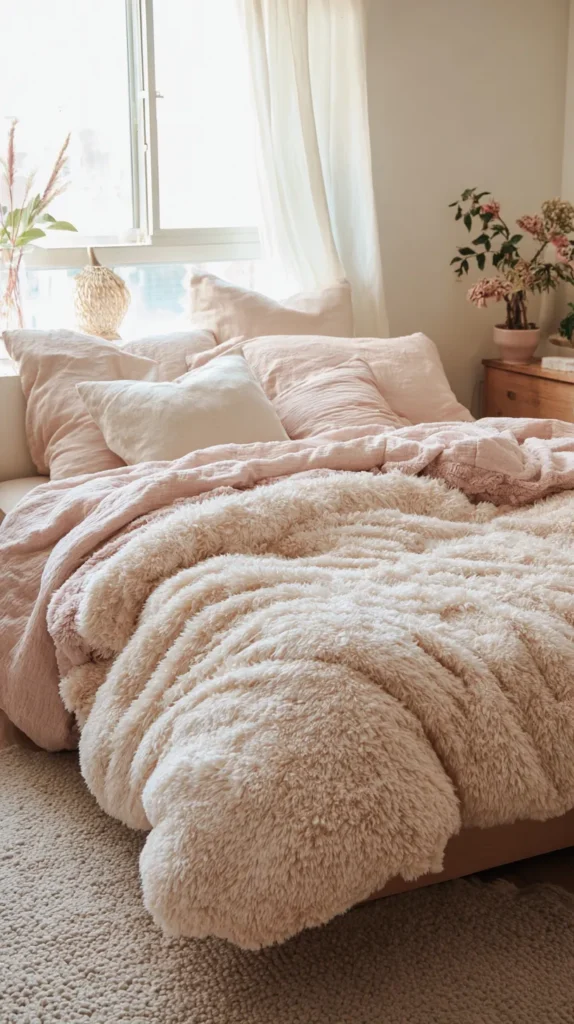
1. The Korean Bedding Bundle — The Cloud Comforter
Budget: $80 – $400
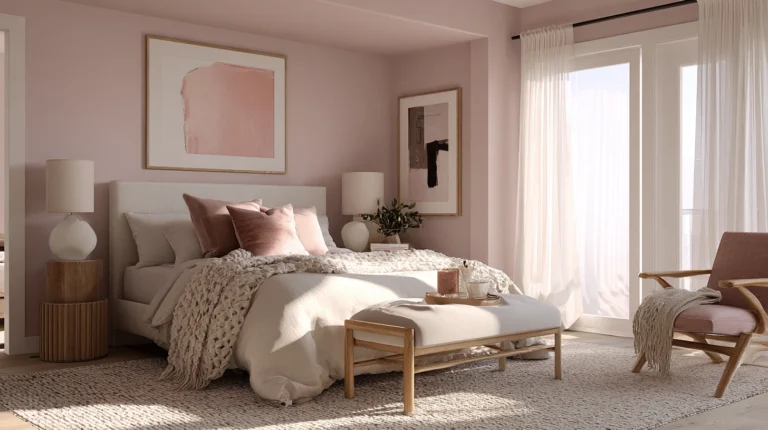
The centrepiece of the Korean-aesthetic bedroom is the bedding — specifically the high-loft, cloud-like comforter in a pale pink, white, or warm cream that creates the impression of sleeping inside something soft rather than on top of something flat. The Korean cloud comforter is not a standard duvet. It is specifically a high-fill-power, lofty, generously sized bedding piece that creates the visual and tactile abundance that the aesthetic is built around.
A high-loft comforter in blush or white costs $60–$200. A Korean-style quilted bedspread in a pink ruffle or pintuck design runs $50–$150. A duvet set with a high thread count in the correct pale pink tone costs $80–$200 for a complete set. Layer the comforter over a fitted sheet and beneath a lightweight decorative quilt folded at the foot of the bed — the layering is the technique that creates the cloud effect rather than any individual piece alone.
Style tip: Choose a comforter that is one to two sizes larger than the bed it covers — a king-size comforter on a double bed, or a super-king on a king — so the fabric pools generously over the sides and the foot rather than sitting flush with the mattress edge. The oversized comforter creates the cloud overflow that characterises the Korean bedding aesthetic and that a correctly sized comforter cannot replicate regardless of its fill quality.
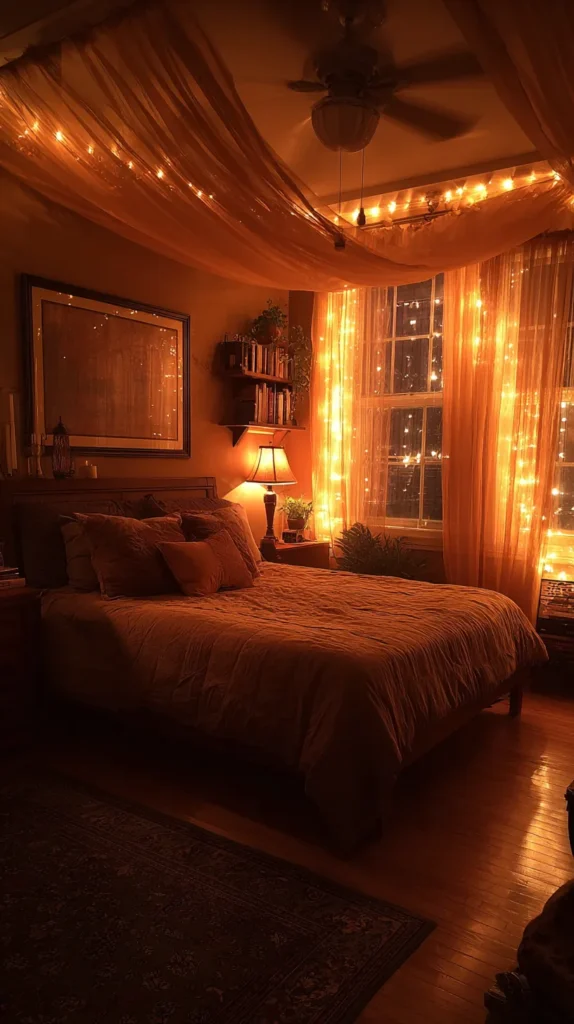
2. The Warm Ambient Lighting Setup
Budget: $30 – $150
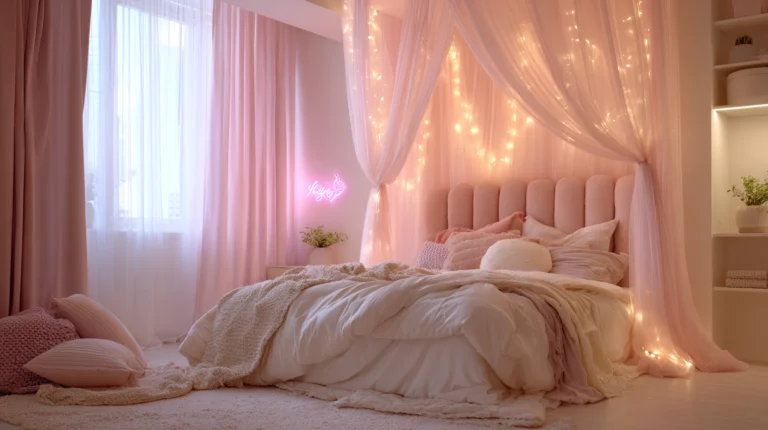
Korean bedroom aesthetics are defined as much by the quality of the light as by any decorative element — the specific warm, diffuse, low-level amber light that makes every surface glow rather than the overhead brightness that flattens a room. The ambient lighting setup is the technical foundation of the Korean bedroom and it is the element that most transforms the room from its daytime version to its evening version, which is the version that the aesthetic is most specifically designed for.
Warm white LED string lights on a 10-metre reel cost $10–$25. A mushroom lamp or a pebble lamp in a warm amber tone runs $20–$60. A salt lamp costs $15–$40 and produces the specific warm orange glow that references the Korean bedroom most directly. A warm-toned bedside lamp with a diffusing shade costs $25–$80. All light sources should be at 2700K or warmer — the amber warmth of the light temperature is the single most important technical specification of the Korean bedroom aesthetic.
Style tip: Layer at least four light sources at different heights — fairy lights at ceiling level, a wall lamp at eye level, a bedside lamp at table height, and a floor or low shelf lamp near the ground. The four-level lighting creates the wrap-around warmth that the Korean bedroom aesthetic requires and that a two-level arrangement — overhead and bedside — cannot produce regardless of how warm the bulbs are.
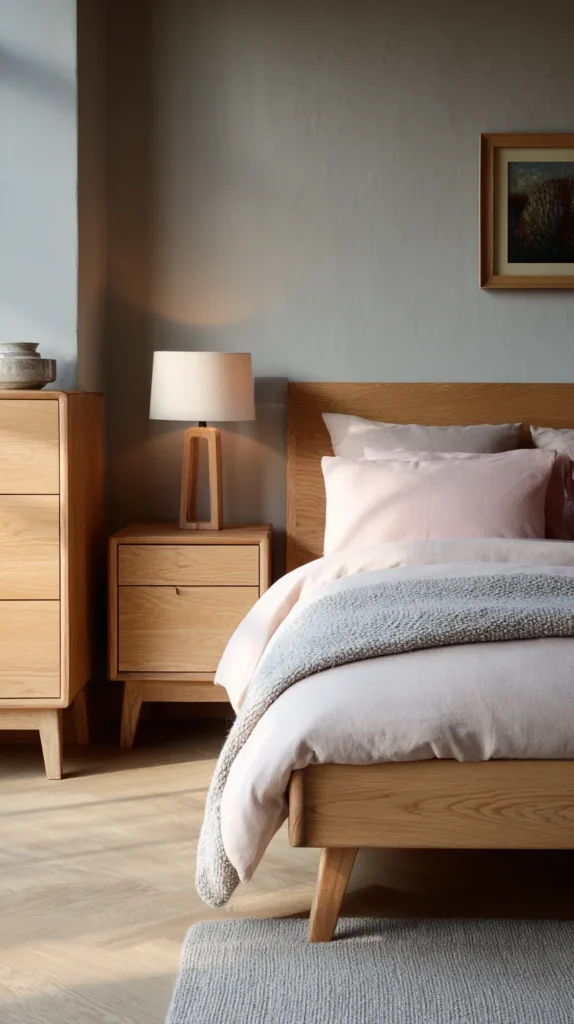
3. The Pale Wood Furniture Foundation
Budget: $300 – $2,000
Korean interior design consistently uses pale, fine-grained timber — light oak, ash, or birch — in furniture with clean, simple lines and a natural, unsealed or lightly oiled finish. The pale wood in a Korean bedroom provides the warm neutral backdrop against which the pink textiles and the warm lighting read at their most beautiful, and the furniture’s simple form prevents the layered softness of the bedding and the accessories from reading as clutter.
A pale oak or birch bed frame in a simple, low-profile design costs $300–$1,000. A matching pale timber bedside table runs $80–$200 each. A simple pale timber dresser costs $200–$600. Choose furniture in a finish that shows the grain of the timber clearly — the grain is the natural pattern that gives pale wood its warmth, and a heavily lacquered or painted finish covers exactly the quality that makes the material appropriate for the Korean aesthetic.
Style tip: Keep all timber furniture in the same species and finish rather than mixing oak and pine and birch in the same room. Pale timbers of different species have subtly different undertones — some lean warm, some lean cool, some lean grey — and a room with mixed pale timber furniture has a visual inconsistency that registers without being identifiable. The material consistency of a single pale timber species throughout the room is the foundation of the Korean bedroom’s specific quality of calm.
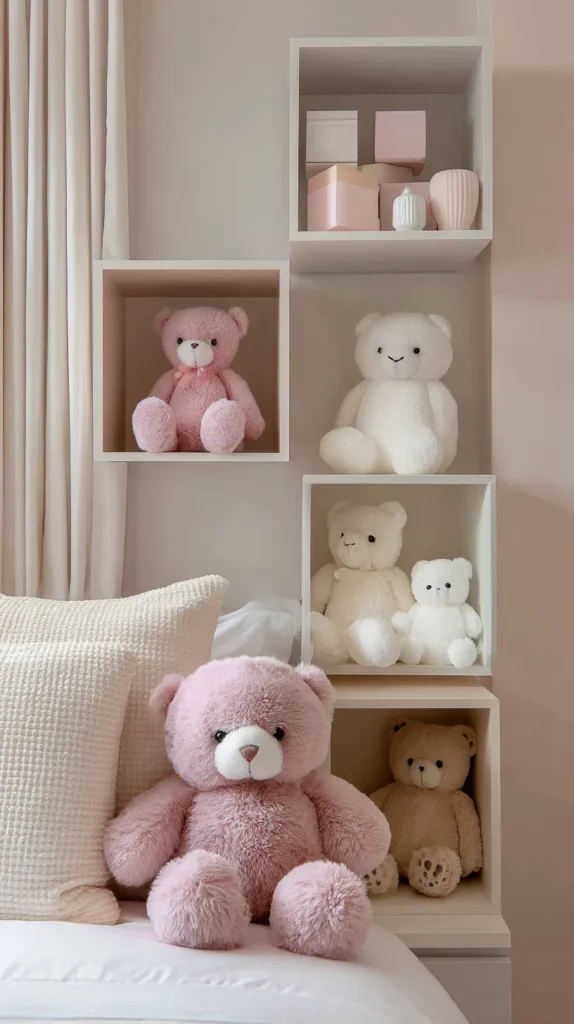
4. The Aesthetic Plushie and Stuffed Animal Collection
Budget: $30 – $200
A curated collection of plushies — soft stuffed animals, character plushies, and cloud or bear shapes in pink, white, and cream — arranged on the bed, on a shelf, or on a window seat is the element of the Korean bedroom aesthetic that is most specific to the culture and most immediately recognisable as part of it. The plushie collection is not childish in this context; it is a deliberate aesthetic choice that communicates a specific relationship to softness and to the playful quality of the Korean interior aesthetic.
Individual plushies in aesthetic shapes — bears, bunnies, clouds, characters — cost $8–$40 each. A large plushie as a bed statement piece runs $20–$60. A shelf arrangement of five to seven small plushies costs $40–$200 in total. Choose plushies in a consistent colour palette — all pink, white, and cream rather than a mixed-colour collection — so the arrangement reads as curated rather than accumulated. The palette consistency is the detail that transforms a collection of soft toys into an aesthetic display.
Style tip: Mix plushie sizes within the collection — one large, two medium, and three small — rather than using all plushies of similar size. The size variation gives the arrangement the visual interest and the depth that a uniform-sized collection lacks, and it creates a natural hierarchy within the display that makes the arrangement read as composed rather than assembled.
5. The Korean-Style Desk Corner
Budget: $100 – $600
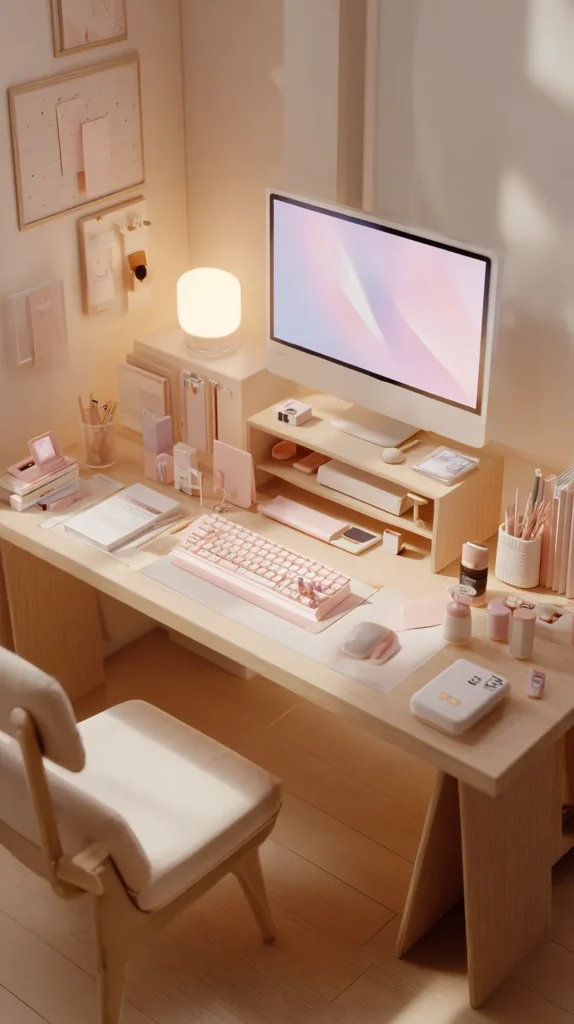
A dedicated desk corner styled in the Korean aesthetic — a pale timber desk with a monitor or laptop, a pastel desk organiser, a small lamp with warm light, a plant or two, and a collection of stationery in pink and white — creates the study aesthetic that is as central to Korean bedroom culture as the bedding. The Korean study corner is not a home office. It is a curated workspace where every object was chosen for both its function and its contribution to the overall pink-and-pale aesthetic.
A pale timber desk costs $100–$400. A pastel pink desk organiser runs $15–$40. A warm-toned desk lamp costs $25–$80. A small plant — a pothos, a succulent, a small monstera — costs $8–$20. Pink and white stationery costs $10–$30 for a coordinated set. A monitor stand in pale wood or white acrylic runs $20–$60. The desk corner should be photographable — the Korean aesthetic is culturally connected to content creation and the desk corner that is genuinely beautiful in its organisation communicates the aesthetic most completely.
Style tip: Cable management is the desk corner detail that most determines whether the styled Korean workspace reads as aesthetic or as domestic. Route cables behind the desk surface using adhesive cable clips, hide the power strip behind a decorative box, and bundle visible cables with cable ties. A desk with visible cable chaos undermines every other styling decision at the most visible and most close-up surface in the room.
6. The Pink Cherry Blossom Wall Art
Budget: $20 – $150
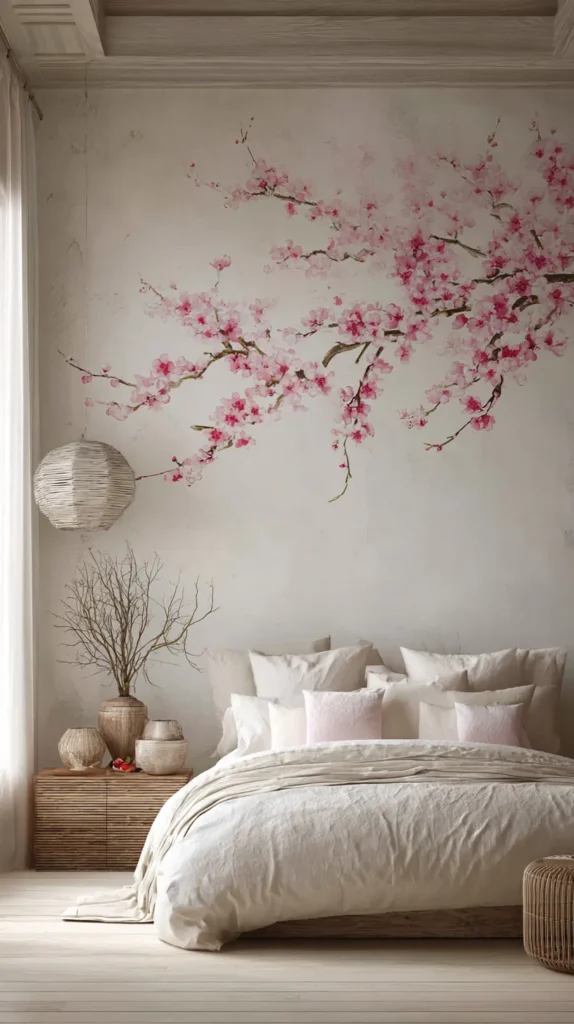
Cherry blossom imagery — a large canvas print, a series of smaller botanical prints, or a painted branch of cherry blossoms on a feature wall — creates the most culturally specific and most beautiful of all the Korean bedroom’s pink wall art options. The cherry blossom is the aesthetic symbol of Korean and East Asian spring and it communicates the specific quality of beautiful transience that the soft, dreamy bedroom is reaching for. A cherry blossom branch painted in pale pink on a white wall above the bed is one of the most genuinely beautiful bedroom wall treatments available at any cost.
A large cherry blossom canvas print costs $30–$100. A set of smaller botanical prints runs $15–$50. Pink cherry blossom wall decals cost $15–$40 for a branch-and-petal set. A hand-painted branch using a sponge and pale pink acrylic paint costs $5–$15 in materials and an afternoon of careful execution. Position the cherry blossom above the bed as the wall’s primary decorative element — the bed wall is the most visible surface in the bedroom and the most photographed position for art.
Style tip: Paint a cherry blossom branch in the morning before other decorative elements are in position so the branch can be designed in relation to the empty wall rather than around existing objects. A branch that was painted to work with the wall before the furniture and the decor were placed looks as if it belongs to the room; one that was added last and must work around existing objects always reads as added rather than integrated.
7. The Cozy Reading Nook Corner
Budget: $80 – $400
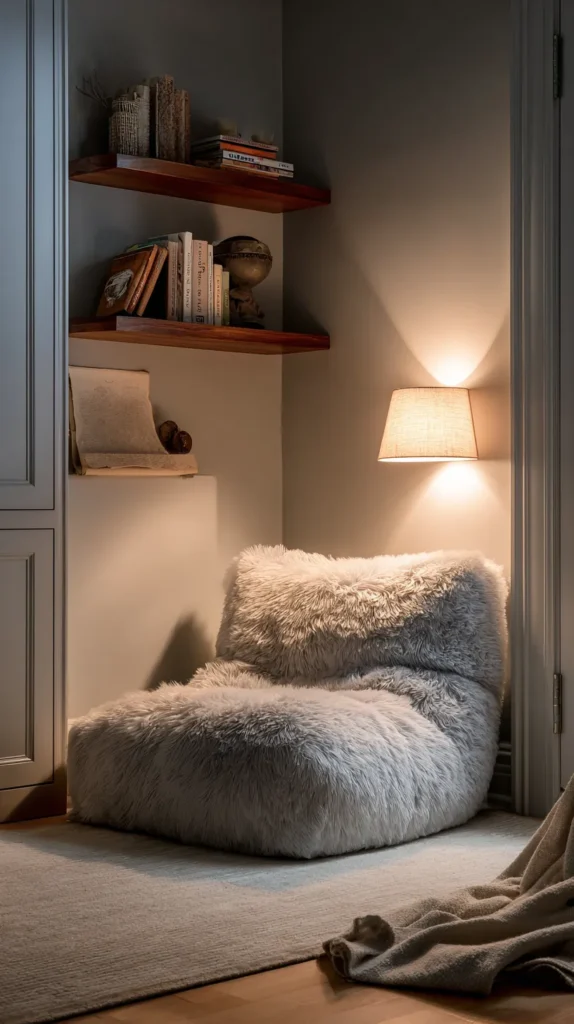
A reading corner in the Korean bedroom — a floor cushion or a small plush chair in the corner furthest from the bed, with a warm lamp beside it, a small shelf of books and plants above it, and a blanket folded within reach — creates the room within the room that the Korean aesthetic loves. The reading nook communicates that the bedroom has multiple modes — sleeping mode, study mode, reading mode — and that each mode was considered and designed for.
A large floor cushion or a meditation cushion in pink or cream costs $25–$80. A small plush chair runs $80–$250. A warm-toned reading lamp costs $25–$80. A small floating shelf above the reading nook costs $20–$50. A soft blanket for the nook costs $25–$60. The reading nook requires a position that receives some natural light during the day and good artificial light in the evening — a corner beside a window is almost always the right location.
Style tip: Style the reading nook with three to five books that are genuinely being read or recently finished rather than books chosen for aesthetic purposes alone. Books that are present because they are being engaged with communicate a different quality than books present as decoration, and the genuine presence of reading material gives the nook its specific quality of actual use rather than intended use.
8. The Aesthetic Plant Collection
Budget: $40 – $200
A collection of plants in the Korean bedroom — in ceramic pots in pink, white, and cream that match the room’s palette, positioned at varying heights on shelves, on the desk corner, on the windowsill, and on the floor — gives the room the living quality that distinguishes a genuinely inhabited space from a decorated one. The Korean aesthetic uses plants not as statement pieces but as part of the room’s organic accumulation of beautiful, living things.
A small pot in a pink ceramic pot costs $12–$25. A trailing string of hearts in a hanging ceramic planter runs $15–$35. A small monster on a timber stand costs $20–$60. A succulent collection in a tray of matching small ceramic pots costs $15–$40. Choose plants that suit the actual light conditions of the bedroom — a plant placed in lower light than it requires declines regardless of how well it was chosen for the aesthetic, and a declining plant is the one thing that the soft, beautiful Korean bedroom cannot accommodate.
Style tip: Match the pot colour to the room’s pink palette rather than the plant’s foliage. A green plant in a pink ceramic pot reads as part of the bedroom’s colour scheme; the same plant in a terracotta or grey pot reads as a plant that was placed in the room independently of its design. The pot is the connection between the plant and the palette, and the pot colour is the styling decision that makes the plant collection part of the room rather than an addition to it.
9. The Dreamy Pink Vanity Mirror Setup
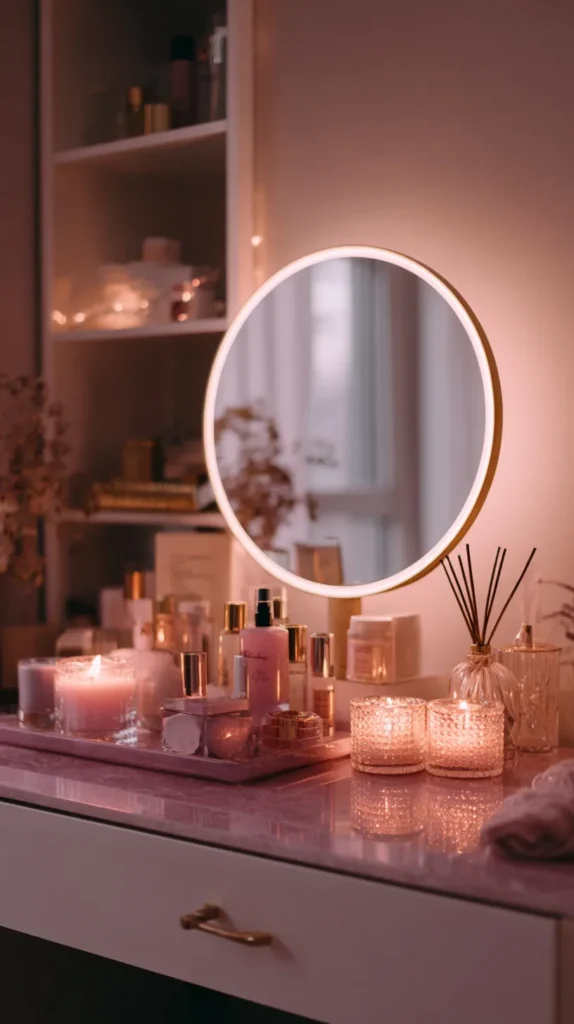
Budget: $60 – $300
A vanity mirror — round, with a warm LED ring light or with fairy lights framing its edge, surrounded by pink-toned perfume bottles, skincare in aesthetic packaging, and small candles — creates the Korean bedroom’s most intimate and most specifically feminine display surface. The lit vanity mirror is the element that communicates the self-care aesthetic most directly and that most specifically references the Korean beauty culture from which the bedroom’s aesthetic partly derives.
A round mirror with an integrated warm LED light runs $40–$120. A large round mirror with fairy lights wound around the frame costs $30–$80 in mirror plus $10–$25 in lights. Pink ceramic skincare organisers for the vanity surface cost $10–$30 each. A small pink candle or candle cluster costs $10–$30. A crystal perfume bottle or a perfume tray costs $15–$40. The vanity surface should be kept clean and organised — a beautiful mirror surrounded by cluttered products undermines the specific quality of the Korean vanity aesthetic.
Style tip: Display only the most beautiful or most aesthetic products on the vanity surface and store functional but visually undistinguished products in a drawer or a box beneath. A vanity that shows only the items worth showing communicates the Korean aesthetic’s quality of editing — the presentation of the most beautiful version of daily objects rather than the presentation of all daily objects.
10. The Korean Stationery and Journalling Station
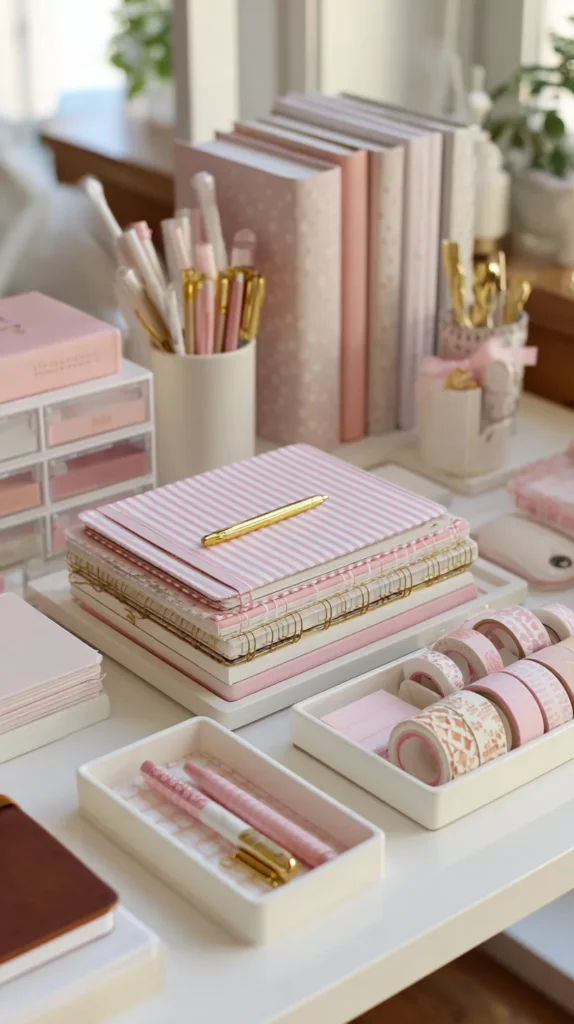
Budget: $30 – $150
A stationery collection in the Korean pink aesthetic — washi tape in pink and floral patterns, pastel gel pens, a journal with a pink cover, sticky notes in soft pink and white, and a desk organiser in a matching palette — creates the soft girl study element that is as culturally specific to Korean bedroom aesthetics as the plushies and the cloud bedding. The Korean stationery collection communicates that the person who lives in the room takes the beauty of their everyday objects seriously.
A journal with an aesthetic cover in pink costs $10–$25. Washi tape sets in pink and floral patterns run $8–$20 for a set of ten. Pastel gel pens cost $8–$15 for a set. Pink sticky note sets run $5–$12. A desk organiser in a matching pink aesthetic costs $15–$40. Arrange the stationery in an open organiser where it is visible rather than stored in a drawer — the stationery is decorative as well as functional and it earns its position on the desk surface through both qualities simultaneously.
Style tip: Keep the stationery collection replenished and in good condition rather than allowing it to become a collection of used and depleted items. A fresh journal, full washi tape rolls, and pens that work are the functional requirement of the stationery station; a worn journal, unrolled washi tape, and a collection of empty pen cases are the evidence of use without replenishment. The Korean aesthetic requires the ongoing maintenance of the beautiful condition rather than only its initial creation.
11. The Pink Themed Bookshelf Display
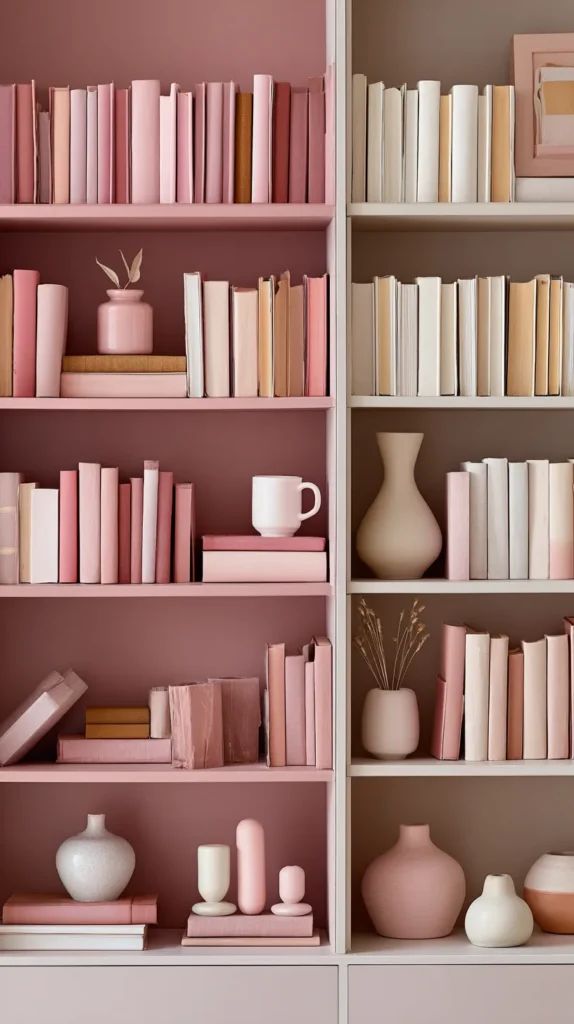
Budget: $50 – $200
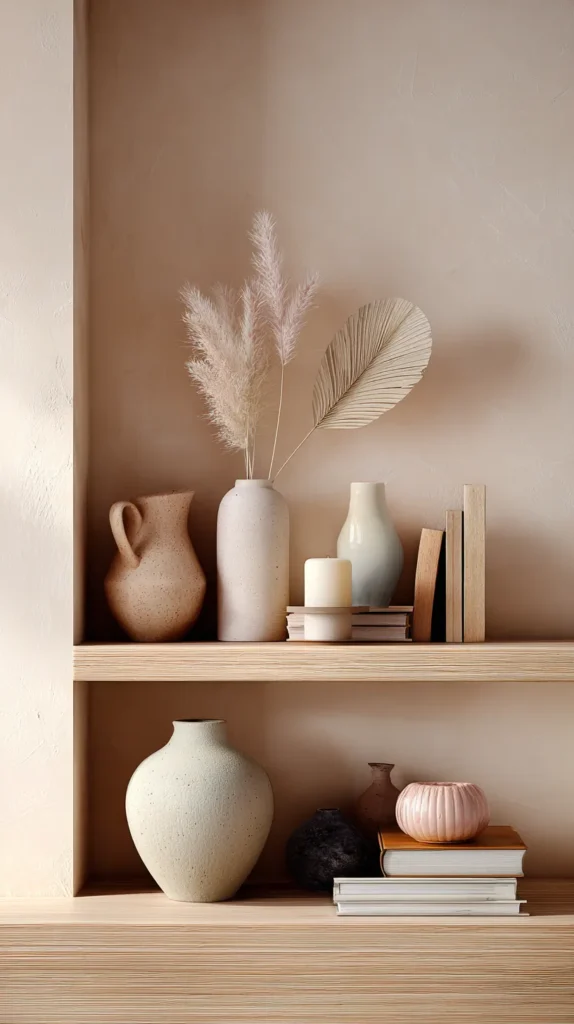
A bookshelf or a set of floating shelves in the Korean bedroom styled with a consistent pink-and-pale palette — pink-spined books arranged by colour, ceramic figurines in pink and white, small framed prints, dried flowers, and a small plant — creates the room’s most complex and most visually rewarding display surface. The Korean bedroom bookshelf is as much a gallery as a library, and the relationship between the books and the objects on the same shelf is as considered as the relationship between any other elements in the room.
Floating shelves in pale timber cost $20–$50 each. Books arranged by spine colour — pink, white, and cream spines forward — cost whatever the books cost to purchase. Small ceramic figurines in the Korean aesthetic style run $8–$25 each. Dried flowers for the shelf cost $5–$15 per arrangement. A small aesthetic figure lamp on the shelf costs $15–$40. The shelf should be curated to two-thirds capacity rather than filled to maximum — the space between objects is as important as the objects themselves.
Style tip: Buy a small number of books specifically for their pink or pale covers rather than for their contents and display them alongside books that are genuinely being read. The aesthetic books provide the consistent palette of the shelf display; the genuinely read books provide the authentic intellectual presence that the Korean bedroom values alongside its aesthetic quality. The combination of the beautiful and the genuine is the balance that the Korean bookshelf display is specifically reaching for.
12. The Soft Pink Window Seat Nook
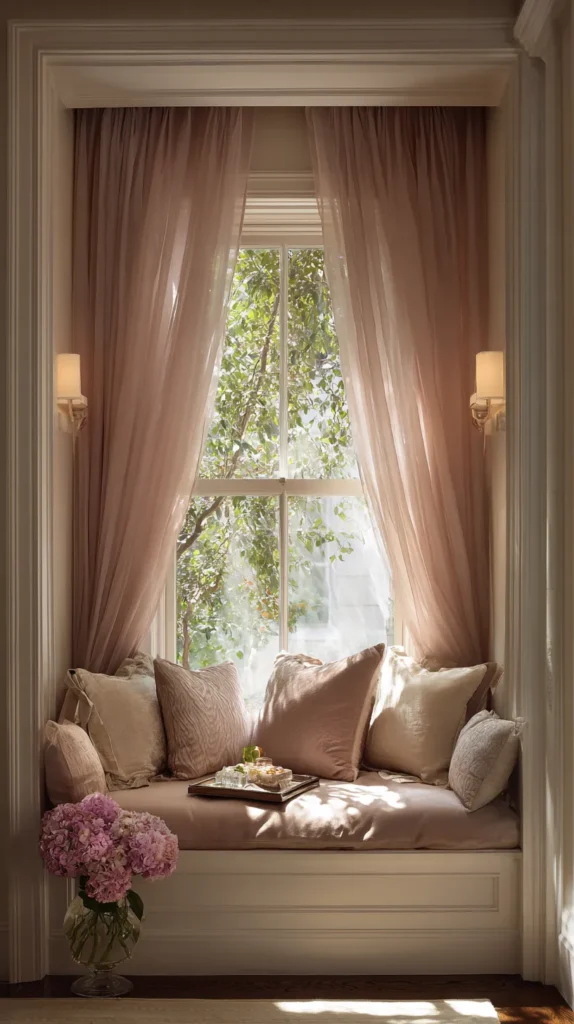
Budget: $100 – $500
A window seat in the Korean bedroom — a cushioned platform at the window with views of the outside world, with floor cushions piled beside it, a soft throw folded within reach, a small side table for a warm drink, and sheer pink curtains filtering the light on each side — creates the room’s most specifically meditative and most cinematically beautiful element. The window seat nook is the position that every Korean bedroom content creator films from and that every viewer of that content aspires to occupy.
A window seat cushion custom-made for the specific window sill costs $40–$120 depending on size. Floor cushions beside the window seat run $20–$50 each. A soft pink throw costs $25–$60. A small ceramic side table runs $30–$80. Pink sheer curtains for each side of the window seat cost $15–$40 per panel. The window seat nook should be positioned to receive the best natural light the bedroom offers — the golden hour light of late afternoon is the window seat’s most beautiful hour and the position should be designed for it.
Style tip: Place a small tray on the window seat with a ceramic cup or mug, a candle, and a small plant or flower — the elements of a warm drink at the window that communicate the specific cozy quality of the Korean bedroom aesthetic. The tray with its contents is the window seat’s finishing detail and the one that communicates the nook as a place of genuine daily pleasure rather than a styled position that is rarely actually used.
13. The Korean-Inspired Scent and Candle Collection
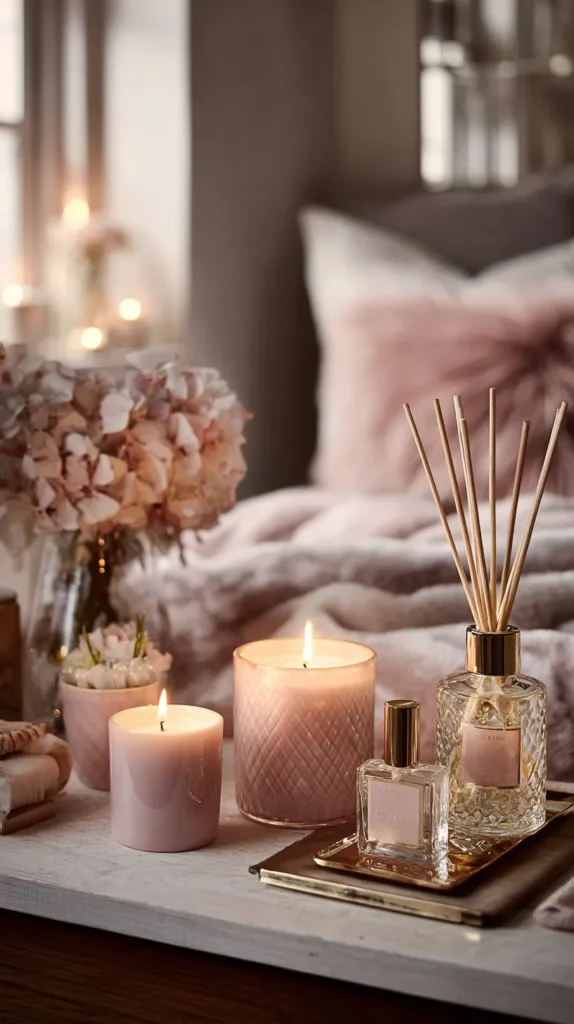
Budget: $30 – $150
The Korean bedroom has a specific olfactory identity — warm, slightly sweet, with floral and clean notes that reference the specific aesthetic of Korean beauty and lifestyle culture. A candle collection in pink ceramic vessels, a reed diffuser in a clean white floral fragrance, a small bowl of dried rose petals, and a room spray in a matching scent family creates the bedroom’s olfactory dimension alongside its visual one, and the specific scent of the room is the first impression experienced on entering before any visual element is registered.
A candle in a pink ceramic vessel in a floral or clean scent costs $12–$35. A reed diffuser in a white floral fragrance runs $15–$40. Dried rose petals in a small ceramic bowl cost $5–$15. A room linen spray in a matching fragrance costs $10–$25. Position the scent collection on the bedside table or the dressing table where it is experienced most directly and most consistently — the scent source beside the sleeping position is the most ambient and most continuously effective position in the bedroom.
Style tip: Choose a single fragrance family for the entire bedroom scent collection rather than mixing different fragrance types in the same room. A room with a white floral candle beside a woody reed diffuser beside a citrus room spray creates olfactory competition that reads as confused rather than layered. A consistent fragrance family — all floral, or all clean and fresh, or all soft and warm — creates the specific scent identity that gives the Korean bedroom its olfactory quality as well as its visual one.
14. The Pink Sunrise Alarm and Morning Ritual Setup
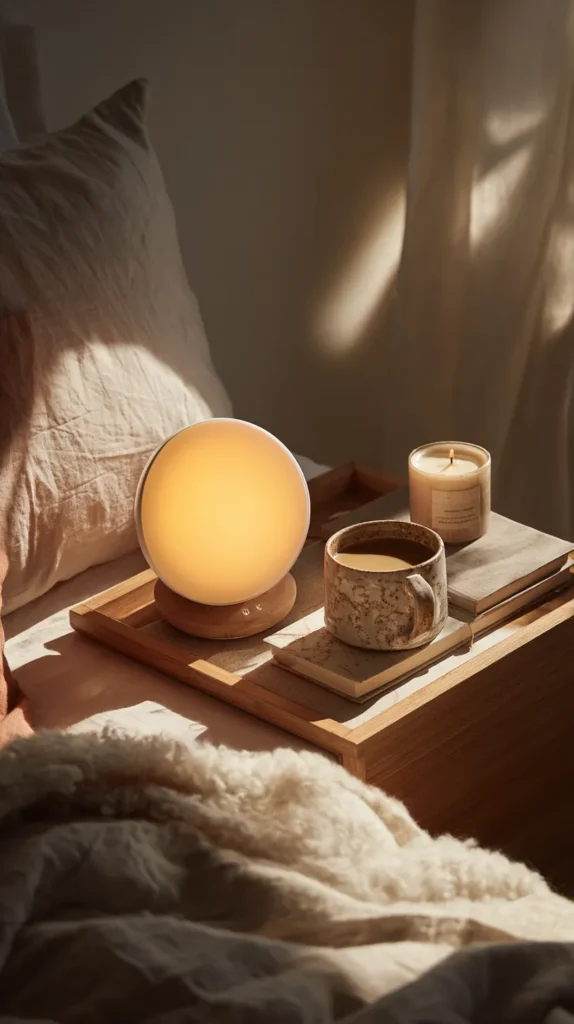
Budget: $40 – $200
A sunrise alarm clock — a device that gradually brightens from warm amber to cool daylight over 20–30 minutes before the alarm time, simulating natural sunrise — combined with a morning ritual collection — a ceramic tray with a warm candle, a pink journal for morning pages, and a beautiful ceramic cup for the first drink of the day — creates the Korean bedroom’s most specifically daily and most genuinely functional element. The Korean aesthetic extends beyond the room’s appearance into the rituals performed within it, and the morning ritual setup communicates that the person who lives in the room begins each day intentionally rather than urgently.
A sunrise alarm clock costs $40–$120. A ceramic morning tray costs $15–$40. A morning journal in a pink aesthetic cover runs $10–$25. A beautiful ceramic cup or mug in a pink glaze costs $15–$40. A small candle for the morning tray runs $8–$20. Position the sunrise alarm on the bedside table and the morning ritual tray on the dressing table — the separation of the alarm from the morning ritual separates the act of waking from the act of beginning the day.
Style tip: Prepare the morning ritual tray the evening before rather than assembling it in the morning. A tray that is already set — the journal open to the next blank page, the candle ready to light, the cup clean and in position — is a tray that is used consistently. One that requires assembly in the morning is a tray that is assembled only on the mornings when there is time, which is rarely when the ritual is most needed. The evening preparation is the practice that makes the morning ritual genuinely daily rather than occasionally aspirational.
The Korean-inspired pink bedroom is the room that is most consistently loved by the people who sleep in it because it was designed for the experience of being in it rather than for the impression it makes on entry. Every pink element, every warm light source, every plushie and plant and candle and pillow was chosen for what it contributes to the specific quality of warmth, softness, and gentle intentionality that makes the Korean aesthetic genuinely cozy rather than aesthetically cozy.
Build it slowly, one element at a time, beginning with the light and the bedding and allowing everything else to accumulate in relation to those two foundations. The room that was assembled gradually, with attention to the relationship between each element and those around it, is always more beautiful and more genuinely comfortable than the room that was purchased and installed in a single weekend. The Korean aesthetic is the patient aesthetic — it improves with time, and the version of it that exists at the end of a year of gradual, considered accumulation is always better than the version that existed at the beginning.