14 Beautiful Small Garden Design & Makeover Ideas on a Budget
14 Beautiful Small Garden Design & Makeover Ideas on a Budget
There is a particular frustration that small gardens produce in the people who own them. Not the frustration of having too little space — that is understood and accepted — but the frustration of having space that never quite becomes what it is capable of being. The plants are there. The furniture is there. The intent is there. But the garden resists cohesion, resists the feeling of being a finished place rather than a work in progress, and the gap between what it is and what it could be seems resistant to the usual interventions.
The gap is almost never about size. Small gardens fail for the same reasons large ones do — no defined structure, no considered lighting, no relationship between the plants and the surfaces they grow alongside — and they succeed for the same reasons too. A small garden designed with intention is not a compromise. It is a room, and a room has advantages that an open field does not.
Each idea below is a complete makeover approach for a small garden on a modest budget. Each includes what you will need, what it will cost, and a practical tip to make the transformation last.
1. The Single Surface Refresh
Budget: $30 – $150
Choose one surface — the patio, the path, or the main lawn edge — and give it a complete refresh rather than attempting improvements across the whole garden simultaneously. A pressure-washed, re-pointed patio with clean edges reads as a garden that has been attended to even if nothing else has changed; the same patio neglected makes every other improvement read as incomplete.
Patio cleaner costs $8–$15. Re-pointing mortar for cracked joints runs $10–$20. A half-moon edging tool for crisp lawn edges costs $12–$20. The single surface approach works because it produces a visible result quickly, builds momentum for further improvements, and avoids the half-finished quality that attempting everything at once consistently produces in a small garden on a limited budget.
Style tip: Start with the surface most visible from the kitchen or living room window. The garden seen daily from inside the house is the garden experienced most consistently, and an improvement to the most-viewed surface produces more daily satisfaction than the same improvement made to a surface seen only when outside.
2. The Diagonal Lawn Line
Budget: $0 – $20
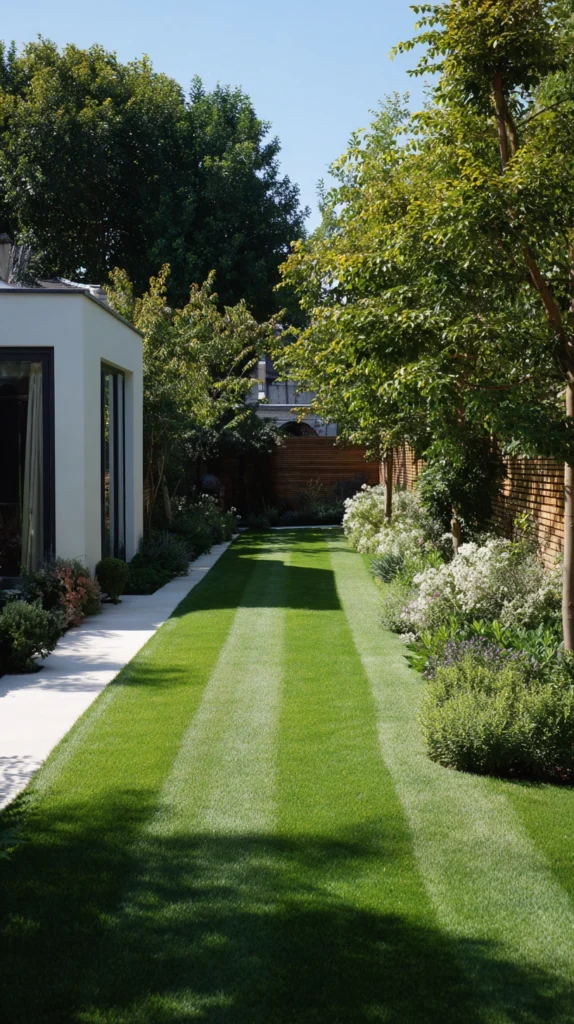
Mow the lawn on a diagonal rather than parallel to the fence lines and the small garden immediately feels larger. The diagonal line draws the eye toward the furthest corners of the garden rather than across its narrow width, and the visual trick requires nothing beyond changing the direction of the mower on a Sunday afternoon.
A lawn edging tool ($12–$20) used to cut a clean diagonal border between the lawn and the surrounding beds completes the effect. The diagonal principle applies to other elements too — a diagonal path, a diagonal deck, a furniture arrangement at 45 degrees to the fence lines all make a small rectangular garden read as larger than its actual dimensions.
Style tip: Mow two diagonal directions in alternating strips — one direction one week, the opposing diagonal the next — rather than a single consistent direction. The alternating diagonal produces the light-and-dark striped effect of a professional lawn that a single mowing direction cannot, and it also prevents the grass from laying permanently in one direction, which weakens the turf over time.
3. The Painted Boundary Wall
Budget: $20 – $80
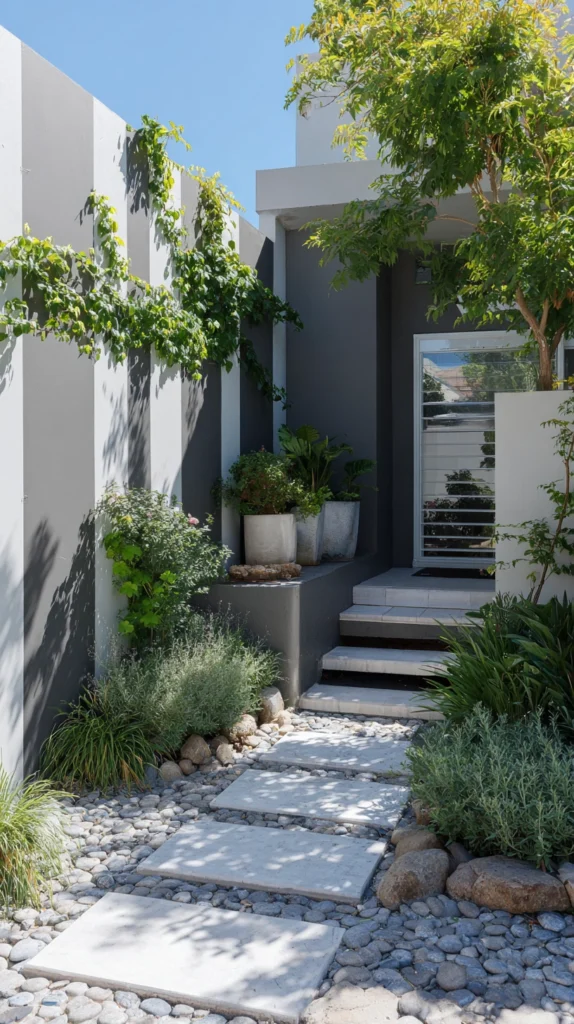
Paint the most visible boundary — the back wall or the fence panel directly ahead of the primary seating position — in a deep, strong colour, and the small garden acquires a visual depth that pale or natural surfaces never produce. Dark green, charcoal, navy, deep terracotta: any colour that makes the boundary recede rather than advance gives the garden the illusion of more space than it has.
Exterior masonry or fence paint costs $15–$40 for a 2.5-litre tin — sufficient for a standard fence panel or small wall section painted twice. Apply with a roller for even coverage and use a brush only for the edges and the timber rail. A dark-painted boundary with plants in front of it — the contrast between dark wall and green foliage — creates the layered depth that makes a small garden feel genuinely garden-like rather than enclosed.
Style tip: Paint only the back boundary rather than all surrounding fences. A garden with all boundaries in the same dark colour becomes a box; one with a single dark boundary and pale or natural sides has directionality — the eye is pulled toward the dark end and the garden reads as having a back rather than simply four walls.
4. The Raised Bed Installation
Budget: $60 – $250
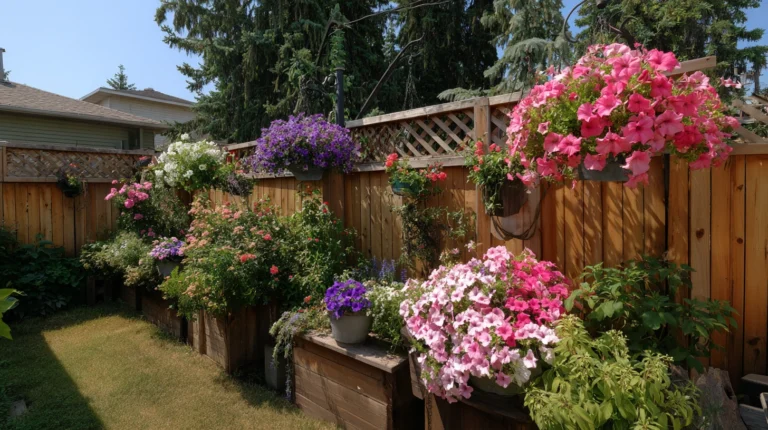
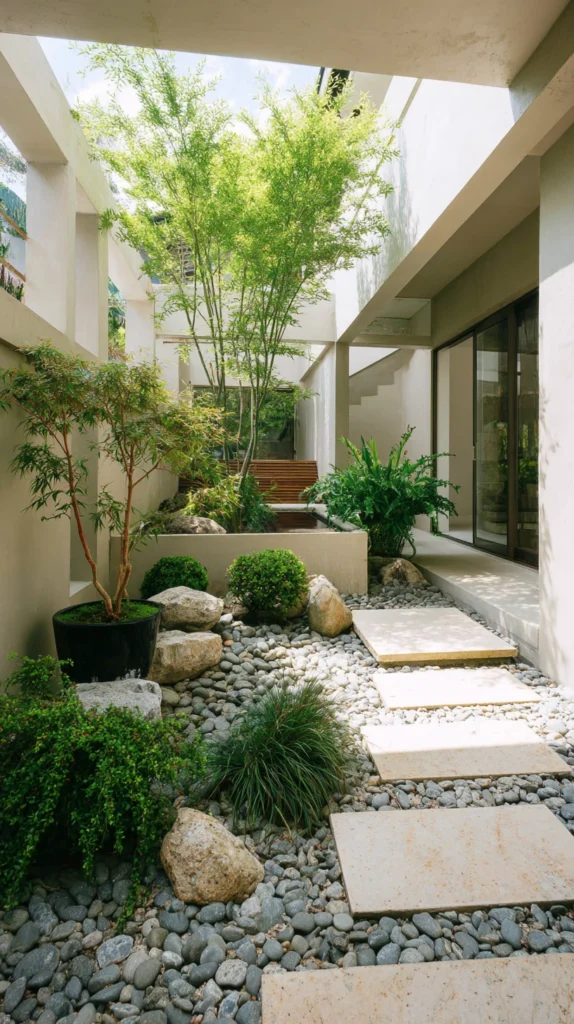
A single raised bed — even a small one, even one bed in 60 by 120 centimetres — transforms a small garden by introducing height variation, a dedicated growing zone, and the immediate signal that the garden has been designed with an intention. Raised beds give structure to small gardens that flat planting never achieves, and a well-built raised bed planted generously looks like a garden feature rather than an afterthought.
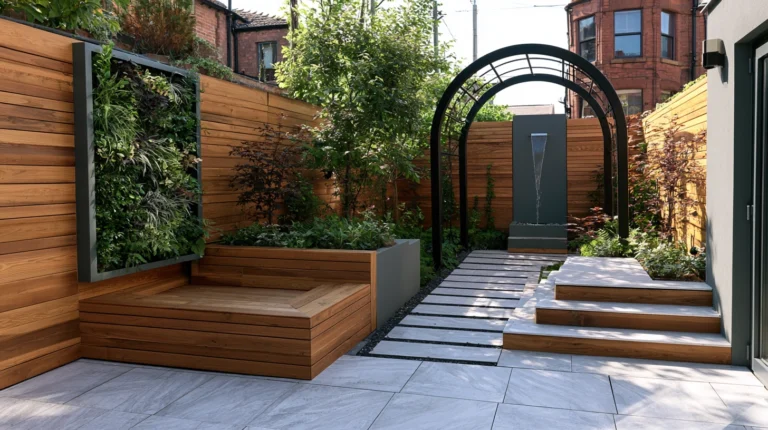
A cedar raised bed kit costs $40–$100. Building one from reclaimed timber costs $15–$40 in materials. Fill with a mix of topsoil and compost ($15–$25 per bag). Position the raised bed against the dark-painted boundary wall if one has been created — the combination of dark wall, raised bed, and generous planting is the design combination that makes the smallest garden read as thoughtfully put together.
Style tip: Build the raised bed taller than standard — 45–60 centimetres rather than the standard 20–30 centimetres — so it reads as furniture rather than a low border. A tall raised bed is more comfortable to tend, creates more visual height variation in the garden, and holds a greater volume of growing medium that sustains plants through dry spells without daily watering.
5. The Gravel Garden Makeover
Budget: $50 – $200
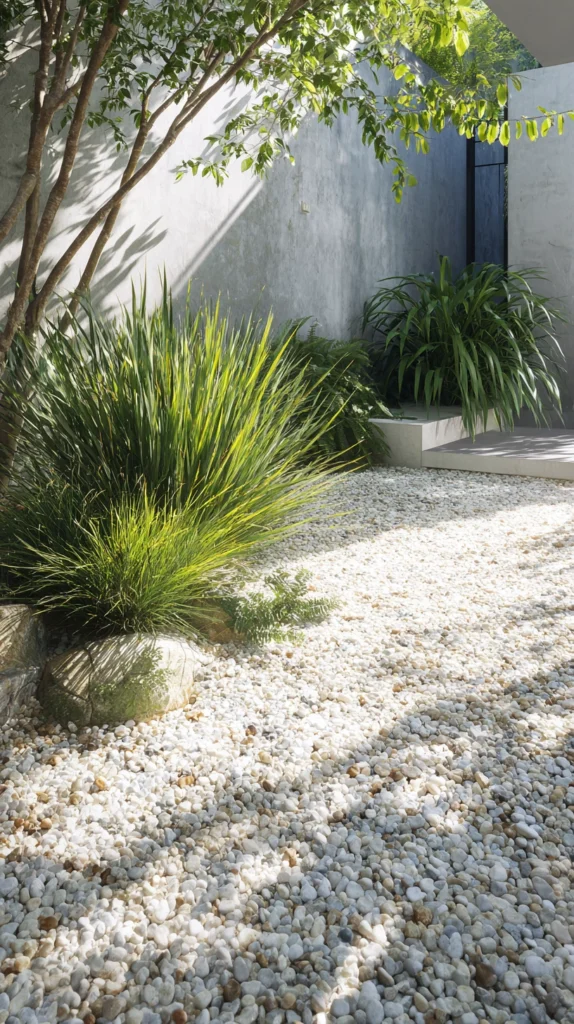
Replace a struggling lawn or a bare soil area with a gravel garden — a weed-suppressing membrane covered with decorative gravel, with planting pockets cut through the membrane for architectural plants — and the small garden immediately reads as more intentional and lower maintenance than either the lawn or the bare soil it replaced. Gravel gardens look better in dry conditions than lawns do, require no mowing, and provide a base that makes every pot and plant placed on it look considered.
Weed-suppressing membrane costs $10–$20 for a standard roll. Decorative gravel in buff, slate, or pea gravel runs $8–$15 per 25-kilogram bag — a 3 by 2 metre area requires approximately six bags at a 5-centimetre depth. Architectural plants for cutting through the membrane — phormium, lavender, ornamental grasses — cost $8–$25 each. The gravel makeover takes a weekend and produces a result that requires minimal maintenance for years afterward.
Style tip: Use two sizes of the same gravel — a coarser grade as the base layer and a finer grade on top — rather than a single size throughout. The two-layer approach provides better drainage, stays in place more effectively in heavy rain, and has a more refined surface texture than a single grade of gravel used at full depth.
6. The Vertical Growing Wall
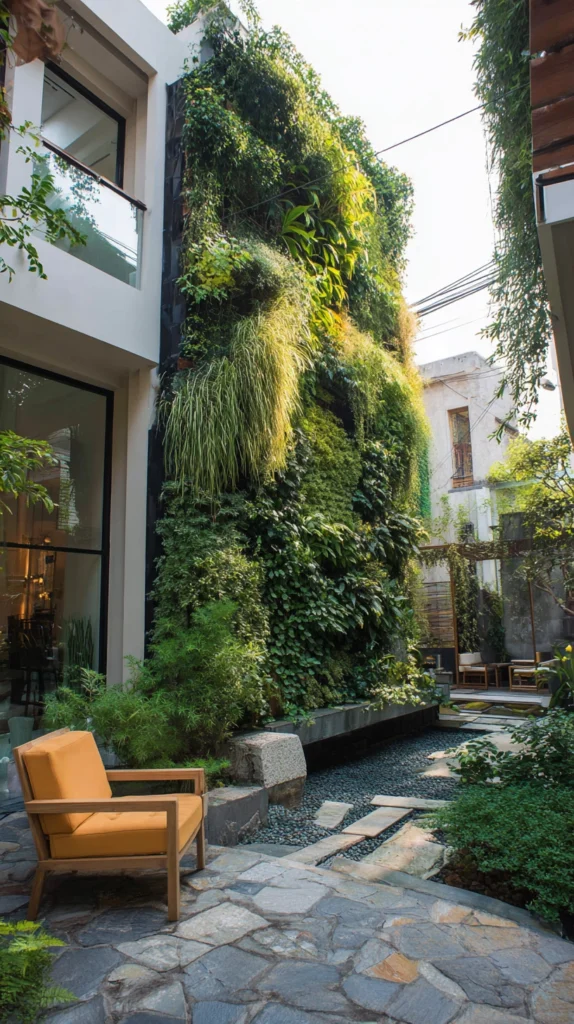
Budget: $30 – $120
Fix a trellis or a pocket planter system to the most prominent fence or wall in the small garden and plant it with climbing plants, herbs, or trailing flowers — and the garden gains an entire extra growing surface without using any floor space. In a small garden where the ground is already fully occupied, the vertical surface is the expansion that requires no additional square metres to deliver it.
A timber trellis panel costs $15–$35. A pocket felt planter system runs $25–$60. Climbing plants or herbs cost $3–$8 each. The vertical growing wall is most effective on the boundary that is most visible from the seating area — it becomes the garden backdrop rather than simply the boundary, which changes the relationship between the seated person and the planted space around them entirely.
Style tip: Paint the wall or fence behind the vertical planting before fixing the trellis or planter system. A dark-painted wall behind a green trellis with plants growing against it creates a depth that a natural timber fence behind the same planting does not — the contrast between the dark background and the green growth is the visual depth that makes the small garden planting read as lush rather than sparse.
7. The Garden Room Furniture Arrangement
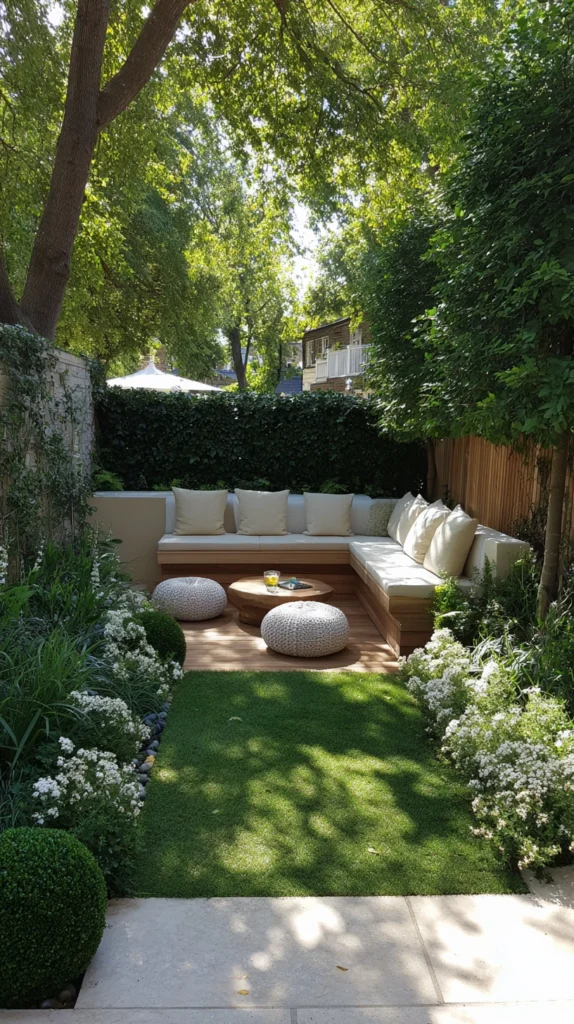
Budget: $80 – $400
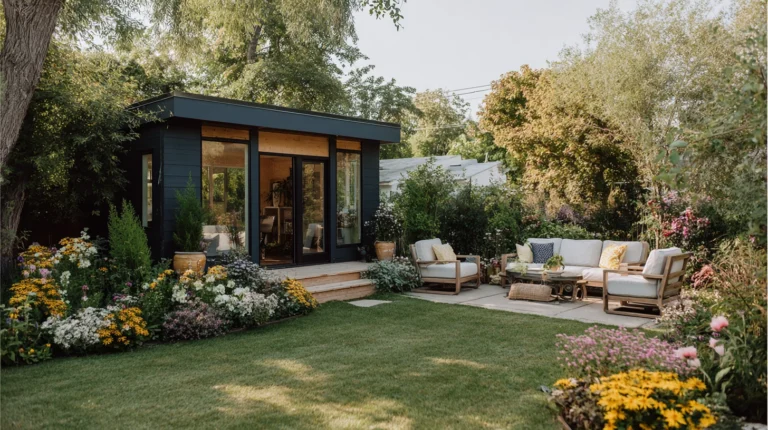
Treat the patio or the garden’s primary hard surface as a room with a specific furniture arrangement rather than a surface with some furniture on it. Move the table away from the wall and into the centre of the space. Place the chairs around it in an arc that faces the garden rather than the house. Add an outdoor rug beneath the furniture to define the zone. The furniture becomes a room rather than a collection of pieces, and the garden around it becomes the view rather than the surround.
An outdoor rug of 160 by 230 centimetres costs $40–$120. Repositioning existing furniture costs nothing. A small outdoor side table to complete the arrangement runs $20–$50. The room arrangement principle holds in the smallest spaces — even a 2 by 3 metre patio with a bistro set and a rug reads as a room when the furniture is arranged with intention and a surface beneath it defines the zone.
Style tip: Leave deliberate clear space on at least one side of the furniture arrangement — a gap between the seating area and the adjacent planting that is at least 60 centimetres wide. Clear space around a furniture arrangement makes the arrangement visible as a complete composition; furniture pushed tight against the surrounding planting or boundaries reads as furniture that ran out of room rather than furniture that was placed.
8. The Feature Lighting Installation
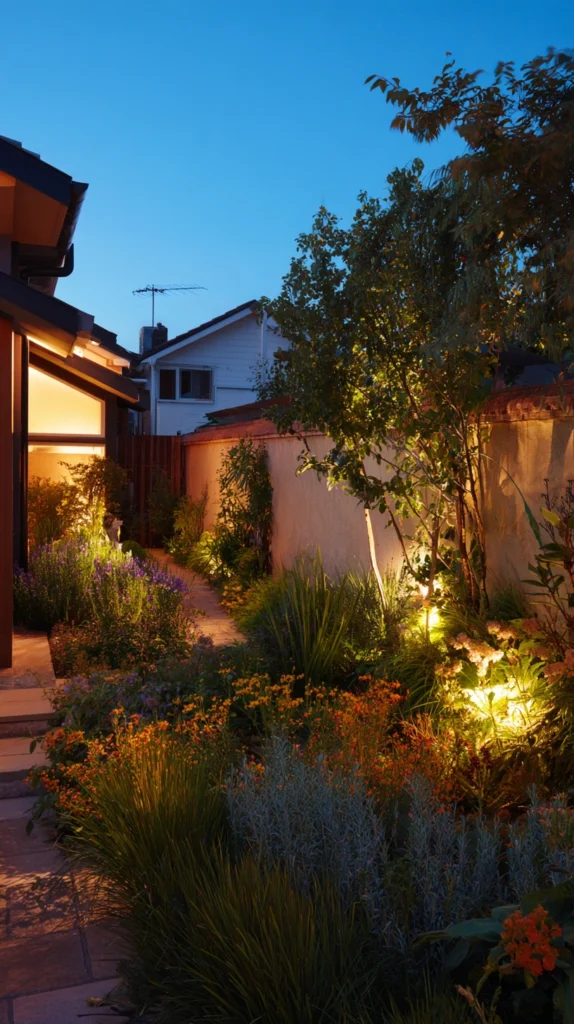
Budget: $30 – $150
Install a dedicated lighting plan for the garden — fairy lights above the seating area, solar path lights along the main route through the garden, and upward-facing spotlights at the base of the most significant plants — and the small garden acquires an entirely different evening identity that costs far less than any daytime improvement and is experienced for far more hours through the year.
Outdoor fairy lights cost $10–$25. Solar path lights run $5–$15 each. Uplights for key plants cost $8–$20 each. The three-tier lighting approach — overhead, path level, and plant level — gives the small garden a professional quality that single-tier lighting never achieves, and the plant uplighting in particular makes an ordinary shrub or tree look extraordinary after dark by revealing the structure of its branches against the dark sky.
Style tip: Point uplights slightly off-centre rather than directly up through the centre of the plant. A light positioned at the base of a plant and aimed straight up reveals only the underside of the canopy; one aimed slightly to one side reveals the branch structure against the sky and produces the dramatic silhouette effect that makes garden uplighting genuinely beautiful rather than simply functional.
9. The Cottage Border Makeover
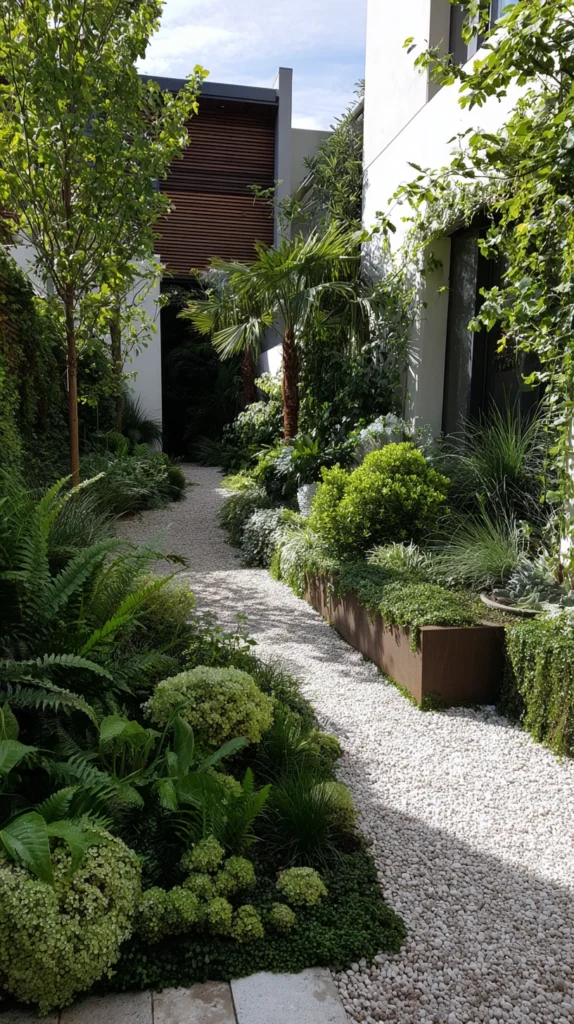
Budget: $40 – $200
Clear an existing border — remove anything leggy, dead, or in the wrong position — and replant with a cottage garden mix of self-seeding annuals and reliable perennials that fill quickly, flower generously, and give the border the abundant, loosely beautiful quality that the cottage garden style does better than any other. A small cottage border of two to three metres planted with cosmos, foxgloves, sweet peas, and hardy geraniums costs almost nothing and looks as if it has been growing for years within a single season.
Cosmos seeds cost $2–$3 per packet. Foxglove plants run $3–$5 each. Hardy geraniums (cranesbill) cost $5–$10 each. Sweet pea seeds run $2–$4 per packet. A mix of annuals for the first year and perennials for subsequent years produces a border that is rich in the first season and self-sustaining from the second onward. The cottage border requires no formal structure — its beauty is in the abundance and the informality, which means imperfect planting produces better results than precise spacing.
Style tip: Plant in odd-numbered groups — three of each perennial, five of each annual — and allow different species to mingle rather than keeping them in separate blocks. A cottage border where the plants weave through each other looks as if it seeded itself naturally; one where each species is planted in a distinct block looks like a design exercise rather than a garden.
10. The Garden Gate Upgrade
Budget: $30 – $150
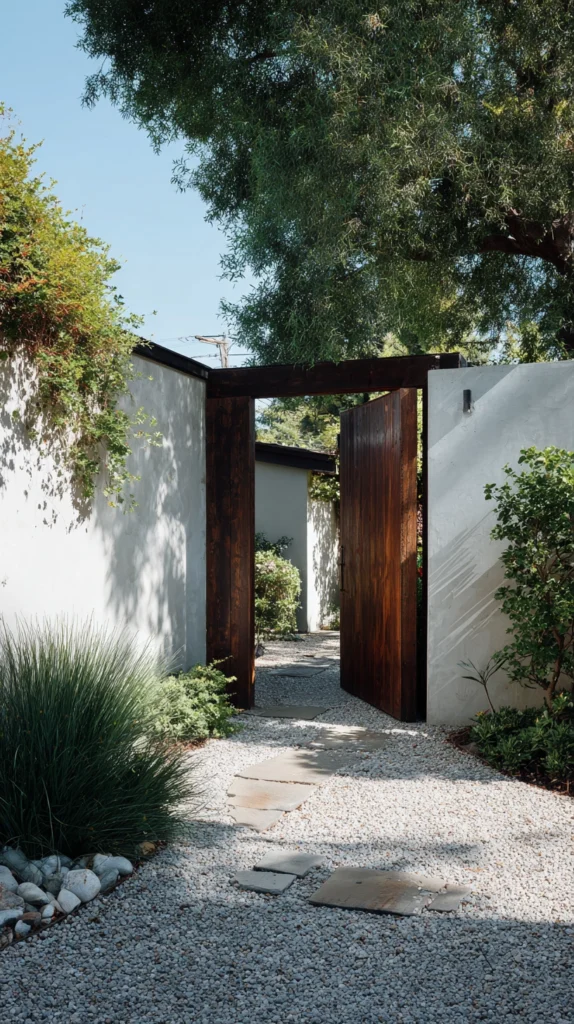
Replace or repaint the garden gate in a colour and a style that relates to the house and the garden design, and the entry to the garden becomes a threshold rather than a gap in the boundary. A gate that has been chosen and painted with intention signals the kind of attention that the garden behind it is going to receive, and it frames the garden from outside in a way that a plain or neglected gate prevents.
Exterior gate paint in a chosen colour costs $10–$20. A new timber gate in a standard width runs $40–$120. Decorative gate hardware — a matching latch and hinge set in a complementary metal finish — costs $15–$40. The gate is the first and last impression of the garden and a gate that has been given the same consideration as the garden entrance costs a fraction of any interior improvement and produces a result visible from the street every day.
Style tip: Add a plant on each side of the gate — one pot on the garden side and one on the approach side — to extend the planting beyond the boundary and create a welcome that begins before the garden is entered. A plant on the approach side is the detail that makes visitors feel the garden starts at the gate rather than behind it.
11. The Patio Pot Curation
Budget: $40 – $200
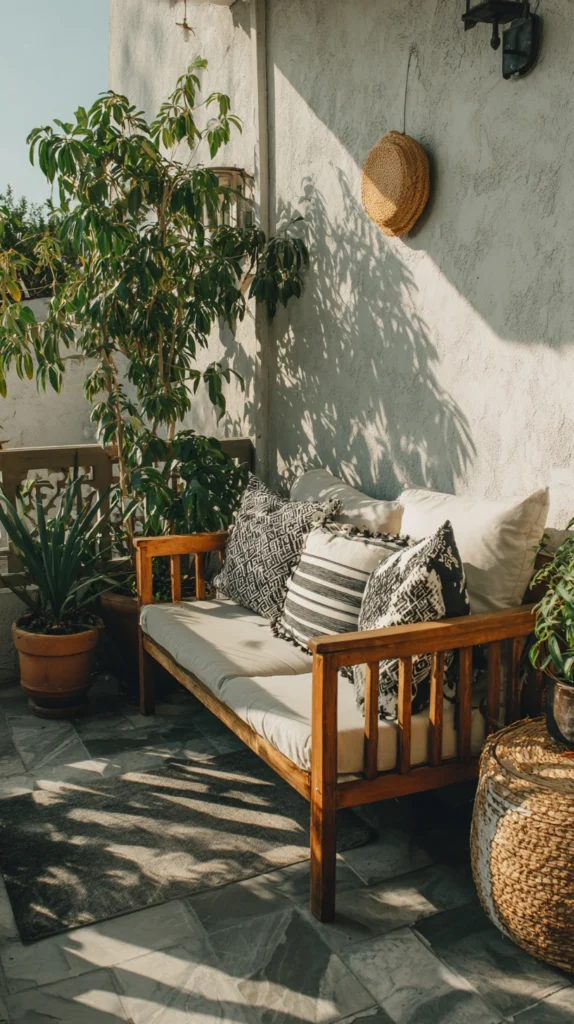
Remove every pot from the patio, assess each one honestly, remove those that are not performing, and replace them with a smaller number of larger, more considered pots planted generously. A patio with six large pots of healthy, well-chosen plants reads as curated; the same patio with twenty small pots of mixed health and mixed intention reads as accumulated. The edit is the makeover.
Large pots of 40 centimetres or above in diameter cost $20–$50 each. Plants to fill them run $10–$30 each depending on species and size. The rule is one large pot rather than three small ones — the large pot has more visual weight, provides more root space, retains moisture longer, and costs less in total than three small pots with individual plants. Every patio benefits from fewer, larger, better-planted pots rather than more, smaller, underplanted ones.
Style tip: Choose pots in one or two consistent materials rather than a mixture. A patio of all-terracotta pots reads as a collection; a patio of terracotta beside glazed ceramic beside plastic beside metal beside concrete reads as things that accumulated without reference to each other. The material consistency is the edit that transforms a patio of individual pots into a considered display.
12. The Garden Focal Point
Budget: $20 – $150
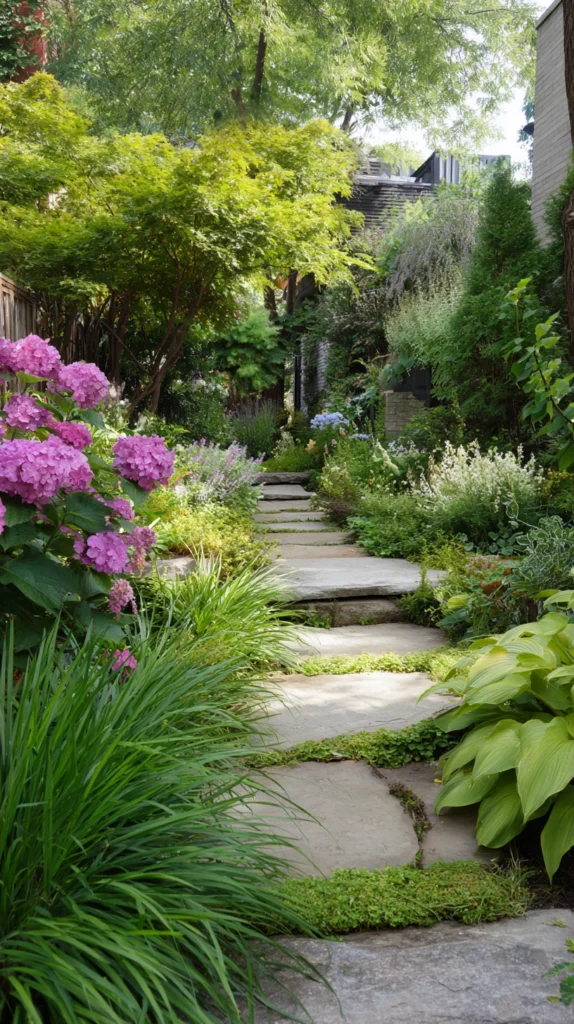
Every small garden needs one thing that the eye is drawn to from the primary viewing position — a specimen plant, a piece of sculpture, a painted feature wall, a water feature, an arch — and most small gardens have none. Without a focal point, the eye moves across the garden without landing anywhere, which is the feeling of a garden that resists the sense of completion. With one, the garden has a centre and everything else is arranged in relation to it.
A large specimen plant in a statement pot costs $40–$120. A simple garden sculpture or ceramic piece runs $20–$80. A painted arch or obelisk costs $25–$70. The focal point does not need to be expensive or elaborate — it needs to be the right scale for the garden, positioned at the back of the primary sightline, and strong enough to draw the eye without requiring active effort to find.
Style tip: Position the focal point slightly off-centre in the garden rather than at the exact centre of the back boundary. A focal point at the absolute centre reads as symmetrical and formal; one positioned slightly to one side creates a natural path of visual movement across the garden that a centred focal point short-circuits. The slight offset is the difference between a garden that feels designed and one that feels planned.
13. The All-Season Plant Backbone
Budget: $60 – $250
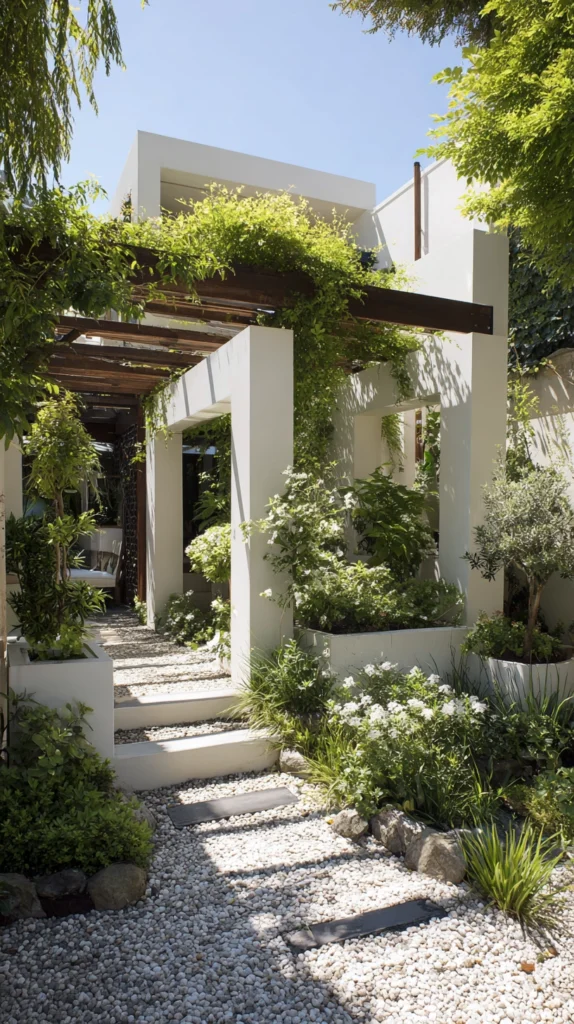
Plant three to five structural plants — evergreens, architectural species, or plants with multiple seasons of interest — as the backbone of the small garden and build all other planting around them. A small garden with no structural planting looks bare in winter, which makes it look abandoned, which makes every summer improvement feel temporary. A garden with a planted backbone looks like a garden in every season and like the other improvements belong to it.
Evergreen structural plants — pittosporum, box, phormium, fatsia — cost $10–$30 each. Architectural deciduous plants with winter interest — dogwood, birch, amelanchier — run $20–$60. Three structural plants positioned in the key positions of the garden — the back, the sides, and beside the seating area — provide the framework on which every other plant and every other improvement depends. Plant the backbone first and design everything else around it.
Style tip: Choose structural plants with at least two seasons of interest rather than one. A pittosporum with variegated foliage is interesting year-round; a standard laurel provides structure but nothing more. An amelanchier provides spring blossom, summer foliage, autumn colour, and winter branch structure. The two-season minimum for backbone planting means the small garden is never entirely without something worth looking at.
14. The Garden Story
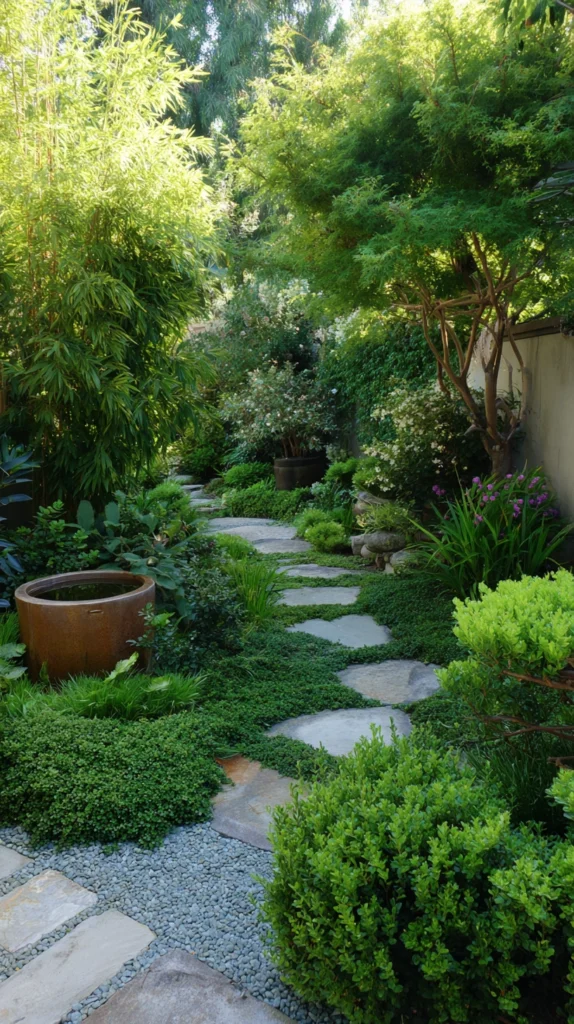
Budget: $0 – $50
Walk around the small garden and identify the one thing that gives it a specific character — the oldest plant, the best view, the corner that catches the evening light, the material that was used originally and that gives the space its particular tone — and make every subsequent decision with that one characteristic thing as the reference point. The garden that knows what it is makes better decisions than the garden that is trying to become something else.
The garden story costs nothing to identify and everything to maintain — every plant choice, every surface decision, every lighting addition either reinforces the character of the garden or dilutes it. A small garden that consistently reinforces its own character becomes more itself over time; one that adds elements without reference to what it already is becomes a collection of good ideas that never quite add up to a garden.
Style tip: Write the garden’s character in a single sentence — “a shaded town garden that prioritises scent and evergreen structure” or “a sunny south-facing plot with a coastal planting palette and warm stone surfaces” — and use that sentence as the filter for every purchase and every planting decision. A decision that fits the sentence belongs in the garden. One that does not fit it probably does not, regardless of how good it looks in the garden centre.
The best small garden is not the one that does the most within its dimensions or the one that spends the most per square metre. It is the one that knows exactly what it is, that has been designed with one clear intention rather than several competing ones, and that improves steadily and coherently over the seasons rather than accumulating elements without direction.
Make one good decision at a time, finish each thing properly before beginning the next, and give the garden the same patience that it requires — which is more than a weekend and less than a decade. A small garden that has been genuinely thought about is a better garden than a large one that has not, and it always will be.