14 Low-Maintenance Garden Ideas That Still Look Stunning
14 Low-Maintenance Garden Ideas That Still Look Stunning
My garden used to demand an entire weekend of work almost every week during the growing season. Between weeding, deadheading, staking plants, and replacing whatever hadn’t survived, the to-do list never seemed to end.
Over time, I realized I was spending far more time maintaining the garden than actually enjoying it. What was supposed to be a relaxing outdoor space had started to feel more like another household chore than a place to unwind.
So I changed my approach. Instead of choosing plants based only on how they looked, I started prioritizing resilient, easy-care varieties and designing the space with simplicity in mind. Every decision was made to reduce maintenance without sacrificing beauty.
The difference was remarkable. My garden became healthier, easier to care for, and just as lush as ever. A truly low-maintenance garden doesn’t have to look sparse or purely practical—it can easily become the most beautiful and inviting corner of your yard.
1. Plant Ornamental Grasses as the Garden’s Backbone
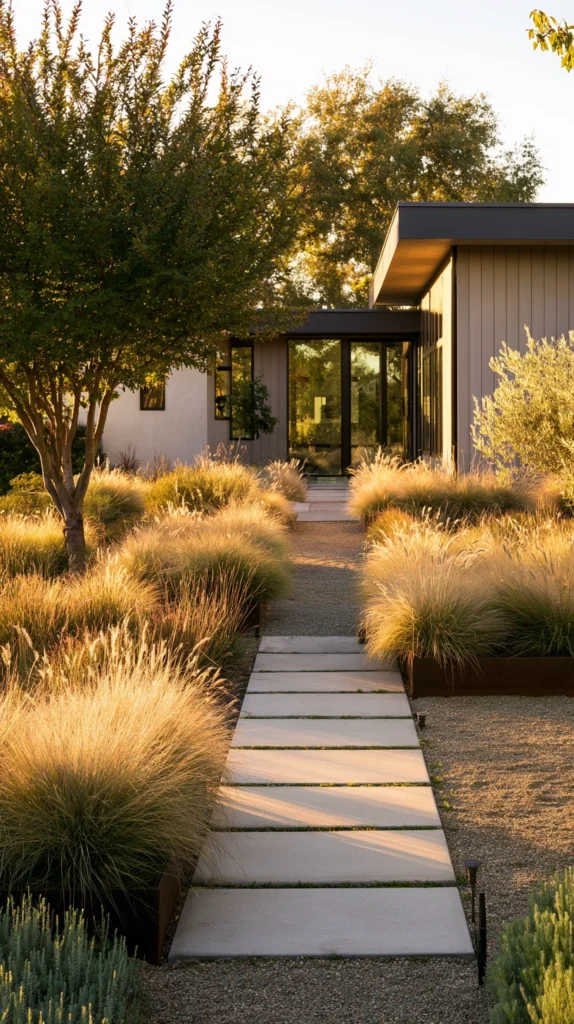
Ornamental grasses like feather reed grass or little bluestem require minimal watering once established, need no deadheading, and provide movement and texture through nearly the entire year, including a striking dried look through winter. Budget: $10-20 per plant, with most varieties spreading or filling in within two seasons.
Cut grasses back once in early spring rather than throughout the season, since this is typically the only pruning they need all year.
2. Use a Thick Layer of Mulch to Suppress Weeds
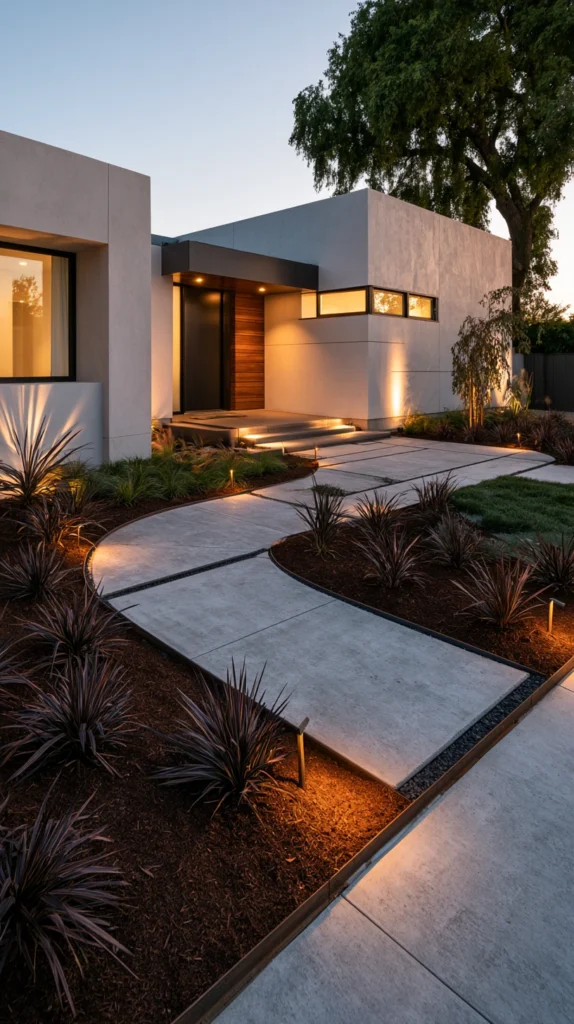
A consistent two to three inch layer of mulch across all planting beds dramatically cuts down on weeding time while also retaining soil moisture, meaning less frequent watering during dry stretches. Budget: $40-80 for enough mulch to cover a modest garden bed.
Reapply a thinner top-up layer once a year rather than letting it fully break down before replacing it, which keeps the weed-suppression benefit consistent.
3. Choose Drought-Tolerant Perennials Over Annuals
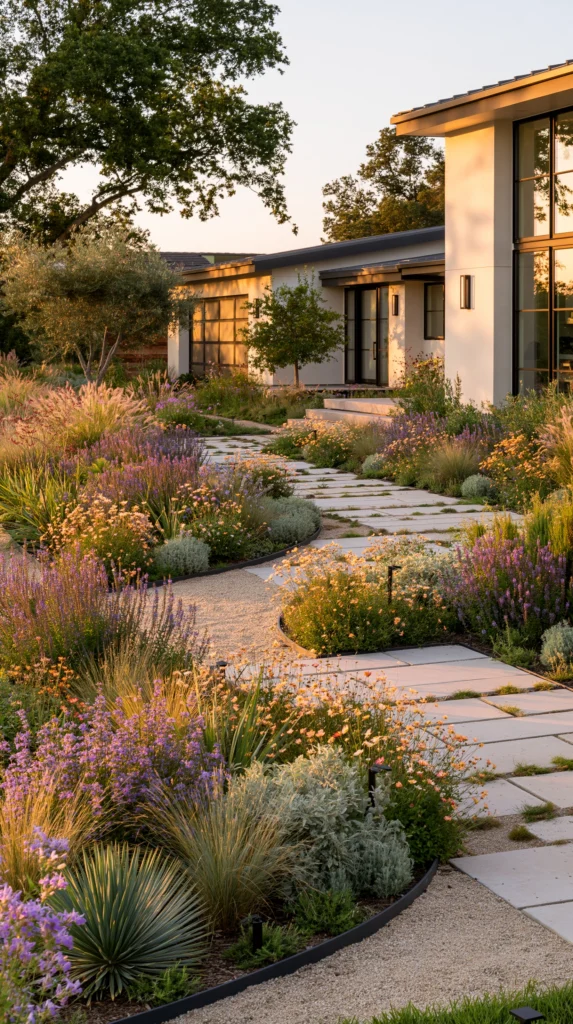
Perennials like coneflower, sedum, and Russian sage return reliably year after year without replanting, while annuals require a fresh planting investment and more consistent watering every single season. Budget: $12-25 per perennial plant, a one-time cost compared to annual replanting.
Group plants with similar water needs together, since mixing drought-tolerant perennials with thirstier varieties means you end up overwatering one group to satisfy the other.
4. Install a Simple Drip Irrigation System on a Timer
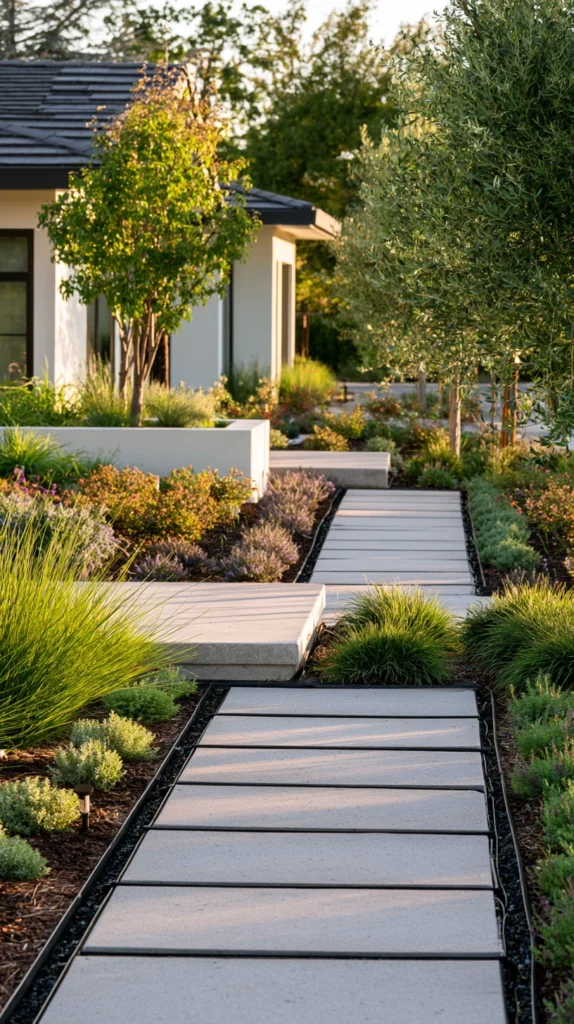
A basic drip irrigation setup, run on an automatic timer, removes the daily decision of whether and how much to water, and it delivers water more efficiently directly to the root zone than overhead sprinklers do. Budget: $80-150 for a basic drip system and timer covering a modest garden area.
Check and adjust the timer seasonally, since watering needs shift considerably between a cool spring and a hot midsummer stretch.
5. Choose Shrubs With a Naturally Tidy Growth Habit
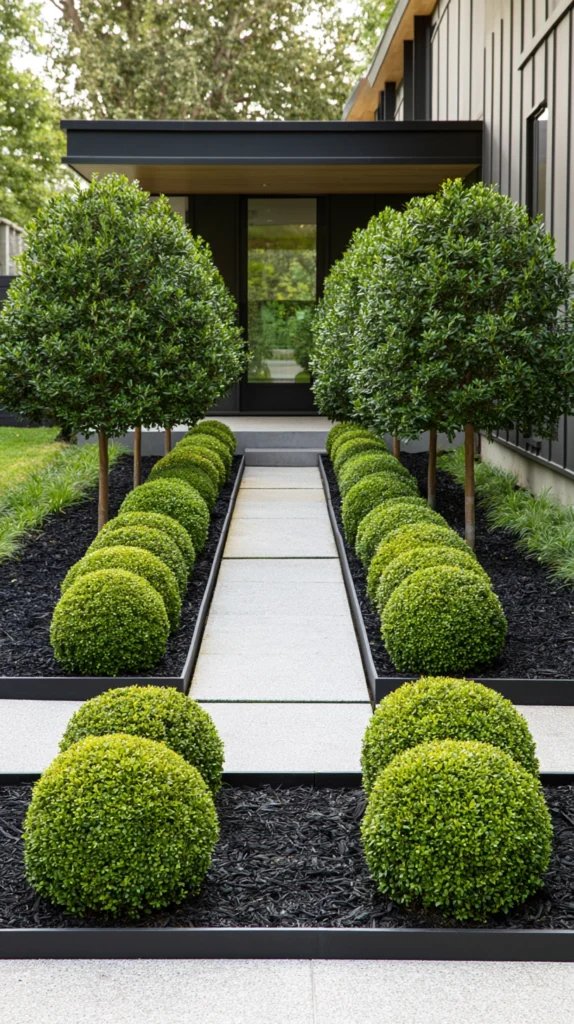
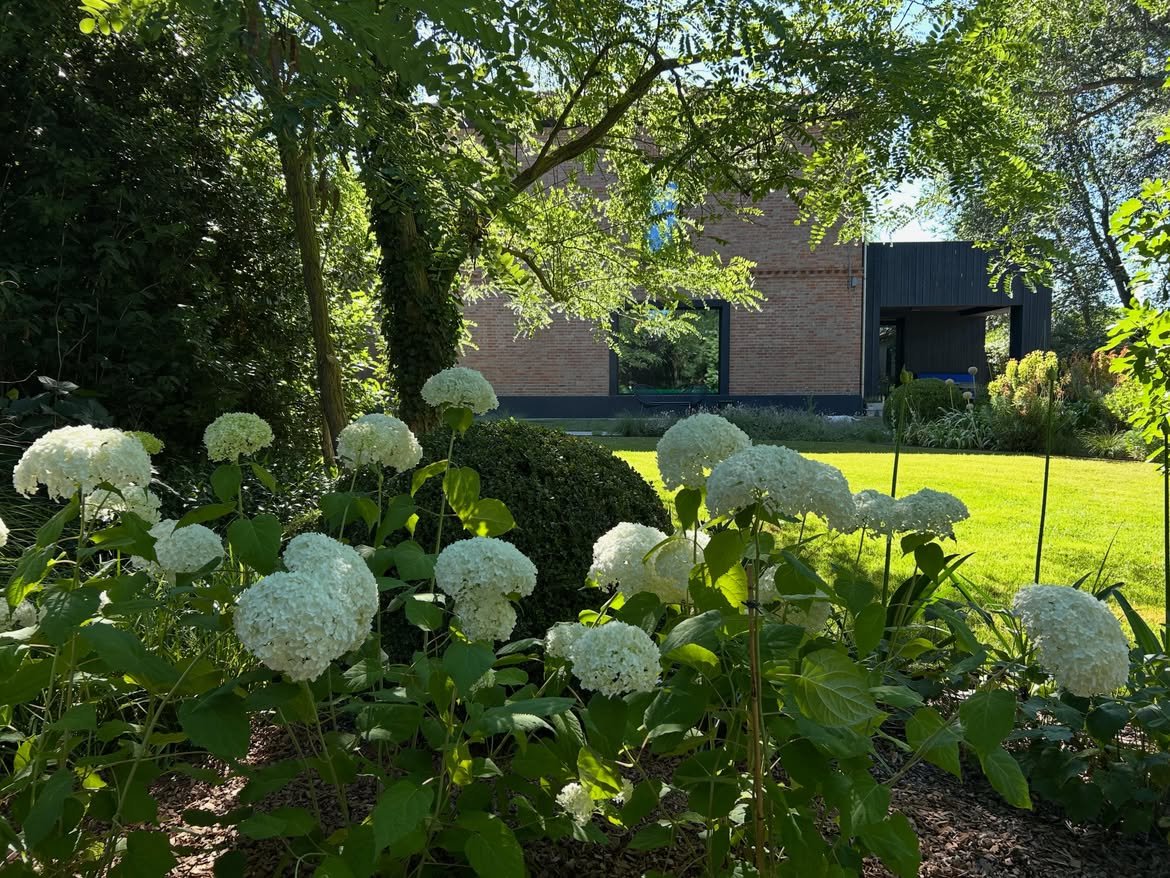
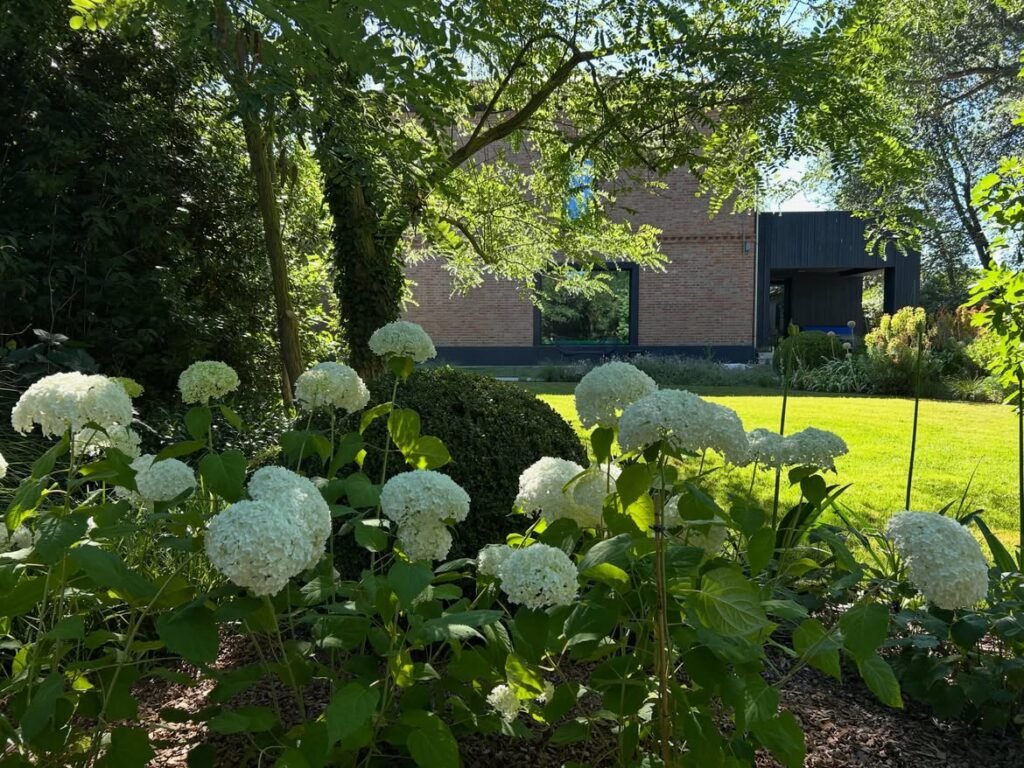
Boxwood, dwarf hydrangea, and other shrubs bred for compact, naturally rounded growth need far less pruning to maintain a neat appearance than varieties that grow leggy or irregular without regular shaping. Budget: $25-50 per shrub depending on size at planting.
Check the plant tag’s mature size specifically before placing it, since choosing a shrub that naturally stays within the space available avoids most future pruning altogether.
6. Use Groundcover Instead of Mulch in High-Visibility Areas
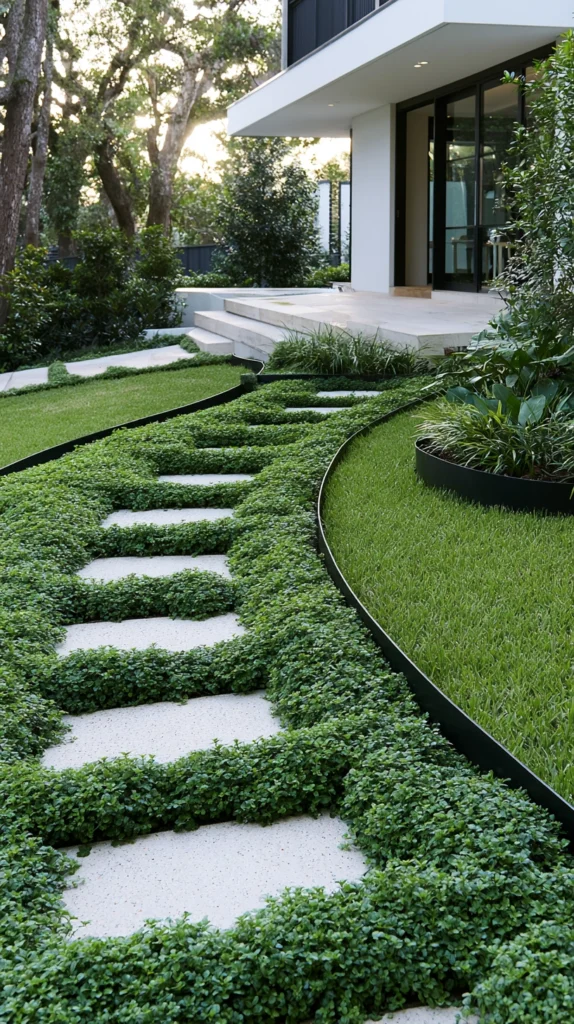
Low groundcover plants like creeping thyme or sedum fill in spaces between larger plants, suppressing weeds the same way mulch does while adding a living, textured carpet that looks more intentional than bare mulch alone. Budget: $8-15 per small groundcover plant, with most varieties spreading to fill gaps within a season or two.
Space starter plants closer together than the tag suggests if faster coverage matters more to you than initial cost, since groundcover fills gaps faster with tighter spacing.
7. Build Raised Beds With Edging That Blocks Grass Encroachment
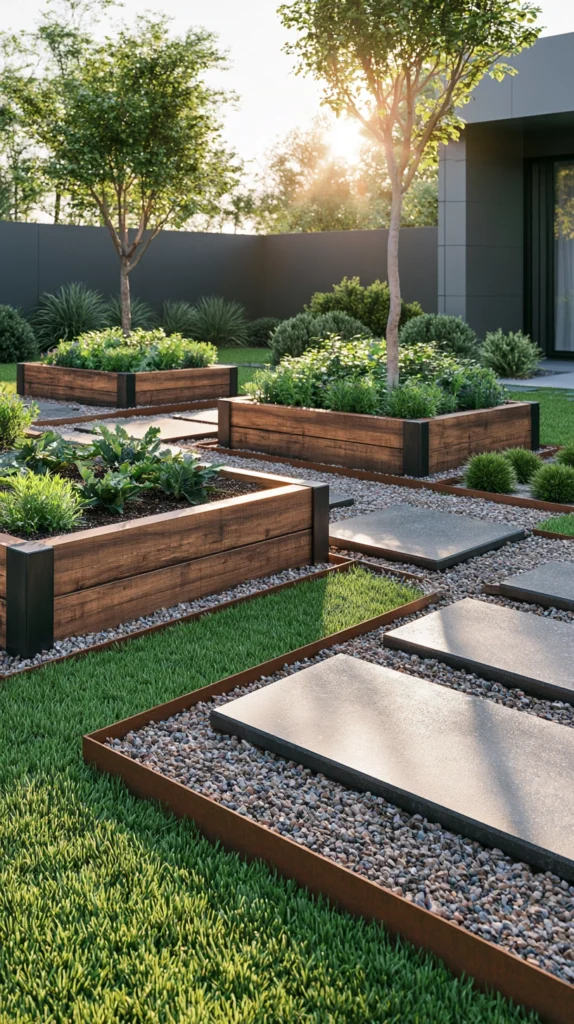
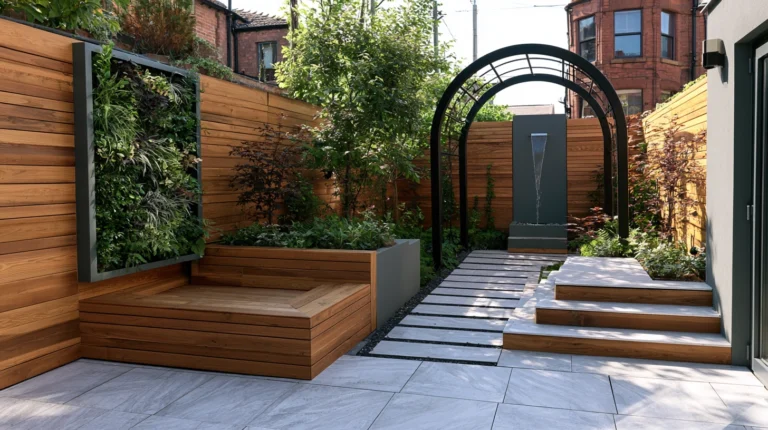
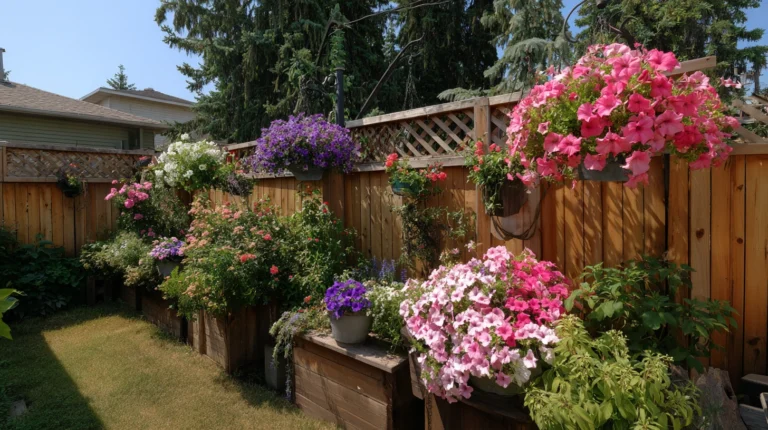
A raised bed with a solid edge, whether wood, stone, or metal, prevents lawn grass from creeping into planting areas, which removes one of the most persistent and tedious weeding tasks in any garden. Budget: $100-250 for materials to build a modest raised bed.
Sink the edging material at least a few inches below grade, since grass roots can otherwise grow underneath a surface-level border.
8. Choose a Single Repeated Plant Variety for a Cohesive, Low-Effort Look
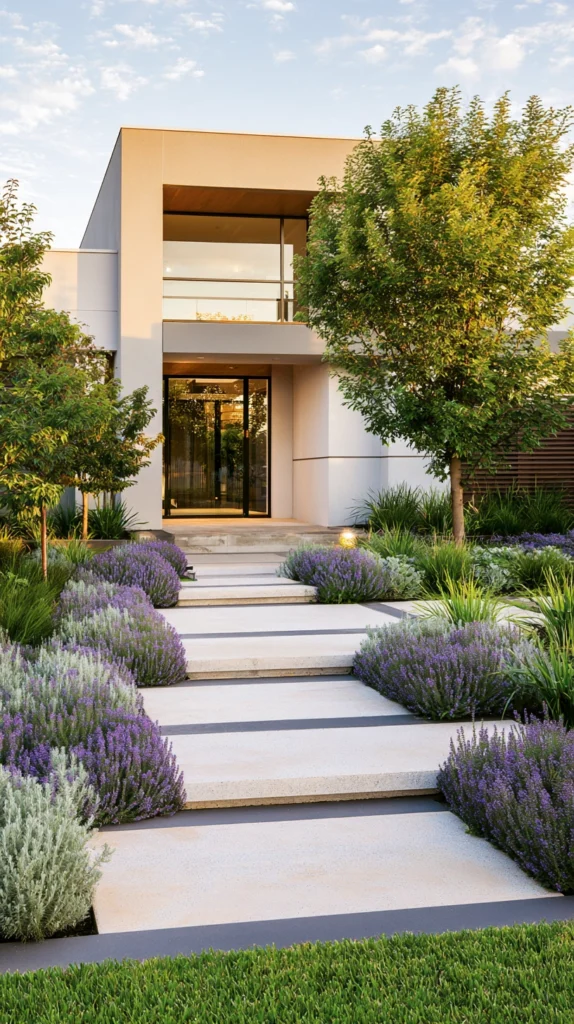
Planting one or two reliable varieties in repetition throughout a bed, rather than a wide mix of different plants with different needs, creates a more visually striking, intentional-looking garden while also simplifying care since everything in the bed wants the same water and light conditions. Budget: variable depending on the chosen plant, generally lower than buying many different varieties in small quantities.
Choose a plant known for a long bloom window specifically, so the repeated planting still provides visual interest across more of the season rather than blooming all at once and going quiet.
9. Add a Gravel Garden Section for a No-Mow Zone
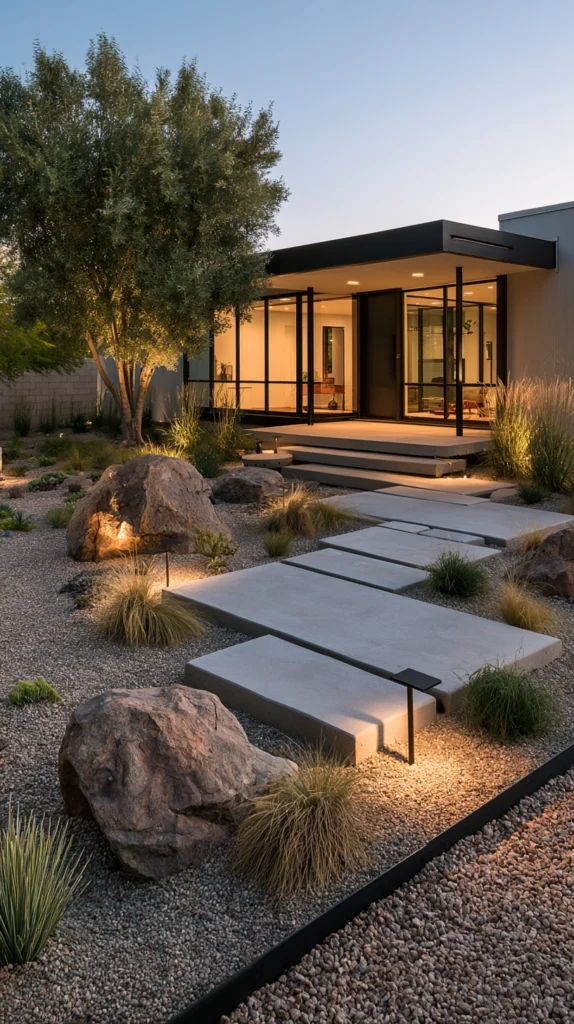
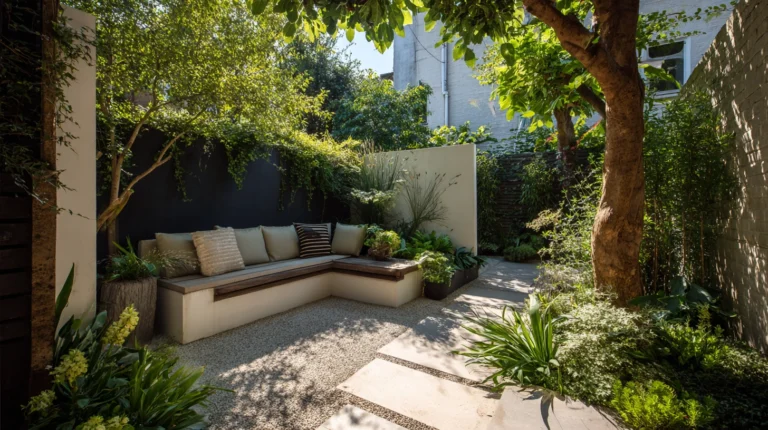
Replacing a portion of lawn with a gravel bed planted sparingly with drought-tolerant succulents or grasses eliminates mowing in that section entirely while creating a modern, textural look that contrasts nicely against any remaining greenery. Budget: $150-350 for gravel and a handful of accent plants over a modest area.
Lay a weed barrier fabric beneath the gravel before spreading it, since skipping this step is the most common reason a gravel garden ends up weedier than intended within a year.
10. Choose Self-Seeding Annuals for Effortless Repeat Color
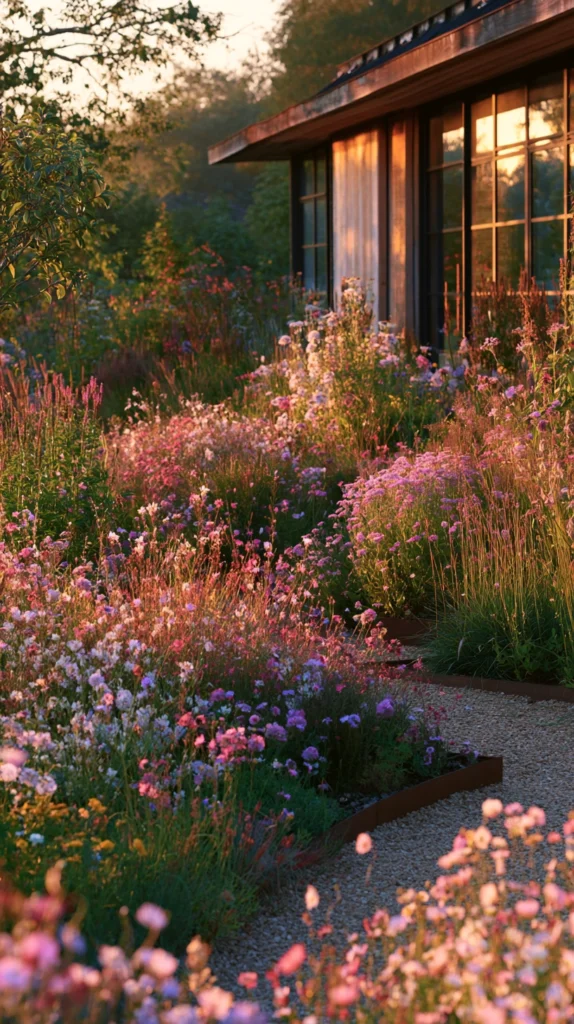
Certain annuals, like cosmos or California poppy, reseed themselves reliably each year, providing the color and variety of an annual planting without requiring you to replant from scratch every single spring. Budget: $5-10 for an initial seed packet, with the plants effectively reseeding themselves in subsequent years.
Let some spent blooms remain on the plant late in the season specifically, rather than deadheading everything, since this is what allows the seed drop that makes the following year’s reseeding possible.
11. Use a Soaker Hose Under Mulch for Invisible, Efficient Watering
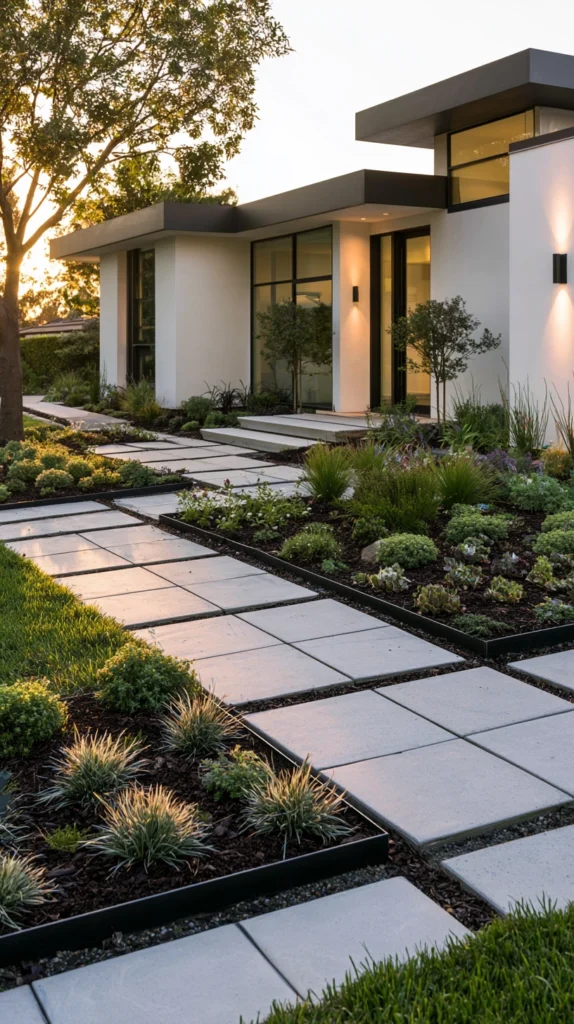
A soaker hose, laid beneath the mulch layer rather than visible on top of the soil, waters efficiently at the root level while staying completely out of sight, keeping the garden’s appearance clean without sacrificing irrigation efficiency. Budget: $20-40 for a soaker hose sized to a modest garden bed.
Check water pressure and hose length compatibility before installation, since soaker hoses generally perform best within a specific length range for even distribution.
12. Choose Native Plants Suited to Your Specific Climate
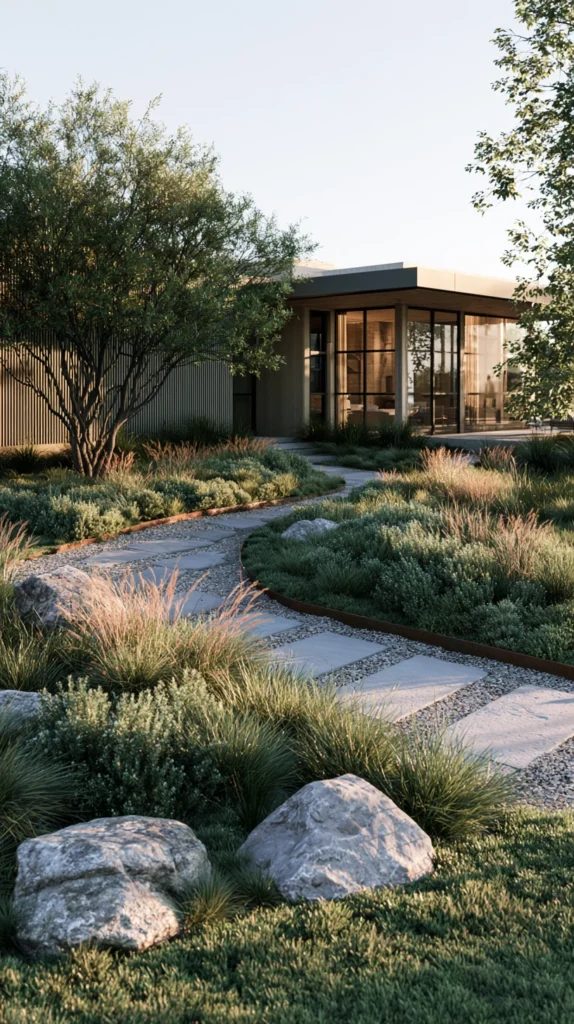
Native plants are adapted to local rainfall and soil conditions without any amendment, which means less watering, less fertilizing, and considerably less plant loss compared to varieties that need conditions your yard doesn’t naturally provide. Budget: $10-20 per native plant, often comparable to or less than non-native alternatives at a local nursery.
Check with a local extension office or native plant nursery specifically, rather than a general big-box garden center, for varieties genuinely suited to your exact region.
13. Add Large Boulders or Stone Accents as Permanent Focal Points
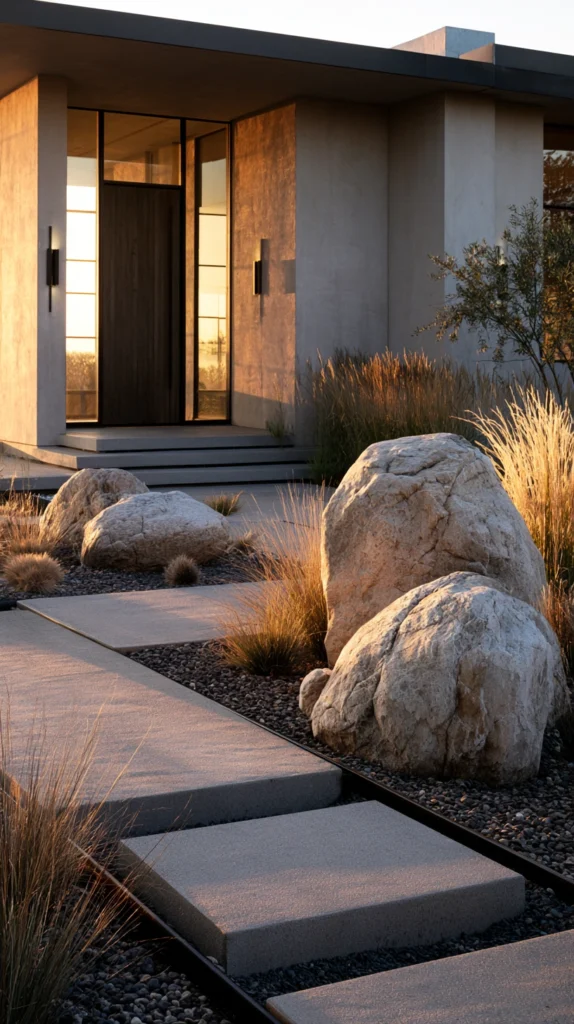
Substantial stone or boulder placements require zero ongoing maintenance while adding real visual weight and structure to a garden bed, balancing out the more delicate, ever-changing look of surrounding plants. Budget: $50-200 depending on stone size and whether delivery and placement are needed.
Position larger stones before planting around them rather than after, since moving an established stone later risks damaging nearby root systems.
14. Combine Several of These Into One Cohesive Low-Maintenance Garden Plan
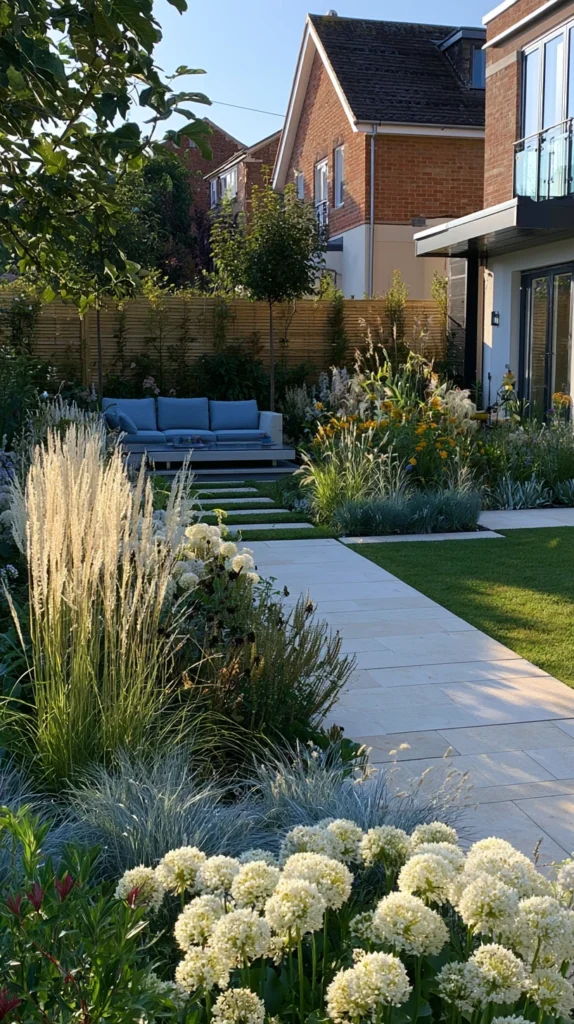
Bringing together drought-tolerant perennials, a drip irrigation system, thick mulch, and a repeated plant palette into one overall garden plan addresses both the visual cohesion and the actual time commitment together, rather than tackling maintenance and appearance as two separate, sometimes conflicting goals. Budget: $300-700 to combine most of the ideas above into one full low-maintenance garden redesign.
Phase the changes across more than one season if needed, starting with irrigation and mulch since these reduce maintenance immediately, then adding plants and hardscape elements as budget allows.
Choosing Your Approach
For a garden that needs the fastest relief from weeding: thick mulch (idea 2) and raised bed edging (idea 7) address the most time-consuming task directly.
For a bigger single investment: drip irrigation on a timer (idea 4) removes the daily watering decision almost entirely.
For the most complete low-maintenance garden: combine several ideas using idea 14’s approach, starting with irrigation and mulch before adding plants.
The real shift in a genuinely low-maintenance garden isn’t doing less work on the same plan, it’s choosing a different plan from the start, one built around plants and materials that don’t need constant intervention to look good in the first place.