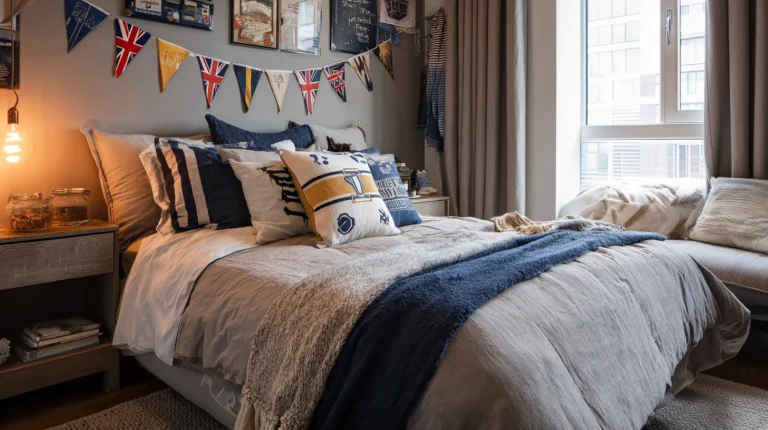
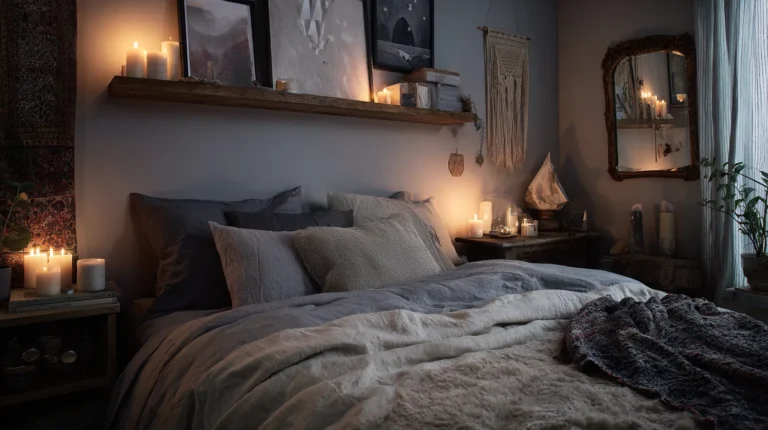
15 Master Bedroom Design Ideas That Turn Your Room Into a True Retreat
15 Master Bedroom Design Ideas That Turn Your Room Into a True Retreat
There is a specific failure mode that the master bedroom is uniquely susceptible to among all the rooms in the house. It is the failure of being considered last — after the living room has been furnished and the kitchen renovated and the children’s rooms decorated and the bathroom specified.
The master bedroom receives what remains of the budget and the attention, and because it is the most private room in the house and the least observed by guests, the compromise feels tolerable rather than urgent.

The result is a bedroom that functions adequately and feels like nothing in particular — a room where sleep happens but rest does not, where the end of the day arrives at its least considered destination.
The master bedroom that is genuinely a retreat was not considered last. It was considered with the same seriousness as any room in the house and with the additional knowledge that it will be experienced daily, at the most vulnerable hours of the day, by the people for whom the house was designed.
The quality of the master bedroom is felt rather than observed — it is felt in the warmth of the light at ten in the evening, in the quality of the material on the skin at midnight, in the atmosphere of the room at seven in the morning.
These are the qualities worth designing for, and each of them is within reach at any budget.
Each idea below is a specific approach to one element of the master bedroom. Each includes what you will need, what it will cost, and a practical tip to make it work as well as the genuine retreat it is reaching for.
1. The Dramatic Upholstered Headboard
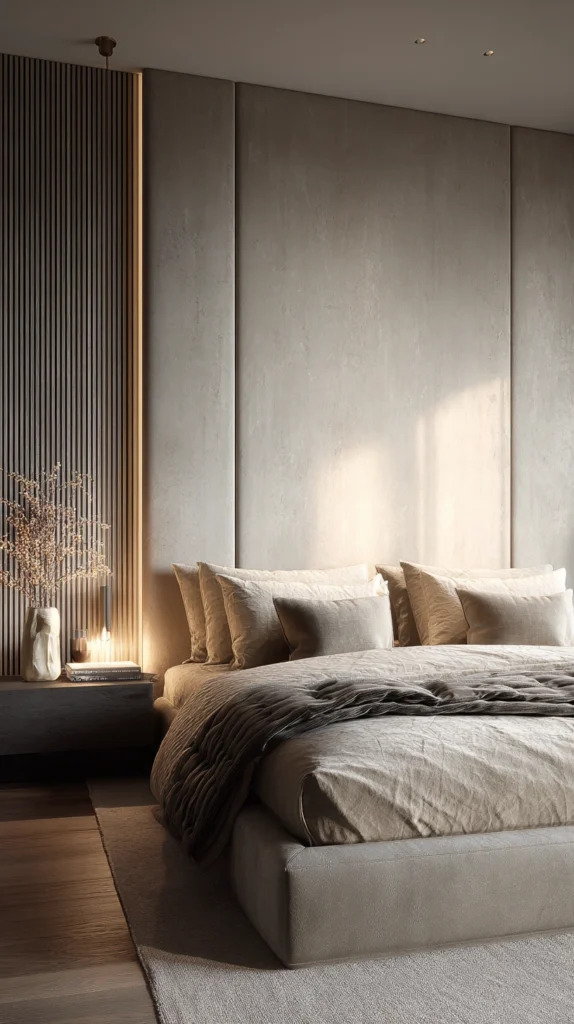
Budget: $150 – $2,000
A headboard of generous height — 130–180 centimetres, communicating the bed as the room’s primary architectural element — in a quality fabric that invites touch and catches the light creates the master bedroom’s most immediately impactful single piece of furniture.
The oversized upholstered headboard transforms the bed from a piece of sleeping equipment into the room’s focal point, and in a master bedroom where the bed is the primary furniture, that focal quality communicates the room’s design intention from the moment of entry.
A fully upholstered headboard in a quality bouclé or velvet costs $300–$800 for a king size. A DIY version in a chosen fabric — a sheet of plywood cut to shape, a layer of foam, a fabric stapled to the back — costs $80–$250 in materials.
A custom upholstered headboard in a specific fabric and height runs $600–$2,000. The height of the headboard is the specification that most dramatically communicates the room’s design intention — a low headboard communicates furniture; a tall headboard communicates architecture.
Style tip: Extend the headboard wider than the mattress — 15–20 centimetres beyond each side of the bed — so the upholstered element frames the sleeping surface rather than simply backing it.
The headboard that extends beyond the mattress width reads as a designed room element; the headboard exactly as wide as the mattress reads as a functional backing for pillows.
2. The Layered Bedding System
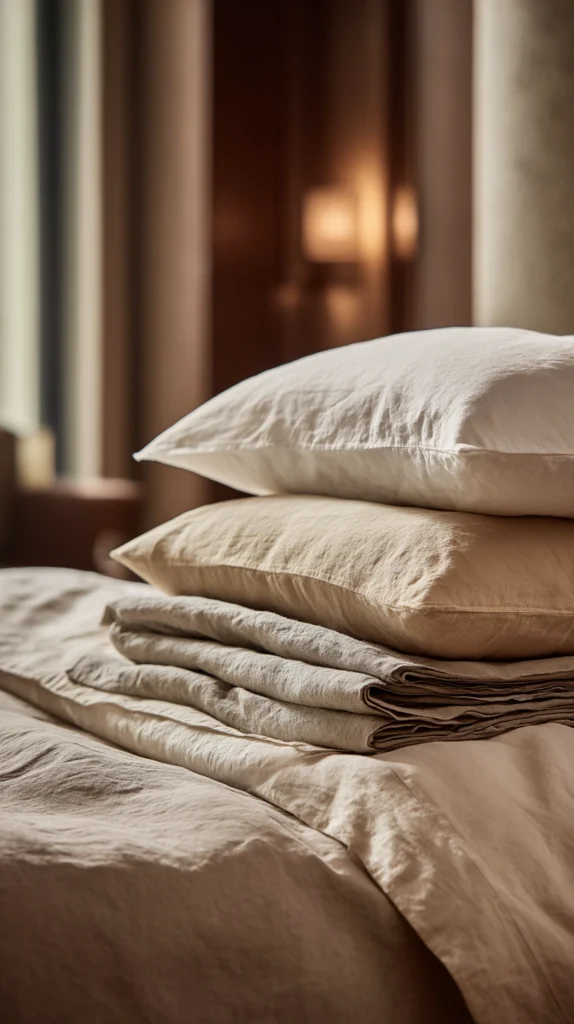
Budget: $100 – $600
A bed dressed with a considered layering of textiles — a quality fitted sheet, a flat sheet with a sharp hem turn-down, a duvet in a quality cover, a folded blanket or throw at the foot — communicates the master bedroom’s quality at the surface that is most directly and most continuously experienced.
The layered bed is not the maximally cushioned display bed of the aspirational interior; it is the bed that was dressed with attention to the quality of each layer and the relationship between them.
A high-thread-count cotton flat sheet costs $40–$100. A linen duvet cover runs $60–$150.
A quality wool or cashmere throw for the foot of the bed costs $60–$200. A pair of European square pillows for the back layer runs $30–$80 each.
The layering system communicates its quality through the precision of the making — the flat sheet folded over the duvet to show the hem, the throw folded in three and placed at precisely the foot of the bed — as much as through the quality of the individual pieces.
Style tip: Make the master bedroom bed in the hotel style every morning — flat sheet tucked with hospital corners, duvet pulled smooth from all four edges simultaneously, pillows stacked squarely with the open edge facing away from the viewer, throw precisely folded.
The hotel-made bed communicates daily attention that is the master bedroom retreat’s most consistently present quality.
3. The Dedicated Dressing Area
Budget: $200 – $2,000
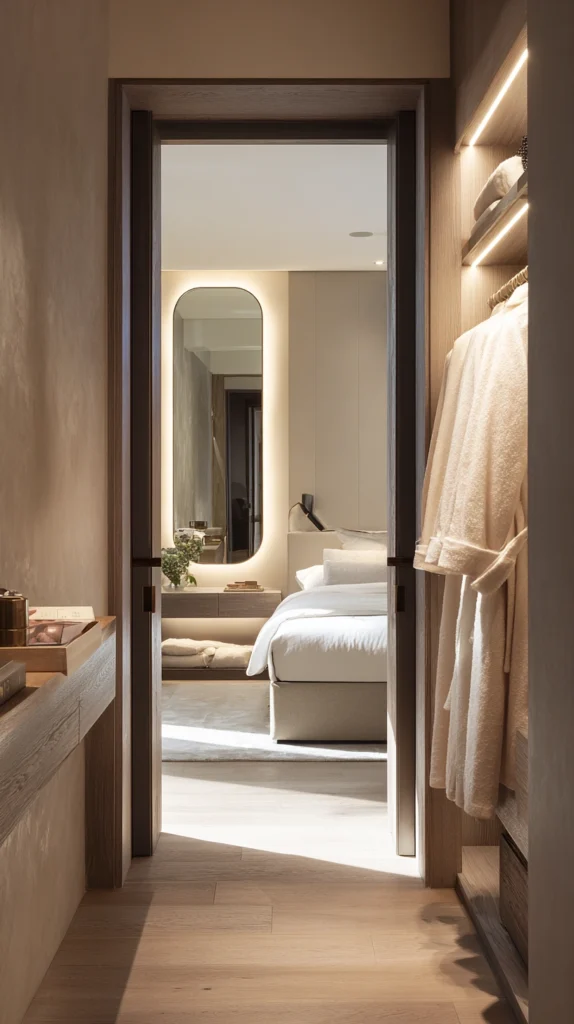
A dedicated area within the master bedroom — or a walk-through dressing room between the bedroom and the bathroom — equipped with a full-length mirror, adequate hanging storage, drawer storage for smaller items, and good lighting communicates the master bedroom suite quality that distinguishes a room designed for the full daily ritual from one designed for sleeping alone.
The dressing area communicates that the bedroom was designed for the person who uses it rather than for the impression it makes on entry.
A freestanding wardrobe configured as a dressing area costs $200–$600. A built-in wardrobe with a dressing section costs $500–$1,500.
A full walk-through dressing room in an existing space costs $800–$3,000.
Good lighting at the dressing area — face-level warm LED at each side of the mirror — is the functional specification that most determines whether the dressing area is genuinely used or used only when the light is adequate.
Style tip: Position the dressing area mirror so the natural light from the bedroom’s primary window falls on the face of the person standing at it rather than behind them.
A mirror with the light source behind the viewer shows only a silhouette; one with the light falling from the front shows the quality of the light and the person in it.
4. The Warm Ambient Lighting Plan
Budget: $100 – $600
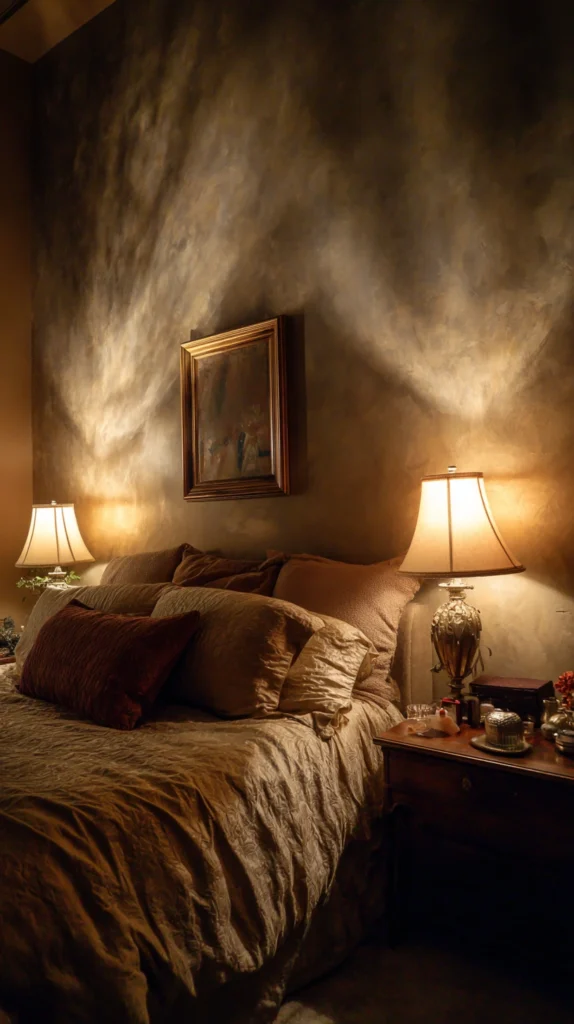
A master bedroom lighting plan designed for the evening — multiple warm sources at low levels, all on dimmers, with no overhead light as the primary source — communicates the specific quality of a room designed for its most important hours.
The master bedroom at ten in the evening, lit by bedside lamps at the correct height with warm bulbs at the correct temperature, is the bedroom at its most genuinely retreat-like quality.
The same room lit by a single overhead source at full brightness communicates a room that was not designed for the experience of being in it.
A pair of bedside wall sconces costs $60–$200 each. A bedside table lamp on each side runs $40–$120 each.
A dimmer switch for any ceiling fitting costs $15–$30. All bulbs at 2700K warm white — $3–$8 each.
The bedside lamp height is the specification that most determines the quality of the bedside light: the base of the lamp at 45–55 centimetres from the floor, so the light falls at reading height when the occupant is sitting up in bed.
Style tip: Install the bedside lights on individual switches on each side of the bed rather than on a shared circuit.
The ability to switch off one side without disturbing the other communicates the master bedroom’s quality as a room designed for two people rather than photographed as a room occupied by one.
5. The Colour and Atmosphere
Budget: $25 – $200
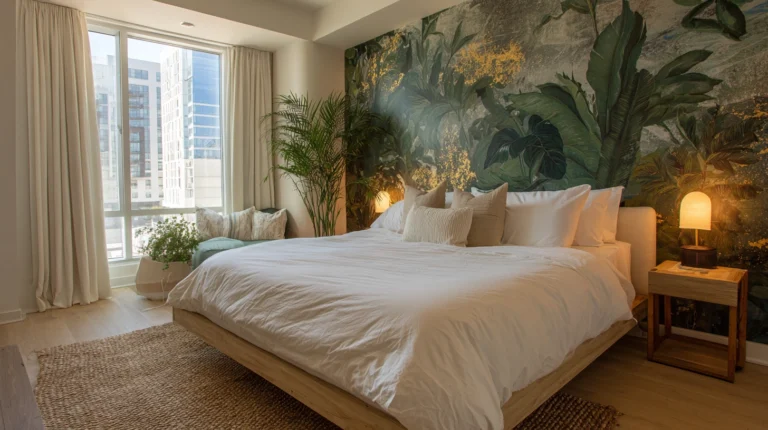
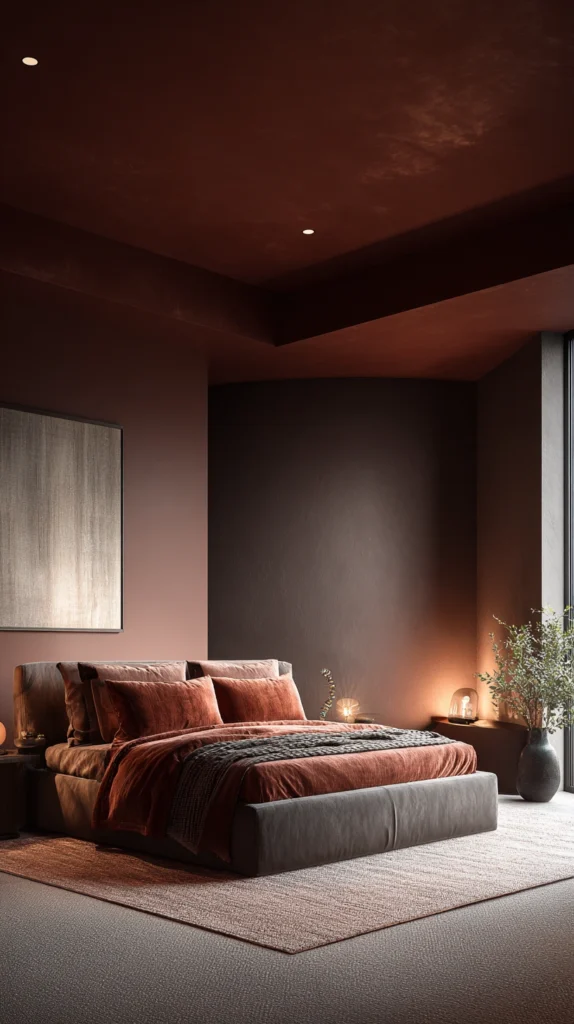
The master bedroom wall colour is the atmospheric decision that determines the quality of the room at every hour of the day and night — the warmth of the morning light, the depth of the evening light, the specific quality of the room that the occupant wakes into and falls asleep within.
The colour chosen for the master bedroom should be chosen for the specific quality of the experience it produces rather than for the impression it makes in a photograph.
A quality matt emulsion costs $25–$60 per tin.
The master bedroom palette — warm charcoal, deep green, warm plum, dusty blue, or the deepest and most specifically warm of the neutral range — earns the designation of the retreat through its atmospheric rather than its decorative quality.
The ceiling in the same colour as the walls is the master bedroom decision that most completely produces the enveloping quality of a room that was designed for the night.
Style tip: Test the master bedroom wall colour at the hour when the bedroom is most used — the evening, under the room’s artificial light — rather than at midday in natural light.
The colour that reads as rich and warm under the bedside lamps at ten o’clock is the colour the master bedroom requires.
6. The Dedicated Seating Area
Budget: $150 – $1,000
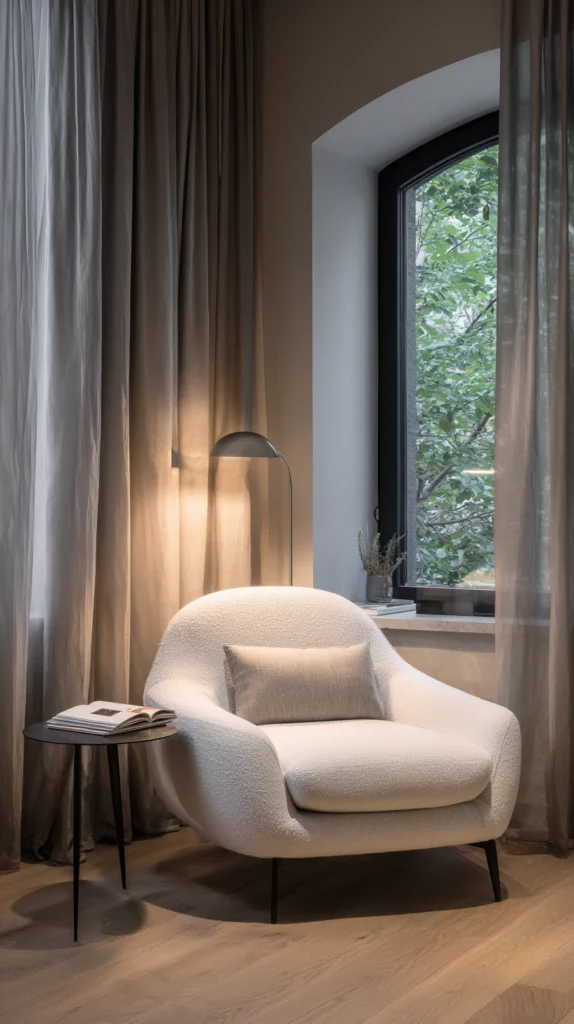
A seating area in the master bedroom — a pair of armchairs or a small sofa with a footstool, a side table, and a lamp — communicates the retreat quality most specifically.
It communicates a bedroom that was designed for being in rather than simply sleeping in.
The bedroom with a seating area provides the specific quality of a private room where the occupant can read, think, or simply be without being in the bed.
A single quality armchair costs $200–$600. A pair of smaller chairs runs $300–$1,000.
A reading lamp beside the seating area costs $60–$180.
Position the seating toward the window or the garden view rather than toward the television.
Style tip: Scale the seating furniture to the bedroom rather than to the living room.
A chair scaled for the bedroom occupies less floor space and communicates the specific function of the bedroom seat.
7. The Quality Window Treatment
Budget: $100 – $800
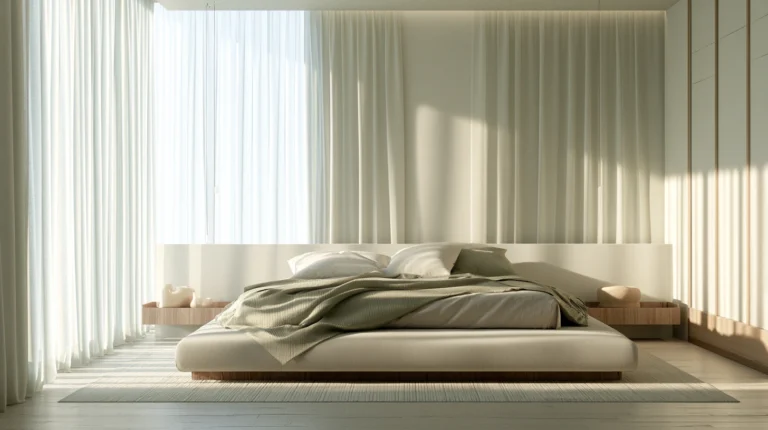
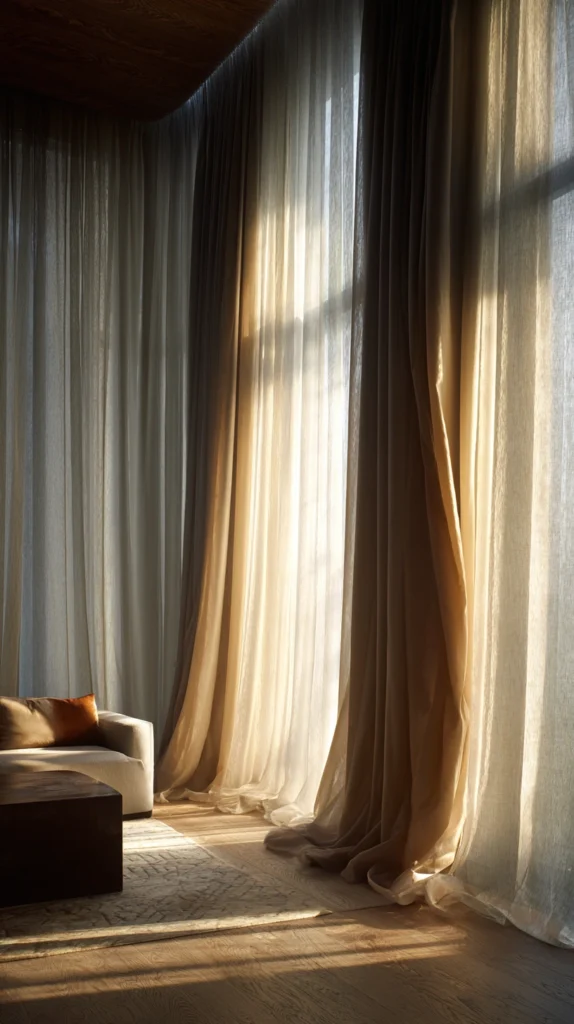
Floor-to-ceiling curtains in the master bedroom — in a quality fabric that falls with natural weight and pools slightly at the floor, in a colour that relates to the room’s palette and blocks the light adequately for sleep — communicate the master bedroom’s quality at the room’s most visually significant vertical element.
The curtain that begins at ceiling height and ends at the floor with a slight pool reads as a room designed for the quality of the window treatment rather than the room where curtains were hung for the functional minimum.
Blackout-lined curtains in a quality fabric of velvet, linen, or heavy cotton cost $80–$200 per panel.
Four panels for a standard bedroom — two windows, two panels per window — runs $320–$800.
Blackout lining rather than standard lining is the master bedroom specification — the light control quality of the sleeping room is more important than any other curtain function.
Style tip: Hang the curtain track or pole at 5–10 centimetres below the ceiling rather than at the standard position above the window frame.
The ceiling-height position makes the ceiling appear higher and the window appear larger simultaneously.
8. The Balanced Bedside Configuration
Budget: $80 – $500
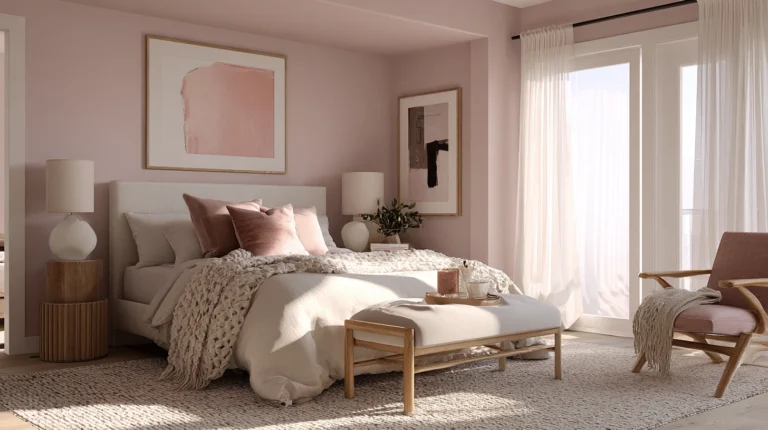
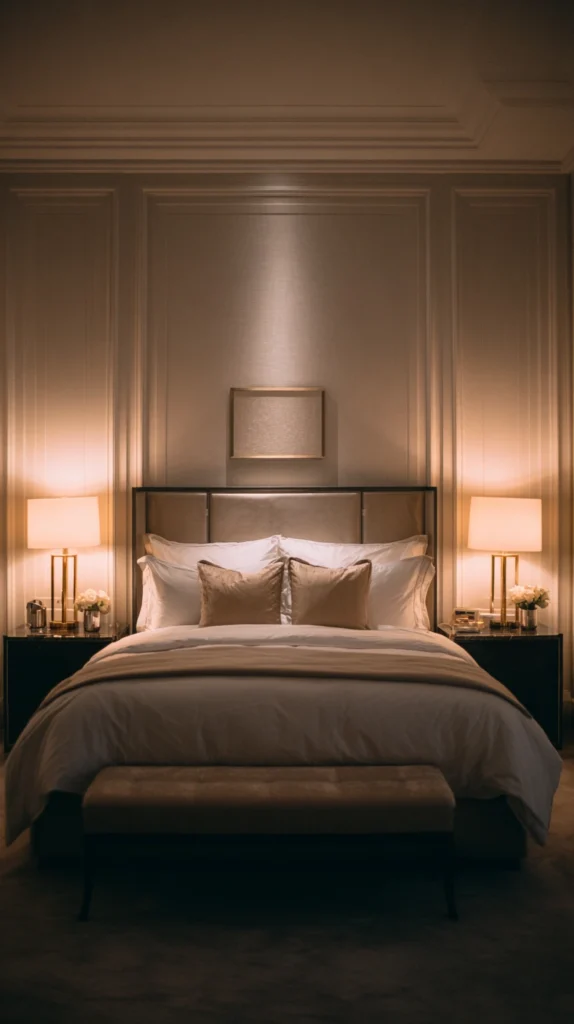
Matching bedside tables — or tables of the same height and visual weight if not identical — with matching lamps and identical styling create the bilateral symmetry that communicates the master bedroom’s composed quality from the moment of entry.
The symmetrical bedside arrangement is the single design decision that most immediately communicates a designed bedroom rather than an assembled one.
A pair of bedside tables costs $100–$400. Matching lamp bases with identical shades run $80–$200 per pair.
The matching specification must extend to the lamp height for a cohesive look.
Style tip: Style both bedside tables with identical objects rather than styling each side independently.
This creates a composed, intentional look.
9. The Luxury Flooring
Budget: $300 – $3,000
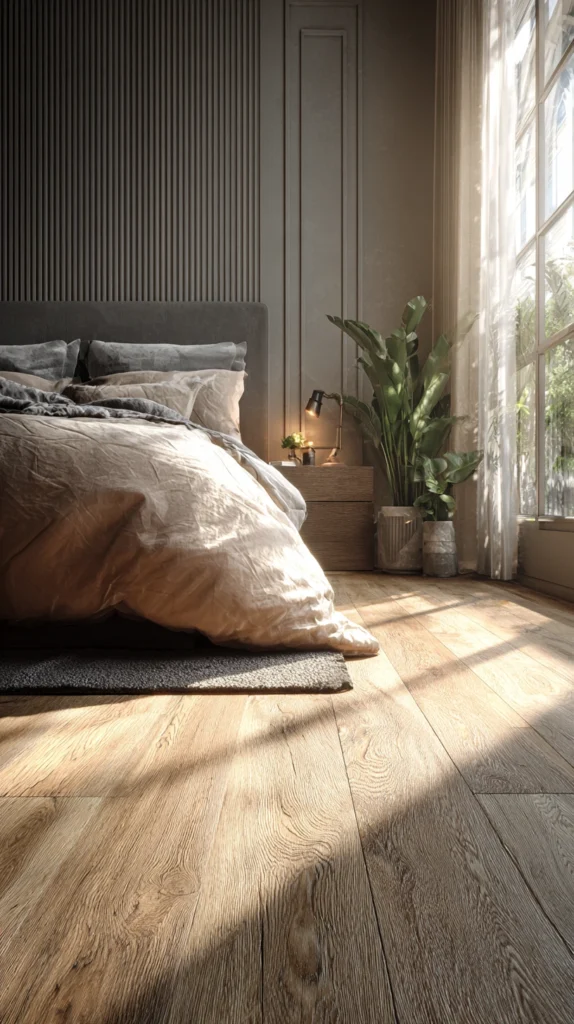
Quality flooring in the master bedroom — wide-plank timber, natural stone, or the softest available wool carpet — communicates the quality of the room at the surface most directly experienced by the occupant.
The floor is the first surface touched in the morning and the last touched before sleep.
Wide-plank engineered oak flooring costs $40–$80 per square metre. A quality wool carpet runs $30–$60 per square metre.
Natural stone costs $25–$50 per square metre.
Style tip: Install underfloor heating beneath hard flooring for maximum comfort.
This adds a luxury experience that is felt daily.
10. The Scent and Atmosphere
Budget: $20 – $100
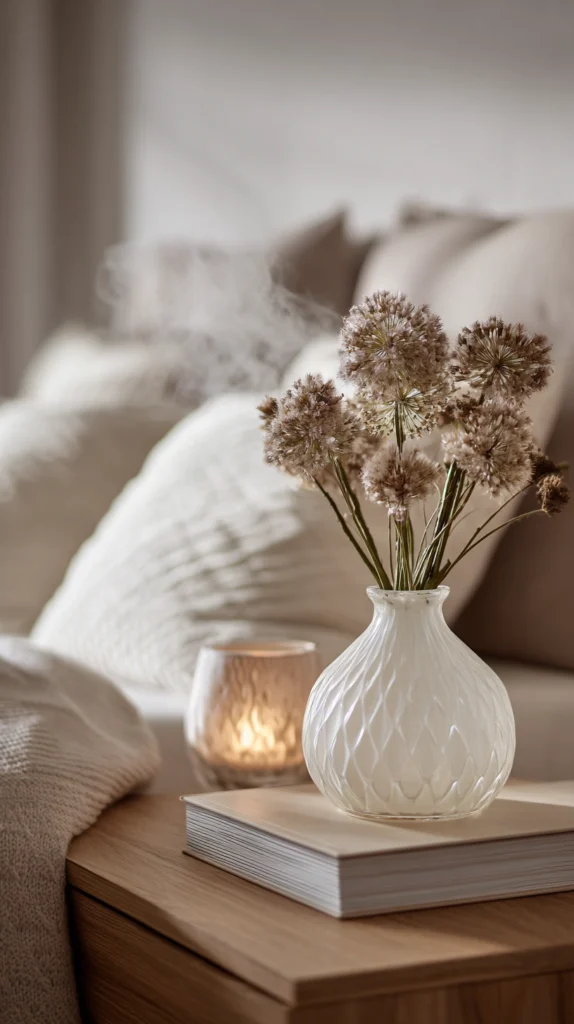
A consistent bedroom scent — a candle, linen spray, or diffuser — creates an emotional and sensory layer that defines the retreat feeling.
Scent is strongly tied to memory and relaxation.
A quality candle costs $15–$45. Linen spray runs $12–$30.
A diffuser costs $20–$50.
Style tip: Apply linen spray directly to pillowcases for a more immersive experience.
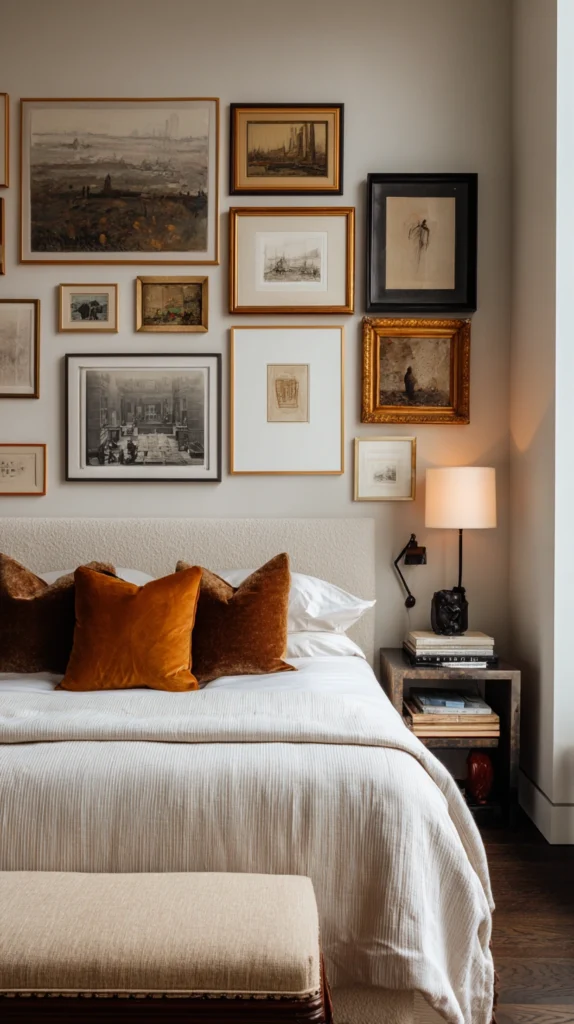
11. The Art and Personal Collection
Budget: $30 – $500
Artwork in the master bedroom should feel personal rather than purely decorative.
It reflects the occupant rather than impressing guests.
A framed print costs $20–$100. Original art ranges higher.
Photo collections can be done affordably.
Style tip: Position artwork where it can be seen from the bed, not just while standing.
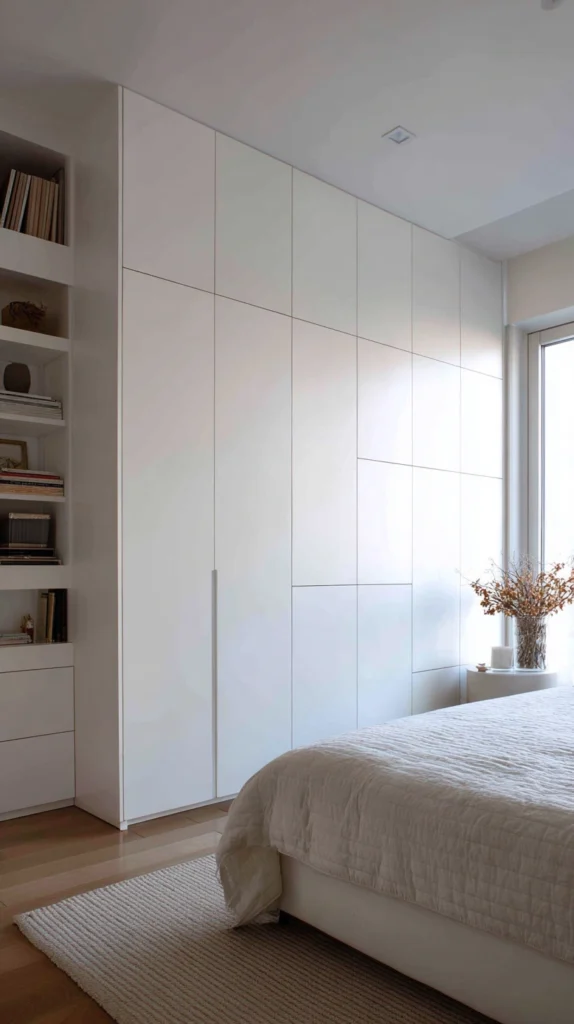
12. The Concealed Storage System
Budget: $400 – $3,000
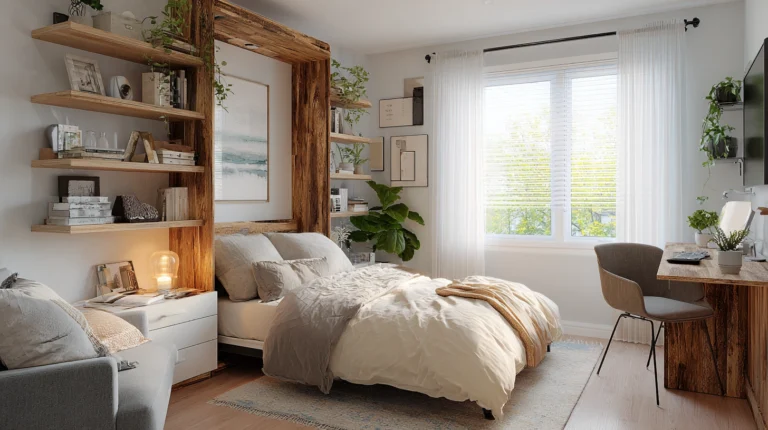
Adequate concealed storage removes visual clutter and maintains a calm environment.
This is key to sustaining the retreat feeling daily.
Built-in wardrobes cost $500–$1,500. Storage beds and drawers add functionality.
Paint wardrobes to match walls for a seamless look.
Style tip: Customize storage interiors for your actual needs.
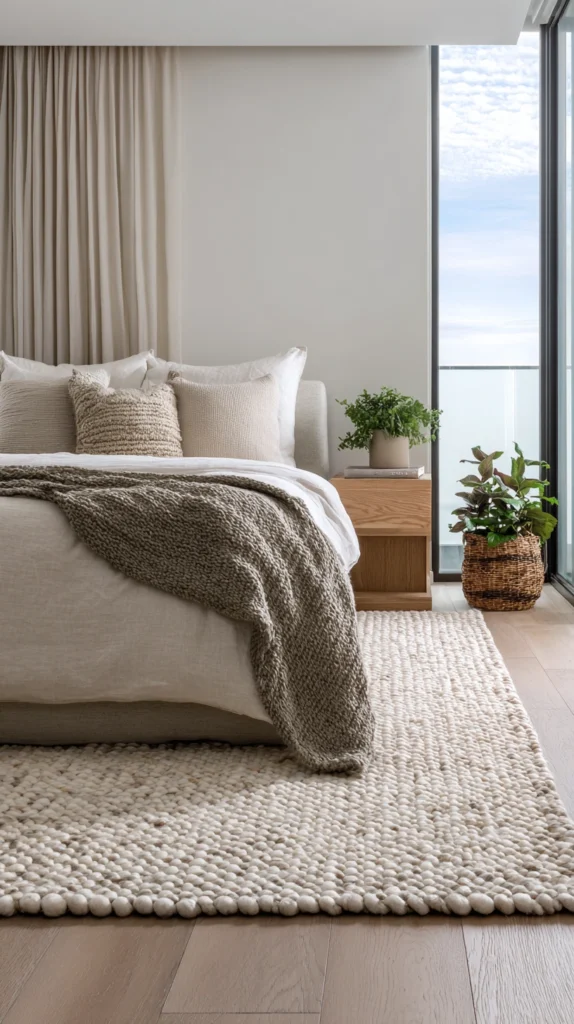
13. The Soft Rug Layer
Budget: $100 – $600
A large, soft rug adds warmth and comfort where it matters most — underfoot.
It enhances both comfort and visual softness.
Rugs range from $150–$500 depending on material.
Ensure it extends beyond the bed edges.
Style tip: Choose a thick pile for a plush feel.
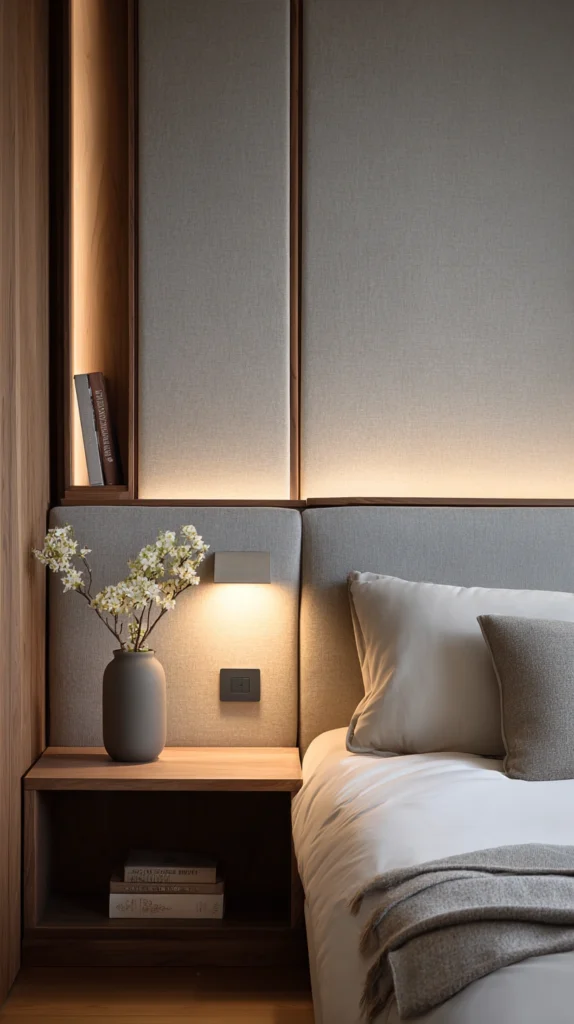
14. The Technology Management
Budget: $20 – $200
Managing visible technology is essential for maintaining a calm, distraction-free space.
Too much tech disrupts the retreat atmosphere.
Use cable organizers and concealed charging stations.
Consider hiding TVs when not in use.
Style tip: Keep phones out of sight at night for better rest.
15. The Daily Tending Ritual
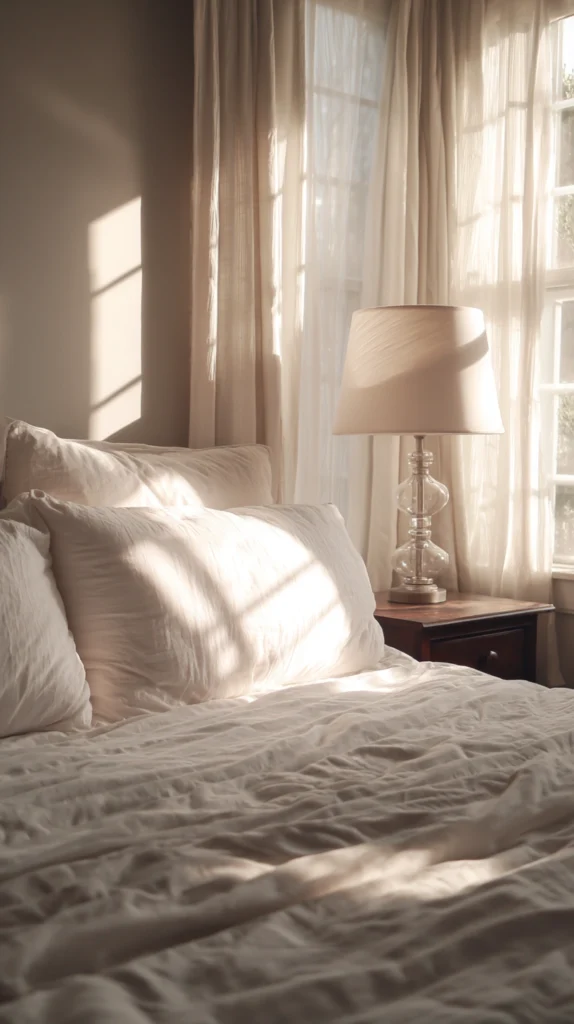
Budget: $0
The master bedroom retreat is maintained through daily care.
Small daily actions preserve the space’s quality.
Make the bed, clear surfaces, and reset the room each day.
Consistency matters more than perfection.
Style tip: Use a reference photo of your ideal setup to stay consistent.
The master bedroom that is genuinely a retreat is the one that was designed for its occupant rather than for its observer.
It is designed from the experience inward rather than from the impression outward, and that is what creates a true sense of retreat.