14 Beautiful Backyard Garden Ideas That Feel Like a Retreat
14 Beautiful Backyard Garden Ideas That Feel Like a Retreat
There is a specific quality that a garden achieves when it stops being a maintained outdoor space and becomes somewhere you genuinely want to go. Not to do something in particular — not to mow or weed or water — but simply to be.
The quality is not easy to name and it is not produced by any single element. It is produced by the accumulation of small, considered decisions that together create the atmosphere of a place that was made for the pleasure of being in it rather than for the impression it makes from the upstairs window.
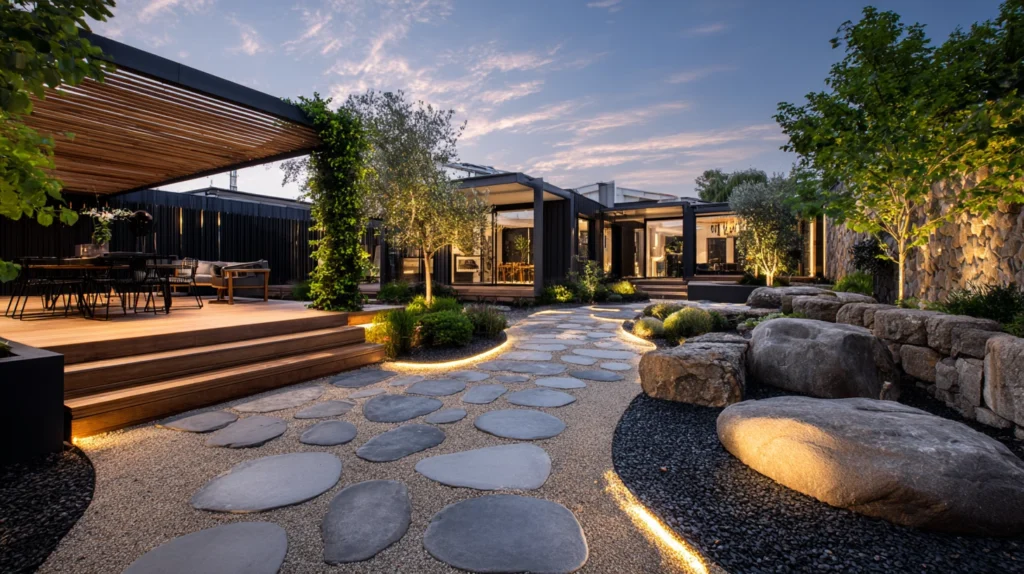
The retreat garden is not a formal garden or a naturalistic garden or any specific style. It is a garden that was designed with the experience of the person in it as the primary criterion rather than the appearance of the garden from outside it.
It has places to sit that are genuinely sheltered. It has planting that rewards slow looking. It has a path that makes the garden worth walking through rather than simply arriving at the far end of. It has the sound of water or the rustle of grasses or the fragrance of something that makes the air worth breathing consciously.
Each idea below is a specific approach to one element of the retreat backyard garden. Each includes what you will need, what it will cost, and a practical tip to make the whole thing work as well as the genuinely restorative space it is reaching for.
1. The Layered Planting Border
Budget: $100 – $500
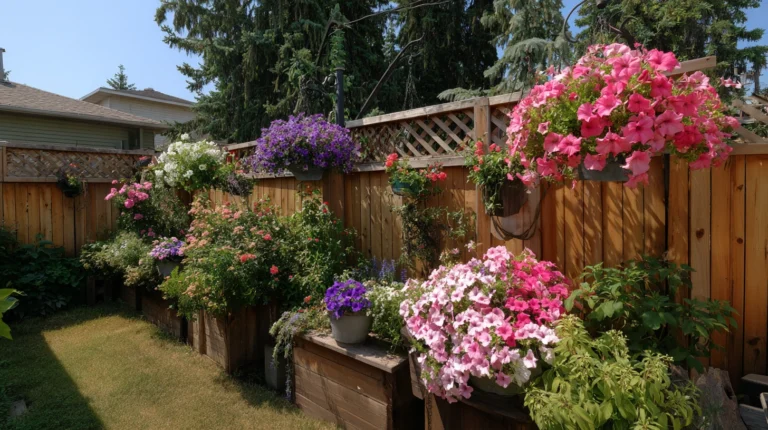
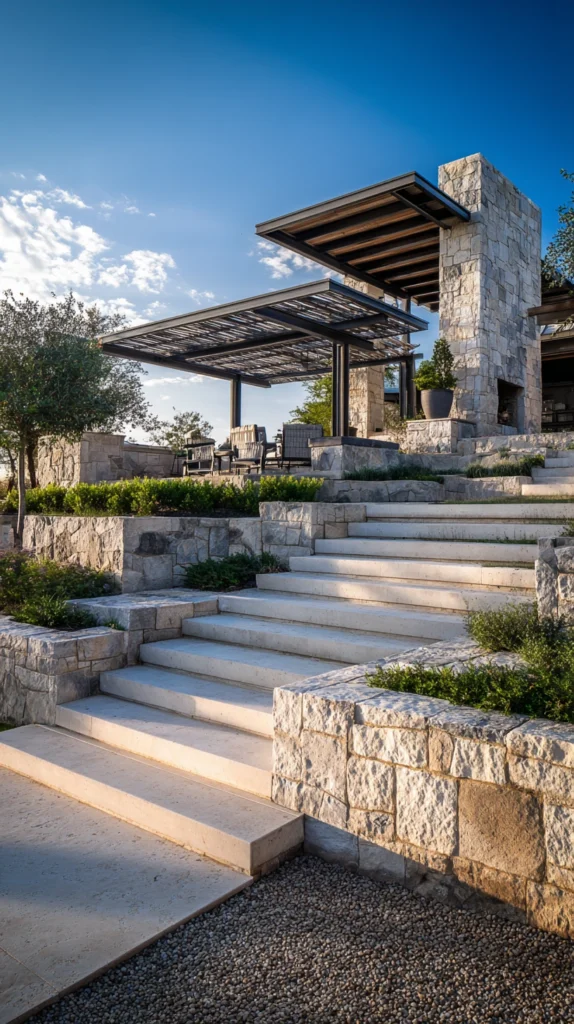
A properly layered planting border — tall structural plants at the back, medium perennials in the middle, low ground-covering species at the front edge — creates the garden’s most consistently beautiful and most wildlife-rich feature at the cost of patient planting and an understanding of how plants relate to each other spatially.
The layered border is not a collection of plants. It is a plant community, and the difference between the two is the difference between a border that requires constant intervention and one that settles into a self-sustaining balance within two to three seasons.
Structural back-of-border plants — Verbena bonariensis, Miscanthus, Persicaria — cost $8–$20 each. Mid-border perennials — salvias, geraniums, echinacea — run $6–$15 each. Front-of-border ground covers — alchemilla, ajuga, creeping thyme — cost $4–$8 each. A border of 4 by 1.5 metres planted at the correct density requires twenty to thirty plants — $80–$300 in plant material.
Style tip: Plant in drifts of odd numbers — three, five, or seven of the same species — rather than in individual specimens distributed across the border. A border planted in drifts reads as a designed plant community; one planted in singles reads as a collection. The drift planting is also more ecologically functional — pollinators moving between flowers of the same species travel shorter distances and the border becomes genuinely productive as well as beautiful.
2. The Enclosed Seating Nook
Budget: $80 – $600
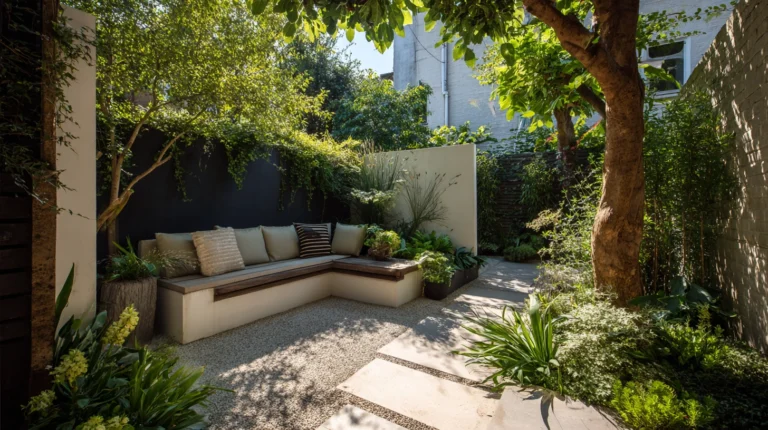
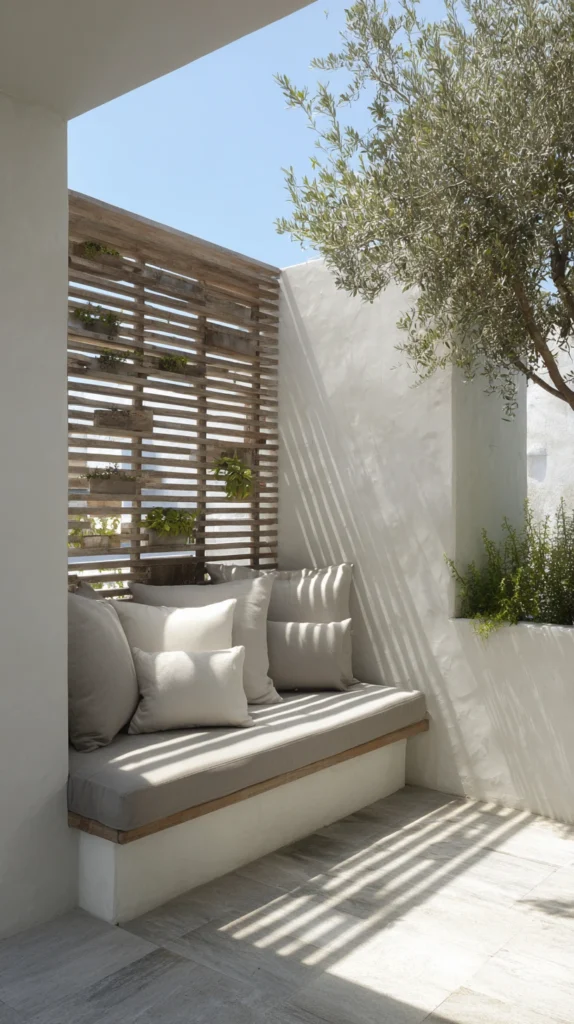
A seating position that is enclosed on two or three sides — by planting, by a hedge, by a fence with a climbing rose, by the angle of two walls — creates the specific quality of shelter that makes a garden seat genuinely inviting rather than merely available. An open bench in the middle of a lawn is furniture in a garden; a seat enclosed by planting is a garden room, and the difference in how long people stay in each is significant and entirely predictable.
A simple timber bench costs $60–$150. Enclosing planting — lavender, rosemary, tall grasses, or a trellis with a climbing plant — costs $40–$150 to establish on two or three sides. A curved bench built into a hedge recess requires the hedge to be established first — two to three seasons of hornbeam or yew growth — before the recess is cut. The patience of waiting for the enclosure to develop is the investment in a garden feature that improves every season.
Style tip: Position the enclosed seating nook so it faces south or southwest — the orientation that receives the most afternoon and evening sun in the northern hemisphere. A south-facing nook catches the warmth of the day at the hours when the garden is most used; a north-facing one is shaded and cool regardless of the quality of the enclosure that surrounds it. The orientation is the site decision that most determines how frequently the seating nook is used.
3. The Natural Water Feature
Budget: $100 – $1,000
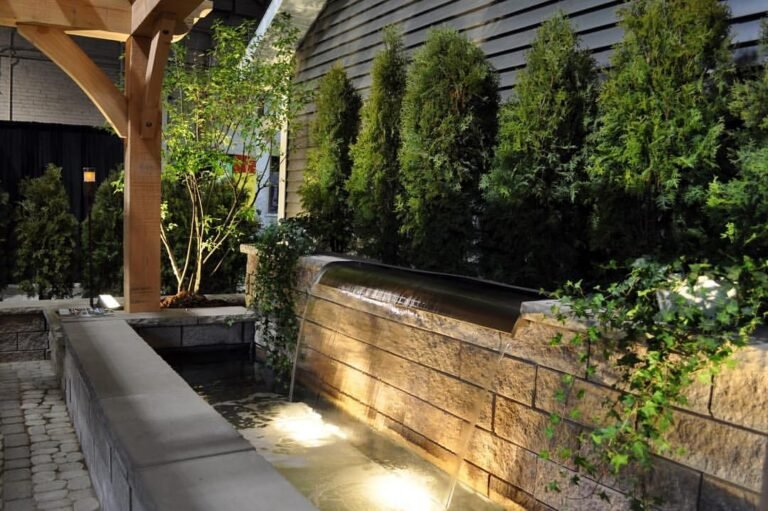
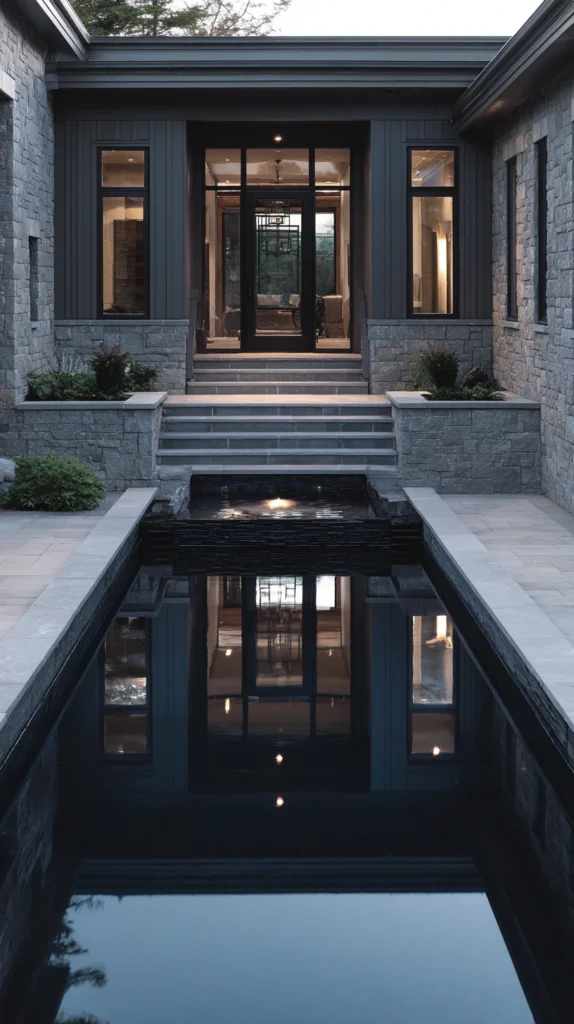
A natural or naturalistic water feature — a wildlife pond, a bog garden, a recirculating stream, a still reflecting pool — creates the acoustic and the visual quality that most transforms a garden from a pleasant space to a genuinely restorative one. The sound of moving water in a garden is not merely decorative. It has a specific effect on the nervous system that is measurably calming, and the garden that contains it is experienced as more restorative than the garden of equivalent beauty without it.
A small wildlife pond of 1.5 by 1 metres with a liner costs $80–$200. A recirculating stream with a pump costs $150–$400 for a simple system. A formal reflecting pool costs $200–$800. Position the water feature within earshot of the primary seating area — a pond at the far end of the garden provides the ecological value of water without the acoustic value that is experienced only in proximity.
Style tip: Plant the margins of any water feature with native aquatic plants — marsh marigold, water iris, water mint — rather than exotic species. Native aquatic planting establishes faster, requires no supplementary feeding, and supports the local wildlife community that will arrive at the water within weeks of it being filled. The native-planted pond is a genuinely functional ecological feature as well as a beautiful garden element.
4. The Garden Path With Destination
Budget: $60 – $400
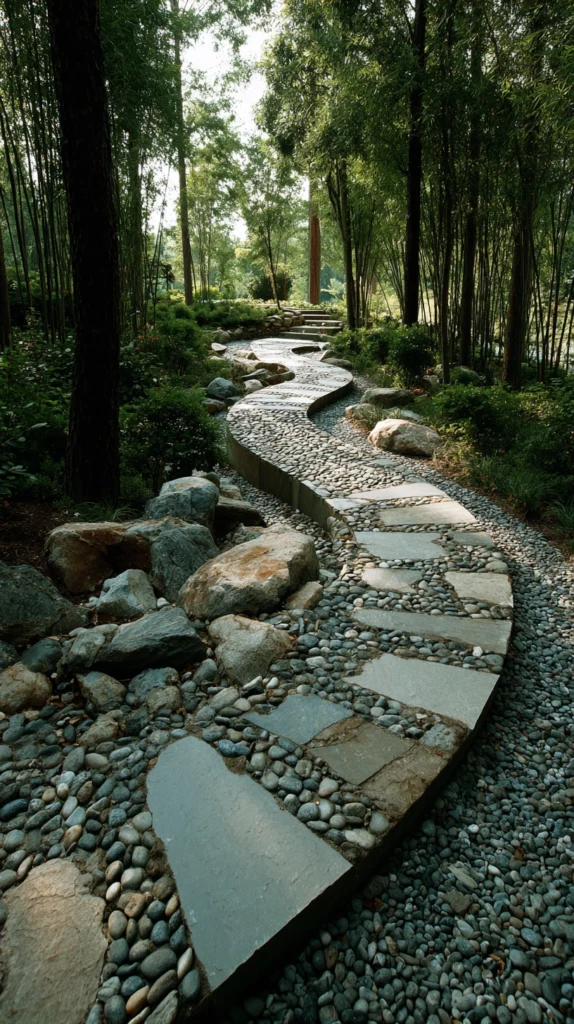
A path that leads somewhere worth going — a seating nook, a water feature, a specimen plant, a view — gives the garden a narrative structure that a garden without a path lacks. The retreat garden is not experienced all at once from a single vantage point; it is discovered progressively, and the path is the device that organises the discovery. A garden with a considered path always feels larger and more complex than the same garden without one.
A gravel path costs $8–$15 per bag — a 1-metre-wide path of 5 metres requires approximately six bags. Stepping stone paths in natural stone cost $5–$15 per stone. A bark chip path costs $8–$15 per bag. The path should be wide enough for two people to walk side by side — 120 centimetres — rather than the minimal single-person width of 60 centimetres that most garden paths default to. The generous path width communicates a garden designed for companionship rather than single-file navigation.
Style tip: Curve the path so the destination is not visible from the starting point. A path that shows its destination immediately removes the quality of anticipation that makes arriving somewhere worth arriving. A path that curves so the destination reveals itself progressively creates the specific pleasure of discovery that is one of the retreat garden’s most defining qualities.
5. The Fragrant Garden Approach
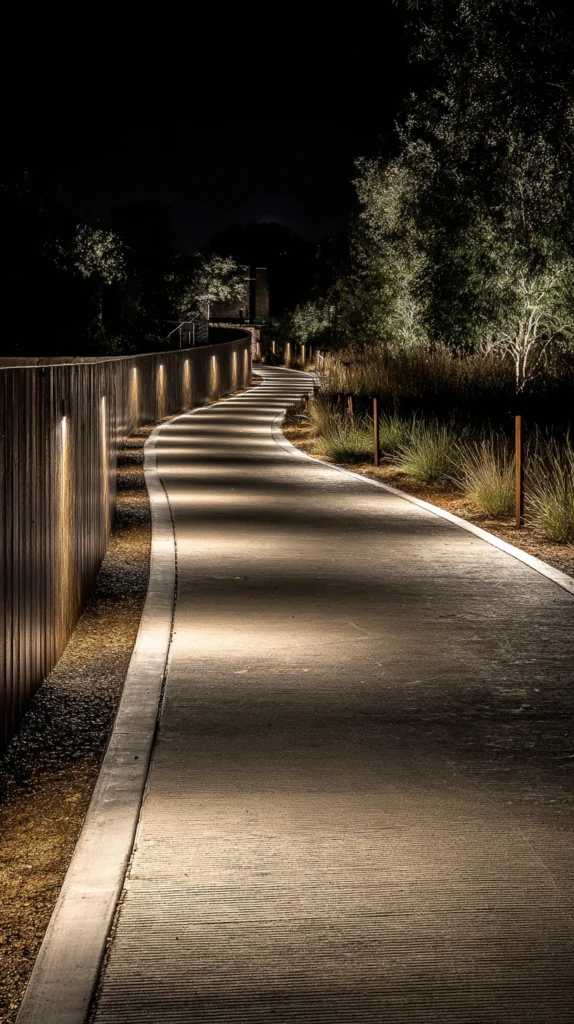
Budget: $40 – $200
A garden designed with fragrance as a primary criterion rather than an incidental quality — with fragrant plants positioned along the path, beside the seating area, and beneath the windows — creates the garden that is experienced through every sense simultaneously rather than through sight alone. Fragrance in a garden is the quality that most directly produces the emotional response that the word retreat implies, and the garden that smells beautiful is always experienced as more restorative than the garden that merely looks beautiful.
Lavender plants cost $4–$8 each. Roses with genuine fragrance — David Austin varieties, old garden roses — cost $15–$35 each. Sweet peas from seed cost $2–$4 per packet. Philadelphus — the mock orange with the most intensely fragrant white flowers — runs $15–$30. Plant fragrant species within arm’s reach of every path and seating position rather than concentrating the fragrance planting in one area of the garden.
Style tip: Include species that are fragrant at different times of day — roses in the morning, lavender in the afternoon, evening primrose and tobacco plant at dusk — so the garden is fragrant across the full range of hours when it is used rather than during a single daily window.
6. The Meadow or Long Grass Area
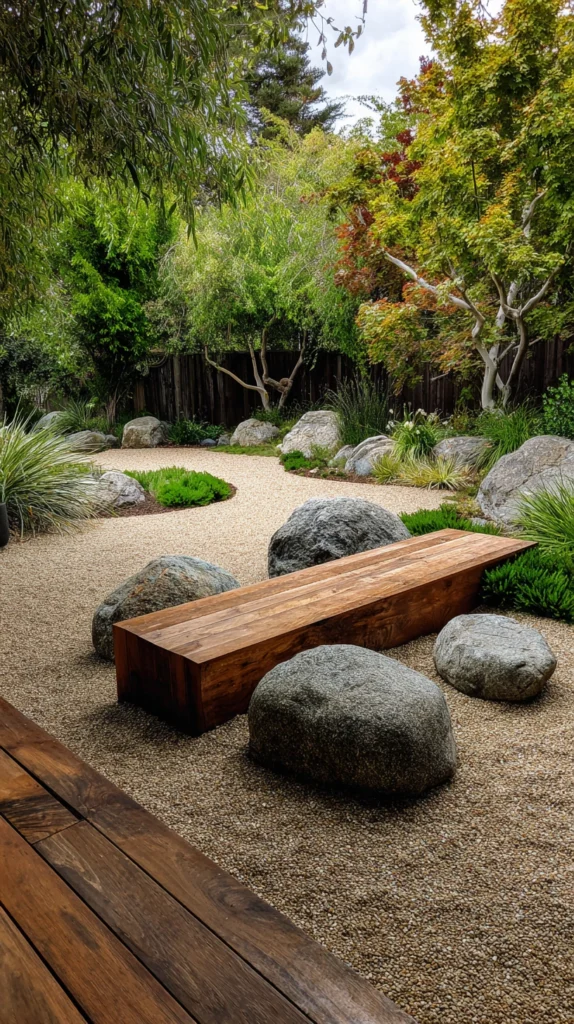
Budget: $10 – $80
An area of the garden allowed to grow long — either as a genuine wildflower meadow or simply as an area of unmown grass with a mown path through it — creates the most naturalistic and most specifically wildlife-rich garden element available at the lowest cost. The unmown area communicates a different relationship to the garden than the maintained one: it is a place where the gardener has chosen to relinquish control rather than to exercise it, and that relinquishment has its own specific beauty.
Wildflower seed mix costs $5–$20 per packet. A mown path through the long grass requires nothing additional to what the mower already does — simply stop mowing the area designated as meadow. A single annual cut in late August is the management requirement. The meadow area improves every year as the seed bank develops and the plant community diversifies.
Style tip: Position the meadow area where it is visible from the primary seating position rather than at the far end of the garden where it is rarely observed. A meadow seen from the garden seat — the movement of the grasses in the wind, the insects visiting the flowers, the colour changes through the season — provides a constantly changing and genuinely engaging view that a maintained lawn at the same distance cannot offer.
7. The Garden Room Defined by Hedging
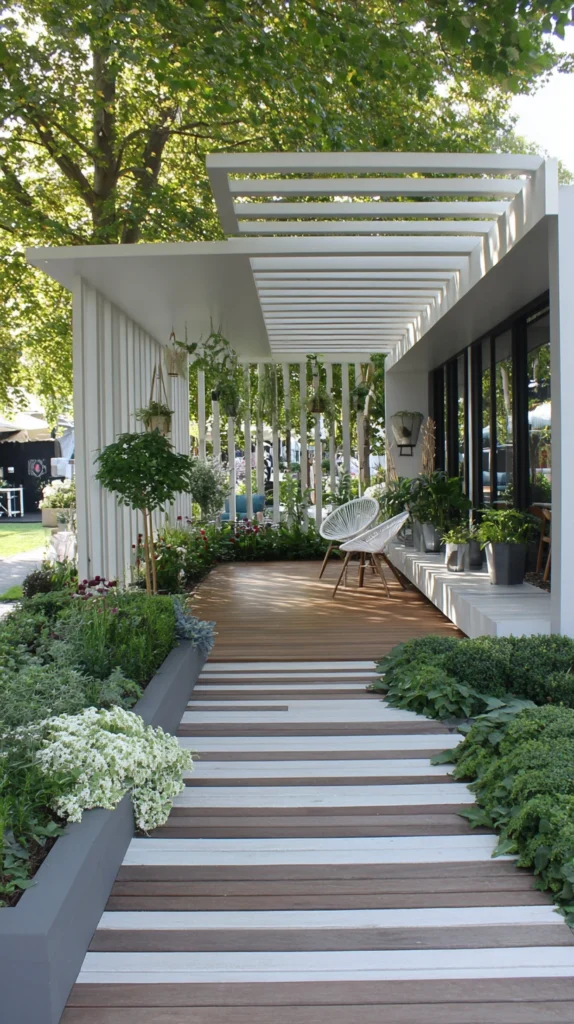
Budget: $100 – $600
A hedge that divides the garden into separate rooms — each with its own character, its own planting, its own atmosphere — creates the spatial complexity that makes a garden feel genuinely large and genuinely explorable regardless of its physical dimensions. A garden of one room is experienced all at once; a garden of two or three rooms is experienced progressively, and the room not yet visited has the specific quality of anticipation that is one of the retreat garden’s most reliably produced pleasures.
Yew hedge plants cost $8–$20 each. Hornbeam runs $5–$15 each. Box at standard density planting costs $5–$12 each. A hedge of 3 metres in length planted at 30-centimetre spacing requires ten plants — $50–$200 per run depending on species. The hedge room requires patience — two to three seasons before yew or hornbeam achieves useful screening height — but the matured result is the most beautiful and most specifically architectural garden feature available at this investment level.
Style tip: Create an opening in the hedge that is slightly narrower than seems necessary — 80–90 centimetres rather than the generous 120 centimetres that would allow comfortable two-abreast passage. A slightly narrow opening creates the quality of entering somewhere rather than passing from one area to another, and the momentary experience of passage — of going through rather than merely into — is the spatial quality that makes the hedged garden room genuinely feel like a separate destination.
8. The Climbing Plant Framework
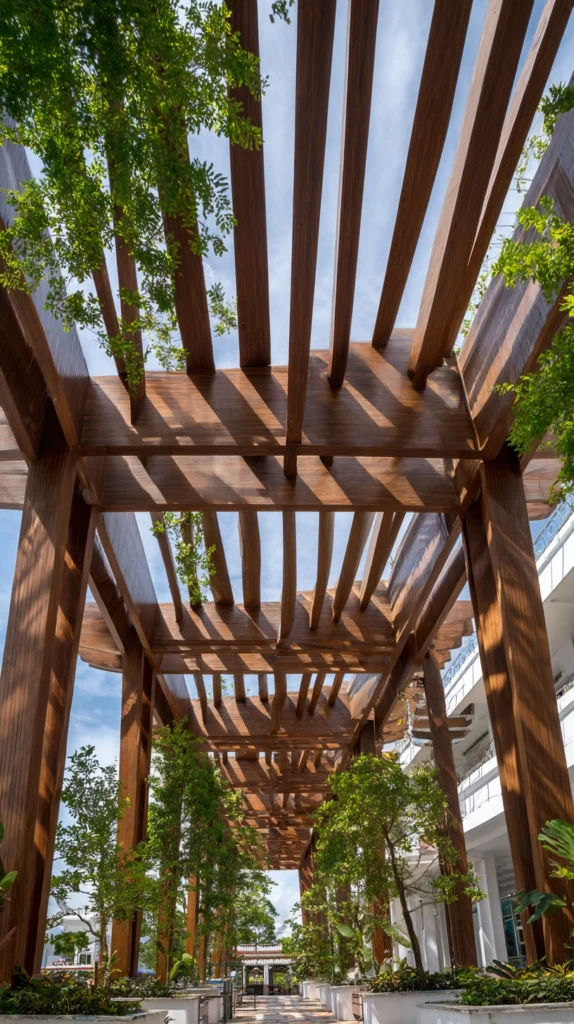
Budget: $60 – $300
A garden with established climbing plants — roses over arches, wisteria on a pergola, clematis through a tree, jasmine on the house wall — has a vertical dimension and a structural maturity that a garden without climbers lacks regardless of the quality of its ground-level planting. Climbing plants are the garden’s architectural elements and they create the quality of enclosure and overhead interest that defines the garden as a space rather than a surface.
A climbing rose in a 5-litre pot costs $15–$35. A wisteria runs $20–$50. A clematis costs $10–$25. A jasmine plant runs $8–$20. The climbing plant investment requires commitment to training and initial support — a climber left to grow without guidance in the first two seasons creates the problem that the next ten seasons must manage. Twenty minutes of tying and training in spring and autumn is the investment that produces the mature climber’s specific quality of abundance.
Style tip: Choose climbers for the specific structure they will grow on rather than for their appearance in isolation. A wisteria on a pergola provides dappled shade through its canopy and extraordinary fragrance in May; the same wisteria on a small arch overwhelms the structure within five years. The scale relationship between the climber’s eventual size and the structure it will occupy is the selection criterion that determines whether the climber becomes a garden asset or a garden problem.
9. The Productive and Beautiful Kitchen Garden Corner
Budget: $80 – $400
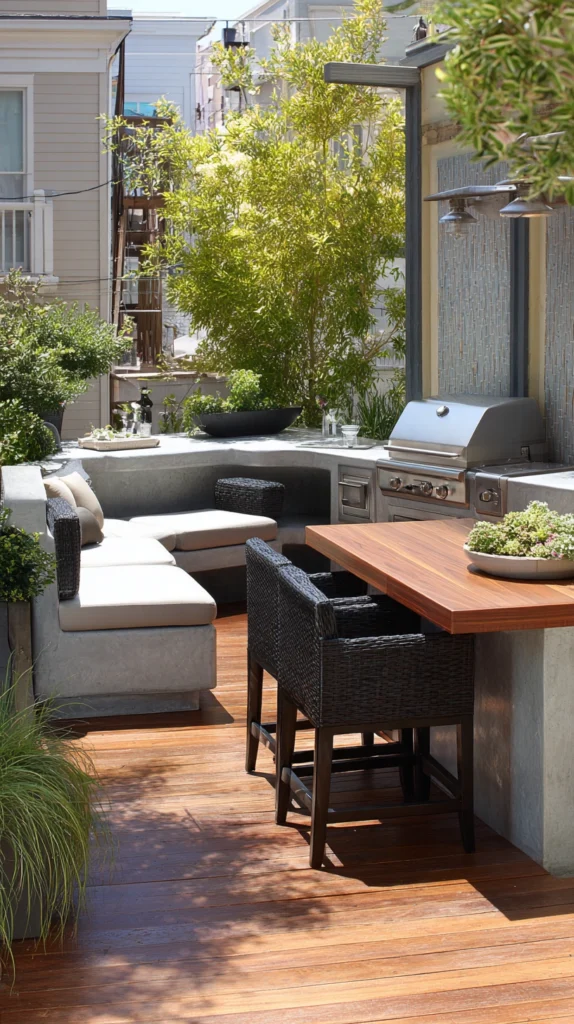
A corner of the retreat garden dedicated to productive growing — raised beds for vegetables, a trained fruit tree on the fence, a cutting flower border — creates the specific quality of a garden that is genuinely useful as well as beautiful. A garden that produces food and flowers for the house is a garden with a purpose beyond its own maintenance, and that purposefulness gives the retreat quality a different and more grounded dimension than pure ornament provides.
A timber raised bed of 120 by 60 centimetres costs $40–$100. A trained apple or pear on a dwarfing rootstock runs $25–$60. A cutting flower border — zinnias, sweet peas, dahlias, cosmos — costs $15–$40 in seed and plug plants. Position the productive corner where it receives the maximum sunlight the garden provides — vegetables and productive plants require more direct sun than ornamental species, and a productive garden in inadequate light produces neither the harvest nor the beauty it promises.
Style tip: Design the productive corner as a beautiful garden feature rather than as a utility area. Raised beds in quality timber with coppiced hazel plant supports, cutting flowers allowed to grow to their full height, a fruit tree trained as a formal espalier — the productive garden that is also visually considered is the productive garden that feels genuinely part of the retreat rather than a separate vegetable patch at the end of the garden.
10. The Evening Garden Lighting
Budget: $40 – $200
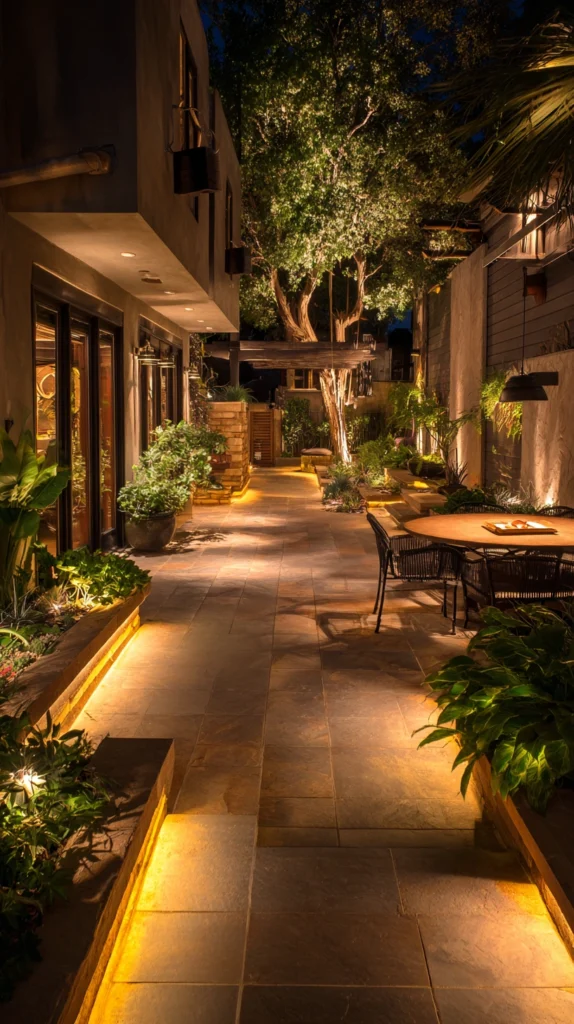
A garden lighting plan — uplights on the most significant trees and shrubs, path lighting at the ground level, a string of warm lights over the seating area — extends the retreat garden into the evening hours that are often the most beautiful and most valuable of a summer day. A garden that closes at sunset is a garden half-used; one with considered lighting opens at dusk into its most atmospheric version.
Solar uplights for trees and shrubs cost $8–$20 each. Path lighting in solar ground stake format runs $5–$12 each. A string of outdoor warm white lights on a 10-metre reel costs $10–$25. Choose 2700K warm white for all garden lighting — a cool white light in a garden at night reads as security lighting rather than atmospheric lighting, and the temperature of the light determines whether the garden feels safe or beautiful after dark.
Style tip: Light the garden from the ground upward rather than from above downward wherever possible. An uplight in the base of a shrub or tree creates the specific quality of illuminating the plant rather than the space around it, and the illuminated plant against the dark garden beyond it creates a depth of field that downlights aimed at the ground cannot approach.
11. The Seasonal Colour Calendar
Budget: $30 – $150
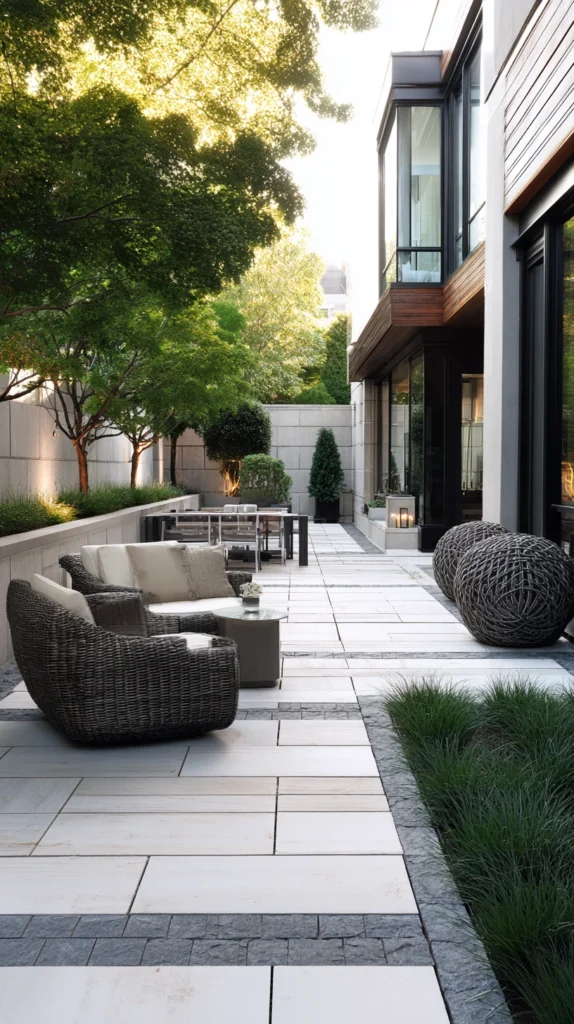
A planting scheme that provides colour across the full growing season — spring bulbs through winter structure — creates a garden that rewards visiting in every month of the year rather than peaking in one season and declining into a maintenance exercise in the others. The retreat garden is retreated to throughout the year, and a planting calendar that provides a reason to go outside in March as well as in July is the planning decision that justifies the retreat designation across twelve months.
Spring bulbs — tulips, daffodils, alliums — cost $0.30–$1 each. Summer perennials — salvias, agapanthus, rudbeckia — run $6–$15 each. Autumn structure — ornamental grasses, seed heads, berrying shrubs — costs $10–$25 each. Winter interest — hellebores, snowdrops, winter jasmine — runs $5–$15 each. The seasonal calendar requires planting at each layer before the previous season has ended — spring bulbs planted in October, summer perennials in April, autumn and winter interest in spring.
Style tip: Plant for seed head and winter structural interest as deliberately as for summer flower colour. The seed heads of Verbena bonariensis, the skeletal forms of Miscanthus, the berries of a pyracantha — these provide the garden’s winter visual quality that bare soil and cut-back stumps cannot, and the decision to leave rather than cut is the management choice that most improves the retreat garden in its least-used months.
12. The Hammock or Daybed Position
Budget: $30 – $300
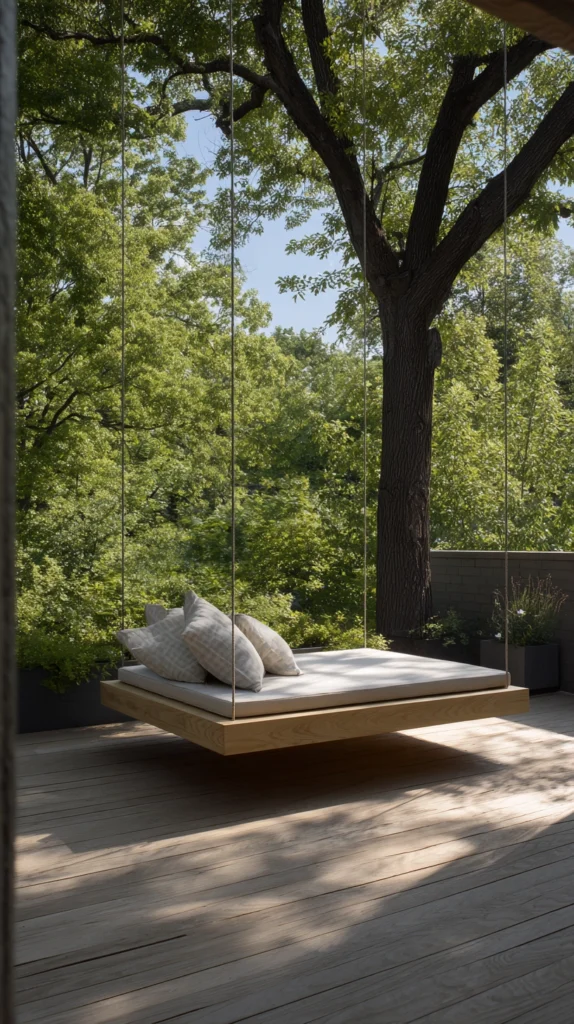
A dedicated position for horizontal rest — a hammock between two trees, a daybed on a shaded platform, a double sun lounger in the garden’s most protected corner — creates the retreat garden’s most specifically restorative element. The ability to lie down in the garden is the specific quality that distinguishes a garden designed for genuine retreat from one designed for outdoor activity, and the lying-down position gives the garden a different and more intimate quality than any seated position provides.
A cotton hammock between two trees costs $25–$70. A freestanding hammock stand runs $80–$200. A garden daybed in powder-coated aluminium costs $150–$400. A double sun lounger runs $100–$300. Position the horizontal rest element in the most sheltered and most shaded position the garden provides — the position that is warm in the wind and cool in the sun is the position that most genuinely supports the extended horizontal rest that the retreat garden is designed for.
Style tip: Position the hammock or daybed so the occupant looks upward through tree canopy rather than at the open sky. The view of sky through leaves — the dappled light, the movement of branches, the specific quality of being beneath something living — is the most restorative view the garden provides and the one that makes the horizontal position in the garden genuinely different from the horizontal position indoors.
13. The Wildlife Invitation
Budget: $20 – $100
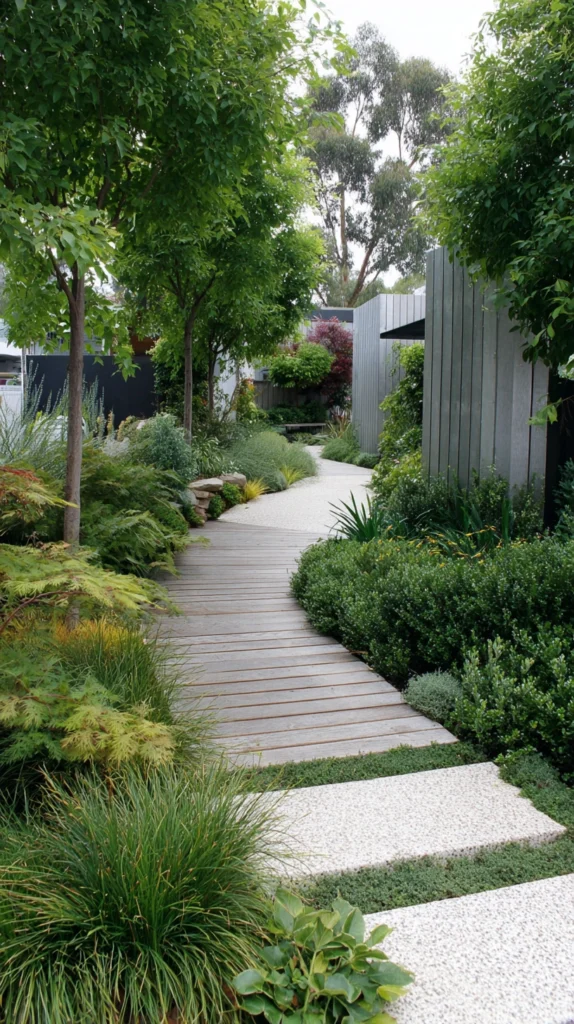
A garden designed to welcome wildlife — a bat box on the north-facing wall, a hedgehog highway cut in the fence base, a bird bath in the open garden where birds can see approaching predators, a stack of logs in the corner for invertebrate habitat — creates the specific quality of aliveness that a garden maintained against wildlife cannot produce. The retreat garden is a living system rather than a maintained surface, and the presence of birds, insects, and small mammals is the most reliable indicator that the garden has achieved the ecological quality that the retreat designation requires.
A bat box costs $20–$50. A hedgehog highway — a 13-centimetre square hole in the base of a fence panel — costs nothing but a saw cut and the permission of the neighbouring garden owner. A bird bath costs $20–$60. A log stack requires only the logs that pruning and garden maintenance already produce. The wildlife invitation requires the elimination of pesticides from the garden — a decision that costs nothing and returns the ecological complexity that pesticide use removes.
Style tip: Position the bird bath in the open garden at least 2 metres from any shrub or fence that would allow a cat to approach undetected rather than in the sheltered position that looks more attractive as a garden feature. A bird bath in the open is a bird bath that birds use; one beside a dense shrub is a cat ambush point that birds avoid. The functional position is the one that produces the wildlife presence that the retreat garden is designed to support.
14. The Year-Round Outdoor Living Infrastructure
Budget: $200 – $1,500
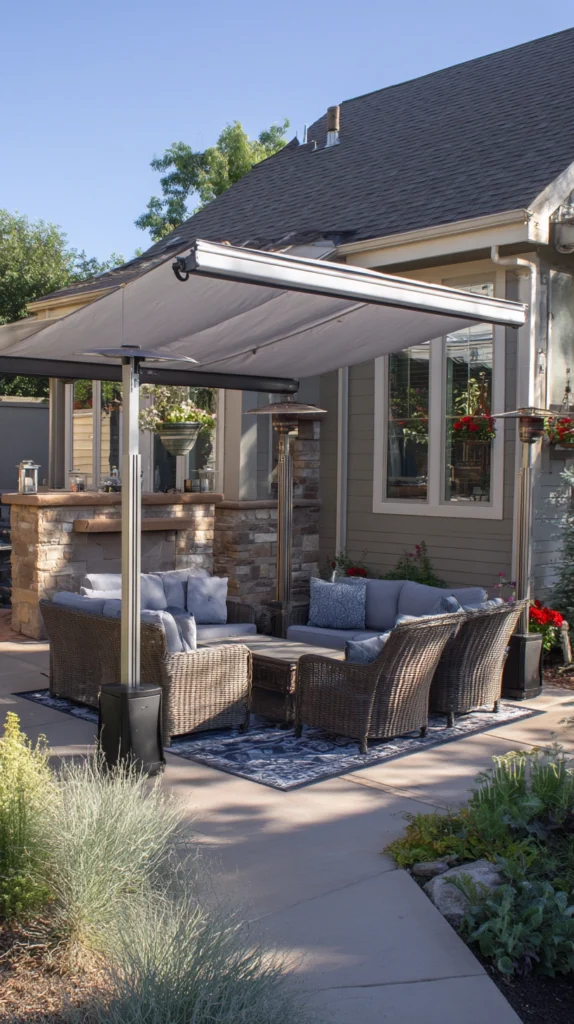
The retreat garden that is genuinely used across the full year rather than only in the peak summer months requires infrastructure that supports outdoor living in non-ideal conditions — a weatherproof canopy over the seating area, an outdoor heater or a fire pit for cooler evenings, a collection of outdoor throws stored on the patio, and a path surface that remains usable through wet weather without becoming muddy or slippery. The infrastructure investment is the investment in a garden that is genuinely retreated to rather than aspired to.
A free-standing sail shade or canopy costs $60–$200. An outdoor electric patio heater runs $80–$200. A fire pit costs $40–$100. A collection of outdoor throws costs $25–$60 each. A path surface that handles wet conditions — gravel, stone, composite decking — costs $100–$500 to install between the house door and the primary seating area. The weatherproof path between the door and the seat is the infrastructure investment that most directly determines whether the garden is visited in uncertain weather.
Style tip: Install the outdoor canopy or weatherproof structure before furnishing the space beneath it rather than afterward. A canopy installed above existing furniture must work around the furniture positions; one installed first allows the furniture to be positioned in the best relationship to the overhead protection. The structure-first sequence produces a better result and requires considerably less adjustment than the furniture-first approach.
The retreat garden is not achieved in one project or one season. It is approached gradually — one seating nook created, one layer of planting added, one path improved, one water feature installed — and the quality it develops over years of considered attention is genuinely different from the quality it has at the moment of completion of any single project within it.
Begin with the seat. Find the position in the garden that is most sheltered, most pleasant in the afternoon light, most worth sitting in. Give it a proper chair, give it enclosure on two sides, plant something fragrant beside it. Then use it — sit in it with a drink on the evenings when the garden allows, and observe from it what the garden needs next. The retreat garden grows from that sitting position outward, one considered decision at a time, and it becomes itself gradually rather than all at once.