14 Enchanting Moon Garden Ideas That Make Your Backyard Magical After Dark
14 Enchanting Moon Garden Ideas That Make Your Backyard Magical After Dark
There is a version of the garden that exists only after sunset and that most gardens never become. Not simply a garden that is still visible after dark but one that was designed for darkness — that comes into its full beauty precisely when the light goes, when the white flowers begin to glow in the moonlight, when the fragrant plants release their evening scent, when the pale foliage catches every photon of available light and returns it as something luminous and quietly extraordinary.
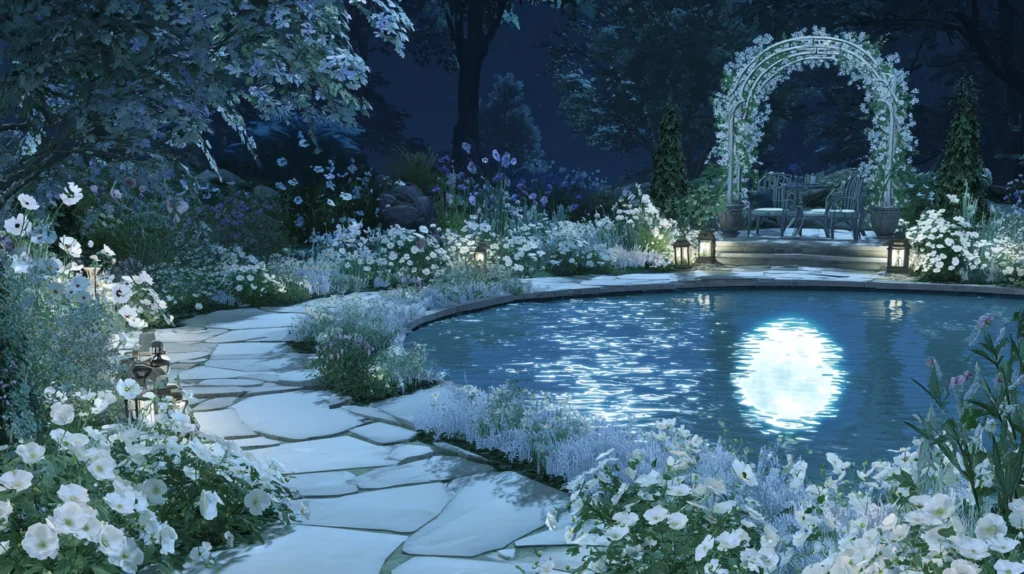
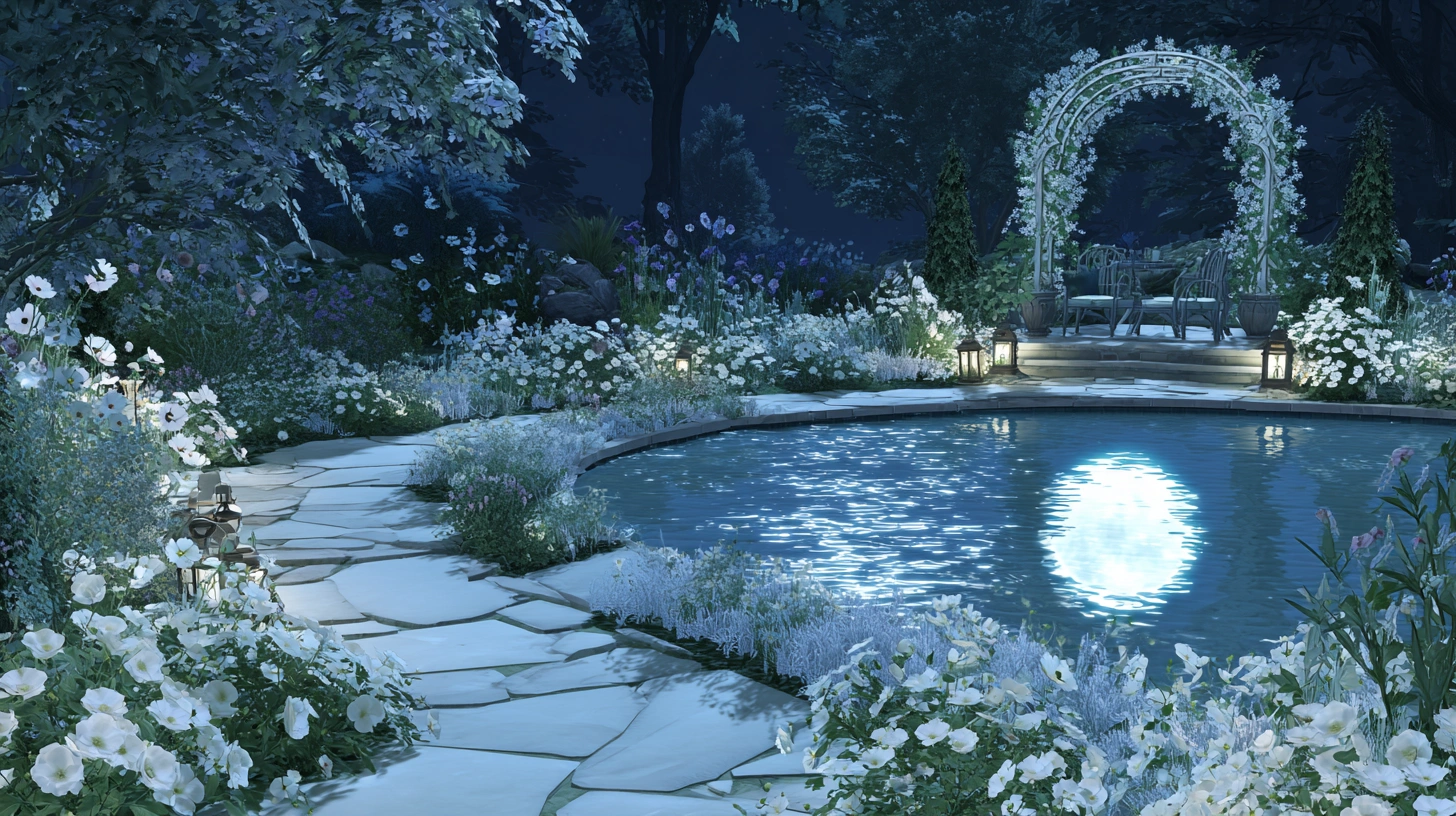
The moon garden is one of the oldest gardening traditions — a garden designed around the specific qualities of night: pale and white planting that reflects moonlight, evening-fragrant species that perform when the sun has gone, water surfaces that catch the moon’s reflection, and lighting so carefully considered that it supports rather than replaces the natural quality of a summer night. It is the garden at its most romantic and its most specifically atmospheric.
Each idea below is a specific approach to one element of the moon garden. Each includes what you will need, what it will cost, and a practical tip to make the whole thing work as well as the magical evening it is reaching for.
1. The White Flower Border
Budget: $40 – $200
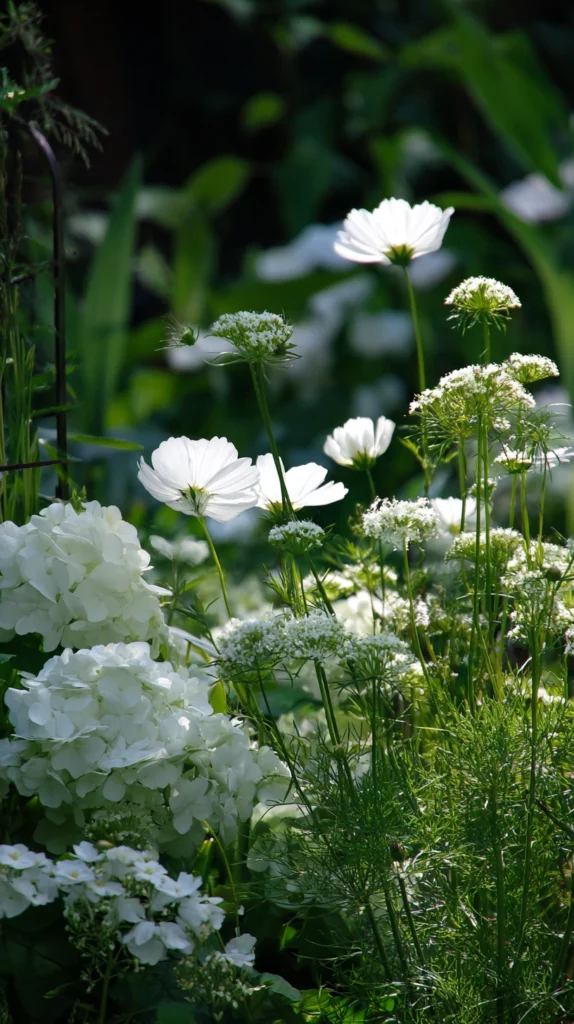
A border planted exclusively with white-flowering species — white cosmos, white sweet peas, white phlox, white roses, white agapanthus, white hydrangea — is the foundation of the moon garden and the element that most completely produces its defining quality. White flowers in moonlight do not simply reflect — they glow. The specific luminosity of a white flower at dusk, when the eye has begun its transition from colour to tonal vision, is one of the most beautiful things a garden can offer and requires nothing more than white flowers in the right position.
White cosmos seeds cost $2–$3 per packet. White sweet pea seeds run $2–$4 per packet. White phlox plants cost $6–$12 each. White hydrangea in a 5-litre pot runs $15–$40. A white border of 3 metres in length requires ten to fifteen plants — $40–$150 in plant material. Plant in a position that receives moonlight directly rather than in the shadow of a wall or fence — the moonlit white border is the most effective; the shadowed white border is simply a white border.
Style tip: Include white flowers of different heights in the white border — tall white foxgloves at the back, medium white phlox at the middle, low white alyssum at the front edge. The height graduation gives the border the depth of a designed planting rather than a flat row of white, and the height variation means the moonlight catches the flowers at multiple levels simultaneously rather than illuminating only the top tier.
2. The Evening Fragrance Garden
Budget: $30 – $120
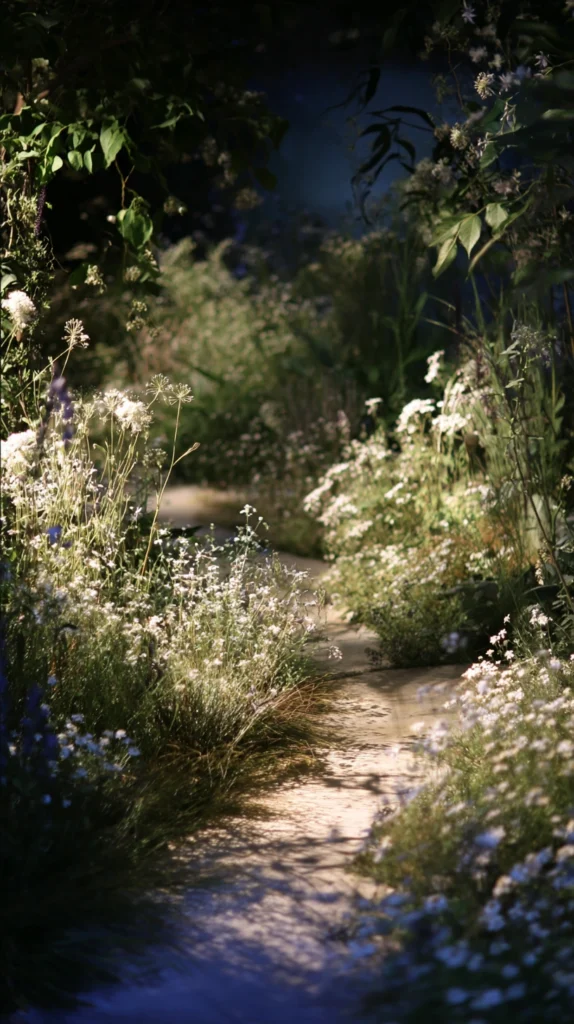
Evening-fragrant plants — species that release their scent specifically in the hours after sunset, as the temperature drops and the moths they evolved to attract emerge — are the moon garden’s olfactory dimension and the quality that most distinguishes a genuinely considered night garden from one that is simply pale. Night-scented stock, tobacco plant, moonflower, evening primrose, sweet rocket, and brugmansia all perform exclusively after dark, and a planting of three or four together creates an evening fragrance of extraordinary richness.
Night-scented stock seeds cost $2–$3 per packet. Tobacco plant seeds run $2–$4 per packet. Evening primrose seeds cost $2–$3 per packet. Moonflower — the night-blooming cousin of the morning glory — runs $3–$6 per packet. Position the evening fragrance planting immediately beside or downwind of the moon garden seating area so the scent reaches the seated person rather than drifting away from the point of enjoyment.
Style tip: Plant the evening fragrance garden in layers of flowering season as well as layers of height — early summer species at the front, midsummer species at the middle, late summer species at the back — so the fragrant garden performs from June through September rather than for a single concentrated flush. A night garden that is fragrant across the full summer is a garden that rewards visiting consistently through the season.
3. The Silver and Grey Foliage Planting
Budget: $30 – $150
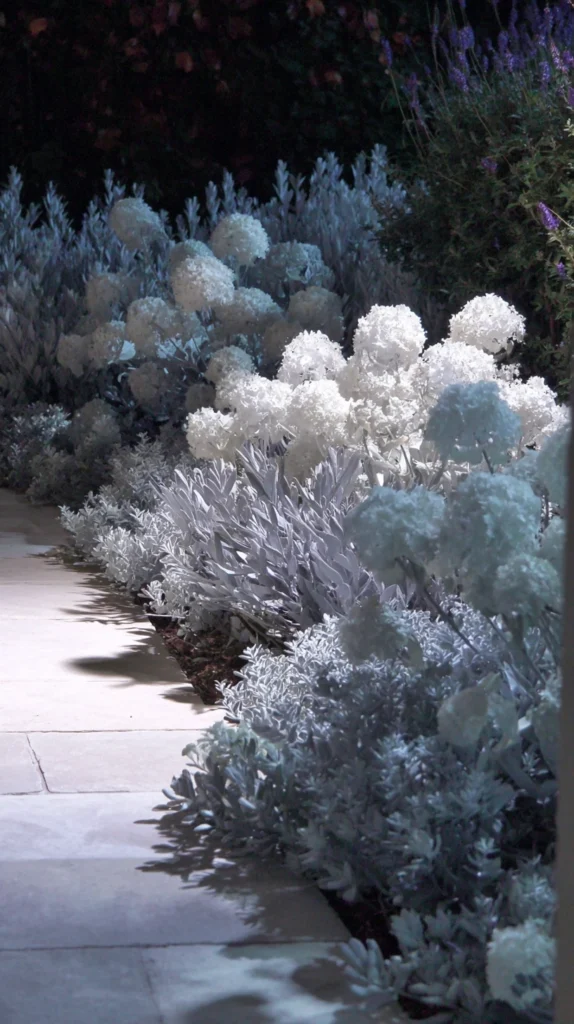
Silver and grey-leaved plants — artemisia, stachys byzantina (lamb’s ear), lavender, santolina, achillea, Salvia argentea, and the many silver-leafed sedums — extend the moon garden’s luminous palette into the foliage zone. Silver leaves in moonlight or in low artificial light have the same quality of gentle incandescence as white flowers, and a planting that combines white flowers with silver foliage creates a bed that is luminous from multiple plant parts simultaneously rather than depending on the flowers alone.
Stachys byzantina plants cost $4–$8 each. Artemisia runs $5–$10 each. Lavender in a 9-centimetre pot costs $4–$8. A silver foliage planting for a 2-metre border edge costs $30–$80 in plant material. Silver-leaved plants almost universally prefer well-drained, poor soil in full sun — the conditions that produce the most intensely silver foliage and the most compact, long-lived plants. Rich, moist soil produces large, green, and disappointingly dull silver plants.
Style tip: Use silver foliage as the linking and edging element of the moon garden rather than as a feature in its own right. Silver plants at the border edge, in the gaps between white-flowered shrubs, and as the ground layer beneath taller white planting hold the white garden together visually — the silver provides the continuity that allows the white flowers to read as a composed planting rather than as individual white specimens distributed through the border.
4. The Moonlight Reflecting Pool
Budget: $150 – $800
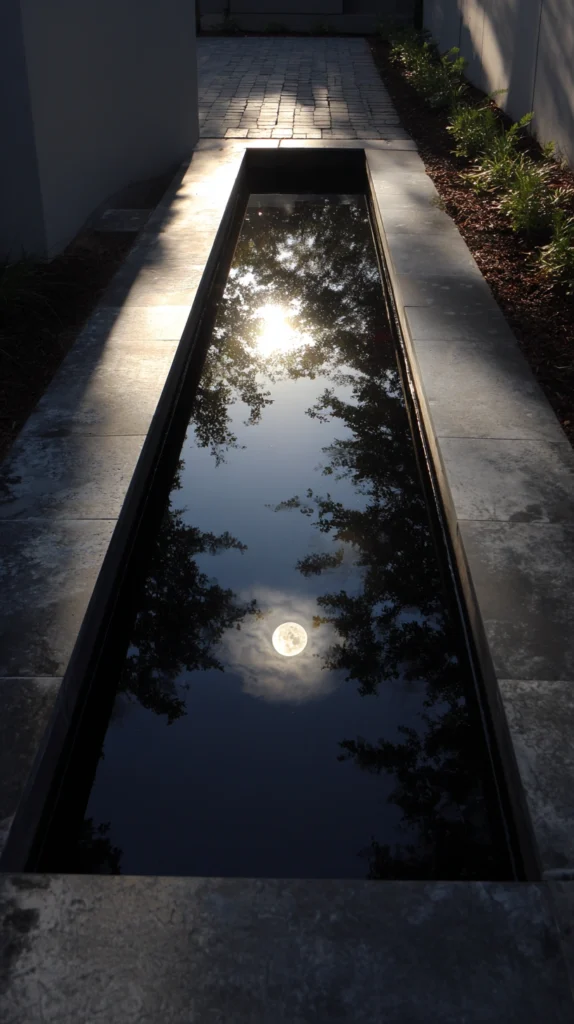
A still water surface — a formal pool, a large ceramic bowl of water, a half-barrel water garden, or any contained water that is kept still and clear — reflects the moon on clear nights with a quality that transforms the moon garden from a beautiful space into a genuinely magical one. The moon reflected in a garden pool is the most specifically lunar of all the moon garden elements and the one that most directly connects the garden to the larger astronomical world it is designed to acknowledge.
A preformed fibreglass pool in a formal rectangular shape costs $150–$400. A large ceramic bowl as a moon reflecting vessel costs $30–$80. A liner-based pool of 1.5 by 1 metres costs $60–$150 in liner and edging. Paint or line the pool interior in black or very dark blue rather than the pale blue of conventional pools — the dark surface produces the mirror quality that reflects the moon; a pale surface diffuses the reflection rather than concentrating it.
Style tip: Position the reflecting pool where the moon is visible in its reflection from the primary seating area of the moon garden. Before installing the pool permanently, place a mirror on the ground at the proposed position on a clear night and check whether the moon is visible in it from the seated position. The viewing angle from the seat to the water surface determines whether the moon reflection is visible at all, and it is far better to discover an incorrect position before the pool is installed than after.
5. The White Rose Arch
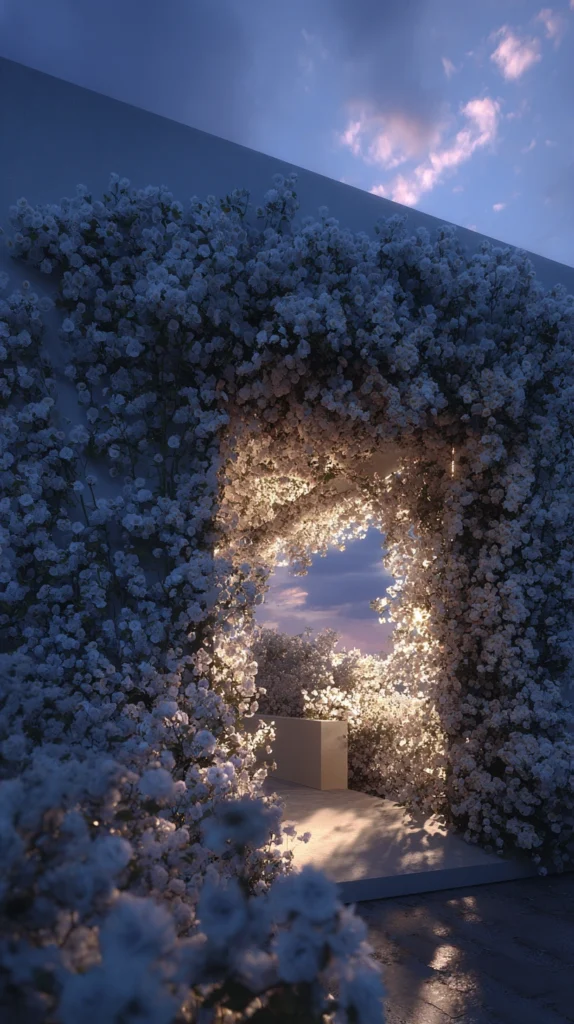
Budget: $60 – $250
A white climbing rose trained over an arch — positioned at the entrance to the moon garden or at a threshold within it — creates the most romantic and most specifically moon garden entry available. White roses in full bloom on an arch at dusk, with the evening light catching the petals and the fragrance reaching the approaching visitor, is a garden experience of genuine beauty that requires only an arch, a rose, and two or three growing seasons.
A metal garden arch costs $30–$80. A timber arch runs $50–$150. A white climbing rose in a 5-litre pot costs $15–$35. Choose a repeat-flowering white rose rather than a once-flowering variety — a rose that blooms from June through to October earns the arch across the full moon garden season. Madame Alfred Carrière, Iceberg as a climber, and Sombreuil are all white repeat-flowering climbing roses of excellent quality.
Style tip: Underplant the rose arch with white night-scented stock sown at the base of the arch posts each spring. The stock blooms at the same time as many rose flushes and adds the specific evening fragrance that makes passing through the white rose arch at dusk a genuinely multisensory experience. The stock costs $2–$3 per packet and adds the olfactory dimension that the rose, for all its beauty, cannot provide alone.
6. The Moon Garden Seating Nook
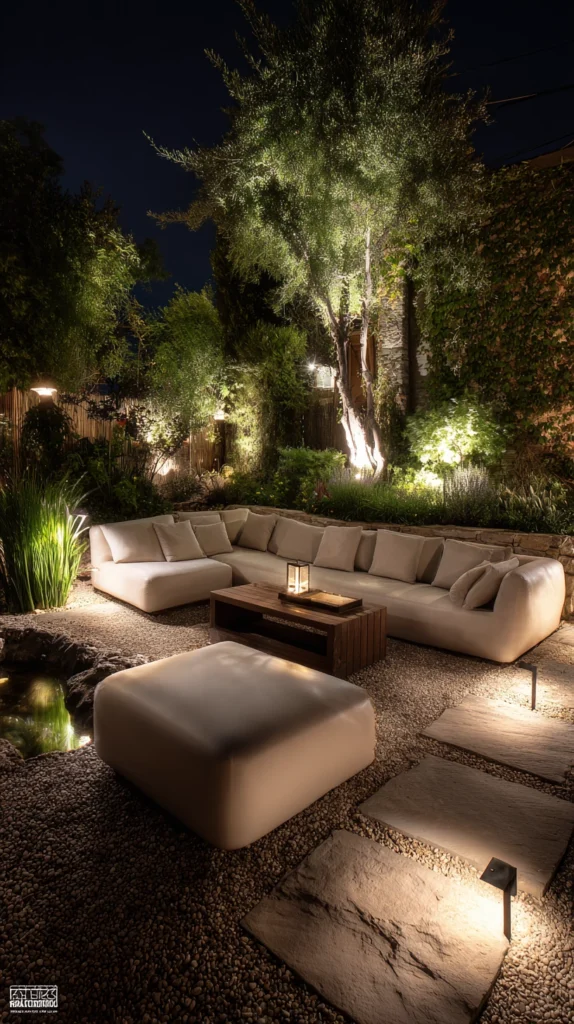
Budget: $80 – $400
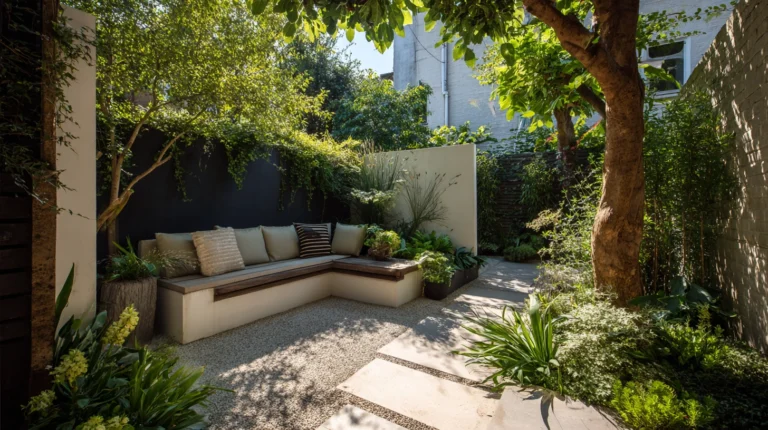
A dedicated seating position within the moon garden — a pair of chairs or a bench positioned to face the reflecting pool and the white border, enclosed on two sides by fragrant planting, with a lantern beside each seat and a side table within reach — creates the specific purpose of the moon garden: a place to be in the evening, in the fragrant dark, for the specific pleasure of it. A moon garden without a seating position is a walk-through; one with a seating position is a destination.
A pair of outdoor chairs costs $60–$200. A lantern for beside each chair runs $10–$30 each. A side table within reach of each seat costs $20–$50. Fragrant planting to enclose the nook on two sides — lavender, rosemary, jasmine — costs $30–$80 in plants. The seating nook should be positioned so it faces the moon garden’s best element — the white border, the reflecting pool, the rose arch — rather than facing the house wall or the fence.
Style tip: Position one lantern at ground level rather than at table height for each seat in the moon garden nook. A lantern on the ground beside the chair creates a glow that rises upward and that illuminates the immediate surroundings — the flower heads at ground level, the texture of the path surface, the base of the surrounding planting — in a way that a lantern at table height does not reach. The low light is the specific atmospheric quality of the moon garden seating nook.
7. The Moonflower and Night Bloomer Planting
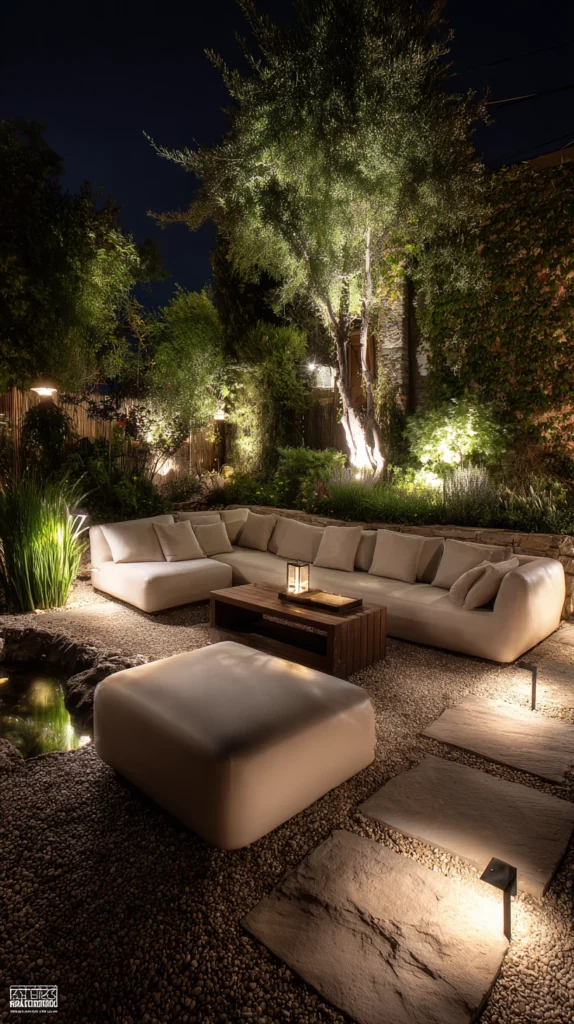
Budget: $15 – $60
Plants that open their flowers specifically at night — moonflower (Ipomoea alba), evening primrose, night-blooming cereus, four o’clock flower, Mirabilis jalapa — create the moon garden’s most specifically theatrical element. These are plants that perform only after dark, that are visibly closed in daylight and visibly open in darkness, and that demonstrate through the mechanism of their flowering exactly what the moon garden is celebrating. Watching a moonflower open at dusk is one of the specific pleasures available to anyone who plants one and pays attention at the right time.
Moonflower seeds cost $3–$6 per packet. Evening primrose seeds run $2–$3 per packet. Four o’clock flower seeds cost $2–$4 per packet. Start moonflower seeds indoors six weeks before the last frost and plant out after all frost risk has passed — moonflower is a tender perennial grown as an annual in temperate climates and produces its extraordinary white blooms from July through September.
Style tip: Plant the night bloomers beside the moon garden path rather than at the back of the border where they cannot be seen closely at night. The moonflower that opens at dusk is best seen at close range — the movement of the petals unfurling, the specific quality of the white flower in the darkening air — and a plant experienced at arm’s length from a path is an entirely different experience from the same plant visible only at a distance.
8. The White Garden Path
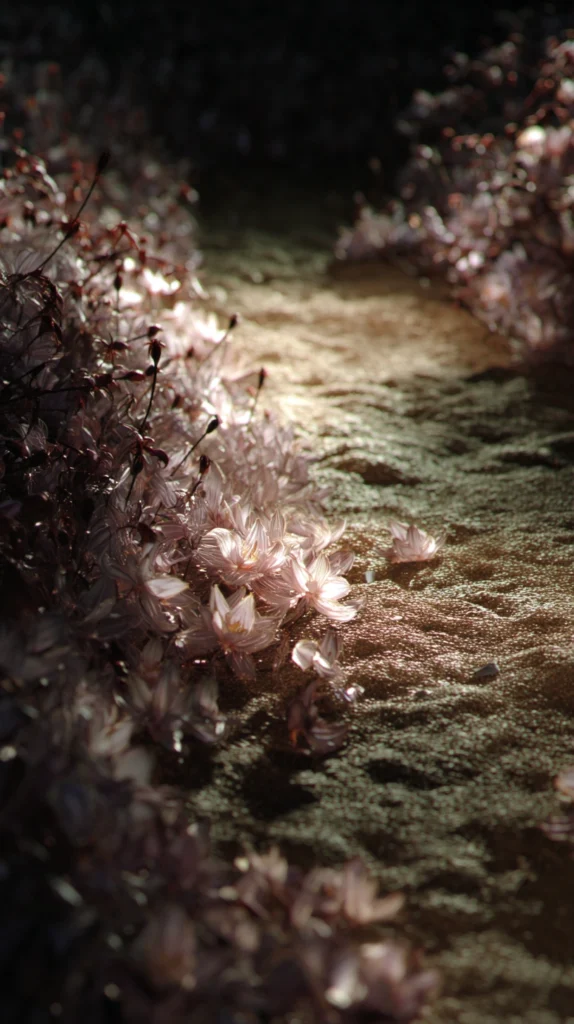
Budget: $40 – $200
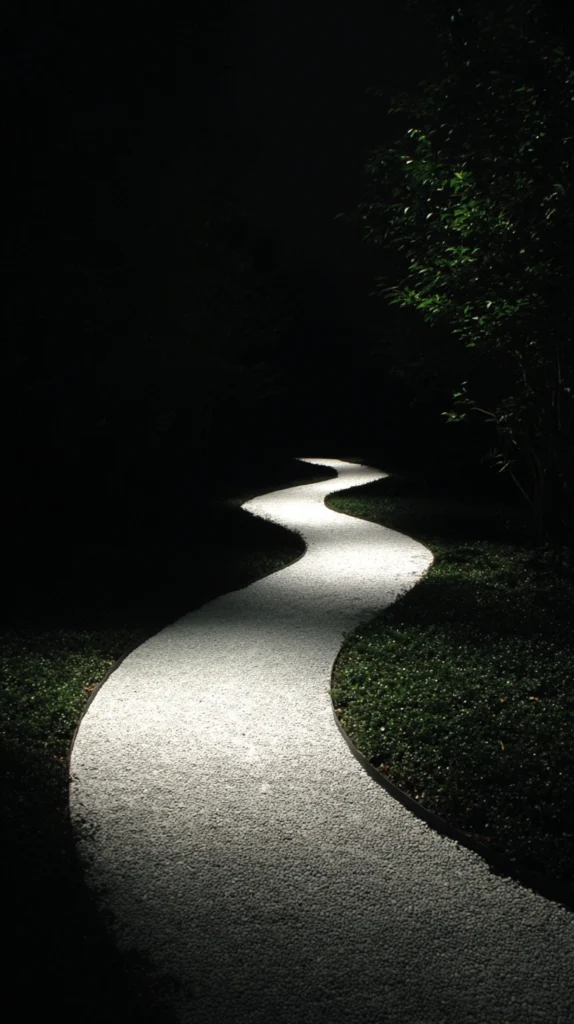
A path through the moon garden in a pale material — white gravel, pale limestone chips, white stepping stones, pale sandstone — provides the navigational quality of a garden path with the additional function of reflecting moonlight back into the space. A pale path in a dark garden acts as a visible guide that requires no artificial lighting and creates the specific quality of a moonlit garden at its most classic — the pale path winding between the white borders under the night sky.
White decorative gravel costs $10–$18 per bag. Pale limestone chips run $8–$15 per bag. White stepping stones in a reconstituted stone cost $5–$12 each. A weed-suppressing membrane beneath the gravel prevents the maintenance problem of dark weeds emerging through the pale path surface — a white gravel path with dark weeds growing through it loses its moon garden quality rapidly and requires regular attention to maintain.
Style tip: Edge the pale path with the darkest available plant material — very dark green box, near-black mondo grass, dark-leaved ajuga — so the pale path surface reads in maximum contrast against its surroundings. The dark path edge creates the visual definition that allows the pale path to read as luminous rather than simply pale.
9. The Garden of White Bulbs
Budget: $20 – $80
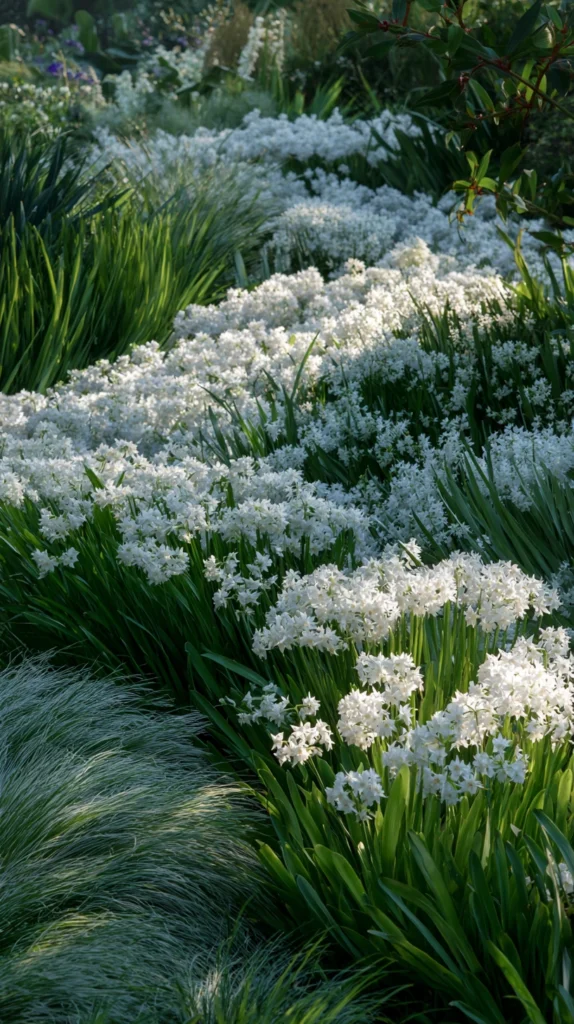
A sequence of white-flowering bulbs — white tulips in spring, white alliums in early summer, white lilies in midsummer, white dahlias and white gladioli through late summer — extends the moon garden’s white planting across the full growing season without the same bed needing to contain the same plants all year. The bulb garden is a time-layered planting in which different white flowers emerge and fade in succession, and the moon garden that plans its white palette across the seasons rather than for a single flush is a moon garden with a genuinely different quality of beauty at every stage.
White tulip bulbs cost $0.30–$0.80 each. White allium bulbs run $0.50–$1 each. White lily bulbs cost $2–$4 each. White dahlia tubers run $3–$8 each. A bulb sequence for a 2-metre border — tulips, then alliums, then lilies, then dahlias — costs $30–$80 in bulbs and produces continuous white bloom from April through October in a single planted space.
Style tip: Plant the summer and autumn bulbs between the spring bulb positions in May, when the spring bulbs are finishing and the soil is accessible, rather than disturbing the spring bulb layer by planting the summer ones in autumn. The staggered planting approach — spring bulbs first, summer and autumn bulbs planted through the spring foliage as it dies down — produces continuous bloom from the same bed without the need to empty and replant the border between seasons.
10. The Luminous Foliage Collection
Budget: $30 – $150
Plants with variegated, yellow-green, or white-marked foliage — hostas with white margins, variegated euonymus, white-striped miscanthus, Brunnera with silver-marked leaves — contribute to the moon garden’s luminous palette through their foliage rather than their flowers, providing a quality of brightness that persists through the full season rather than only during the flowering period. The luminous foliage plant is the moon garden’s evergreen investment.
A hosta with white-margined leaves costs $10–$25. Variegated euonymus runs $8–$15. White-striped Miscanthus costs $12–$25. Brunnera macrophylla in a silver-leaf variety runs $10–$20. Position variegated foliage plants in the shadier parts of the moon garden — the areas that the moonlight does not reach directly — where their own brightness provides the luminosity that the moon cannot. A variegated plant in a dark corner of the garden glows; the same plant in a moonlit position is competing with a stronger light source.
Style tip: Choose hostas specifically for the moon garden rather than using whatever is already in the garden. Hosta varieties with the widest white margins — Hosta undulata albomarginata, Hosta Patriot, Hosta undulata univittata — are the most luminous in low light and the most specifically appropriate for the moon garden context. The margin width is the selection criterion that determines how much of the leaf surface contributes to the night garden’s glow.
11. The Owl and Bat Box Wildlife Element
Budget: $20 – $80
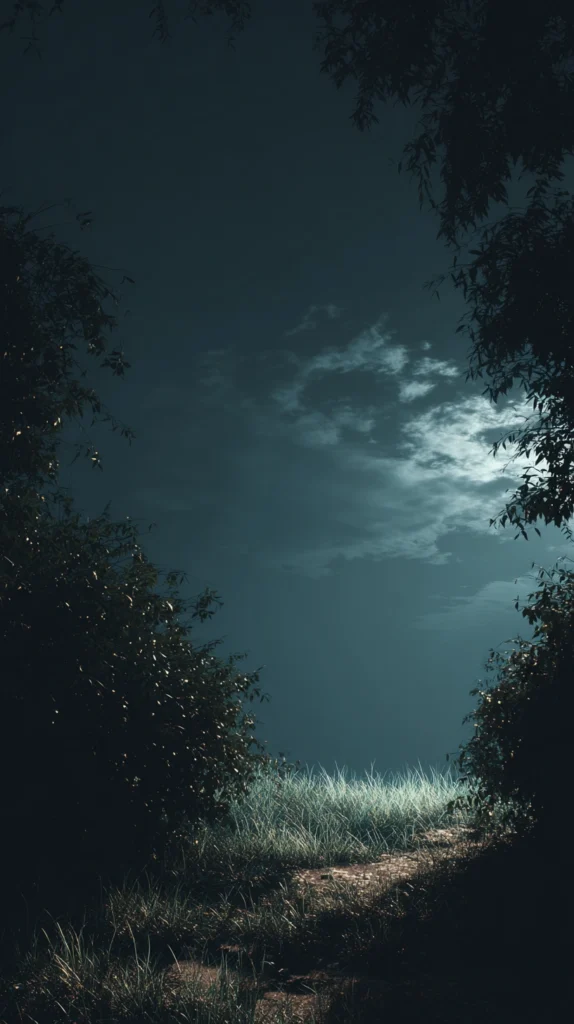
A bat box or an owl box installed in the moon garden — on the wall at the correct height, in the correct orientation, in the right position for the species it is intended to attract — adds the wildlife dimension to the night garden that connects it to the genuine nocturnal ecology of the garden rather than simply to the aesthetic of night. Bats emerging from a bat box at dusk, feeding over the white-flowered borders that attract the moths they pursue, is one of the most complete and most specifically moon garden experiences available.
A bat box costs $20–$50. An owl nest box runs $30–$80. A bat box should be mounted at least 4 metres from the ground on a south or south-west-facing wall — the height and orientation that provides the warmth bats require and the flight path that allows them to emerge safely. Install in spring before the bats’ active season begins rather than attempting a summer installation when bats may already be roosting.
Style tip: Avoid using pesticides anywhere in the moon garden once a bat box is installed. Bats that feed over a pesticide-treated garden ingest the pesticide through their insect prey and are affected even when the pesticide was not intended for them. The moon garden that is genuinely hospitable to bats is a garden managed entirely without pesticide, and the insects that thrive without pesticide treatment are the insects that make the white moon garden border the rich, productive, genuinely alive environment it is designed to be.
12. The Candlelit Moon Garden Path
Budget: $30 – $150
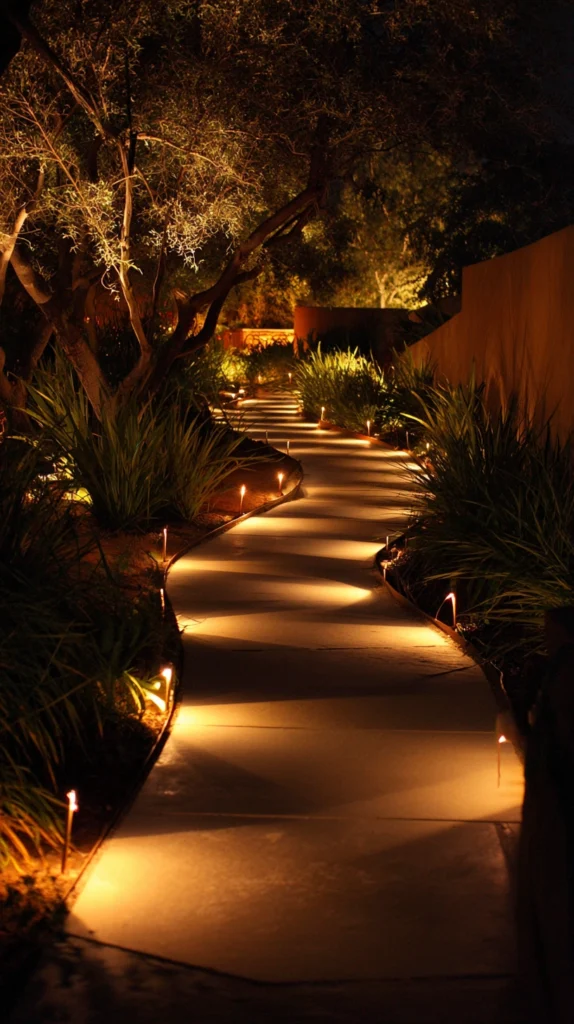
A row of candles in glass holders or lanterns placed along the edges of the moon garden path — lit at dusk and renewed as they burn down — provides the navigational light the path requires without the harshness of electric lighting that destroys the night-sky quality the moon garden is designed to preserve. Candlelight at path level is the only artificial lighting that adds to rather than detracts from the atmosphere of a garden that was designed for natural darkness.
Glass votive holders for path candles cost $1–$3 each. A set of twelve lining a 5-metre path costs $12–$36. Pillar candles for the larger holders run $3–$8 each. Solar-powered LED candle lanterns ($5–$15 each) provide the same warm light quality without requiring relighting and without the fire risk of real candles beside dry summer planting. The LED candle lantern that flickers convincingly is the practical version of the candlelit path that the genuine candle version provides atmospherically.
Style tip: Place the path candles at ankle height rather than at knee height or above. A candle at ankle height illuminates the path surface from below, creating the specific quality of a lit path that appears to glow from the ground rather than to be lit from above. The ankle-height position is the placing that most convincingly produces the magical quality of a moonlit path even when the moon itself is not providing the light.
13. The Moon Phase Installation
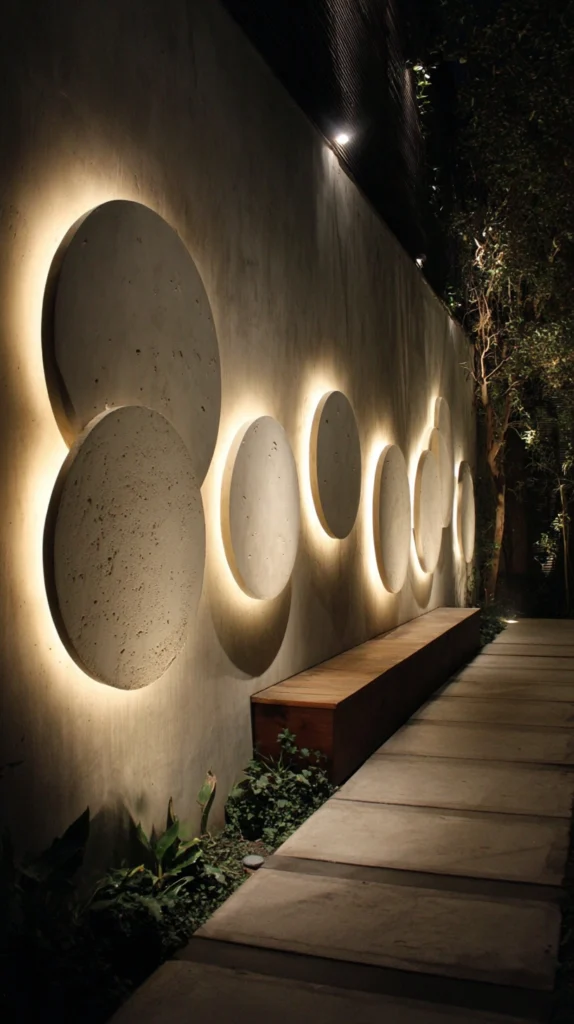
Budget: $20 – $100
A series of moon phase objects — ceramic discs, painted stones, metal cutouts, or carved timber pieces representing the new moon through the full moon sequence — arranged along the moon garden path, on a wall, or as a table display within the garden creates a decorative element that is specifically lunar in its reference and that communicates the moon garden’s intention to anyone who encounters it. The moon phase installation is the moon garden’s signature — the detail that names the garden rather than simply describing it.
Ceramic moon phase discs cost $15–$50 for a set of eight. Metal moon phase wall cutouts run $20–$60. Hand-painted stone moon phases cost $0–$20 in materials if made at home. Arrange the sequence in the correct astronomical order — new moon, waxing crescent, first quarter, waxing gibbous, full moon, waning gibbous, last quarter, waning crescent — so the installation is astronomically accurate as well as decoratively effective.
Style tip: Position the full moon element of the moon phase installation at the most prominent point in the sequence — the centre of a wall arrangement, the highest point of a path sequence, the focal element of a table display. The full moon is the moon garden’s presiding celestial body and its representation within the garden’s decorative scheme should communicate that prominence rather than treating all phases as visual equals.
14. The Night Sky Observation Spot
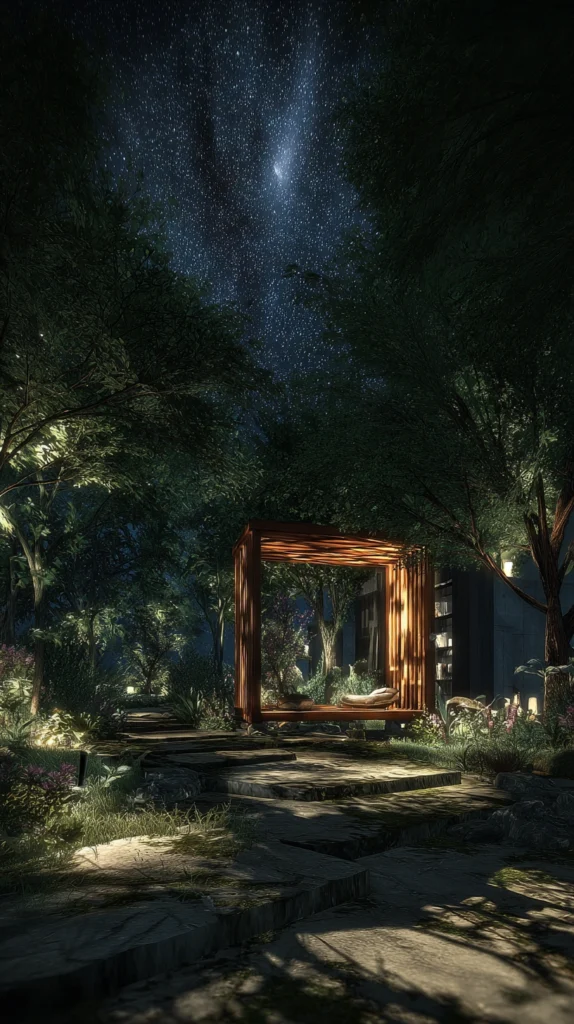
Budget: $20 – $100
A designated star-gazing position within the moon garden — a reclining lounger, a flat wooden platform, or simply a blanket on the ground in the area of the garden furthest from the house lights — creates the moon garden’s most fundamentally astronomical element: a place to lie on your back and look at the sky that the garden was designed to honour. A moon garden that provides a specific position for sky observation connects the garden to the night sky in the most direct and most literal way available.
An outdoor reclining sun lounger costs $60–$200. A timber platform of 180 by 90 centimetres costs $30–$80 in materials. An outdoor blanket costs $20–$50. A printable star chart laminated for outdoor use costs $2–$5. Position the observation spot as far from the house and its lights as the garden allows — even 10 metres from a lit window makes a visible difference to the darkness of the sky above the observer.
Style tip: Plan moon garden evenings around the specific moon phase that the garden was designed to celebrate. A full moon evening in the moon garden — when the white flowers glow with genuine moonlight, when the reflecting pool holds the moon’s image, when the silver foliage is at its most luminous — is the specific experience that all the planting, all the installation, and all the design of the moon garden was working toward. The full moon evening is not an occasion that happens to the moon garden; it is the occasion the moon garden was made for.
The moon garden is not a garden that happens to be white. It is a garden that was designed for a specific time of day — the hours between dusk and dawn — and for a specific quality of light — the cool, silver, oblique light of the moon. Every plant in it was chosen for how it appears after dark rather than how it appears in daylight. Every design decision was made in relation to the night rather than to the day.
The result, when it is experienced on the right evening — a clear sky, a moon between half and full, the evening fragrance at its peak, the white flowers luminous in the pale light — is a garden experience of genuine beauty that no daytime garden, however carefully planted and however beautifully maintained, can produce. It is the garden that was worth making for the specific evening when it becomes entirely itself.