15 Witchy Bathroom Ideas for a Magical, Enchanting Soak Every Time
15 Witchy Bathroom Ideas for a Magical, Enchanting Soak Every Time
There is a particular transformation available to a bathroom that no other room in the house can quite replicate. The bathroom is the one room where the occupant is reliably alone, reliably unhurried (or should be), and reliably engaged with the sensory — the temperature of water, the smell of steam, the quality of the light on a surface. It is the room most naturally suited to the kind of deliberate, sensory experience that witchy aesthetics are built around, and the room that most rewards the specific combination of candlelight, fragrance, botanical presence, and material darkness that the aesthetic requires.
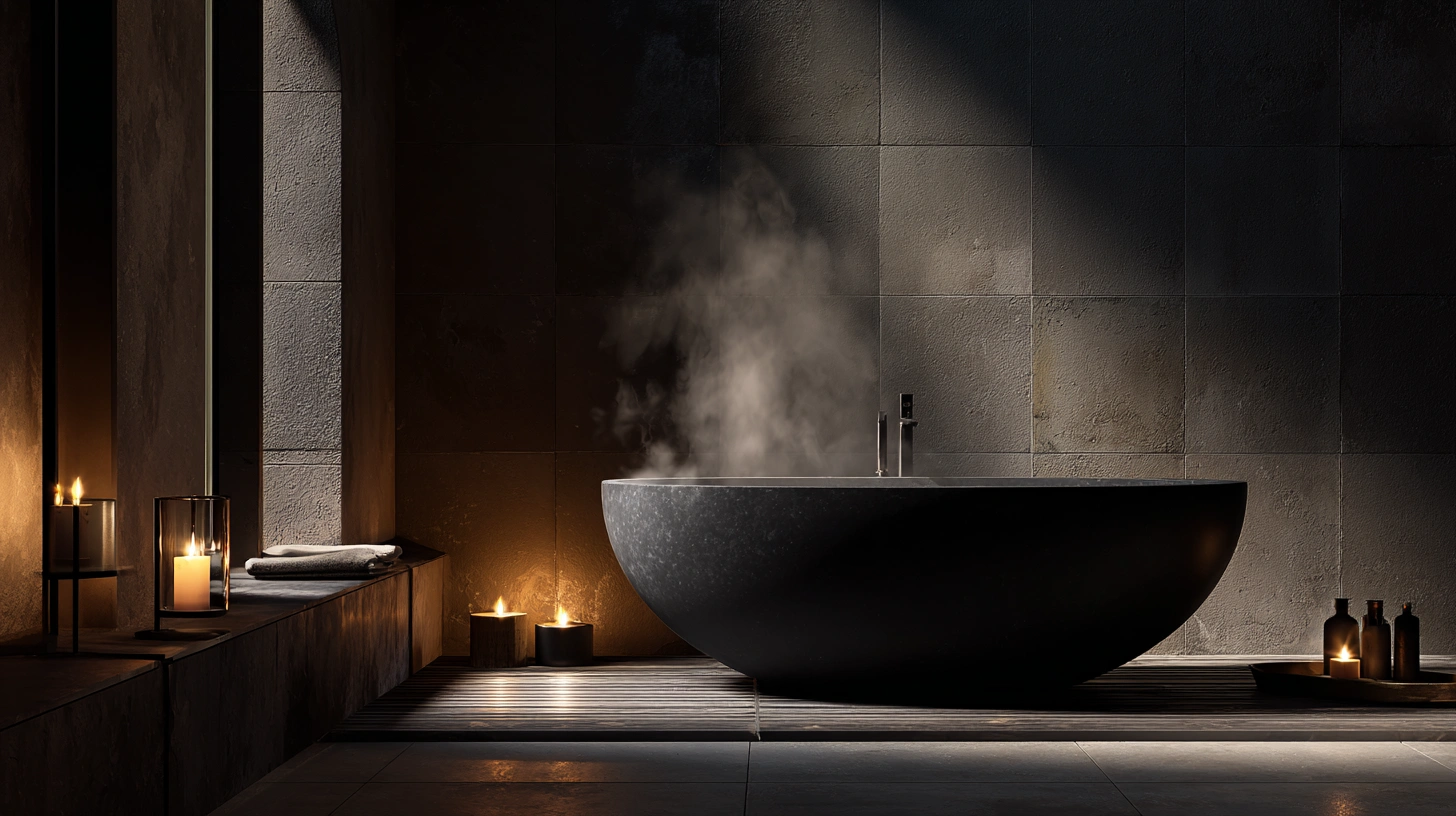
The witchy bathroom is not a costume. It is a room where bathing becomes ritual — where the steam carries the smell of something botanical, where the candlelight makes shadows that move on dark tile, where the dried herbs above the mirror are genuinely used rather than decoratively placed, and where the experience of washing becomes something more deliberate and more restorative than hygiene alone.
Each idea below is a specific, buildable approach to one element of the witchy bathroom. Each is visually grounded, practically achievable, and designed to make the bathroom genuinely enchanting rather than merely dark.
1. The Dark Grout and Tile Transformation
Budget: $50 – $400
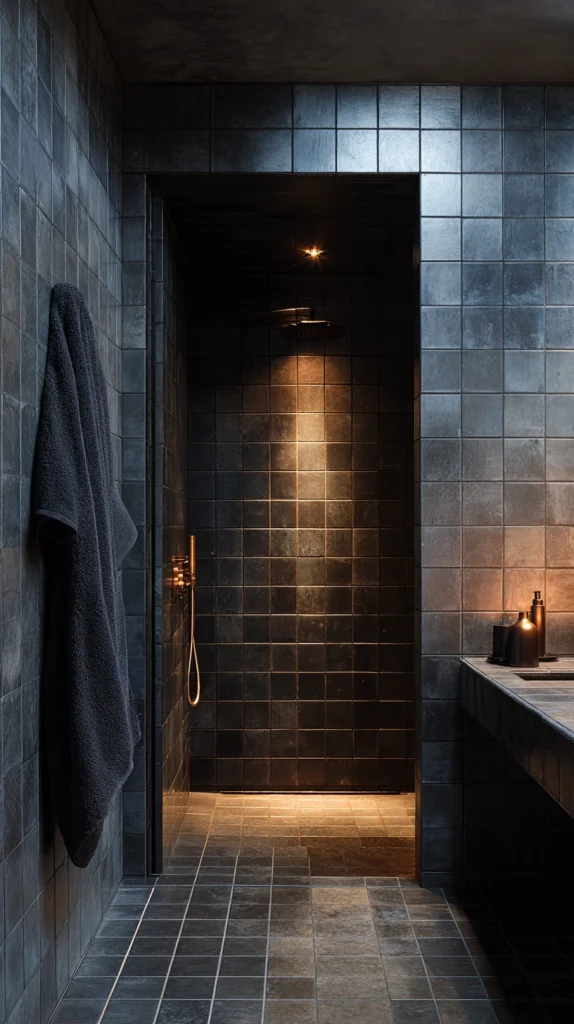
Regrouting existing pale tile with charcoal or near-black grout — or selecting dark-toned tile for a new installation — creates the most foundational transformation available to a witchy bathroom. The grid of dark grout lines against dark or pale tile produces a surface that reads as ancient, deliberate, and architectural in the specific way that white-grouted tile, however beautiful, does not.
Dark grey or charcoal epoxy grout costs $15–$30 per bag for regrouting a standard bathroom. Black mosaic tile in a small format for a feature wall costs $20–$60 per square metre. Dark zellige tile — the hand-made Moroccan tile with its characteristic irregular surface and deep jewel tones — costs $40–$120 per square metre. The dark grout and tile transformation works at every budget level because even regrouting existing tile in charcoal changes the character of the room significantly without touching any other surface.
Style tip: Apply a dark grout sealer after regrouting rather than leaving the dark grout exposed. Dark grout is more porous than light grout and absorbs soap scum and mould more visibly despite the darker colour masking it initially. A sealed dark grout maintains its deep colour and resists absorption — the sealed surface is the maintenance decision that keeps the witchy bathroom looking considered rather than neglected.
2. The Botanical Ceiling Display
Budget: $15 – $80
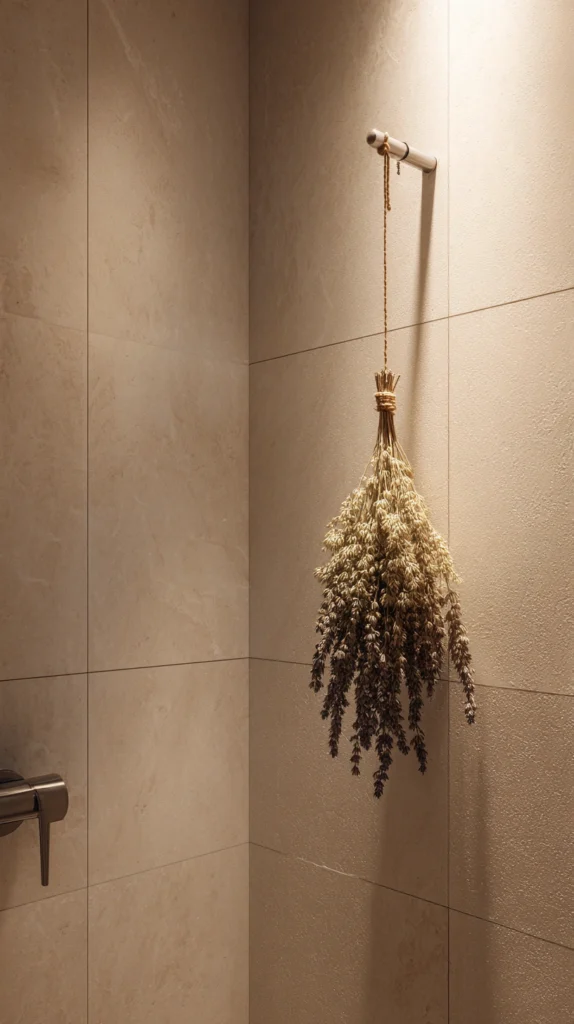
Bundles of dried herbs — eucalyptus, lavender, rosemary, mugwort, dried roses — hung from a ceiling hook or a simple timber rod near the shower or bath release their fragrance in the steam of a hot bath, transforming the bathing experience into something genuinely aromatic and genuinely botanical. The dried bundle display is the witchy bathroom’s most characteristic element and the one that most directly connects the bathing ritual to the herbal tradition.
Dried herb bundles cost $3–$15 each. A timber rod for hanging costs $5–$10. Six bundles at varying heights from a single rod cost $18–$90 in plant material. Hang the bundles close enough to the shower steam to benefit from the moisture that releases the fragrance — within 40–60 centimetres of the shower or directly above the bath — but not close enough that the water directly wets them, which causes mould.
Style tip: Replace the dried herb bundles every four to six weeks as they lose their fragrance rather than leaving them until they are visually exhausted. A ceiling of fresh-dried herbs in their first weeks is fragrant, beautiful, and specifically witchy; a ceiling of herbs that have been hanging for months is brown, dusty, and simply untidy. The regular replacement is the maintenance practice that keeps the ceiling display performing its dual function.
3. The Black Clawfoot or Freestanding Bath
Budget: $500 – $3,000
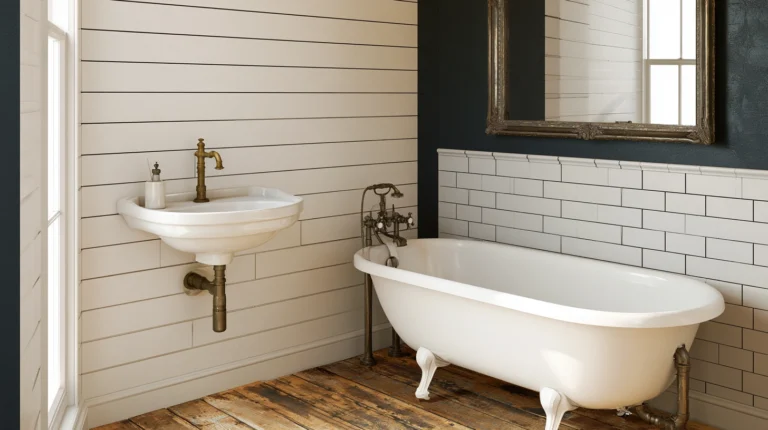
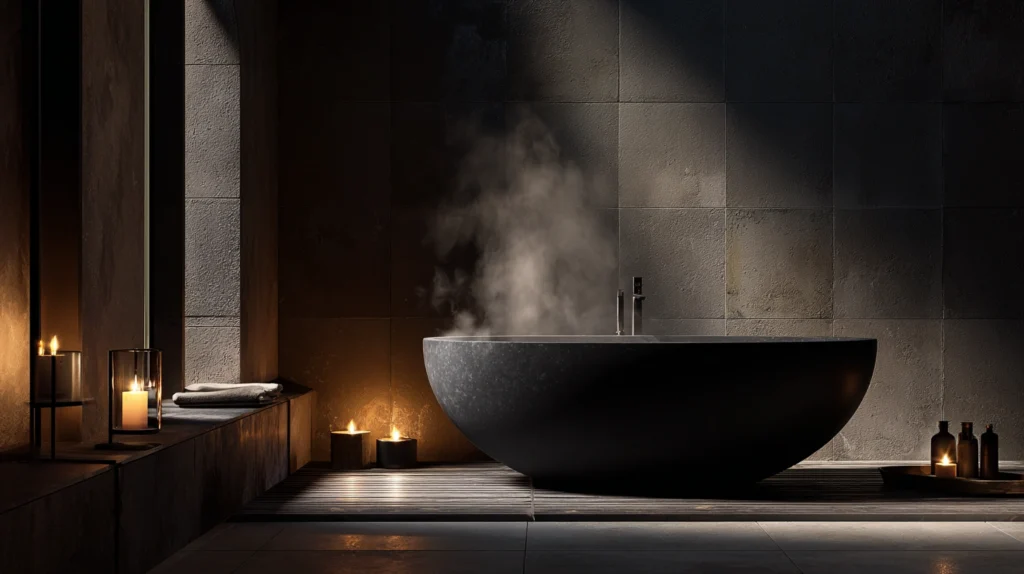
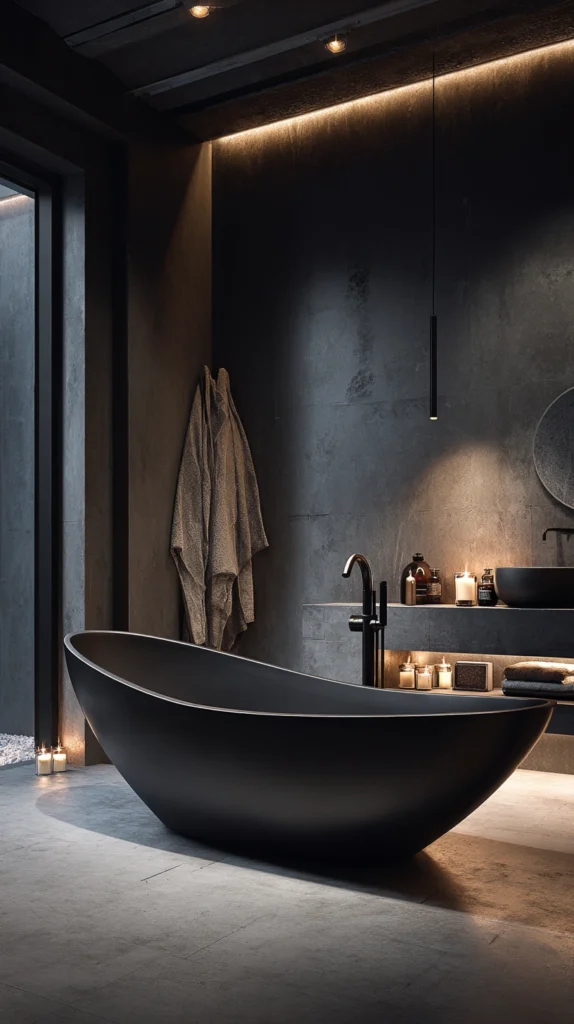
A freestanding bath — painted or powder-coated in matte black or a deep charcoal — positioned against a dark or dramatically toned wall is the single piece of bathroom furniture that most completely produces the witchy bathroom’s atmosphere. The black freestanding bath is simultaneously a period reference and a contemporary design statement, and in the context of a bathroom with dark tile, candlelight, and botanical decoration, it reads as exactly the right object in exactly the right room.
A basic acrylic freestanding bath costs $500–$1,500. A cast iron clawfoot version runs $1,200–$4,000. Painting an existing freestanding bath in a specialist bath enamel paint costs $80–$200 in materials — the correct paint for this application is a specialist product and standard paint will peel within weeks in bathroom conditions. The matte finish is the specification that gives the black bath its depth; a gloss black reads as lacquered rather than as cast and considered.
Style tip: Position the freestanding bath so it is visible from the bathroom door on entering — the bath as the first thing seen when entering the room rather than a piece of equipment discovered by rounding a corner. A bath visible from the door is a bath that sets the atmospheric intention of the whole room from the first moment; one hidden behind a partition or around a wall is simply a bath.
4. The Apothecary Shelf Display
Budget: $30 – $150
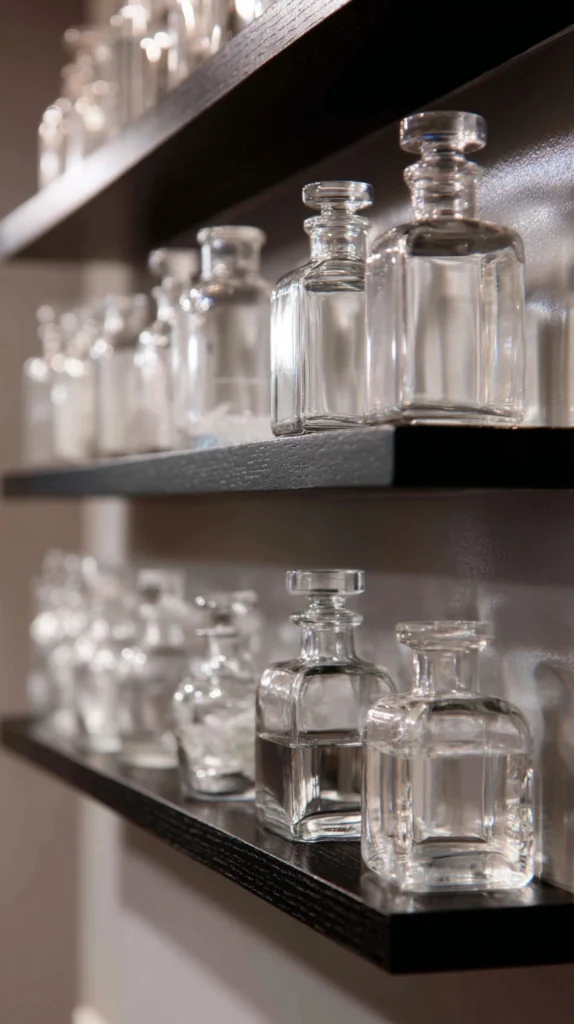
A shelf of apothecary-style bottles, jars, and vessels — containing bath salts, dried herbs, essential oils, and the functional products of the bathroom in containers chosen for their visual quality — replaces the miscellaneous product packaging that most bathroom shelves contain with a display of genuine botanical beauty. The apothecary shelf is the witchy bathroom’s functional display: everything on it is used, and everything on it is beautiful in the using.
Amber glass dropper bottles cost $2–$5 each. Dark glass storage jars run $3–$8 each. A set of matching apothecary jars costs $15–$40. Hand-written labels in botanical script cost nothing beyond the pen and the label stock ($2–$5 for a sheet). The apothecary shelf works because every container matches in format — all amber glass, or all dark ceramic, or all clear glass with dark lids — rather than a mixture of whatever bottles were available.
Style tip: Decant the functional products — shampoo, conditioner, body wash — into matching pump bottles before the shelf is filled, so the entire shelf display is consistent in vessel type rather than having the formatted containers beside the original product packaging. The decanted shelf takes twenty minutes to establish and produces a display that reads as genuinely curated; the mixed shelf always reads as partially converted.
5. The Candlelit Atmosphere
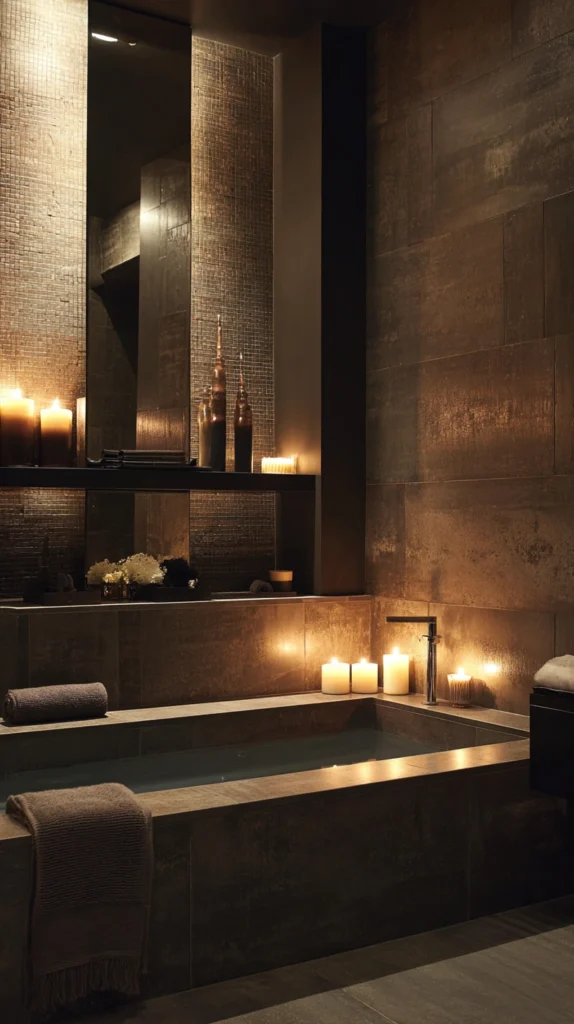
Budget: $30 – $150
Multiple candles at different heights — pillar candles on the bath rim, tea lights in dark glass holders on the shelf, taper candles in iron holders on the windowsill — create the atmospheric quality that the witchy bathroom is built around. Candlelight in a steam-filled bathroom, with the overhead light switched off, is one of the most specific and most genuinely restorative sensory environments available in a domestic setting.
Pillar candles in black or dark beeswax cost $8–$20 each. Iron candleholders run $10–$30. A set of dark glass tea light holders costs $10–$25 for six. Black taper candles in wrought iron holders run $15–$40. Install at least one wall-mounted candle sconce ($20–$60) for a fixed candle position that does not require a surface — the wall-mounted position at eye height from the bath is the most atmospherically effective candle position in the witchy bathroom.
Style tip: Choose candles in complementary scents — all botanical, all resinous, or all floral — rather than mixing candle fragrances across the bathroom. Multiple competing fragrances in a steam-amplified space create olfactory confusion rather than atmosphere. One fragrance family — all lavender and herbal, or all amber and resinous, or all dark florals — creates the specific scent identity that makes the bath ritual feel genuinely different from the morning shower.
6. The Moody Dark Paint Transformation
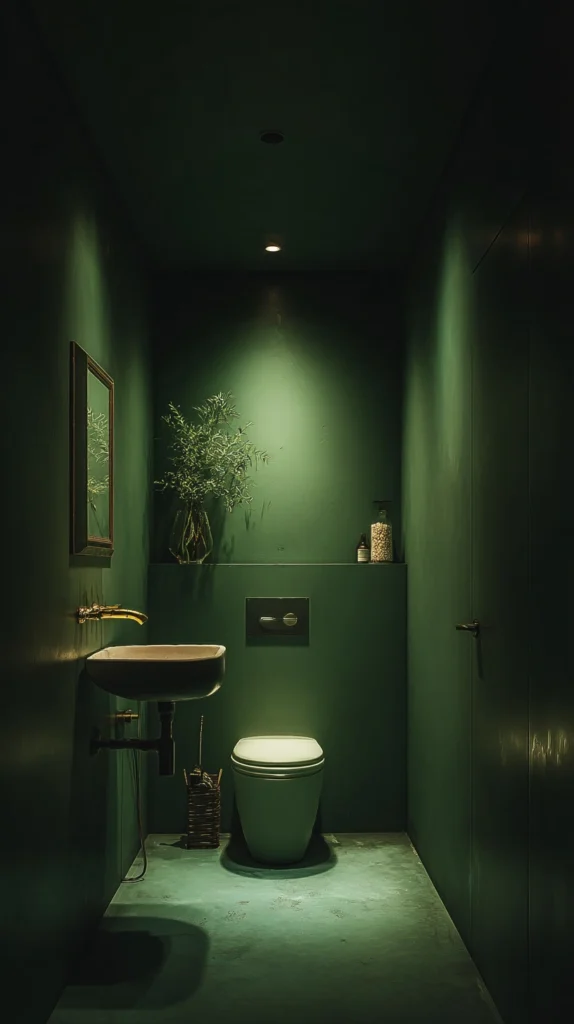
Budget: $40 – $200
Painting the bathroom in a deep, dark, absorptive colour — near-black forest green, deep charcoal, midnight navy, warm aubergine — creates the enveloping quality that is the witchy bathroom’s defining atmospheric condition. A dark bathroom does not feel smaller; it feels enclosed and intimate in the specific way that a candlelit cave feels intimate — the darkness is the comfort rather than the deprivation.
Bathroom-specific paint with moisture resistance in deep tones costs $30–$80 per 2.5-litre tin. A standard bathroom requires one to two tins for two coats. Use a bathroom-specific formulation rather than standard emulsion — the anti-mould, moisture-resistant properties of specialist bathroom paint are not optional in a small steam-filled space and standard paint will show mould growth at the ceiling and corner junctions within a single season.
Style tip: Paint the ceiling the same colour as the walls in the dark bathroom. A dark-walled bathroom with a white ceiling creates a visual break that prevents the immersive quality the colour is trying to produce; the same dark colour on walls and ceiling creates the enveloping quality that makes the witchy bathroom genuinely atmospheric. The dark ceiling is the decision that completes the transformation.
7. The Stained Glass or Crystal Window Treatment
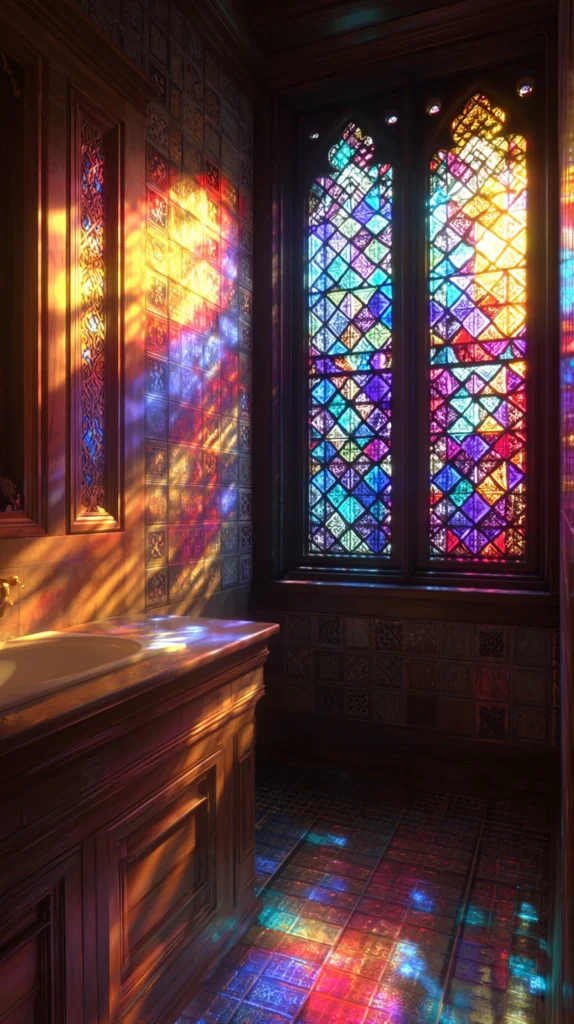
Budget: $40 – $300
A stained glass panel in the bathroom window — either a full replacement, a secondary panel hung inside the existing window, or a static cling stained glass film — fills the bathroom with coloured light at the specific quality that stained glass produces: warm, jewel-toned, moving with the sun. The coloured light in a bathroom with dark walls is one of the most specific and most genuinely magical atmospheric conditions available to a domestic interior.
Stained glass static cling film in jewel colours costs $10–$30 per sheet. A hanging stained glass panel in a witchy pattern — botanical, celestial, or abstract — costs $40–$200. A commissioned stained glass window runs $200–$800 for a standard bathroom window size. The stained glass window treatment provides privacy without obscuring the light — which in a bathroom where privacy and light are both required is the most elegant solution to a persistent practical problem.
Style tip: Choose stained glass colours that complement the dark bathroom palette — deep amber, forest green, cobalt blue, and amethyst purple against a dark wall read as jewels; pale pink and light yellow against the same dark wall read as insufficient. The jewel tones of the stained glass need the dark background of the bathroom walls to perform at their maximum visual intensity.
8. The Vintage Mirror Collection
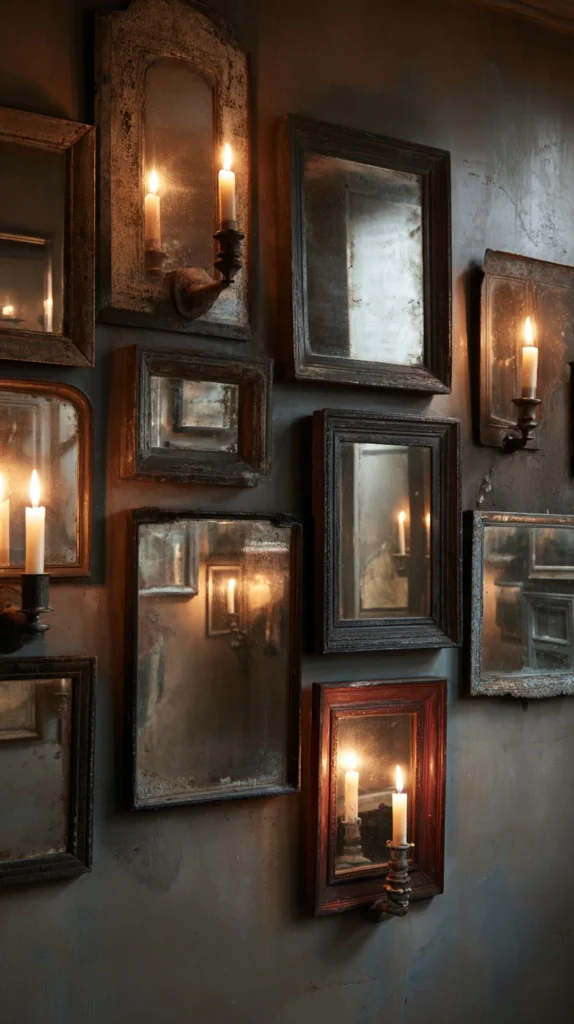
Budget: $30 – $200
A collection of vintage mirrors — in tarnished gilt, wrought iron, dark timber, and oxidised brass frames — arranged on the bathroom wall rather than a single modern mirror creates the witchy bathroom’s most dramatically atmospheric surface treatment. Multiple mirrors in different sizes and shapes reflect the candlelight from multiple angles simultaneously, producing a quality of light multiplication that a single mirror cannot approach.
Individual vintage or antique-style mirrors cost $15–$80 each from charity shops and secondhand markets. A collection of five in varying sizes and frames runs $75–$400. Arrange with the largest piece as the compositional anchor and the smaller mirrors around it in an organic rather than a grid arrangement. The organic arrangement reads as collected; the grid arrangement reads as designed.
Style tip: Include at least one mirror with slight age-related foxing — the dark spotting at the mirror’s silvered edges that appears as old mirrors deteriorate — rather than using only clear, perfect mirrors throughout the collection. The foxed mirror has a quality of history and of partial reflection that perfectly clear mirrors lack, and in the context of a witchy bathroom it reads as authentic rather than damaged.
9. The Moss and Living Wall Element
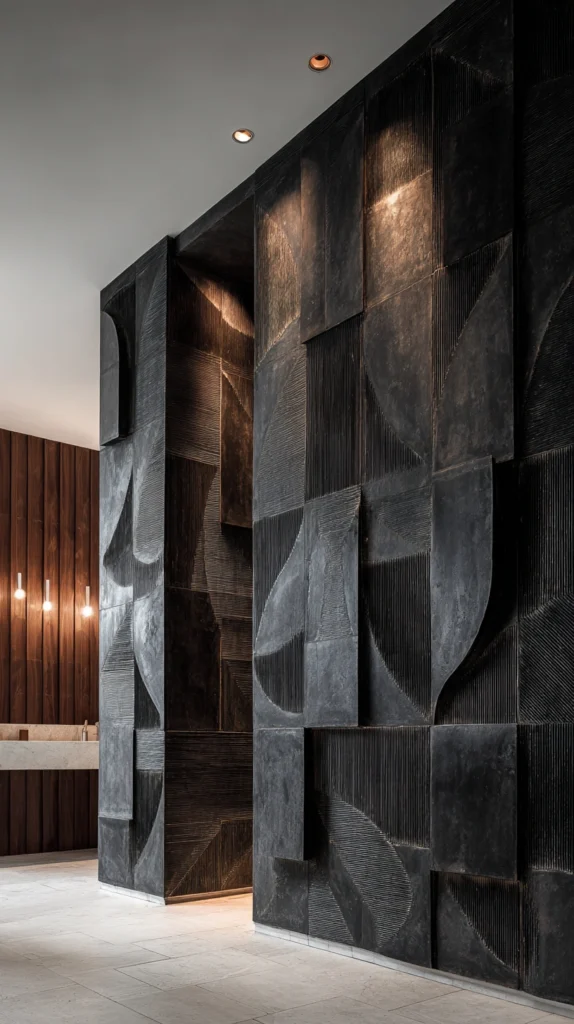
Budget: $30 – $150
A section of preserved or living moss — on a wall panel, in a framed arrangement, or growing in a mounted ceramic vessel — brings the botanical and the living into the bathroom in its most elemental form. Moss in a bathroom requires no soil, minimal light, and only the ambient moisture of the room to maintain — it is the plant that is most naturally suited to bathroom conditions and the one that most completely communicates the forest-floor quality of the witchy botanical aesthetic.
A preserved moss panel of 40 by 40 centimetres costs $25–$60. A living moss frame of similar size runs $30–$80. Individual moss specimens in mounted ceramic vessels cost $10–$25 each. The preserved moss requires no maintenance but does not change or grow; the living moss requires occasional misting and the specific moisture levels that a bathroom provides naturally but requires monitoring in spaces that are not sufficiently humid.
Style tip: Pair the moss element with a small fern — a bird’s nest fern or a maidenhair fern — in a ceramic pot mounted at the same wall level. The fern and the moss together create a micro-forest quality that either alone cannot achieve — the fern’s architectural frond form against the flat carpet of the moss is the botanical juxtaposition that communicates woodland floor rather than simply green planting.
10. The Ritual Bath Product Collection
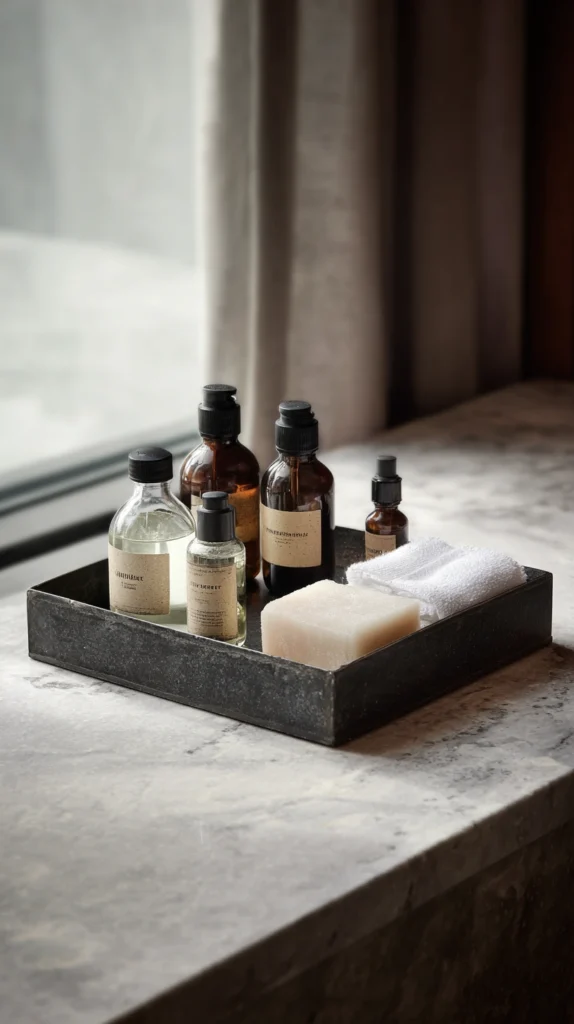
Budget: $40 – $200
A curated collection of ritual bath products — bath salts infused with botanicals, essential oil blends, dried flower sachets, moon water in a dark glass bottle — arranged on a bath tray or an apothecary shelf makes the bath itself a ritual rather than a hygiene routine. The products communicate that bathing in this room is deliberate, that the experience has been prepared for, and that the time spent in the water is for restoration rather than efficiency.
Bath salts with botanical additions cost $8–$20 per jar and can be made at home from Himalayan salt, dried lavender, and a few drops of essential oil for $3–$8 per batch. A dark glass bottle for moon water (water left under the full moon — free to make) costs $3–$8. A bath tray across the freestanding bath for the product collection costs $20–$60. The ritual products earn their position on the shelf by being used rather than displayed, and a shelf of products that are genuinely incorporated into a bathing routine communicates something entirely different from a shelf of products that have not been opened.
Style tip: Label the bath products in your own handwriting rather than using printed labels. The handwritten label on a jar of bath salts communicates that the contents were prepared by the person who uses them — a quality of personal production that is the most witchy of all possible product presentations and that costs only the minutes it takes to write.
11. The Celestial Ceiling Treatment
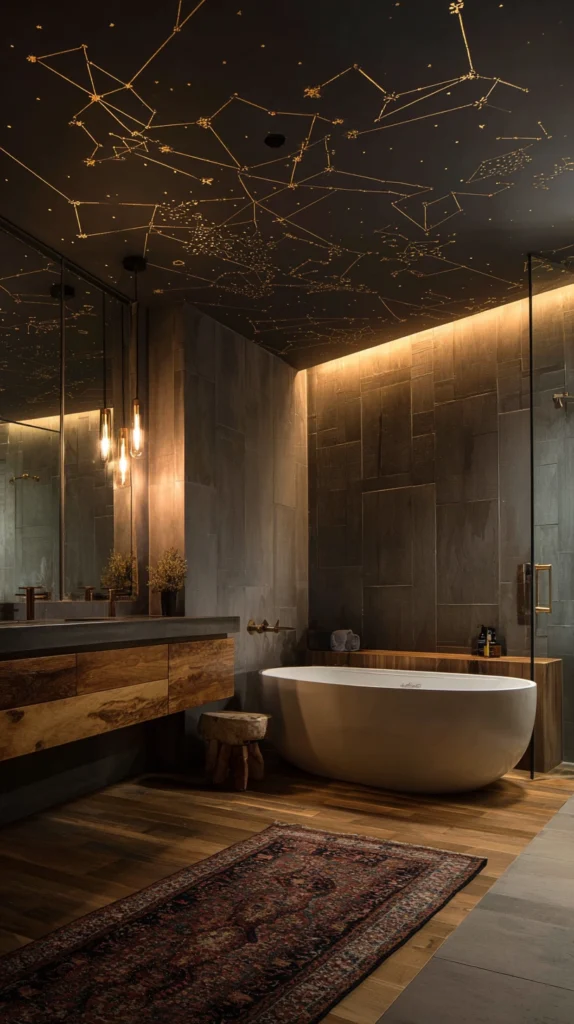
Budget: $20 – $120
A painted or decal constellation ceiling — deep navy or near-black with gold or silver star positions painted or applied as metallic decals — creates the witchy bathroom’s most dreamy and most specifically atmospheric overhead surface. A celestial ceiling in a bathroom means that soaking in the bath involves lying back and looking at the night sky, which is one of the more precisely described experiences of why a bath can feel genuinely magical.
Metallic gold star decals in constellation format cost $15–$40 for a full set. Gold or silver paint for hand-painted stars costs $8–$20 per small tin. A dark navy or near-black ceiling — the base that the stars are applied to — costs $30–$80 in bathroom-specific paint. Apply the constellations in their accurate sky positions rather than decoratively distributed — the accuracy of the astronomical arrangement is the detail that gives the ceiling its specific quality rather than its generic decorative one.
Style tip: Include the moon phases along one edge of the celestial ceiling — a row of moon phase symbols painted in gold from new moon through to full and back — alongside the constellations. The moon phases add the lunar dimension to the celestial ceiling that makes it specifically witchy rather than simply astronomical, and the row along one edge creates a visual border that gives the ceiling installation a defined compositional limit.
12. The Iron and Black Hardware Upgrade
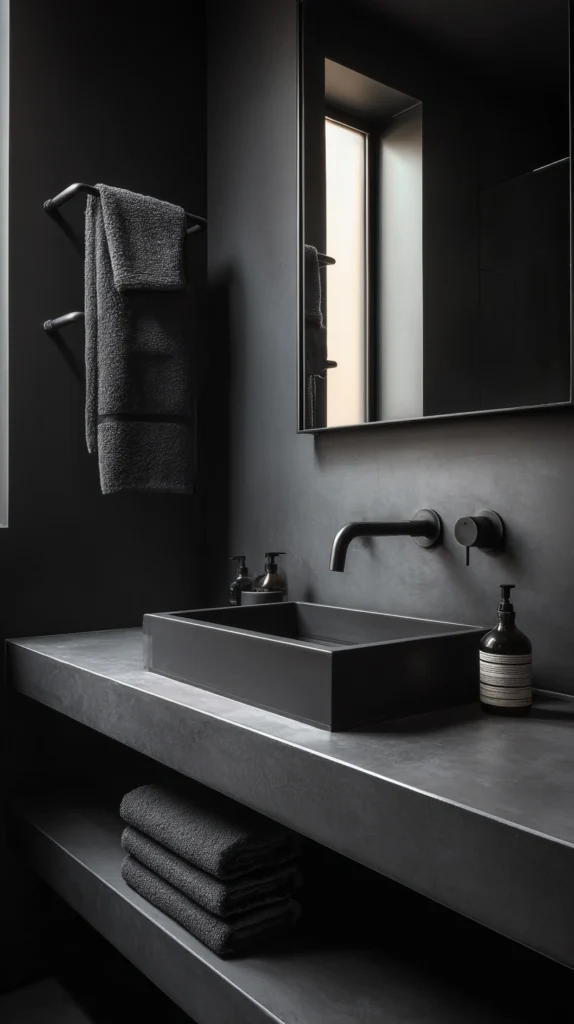
Budget: $40 – $200
Replacing all bathroom hardware — towel rails, toilet roll holder, robe hook, tap handles, mirror fixings — with matte black or wrought iron equivalents creates the material coherence that most witchy bathrooms lack. Mixed hardware finishes are the detail that most consistently undermines an otherwise considered bathroom aesthetic; replacing them with a single consistent matte black finish costs relatively little and produces the room-wide material unity that makes everything else in the bathroom read better.
Matte black towel rail costs $30–$80. Black toilet roll holder runs $15–$40. A matte black robe hook costs $10–$25. A full hardware replacement of five standard bathroom fittings in matte black runs $80–$250. The hardware replacement is a DIY job for anyone comfortable with a drill — the fixings are standard and the replacement requires only the right drill bit and thirty minutes per fitting.
Style tip: Replace the taps and the shower head as well as the small hardware fittings if the budget allows. Black taps and a black shower head complete the hardware palette in a way that black towel rails beside chrome taps cannot — the inconsistency between the small black fittings and the chrome plumbing fixtures is the detail that communicates partial conversion rather than completed transformation.
13. The Drying Flower and Botanical Installation
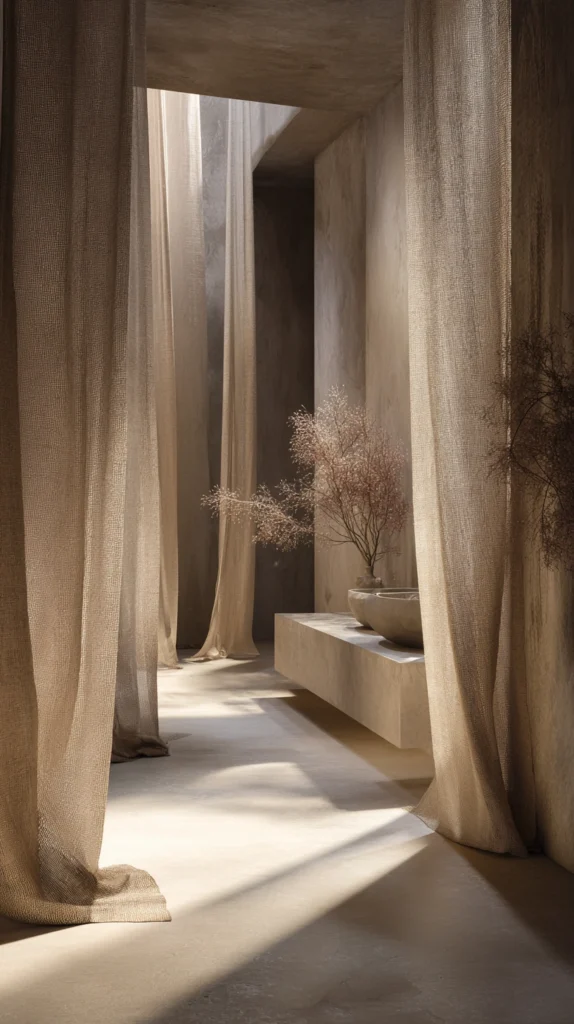
Budget: $10 – $80
Fresh flowers hung to dry in the bathroom — roses tied at the stem and hung from a ceiling hook, lavender bunches draped over the mirror, eucalyptus stems in a tall black vase as they slowly dry over weeks — creates a bathroom installation that changes continuously as the drying process progresses. The flower that arrives in the bathroom fresh and brilliant and gradually transforms into a dried botanical of equally specific beauty is the witchy bathroom’s most living and most temporally honest decoration.
Fresh roses from a garden or a market cost $5–$20 per bunch. Lavender bunches run $3–$10. Eucalyptus from a florist costs $4–$12 per bunch. The drying process takes two to three weeks in a dry, ventilated bathroom — longer in a very humid one. Replace the dried installation seasonally with new fresh bunches so the bathroom always contains material in some stage of transition between fresh and dried.
Style tip: Choose flowers specifically for their dried form as well as their fresh form when selecting material for the bathroom drying installation. Roses dry beautifully and maintain their shape; peonies dry with a specific papery quality; hydrangeas dry flat but maintain their colour; lavender dries with the most fragrance of any commonly available fresh flower. The flowers chosen for their dried transformation are the flowers that reward the weeks of watching.
14. The Dark Botanical Wallpaper
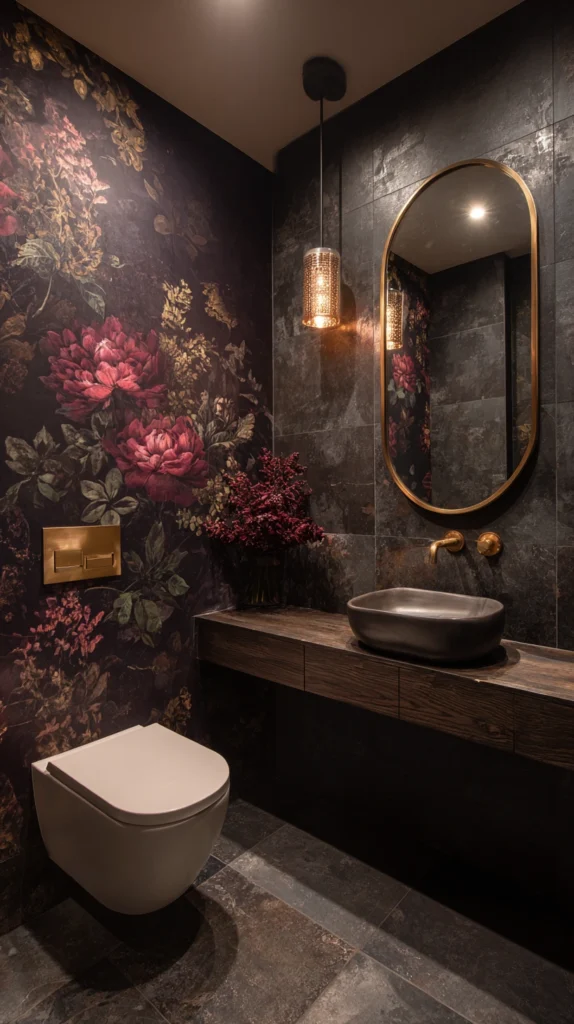
Budget: $60 – $300
A single wall of dark botanical wallpaper — dense Victorian-era botanical illustration on a near-black ground, or a modern dark jungle print in deep greens and blacks — transforms the bathroom’s primary visual surface into something that rewards close looking from the bath or the vanity mirror. Dark botanical wallpaper in a bathroom that is well-ventilated and well-painted beneath the paper performs durably and provides the richest visual surface available to a small room.
Vinyl-backed dark botanical wallpaper suitable for bathrooms costs $40–$120 per roll. A standard bathroom feature wall requires one to two rolls. Moisture-resistant paste and proper surface preparation are essential for bathroom wallpaper longevity — paper applied over inadequately sealed or painted walls will lift at the joints within months regardless of the quality of the wallpaper.
Style tip: Apply the dark botanical wallpaper to the wall directly opposite the bath or the shower rather than the wall beside the mirror. The wall opposite the bath is the one looked at during the extended time spent soaking; the mirror wall is already occupied by the mirror and the vanity. The bath-facing wall is the visual surface that the bathing experience is primarily directed toward, and the most immersive wallpaper choice belongs on the wall that receives the most sustained attention.
15. The Sound and Scent Ritual Layer
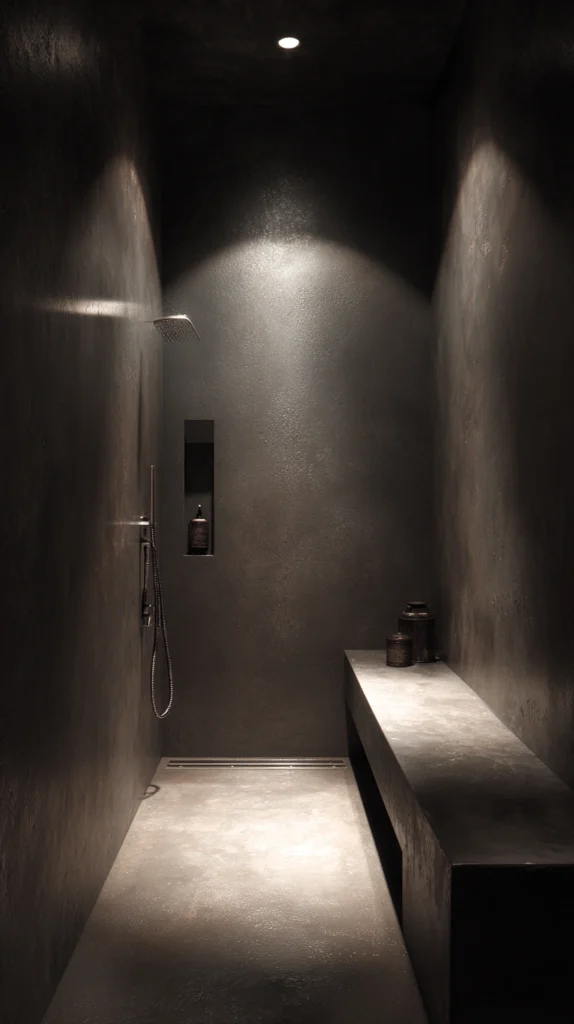
Budget: $20 – $100
The witchy bathroom is experienced through every sense simultaneously — the visual, the tactile, the olfactory — and the auditory dimension is the one most consistently neglected. A small waterproof Bluetooth speaker playing the specific sounds that accompany a ritual bath — rain, forest, running water, specific music — combined with the botanical fragrance from the candles and the dried herbs creates a complete sensory environment that makes the bath feel genuinely separate from the rest of the day.
A waterproof Bluetooth speaker rated for bathroom use costs $20–$60. The sounds themselves — rain recordings, forest soundscapes, specific playlists — cost nothing from any standard streaming service. The combination of the visual atmosphere already created by the dark tile, the candlelight, and the botanical ceiling display, plus the specific sound environment and the herbal fragrance, produces a bathing experience of genuine ritual quality that costs almost nothing beyond the initial visual and material investment in the room.
Style tip: Create a dedicated bathroom playlist rather than streaming ambient sound from general recommendations. A playlist chosen specifically for the bath ritual — assembled over time from sounds and music that produce the specific quality of stillness and restoration that the ritual bath is for — is the auditory equivalent of the apothecary shelf: a curated collection of specifically chosen elements rather than a generic equivalent.
The best witchy bathroom is not the most dramatically decorated or the most completely transformed. It is the one that makes the act of bathing feel deliberate — where every sensory element of the experience was considered and where the steam carries the smell of something that was chosen because it means something. The darkness, the candles, the botanicals: these are the conditions, not the costume. The ritual is what happens inside them.